
Indian Culture is one of the oldest and richest cultures in the world. It includes traditions, festivals, languages, food, clothing, and values. This essay, with 10 pointers and questions, helps kids understand the beauty of Indian traditions, respect for elders, unity in diversity, and the importance of cultural heritage.
Contents
10 Pointers About Indian Culture
- India has many religions, languages, and customs.
- Diwali, Holi, Eid, Christmas, and Pongal are celebrated with joy.
- People wear sarees, dhotis, kurta-pajamas, and turbans.
- Dishes like biryani, dosa, roti, and sweets like ladoo are popular.
- Classical (Bharatanatyam, Kathak) and folk dances like Bhangra are famous.
- Touching feet and saying “Namaste” shows respect.
- India gave yoga and natural medicine to the world.
- The Taj Mahal, the Qutub Minar, and the temples showcase a rich heritage.
- Over 100 languages are spoken; Hindi and English are common.
- People live together despite differences.
Short Essay On Indian Culture
Essay On Indian Culture in 100 Words
Indian culture is one of the oldest and richest in the world. It includes many religions, languages, and traditions. Festivals like Diwali and Holi bring people together with lights and colors. Indian food, such as biryani and dosa, is loved globally. Classical dances like Bharatanatyam and music like sitar tunes are famous. People respect elders by saying “Namaste.” Yoga, which started in India, is now practiced worldwide. Monuments like the Taj Mahal show India’s history. With over 100 languages, India truly believes in “Unity in Diversity.”
Essay On Indian Culture in 200 Words
Indian culture is a beautiful mix of traditions, festivals, food, and art. It is one of the world’s oldest civilizations, with a history of over 5,000 years. India is known for its diversity—people follow different religions like Hinduism, Islam, Christianity, and Sikhism, but live together peacefully.
Festivals like Diwali (festival of lights), Holi (festival of colors), Eid, and Christmas are celebrated with joy. Each region has its dance forms, like Bharatanatyam in the south and Bhangra in Punjab. Indian food varies from spicy curries to sweet desserts like gulab jamun.
Respect for elders is important—children touch their feet for blessings. Yoga and Ayurveda, which began in India, are now global practices. Famous monuments like the Taj Mahal and Ajanta Caves attract tourists. India has over 100 languages, but Hindi and English are widely spoken.
The best part of Indian culture is “Unity in Diversity,” where people of different backgrounds live together with love and respect.
Essay On Indian Culture in 300 Words
Indian culture is a vibrant and ancient way of life that has influenced the world for centuries. With a history of over 5,000 years, India is home to diverse religions, languages, and traditions. Hinduism, Islam, Christianity, Sikhism, Buddhism, and Jainism coexist peacefully, showing India’s tolerance.
Festivals are a big part of Indian culture. Diwali, the festival of lights, symbolizes the victory of good over evil. Holi, the festival of colors, brings people together in joy. Eid, Christmas, Pongal, and Baisakhi are also celebrated with enthusiasm. Each state has unique traditions—for example, Onam in Kerala and Bihu in Assam.
Indian clothing is colorful and varied. Women wear sarees and salwar kameez, while men wear dhotis, kurta-pajamas, or sherwanis. Food is another highlight—spicy biryani, crispy dosa, butter chicken, and sweets like jalebi and rasgulla are loved worldwide.
Music and dance are deeply rooted in Indian culture. Classical dances like Kathak and Bharatanatyam tell ancient stories, while folk dances like Garba and Bhangra are full of energy. Instruments like the tabla, sitar, and flute create enchanting music.
Indians greatly respect elders, often touching their feet for blessings. Greetings like “Namaste” show humility. Yoga, which started in India, is now a global practice for health. Ayurveda, an ancient medicine system, uses natural herbs for healing.
India’s monuments, like the Taj Mahal, Qutub Minar, and temples of Varanasi, reflect its glorious past. With over 100 languages, India’s linguistic diversity is vast, yet people stay united.
The essence of Indian culture is “Unity in Diversity,” where differences are celebrated, and harmony prevails. This rich heritage makes India unique and inspiring.
Long Essay On Indian Culture in 500 Words
Introduction
Indian culture is one of the oldest and richest in the world, shaped by a history that spans thousands of years. It is a vibrant blend of traditions, religions, languages, and customs that vary across regions yet remain united by a common heritage. From festivals and art to cuisine and spirituality, Indian culture reflects the country’s deep-rooted values and diversity.
Religious Diversity
India is the birthplace of major religions like Hinduism, Buddhism, Jainism, and Sikhism, while also embracing Islam, Christianity, and other faiths. This religious pluralism is evident in the numerous temples, mosques, churches, and gurudwaras across the country. Festivals such as Diwali, Eid, Christmas, and Holi are celebrated with equal enthusiasm, showcasing India’s unity in diversity.
Languages and Literature
India is a linguistic mosaic with over 22 officially recognized languages and hundreds of dialects. Sanskrit, Tamil, and other classical languages have contributed to ancient scriptures like the Vedas and epics like the Mahabharata and Ramayana. Modern Indian literature, including works by Rabindranath Tagore and R.K. Narayan, continues to gain global recognition.
Art and Architecture
Indian art ranges from classical dance forms like Bharatanatyam and Kathak to folk arts like Warli and Madhubani paintings. The country’s architectural marvels, such as the Taj Mahal, Ajanta-Ellora caves, and temples of Khajuraho, reflect the artistic brilliance of different dynasties. Each region has its unique craft traditions, from Kashmiri carpets to Rajasthani pottery.
Cuisine and Clothing
Indian cuisine is known for its rich flavors and spices, with regional specialties like biryani, dosa, and butter chicken. Traditional clothing, such as sarees, dhotis, and turbans, varies across states but remains an integral part of cultural identity. Indian weddings, with their elaborate rituals and vibrant attire, highlight the country’s love for tradition and celebration.
Family and Social Values
Family holds a central place in Indian culture, with joint families still prevalent in many regions. Respect for elders, strong community bonds, and hospitality are key values. However, modernization is gradually influencing urban lifestyles, leading to a blend of traditional and contemporary practices.
Conclusion
Indian culture is a dynamic and evolving entity, deeply rooted in history yet adapting to modern influences. Its diversity, spirituality, and artistic heritage make it unique. Despite regional differences, the essence of Indian culture lies in its ability to harmonize tradition with progress.

FAQs on Indian Culture
Q1. Name two famous Indian festivals.
Ans. Diwali and Holi.
Q2. What is the traditional greeting in India?
Ans. Namaste.
Q3. Which Indian monument is called a symbol of love?
Ans. Taj Mahal.
Q4. Name a classical dance from South India.
Ans. Bharatanatyam.
Q5. What is the importance of yoga in Indian culture?
Ans. It promotes physical and mental health.
Q6. Which languages are considered classical in India?
Ans. Sanskrit and Tamil.
Q7. Name a famous Indian epic.
Ans. Mahabharata or Ramayana.
Q8. What is a popular Indian architectural monument?
Ans. The Taj Mahal.
Q9. What are some traditional Indian clothing items?
Ans. Sarees, dhotis, and turbans.
Q10. What values are important in Indian families?
Ans. Respect for elders, hospitality, and strong community bonds.
Indian Culture teaches us unity, kindness, and respect. With its vibrant festivals and rich cultural values, it brings people together. Understanding Indian culture helps us appreciate our roots and live in harmony. Discover more on our website, featuring a wide variety of paragraphs, essays, worksheets, flashcards, Quizzes, and other interactive resources. Don’t forget to follow us on YouTube & Facebook.
You might also like
Essay – Chandra Shekhar Azad: The Young Revolutionary

This essay on Chandra Shekhar Azad presents him as a brave and young freedom fighter who played a key role in India’s struggle for independence. It highlights his fearless actions, dedication to freedom, and ultimate sacrifice for his country
Essay – Vinoba Bhave: The Bhoodan Movement Leader
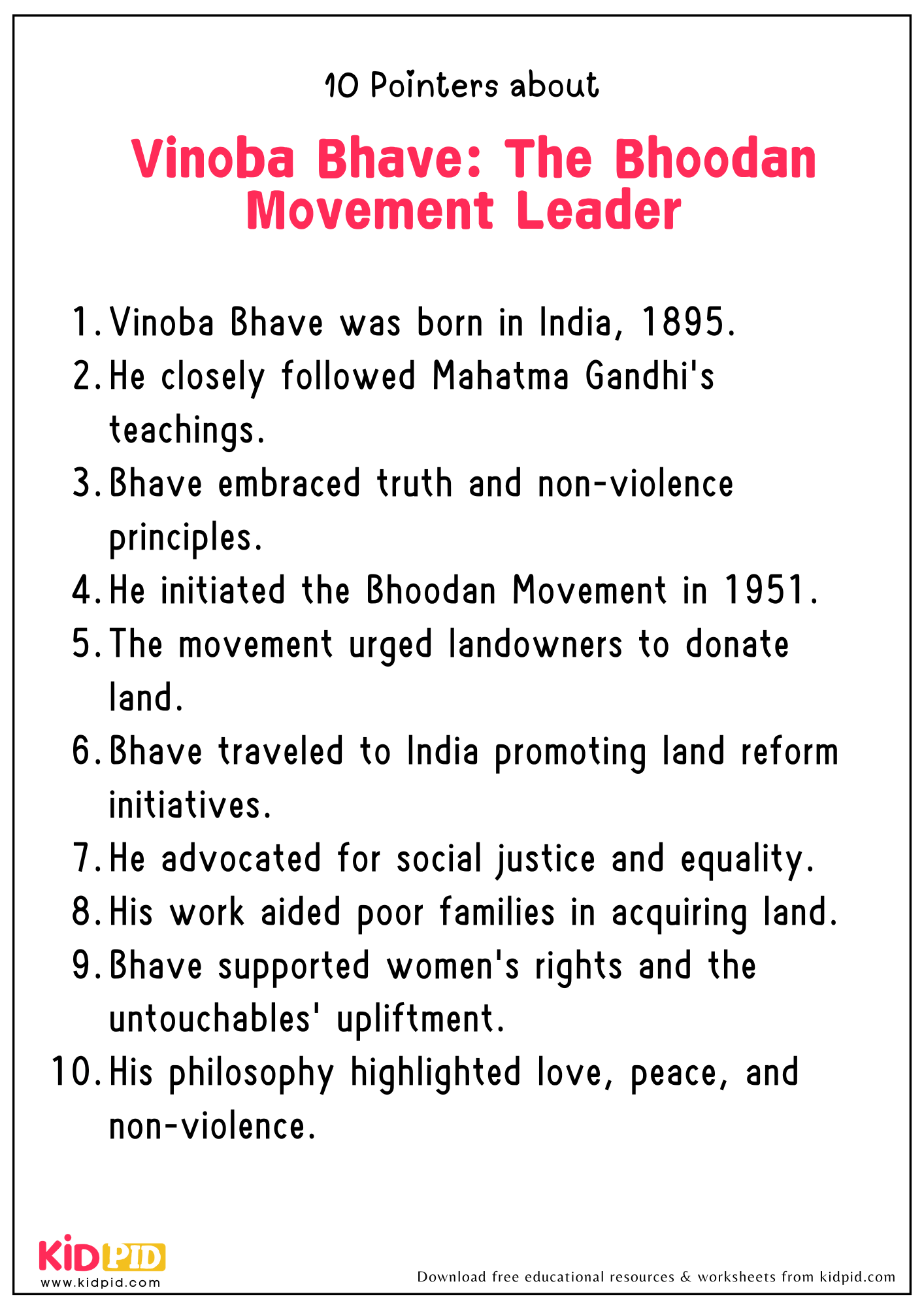
This essay on Vinoba Bhave highlights his life as a wise social reformer and follower of Gandhi who started the Bhoodan Movement, urging landowners to donate land and uplift the poor and landless.
Essay – R. K. Narayan: The Chronicler Of Indian Life
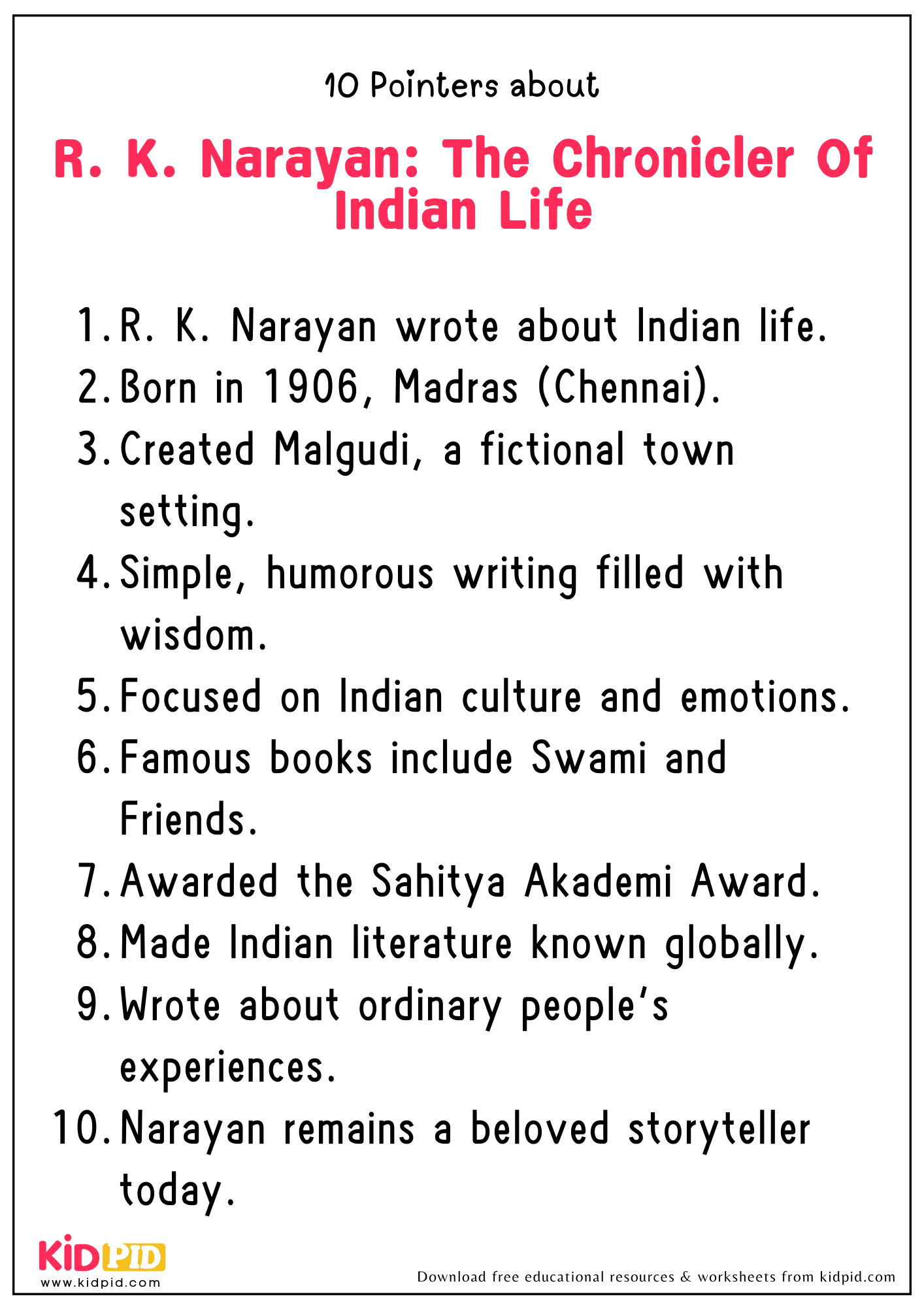
This essay on R. K. Narayan introduces him as a beloved Indian writer who created the fictional town of Malgudi. He wrote in a simple, humorous style about everyday life, and his stories, like Swami and Friends, connect with readers everywhere.
Essay – Kalpana Chawla: The First Indian Woman In Space

This essay on Kalpana Chawla highlights her as the pioneering Indian‑American astronaut, the first woman of Indian origin in space. It emphasizes her passion, perseverance, space missions, and inspiring legacy.
Essay – Lata Mangeshkar: The Voice Of India

This essay on Lata Mangeshkar highlights the beloved “Nightingale of India” who sang over 30,000 songs in many languages and won top honors like the Bharat Ratna for her lasting musical legacy.