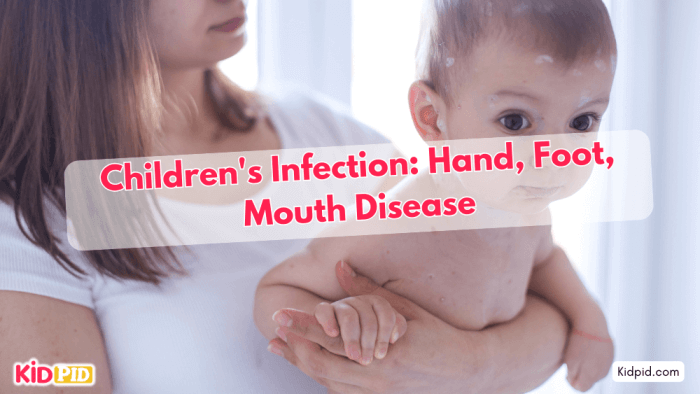
Hand, Foot, and Mouth Disease is a sickness that mainly affects young children. It causes rashes and sores on the hands, feet, and mouth. Let’s learn more about this infection and how to stay safe!
- It’s a virus that causes red spots, rashes, and sores on the hands, feet, and inside the mouth.
- It spreads through contact with infected people’s saliva, mucus, or stool.
- Symptoms include fever, sore throat, rash, and mouth sores that can be painful.
- Children under 5 years old are most likely to get it, but older kids and adults can also get it.
- Wash your hands often, avoid close contact with sick people, and keep toys and surfaces clean.
- There’s no specific cure, but the illness usually goes away on its own in about a week.
- If you feel very sick, have trouble swallowing, or the sores are very painful, it’s a good idea to see a doctor.
Contents
- What is Hand, Foot, And Mouth Disease? a Children’s Infection.
- Related MCQ’S
- 1. What is hand, foot, and mouth disease?
- 2. What virus causes hand, foot, and mouth disease?
- 3. How does hand, foot, and mouth disease spread?
- 4. What are common symptoms of hand, foot, and mouth disease?
- 5. What should you do if a blister bursts in hand, foot, and mouth disease?
- 6. How long does hand, foot, and mouth disease typically last?
- 7. What should children with hand, foot, and mouth disease avoid eating?
- 8. Where was Coxsackievirus first discovered?
- 9. What is the best way to prevent the spread of hand, foot, and mouth disease?
- 10. What is a critical step if a child with hand, foot, and mouth disease is not improving?
- You may like these:
What is Hand, Foot, And Mouth Disease? a Children’s Infection.

Related MCQ’S
1. What is hand, foot, and mouth disease?
a) A disease that affects animals
b) A disease that affects only adults
c) A common infection in children under 5 years old
d) A disease that causes high fever and headaches
Answer: c) A common infection in children under 5 years old
Explanation: Hand, foot, and mouth disease is a common infection found in children under 5 years old and is caused by a virus.
2. What virus causes hand, foot, and mouth disease?
a) Measles virus
b) Coxsackievirus A16
c) Influenza virus
d) Chickenpox virus
Answer: b) Coxsackievirus A16
Explanation: Hand, foot, and mouth disease is caused by a virus called Coxsackievirus A16, which belongs to the enterovirus family.
3. How does hand, foot, and mouth disease spread?
a) Only through mosquito bites
b) Through unwashed hands, surfaces, and droplets from coughing or sneezing
c) Only through animal contact
d) Through contaminated water
Answer: b) Through unwashed hands, surfaces, and droplets from coughing or sneezing
Explanation: The disease spreads from person to person through unwashed hands, contaminated surfaces, and droplets released when someone sneezes or coughs.
4. What are common symptoms of hand, foot, and mouth disease?
a) Fever, muscle aches, and pink rashes
b) Loss of hair and sore throat
c) Stomach pain and constipation
d) Skin rash and headaches
Answer: a) Fever, muscle aches, and pink rashes
Explanation: Common symptoms include fever, muscle aches, loss of appetite, fatigue, and pink rashes that can turn into blisters.
5. What should you do if a blister bursts in hand, foot, and mouth disease?
a) Let it heal on its own without any treatment
b) Apply antibiotic ointment and cover it with a small bandage
c) Pop the blister to relieve pain
d) Ignore it and wait for the symptoms to go away
Answer: b) Apply antibiotic ointment and cover it with a small bandage
Explanation: If a blister bursts, apply antibiotic ointment to prevent infection and cover it with a small bandage.
6. How long does hand, foot, and mouth disease typically last?
a) A few hours
b) A few days
c) A few weeks
d) A few months
Answer: b) A few days
Explanation: Hand, foot, and mouth disease usually goes away on its own within a few days.
7. What should children with hand, foot, and mouth disease avoid eating?
a) Healthy vegetables
b) Hot drinks, sodas, and seeded food
c) Ice cream and candy
d) Soft foods like rice and bread
Answer: b) Hot drinks, sodas, and seeded food
Explanation: Hot drinks, sodas, and seeded food should be avoided as they can make the pain worse.
8. Where was Coxsackievirus first discovered?
a) In Europe
b) In the town of Coxsackie, New York
c) In Africa
d) In Australia
Answer: b) In the town of Coxsackie, New York
Explanation: Coxsackievirus was first discovered in the town of Coxsackie, located south of Albany in New York.
9. What is the best way to prevent the spread of hand, foot, and mouth disease?
a) Hug and kiss infected individuals
b) Isolate yourself, wash hands frequently, and avoid sharing personal items
c) Go outside to get fresh air
d) Take medicine to prevent the disease
Answer: b) Isolate yourself, wash hands frequently, and avoid sharing personal items
Explanation: To prevent the spread, it’s important to isolate the infected person, wash hands often, and avoid sharing toys, clothes, or other items.
10. What is a critical step if a child with hand, foot, and mouth disease is not improving?
a) Ignore the symptoms
b) Visit a doctor for further advice
c) Give them more sugar
d) Let them go back to school
Answer: b) Visit a doctor for further advice
Explanation: If the symptoms aren’t improving, it is essential to visit a doctor to make sure the condition is being managed properly.
You may like these:
Why do I need vaccinations?
Vaccinations protect against serious diseases by stimulating the immune system to recognize and fight infections, helping prevent illness and protecting public health.
Learning from smallpox: How to eradicate a disease
Smallpox was eradicated through global vaccination campaigns. Its success offers a model for eradicating other diseases, emphasizing the importance of widespread vaccination and public health efforts.
Viruses
Viruses are microscopic pathogens that infect living cells. They replicate within host cells, causing illnesses like the flu, COVID-19, and many others, often requiring vaccines for prevention.
What we know (and don’t know) about Ebola
Ebola is a deadly virus causing hemorrhagic fever, transmitted through bodily fluids. While treatments and vaccines exist, there are still challenges in understanding and controlling its outbreaks.