

Essay on Criticism explores the role of analysis and evaluation in literature, art, and life.
Criticism means giving opinions about someone’s work or actions. It can help people improve or feel discouraged, depending on how it’s given. This essay explains what criticism is, why it matters, and shares 10 simple points and questions to understand it better.
Contents
10 Pointers About Criticism

- It’s someone’s opinion to help you improve.
- Some criticism is constructive and helpful.
- Don’t get upset when someone criticizes you.
- Understand what the person is saying.
- Criticism is about your actions, not who you are.
- Use criticism to grow and do better.
- If you don’t understand, ask for clarification.
- Thank the person for their feedback.
- If it’s mean or unfair, let it go.
- Criticism doesn’t define your worth.
Short Essay On Criticism
Essay On Criticism in 100 Words

Criticism is when someone gives feedback about what you did. It can be positive or negative. Constructive criticism helps you improve, like when a teacher corrects your homework. It’s important to listen carefully and not get upset. Criticism is about your actions, not who you are as a person. If you don’t understand, ask questions to learn more. Always thank the person for their feedback, even if it’s hard to hear. If the criticism is mean or unfair, ignore it and believe in yourself. Remember, criticism can help you grow and become better at what you do!
Essay On Criticism in 200 Words

Criticism is feedback that someone gives about your actions or work. It can be positive or negative. Constructive criticism is helpful because it points out what you can improve. For example, if your teacher says, “Your essay is good, but you can add more details,” it’s meant to help you do better next time. It’s important to listen carefully and not take criticism personally. It’s about your work, not who you are as a person.
When you receive criticism, stay calm and try to understand it. If you’re unsure, ask questions to learn more. Always thank the person for their feedback, even if it’s hard to hear. This shows you’re open to learning and growing. However, if the criticism is mean or unfair, it’s okay to ignore it. Not all criticism is useful.
Remember, criticism is a chance to improve. It doesn’t mean you’re not good enough. Everyone makes mistakes, and that’s how we learn. Believe in yourself and use criticism to become better. By handling criticism well, you can grow and achieve great things!
Essay On Criticism in 300 Words
Criticism is the feedback that someone gives about your actions, behavior, or work. It can be positive or negative, and it’s an important part of learning and growing. Constructive criticism is helpful because it points out areas where you can improve. For example, if a coach says, “You’re doing great, but try to keep your eye on the ball,” it’s meant to help you get better. It’s important to listen carefully to criticism and not take it personally. Criticism is about your actions, not your worth as a person.
When you receive criticism, stay calm and try to understand it. If you’re unsure what the person means, ask questions to clarify. This shows you’re willing to learn and improve. Always thank the person for their feedback, even if it’s hard to hear. Being grateful for constructive criticism helps you grow and shows maturity.
However, not all criticism is helpful. Sometimes, people may say mean or unfair things. If the criticism is harsh or doesn’t make sense, it’s okay to ignore it. You don’t have to let negative words affect your confidence. Remember, you are more than what others say about you.
Criticism is a chance to learn and improve. Everyone makes mistakes, and that’s how we grow. Instead of feeling bad about criticism, use it as a tool to become better. Believe in yourself and focus on your strengths. By handling criticism well, you can turn it into an opportunity to achieve great things.
In conclusion, criticism is a part of life. It can help you improve if you listen, learn, and stay positive. Don’t let it bring you down. Instead, use it to grow and become the best version of yourself!
Long Essay On Criticism in 500 Words
Introduction
Criticism is the act of analyzing, evaluating, and judging the merits and faults of a work, idea, or action. It plays a vital role in personal growth, artistic development, and societal progress. While criticism can be constructive, fostering improvement, it can also be destructive if not delivered thoughtfully. This essay explores the nature of criticism, its types, benefits, and potential drawbacks.
Types of Criticism
Criticism can be broadly categorized into two types: constructive and destructive. Constructive criticism aims to provide feedback that helps individuals or creators improve. It is often specific, objective, and solution-oriented. For example, a teacher pointing out errors in a student’s essay while suggesting ways to improve is constructive. On the other hand, destructive criticism is often vague, negative, and aimed at demeaning rather than helping. It can discourage individuals and stifle creativity.
The Role of Criticism in Art and Literature
In art and literature, criticism serves as a bridge between the creator and the audience. Critics analyze themes, techniques, and cultural contexts, offering insights that deepen the audience’s understanding. For instance, literary criticism has shaped the way we interpret classic works like Shakespeare’s plays or Jane Austen’s novels. However, excessive or biased criticism can sometimes overshadow the creative process, leading artists to conform to popular opinion rather than expressing their authentic vision.
Criticism in Personal Growth
Constructive criticism is essential for personal and professional development. It helps individuals identify their weaknesses and work on them. For example, in the workplace, feedback from colleagues or supervisors can lead to improved performance. However, the way criticism is delivered matters greatly. Harsh or insensitive criticism can damage self-esteem and hinder progress.
The Impact of Criticism on Society
Criticism is a cornerstone of a healthy society. It encourages accountability and transparency, especially in governance and public institutions. For instance, investigative journalism often critiques policies and practices, prompting reforms. However, when criticism becomes overly negative or biased, it can lead to polarization and mistrust.
Conclusion
Criticism, when used wisely, is a powerful tool for growth and improvement. It fosters creativity, accountability, and self-awareness. However, it must be balanced with empathy and respect to avoid causing harm. By embracing constructive criticism and rejecting destructive negativity, individuals and societies can thrive.

FAQs on Criticism
Q1. What is criticism?
Ans. Criticism is the act of analyzing, evaluating, and judging the merits and faults of a work, idea, or action.
Q2. What are the two main types of criticism?
Ans. The two main types are constructive criticism and destructive criticism.
Q3. How does constructive criticism help in personal growth?
Ans. It helps individuals identify weaknesses and work on them, leading to improvement.
Q4. What role does criticism play in art and literature?
Ans. It deepens the audience’s understanding by analyzing themes, techniques, and cultural contexts.
Q5. What is the potential downside of excessive criticism in art?
Ans. It can overshadow the creative process, leading artists to conform to popular opinion rather than expressing their authentic vision.
Q6. What is constructive criticism?
Ans. It’s helpful feedback that points out how you can improve.
Q7. How should you react to criticism?
Ans. Stay calm, listen carefully, and don’t take it personally.
Q8. What should you do if you don’t understand the criticism?
Ans. Ask questions to clarify.
Q9. What should you do with mean or unfair criticism?
Ans. Ignore it and don’t let it affect you.
Q10. Does criticism define your worth?
Ans. No, it’s about your actions, not who you are.
Criticism helps us understand different viewpoints and improve our thinking. By learning to give and accept criticism wisely, we grow personally and academically, becoming more thoughtful, open-minded, and self-aware. Go to our website and explore more paragraphs, essays, worksheets, flashcards, Quizzes, and other interactive resources. Don’t forget to follow us on YouTube & Facebook.
You might also like
Essay – Madhuri Dixit: The Dancing Diva of Bollywood

“Madhuri Dixit, Bollywood’s iconic ‘Dancing Diva,’ is renowned for her graceful moves, powerful performances, and award‑winning roles. Her elegance, talent, and timeless charm continue to inspire generations.”
Essay – Mahesh Babu: The Superstar of Telugu Cinema

“Mahesh Babu, born August 9, 1975, in Chennai, rose from child artist to Telugu superstar. Celebrated for his acting, charm, and philanthropy, he inspires with humility and dedication.”
Essay – Chandra Shekhar Azad: The Young Revolutionary

Chandra Shekhar Azad, born 23 July 1906 in Madhya Pradesh, was a fearless revolutionary. A leader in HSRA, he avenged Lala Lajpat Rai and vowed never to be captured alive
Essay – Asha Bhosle: The Versatile Playback Singer

Asha Bhosle is a legendary Indian playback singer born on September 8, 1933. Her seven‑decade career spans over 12,000 songs across diverse genres and languages, earning top honors like Padma Vibhushan.
Essay – Vinoba Bhave: The Bhoodan Movement Leader
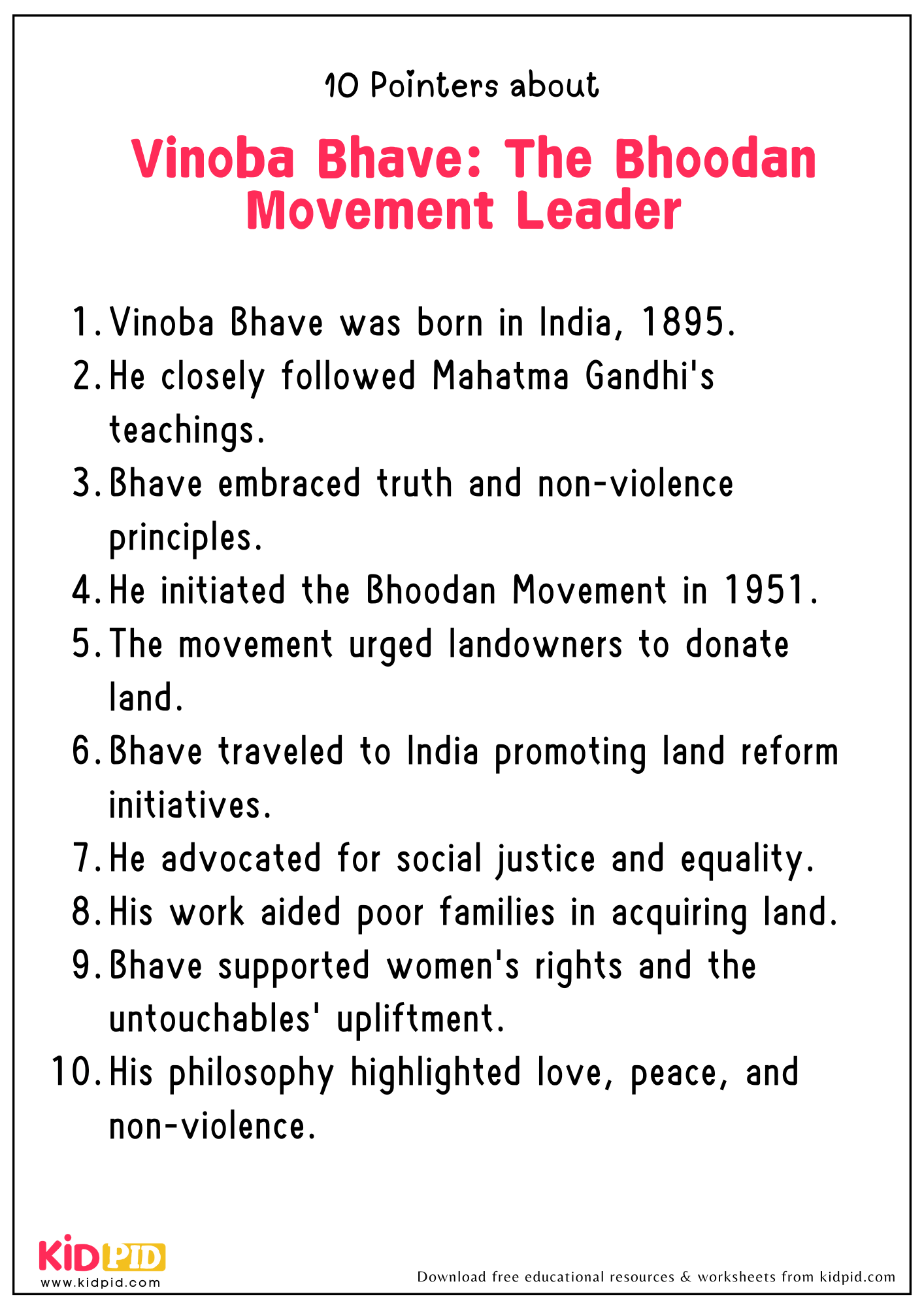
Vinoba Bhave, a Gandhian disciple born in 1895, championed non‑violence and human dignity. He launched the Bhoodan and Gramdan movements, inspiring voluntary land reform and spiritual social justice.