The human body is an amazing and complex system that helps us live, move, and do everything we enjoy. Dr. Binocs takes us on an exciting journey inside our body to understand how it works. From the bones to the brain, the human body is full of surprises!
- What is the human body: The human body is made up of different parts that work together.
It includes organs like the heart, brain, lungs, and stomach. - How does our body work: Our body has a skeleton made of bones that help us stand and move.
The heart pumps blood to every part of the body, keeping us alive.
The brain helps us think, learn, and control our actions. - How do our senses work: We have five senses: sight, hearing, taste, touch, and smell.
These senses help us experience and understand the world around us. - Fun facts about the body: Our bones are strong and protect important organs like the brain and heart.
Our skin is the largest organ and protects us from the outside world.
Contents
- Discover the Human Body
- Related MCQ’s
- 1. What is the most important role of blood in the body?
- 2. What determines your blood type?
- 3. What is the Rh factor in blood?
- 4. Why do blood types matter in transfusions?
- 5. What causes high blood pressure?
- 6. What happens during low blood pressure?
- 7. What helps wounds heal faster?
- 8. What are hormones responsible for in the body?
- 9. What does the immune system do?
- 10. What can happen if the immune system is weak?
- You may like these:
Discover the Human Body

Related MCQ’s
1. What is the most important role of blood in the body?
a) To make your skin glow
b) To carry oxygen and nutrients
c) To help you breathe
d) To protect you from the cold
Answer: b) To carry oxygen and nutrients
Explanation: Blood carries oxygen and nutrients throughout the body, keeping it alive and healthy.
2. What determines your blood type?
a) The shape of your blood cells
b) The proteins and antigens in your blood cells
c) The amount of blood in your body
d) The color of your blood
Answer: b) The proteins and antigens in your blood cells
Explanation: Your blood type is determined by the presence or absence of certain antigens (A and B) in your red blood cells.
3. What is the Rh factor in blood?
a) A type of white blood cell
b) A protein in red blood cells that can make the blood positive or negative
c) A type of antibody in the blood
d) A special kind of blood vessel
Answer: b) A protein in red blood cells that can make the blood positive or negative
Explanation: The Rh factor is a protein in the red blood cells that determines if blood is Rh positive or Rh negative.
[/showhide]4. Why do blood types matter in transfusions?
a) To make sure the blood is the same color
b) To prevent the immune system from attacking the blood
c) To make sure the blood is fresh
d) To make the body stronger
Answer: b) To prevent the immune system from attacking the blood
Explanation: Matching blood types in transfusions is crucial because if they don’t match, the immune system will attack the new blood.
5. What causes high blood pressure?
a) A lack of water in the body
b) A higher salt intake and stress
c) Not eating enough food
d) Playing too much sports
Answer: b) A higher salt intake and stress
Explanation: High blood pressure can be caused by a high intake of salt, stress, and other unhealthy lifestyle habits.
6. What happens during low blood pressure?
a) Your blood vessels become stronger
b) Your blood pressure is too high
c) Your blood pressure drops too low
d) Your heart stops beating
Answer: c) Your blood pressure drops too low
Explanation: Low blood pressure happens when both systolic and diastolic pressure are lower than normal levels.
7. What helps wounds heal faster?
a) Drinking lots of soda
b) Using healing creams all the time
c) Your body’s immune system and blood clotting
d) Resting for one day
Answer: c) Your body’s immune system and blood clotting
Explanation: The body quickly starts healing by stopping the bleeding, preventing infection, and creating new skin layers.
8. What are hormones responsible for in the body?
a) Helping you digest food
b) Carrying oxygen in the blood
c) Regulating growth, sleep, and many other body functions
d) Helping you move muscles
Answer: c) Regulating growth, sleep, and many other body functions
Explanation: Hormones help control various body processes like growth, mood, metabolism, and more.
9. What does the immune system do?
a) Keeps you warm
b) Protects you from germs and infections
c) Helps you digest food
d) Controls your movements
Answer: b) Protects you from germs and infections
Explanation: The immune system fights off harmful germs like viruses and bacteria to keep you safe.
10. What can happen if the immune system is weak?
a) You get stronger
b) You can get sick more easily
c) You can grow taller
d) You can run faster
Answer: b) You can get sick more easily
Explanation: A weak immune system can’t protect the body as well, making it easier to get sick.
You may like these:
Label The Parts of Human Heart Worksheet


Educational worksheet for kids to label the different parts of the human heart. A fun way to learn about heart anatomy and function.
Cell Structure and Functions
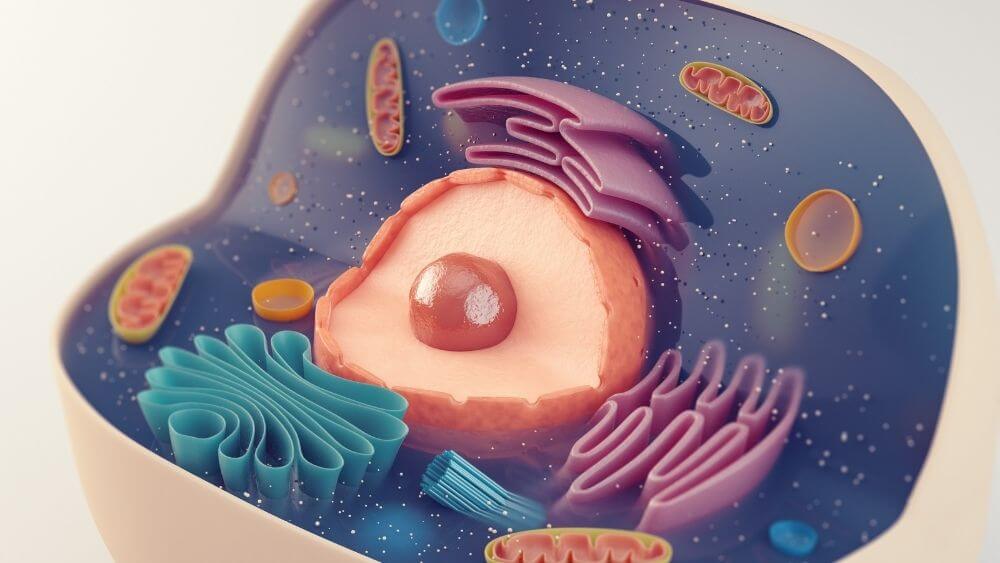

Educational worksheet to explore cell structures and their functions. Helps kids understand the role of organelles in plant and animal cells.
Why is Blood Red?
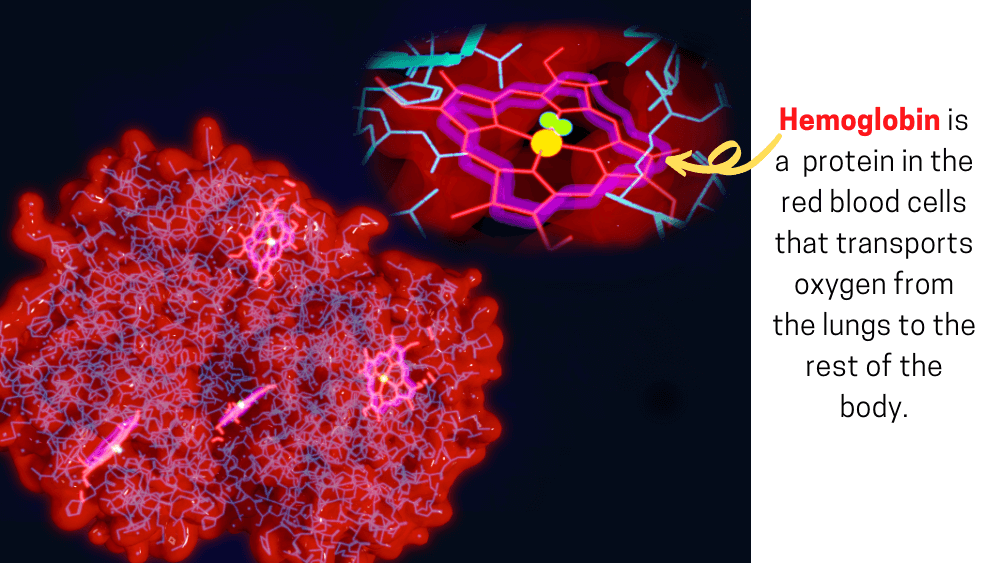
Fun worksheet explaining why blood is red. Kids learn about hemoglobin and how it carries oxygen, making blood appear red in color.