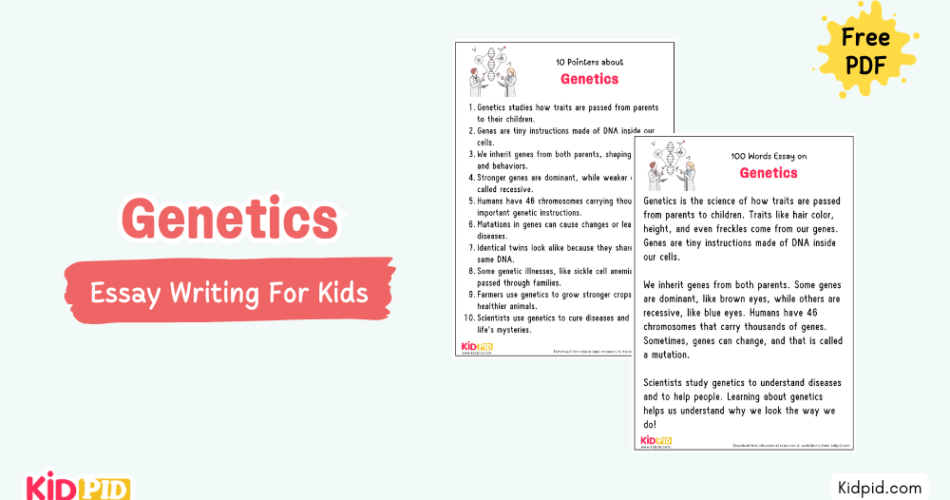
Genetics is the study of how traits like eye color, height, or hair type are passed from parents to children. It helps us understand how living things grow and change. This essay on genetics includes 10 key points and simple questions to explain the basics of genes and heredity.
Contents
10 Pointers About Genetics 

- Genetics studies how traits are passed from parents to their children.
- Genes are tiny instructions made of DNA inside our cells.
- We inherit genes from both parents, shaping looks and behaviors.
- Stronger genes are dominant, while weaker ones are called recessive.
- Humans have 46 chromosomes carrying thousands of important genetic instructions.
- Mutations in genes can cause changes or lead to diseases.
- Identical twins look alike because they share the same DNA.
- Some genetic illnesses, like sickle cell anemia, are passed through families.
- Farmers use genetics to grow stronger crops and healthier animals.
- Scientists use genetics to cure diseases and solve life’s mysteries.
Short Essay On Genetics
Essay On Genetics in 100 Words
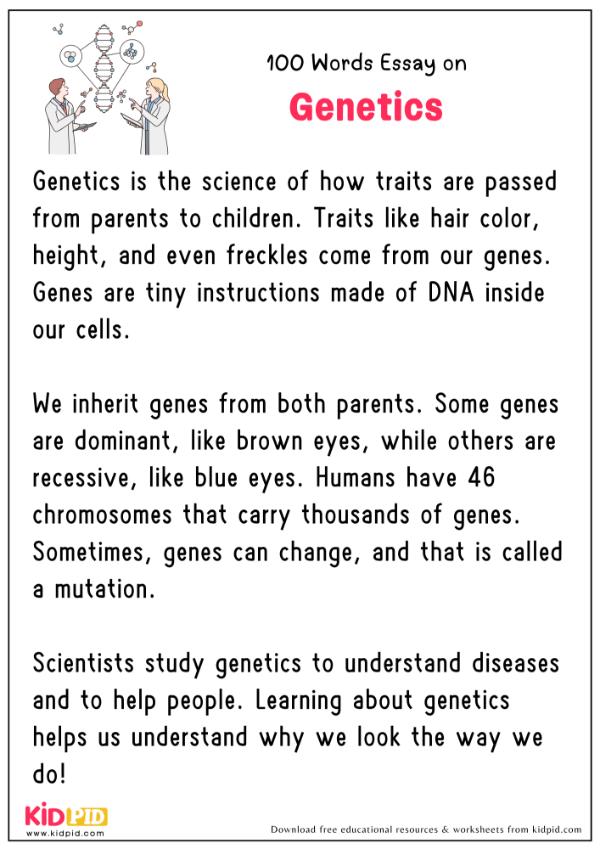
Genetics is the science of how traits are passed from parents to children. Traits like hair color, height, and even freckles come from our genes. Genes are tiny instructions made of DNA inside our cells. We inherit genes from both parents. Some genes are dominant, like brown eyes, while others are recessive, like blue eyes. Humans have 46 chromosomes that carry thousands of genes. Sometimes, genes can change, and that is called a mutation. Scientists study genetics to understand diseases and to help people. Learning about genetics helps us understand why we look the way we do!
Essay On Genetics in 200 Words
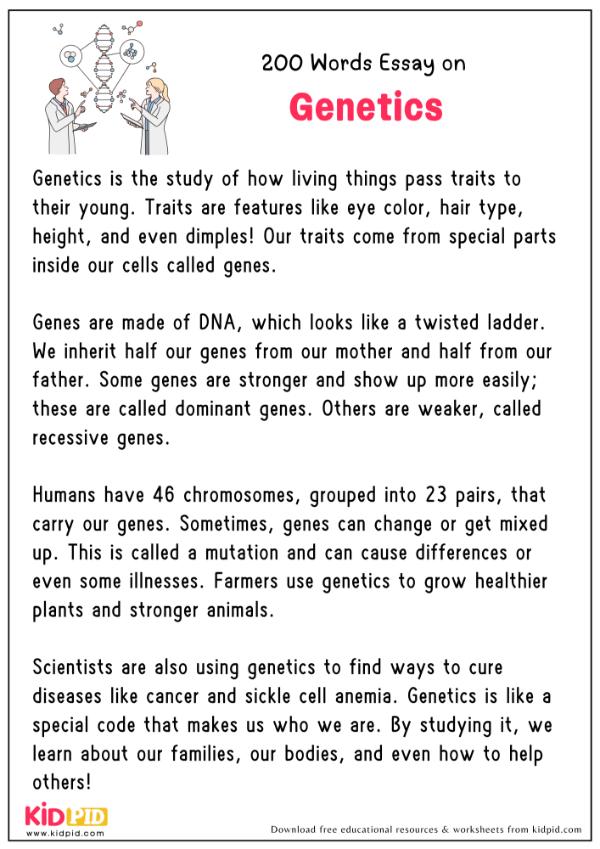
Genetics is the study of how living things pass traits to their young. Traits are features like eye color, hair type, height, and even dimples! Our traits come from special parts inside our cells called genes. Genes are made of DNA, which looks like a twisted ladder. We inherit half our genes from our mother and half from our father. Some genes are stronger and show up more easily; these are called dominant genes. Others are weaker, called recessive genes.
Humans have 46 chromosomes, grouped into 23 pairs, that carry our genes. Sometimes, genes can change or get mixed up. This is called a mutation and can cause differences or even some illnesses.
Farmers use genetics to grow healthier plants and stronger animals. Scientists are also using genetics to find ways to cure diseases like cancer and sickle cell anemia. Genetics is like a special code that makes us who we are. By studying it, we learn about our families, our bodies, and even how to help others!
Essay On Genetics in 300 Words
Genetics is the branch of science that explains how traits are passed from parents to children. Traits are features such as eye color, skin color, hair type, height, and even whether you can roll your tongue! These traits come from genes, tiny pieces of information found inside our cells. Genes are made of something called DNA, which looks like a twisted ladder.
We inherit genes from both of our parents—half from our mom and half from our dad. That’s why we might have Dad’s nose and Mom’s smile! Some genes are dominant, meaning they are more likely to show up, while others are recessive and can stay hidden unless both parents pass them down.
Humans have 46 chromosomes that carry our genes. These chromosomes come in 23 pairs. Sometimes, changes called mutations happen in genes. Mutations can cause new traits or sometimes lead to illnesses.
Genetics is not just about people. Farmers use genetics to grow better fruits, vegetables, and stronger animals. Scientists also use genetics to study diseases and find new cures.
Learning about genetics helps us understand why we are unique. It also teaches us how living things grow, change, and survive. Genetics is like the instruction book of life!
Long Essay On Genetics in 500 Words
Introduction
Genetics is the science that studies how traits are passed from parents to children. Traits are things like hair color, eye shape, height, and even how fast you can run! Genetics helps us understand why we look and act the way we do.
Genes
Genes are tiny pieces of information inside every cell in our bodies. They are made of DNA, which looks like a twisted ladder called a double helix. DNA carries all the instructions needed to make you, you! Genes decide things like what color your eyes will be or if you will have curly hair.
The Science of Inherited Traits
We inherit half of our genes from our mother and half from our father. That’s why we sometimes look like a mix of both parents! Some genes are dominant, meaning they show up more easily, while recessive genes might stay hidden unless both parents have them. For example, brown eyes are usually dominant, while blue eyes are recessive.
Chromosomes and Mutations
Genes are packed into structures called chromosomes. Humans have 46 chromosomes, or 23 pairs, in each cell. Sometimes, a small change called a mutation can happen in a gene. Some mutations cause small changes, like different colored hair, but others can lead to diseases like sickle cell anemia.
The Role of Genetics in Our Well-Being
Farmers use genetics to grow bigger fruits and healthier animals. Scientists study genetics to understand and cure diseases. They are working on ways to fix genes that cause illnesses, which could help many people live longer and healthier lives.
Conclusion
Genetics teaches us how traits are passed down and how we are all unique. It also shows us how important our genes are for our health and future. Studying genetics opens doors to solving big problems and making the world a better place!


FAQs on Genetics
Q1. What is genetics?
Ans. Genetics is the science of how traits are passed from parents to children.
Q2. What are traits?
Ans. Traits are features like hair color, height, and eye color.
Q3. What are genes made of?
Ans. Genes are made of DNA.
Q4. How many chromosomes do humans have?
Ans. Humans have 46 chromosomes, grouped into 23 pairs.
Q5. What are dominant genes?
Ans. Dominant genes are stronger genes that show up more easily.
Q6. What are recessive genes?
Ans. Recessive genes are weaker and stay hidden unless both parents pass them down.
Q7. What is a mutation?
Ans. A mutation is a change in a gene.
Q8. How do farmers use genetics?
Ans. Farmers use genetics to grow better plants and healthier animals.
Q9. How does studying genetics help scientists?
Ans. It helps scientists understand and cure diseases.
Q10. Why is genetics important to us?
Ans. Genetics helps us understand why we are unique and how to stay healthy.
Genetics helps us learn how traits are passed through families. It plays a big role in health, growth, and biology, making it important for science and everyday life. Discover a wide range of paragraphs, essays, worksheets, flashcards, Quizzes, and other interactive resources. Don’t forget to follow us on YouTube & Facebook.
You might also like
Essay – Harlem Renaissance


This essay on the Harlem Renaissance explores a vibrant cultural movement from the 1920s. It highlights the rise of African American writing, art, jazz, and pride in identity, shaping history and equality
Essay – Wright Brothers
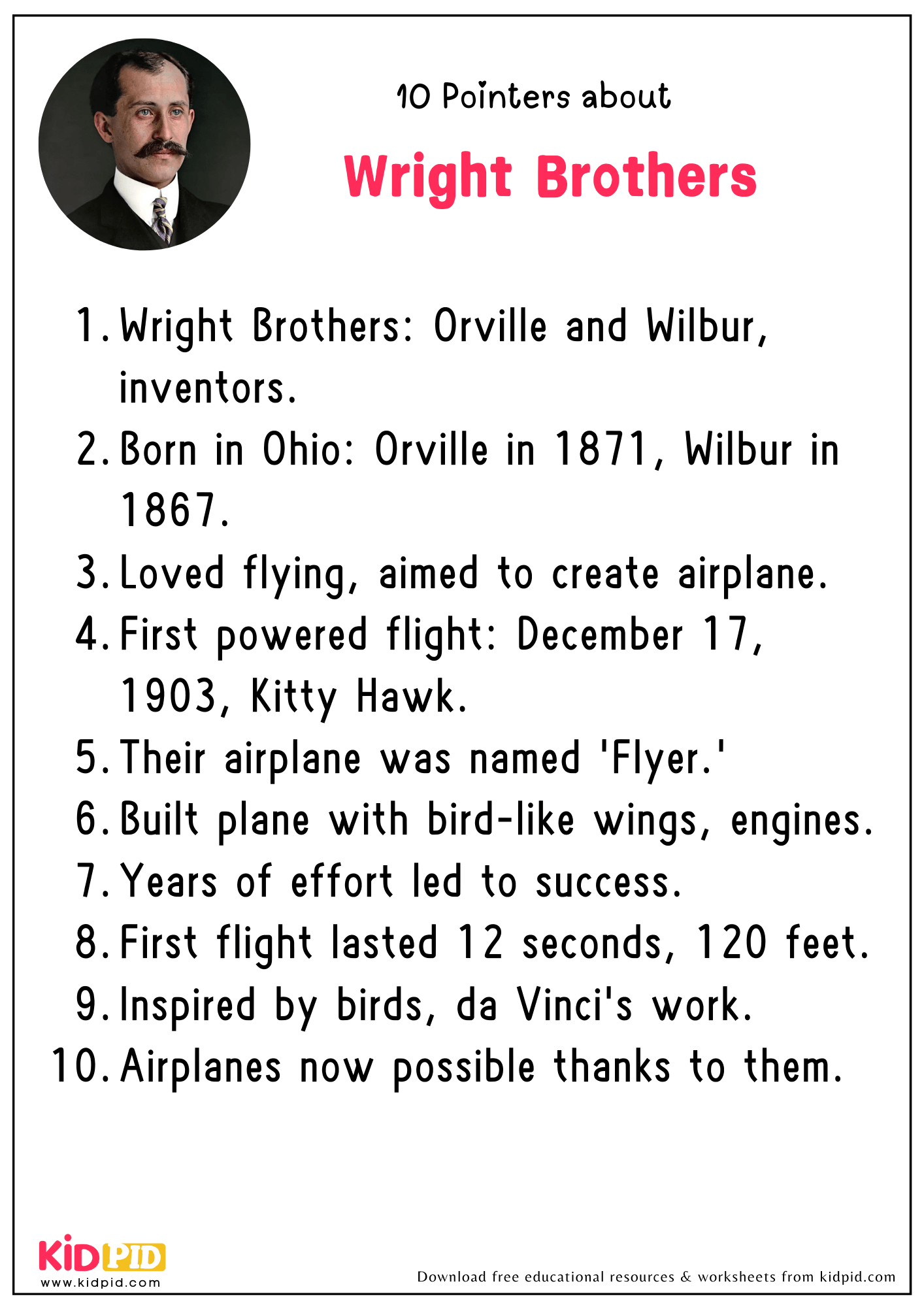

This essay on the Wright Brothers tells the inspiring story of two American aviation pioneers who built and flew the first powered airplane. It highlights their experiments, teamwork, and how they changed flight and travel forever.
Essay – Ella Fitzgerald


This essay on Ella Fitzgerald shares the life of a legendary jazz singer. It highlights her incredible voice, vocal range, and how she became a shining star who inspired generations with music and talent.
Essay – Geraldine Ferraro
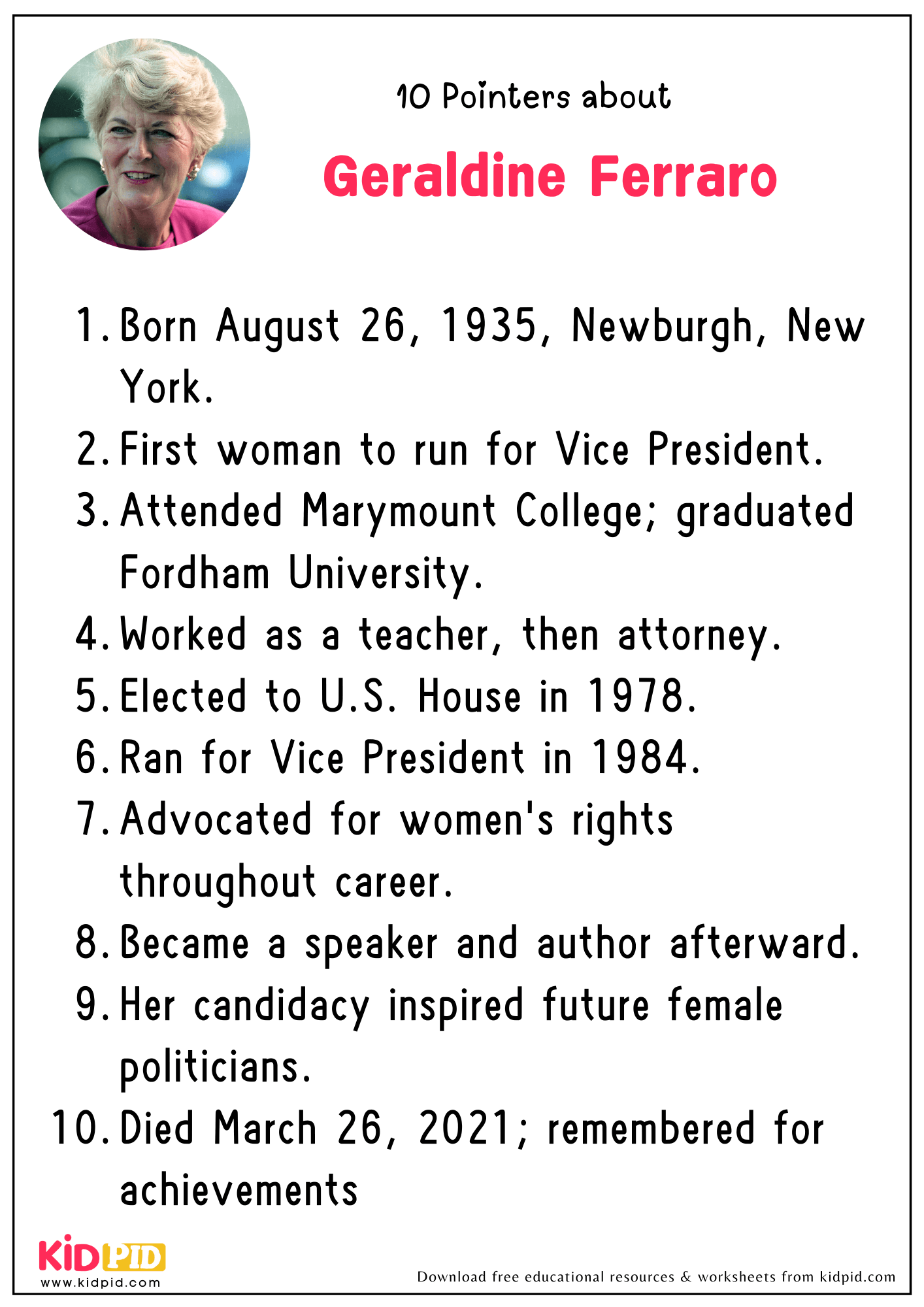
This essay on Geraldine Ferraro shares the story of a trailblazing American politician. It highlights her role as the first female vice-presidential candidate, her dedication to justice, and her impact on women’s leadership.
Essay – Ferdinand Magellan

This essay on Ferdinand Magellan explores the life of a famous explorer. It highlights his daring voyage, becoming the first to sail around the world, and his impact on navigation and discovery.