Heat energy is a form of energy we feel as warmth. It flows from hotter objects to cooler ones, helping us cook food, warm our homes, and stay comfortable. The Sun, heaters, stoves, and fire are common sources of heat energy. Understanding heat helps us know how energy works around us.
[Scroll Down for Download Link]
Contents
Exploring Heat Energy and Its Practical Uses
Read More: Why is it Important to Conserve Energy? [Quiz Inside]
Most people have some knowledge about heat.
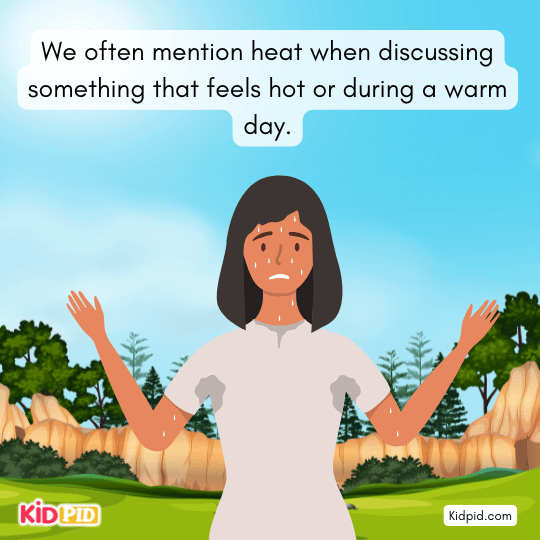
We often mention heat when discussing something that feels hot or during a warm day.

To truly understand heat, we need to explore energy.
Energy is about how tiny pieces called particles move.
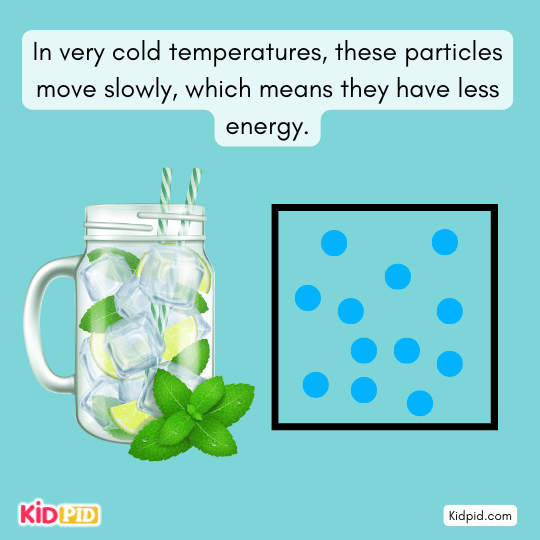
In very cold temperatures, these particles move slowly, which means they have less energy.
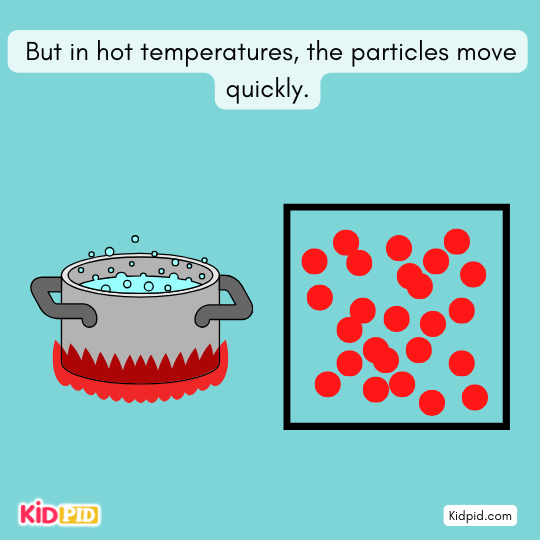
But in hot temperatures, the particles move quickly.
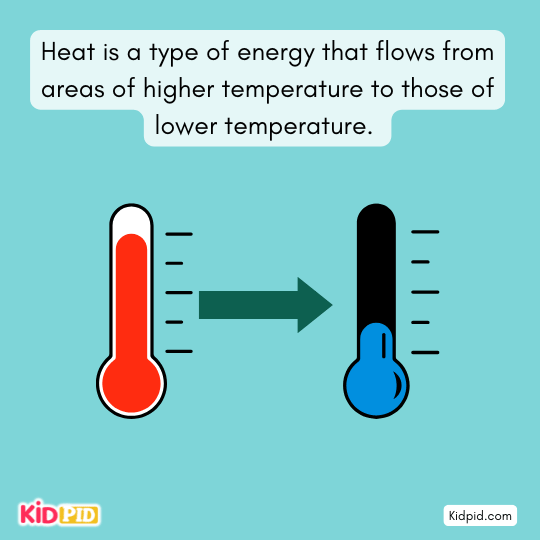
Heat is a type of energy that flows from areas of higher temperature to those of lower temperature.
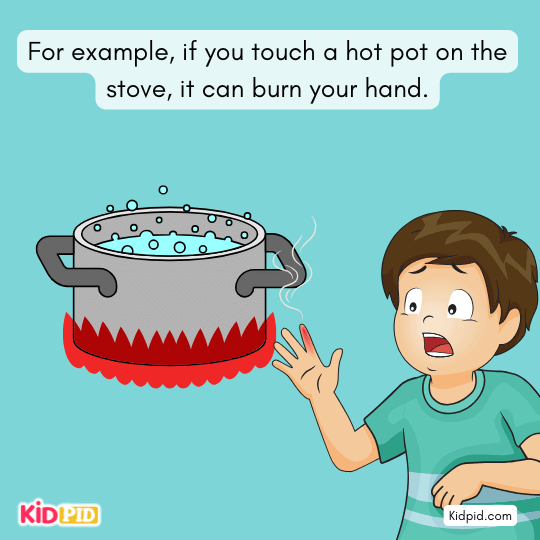
For example, if you touch a hot pot on the stove, it can burn your hand.
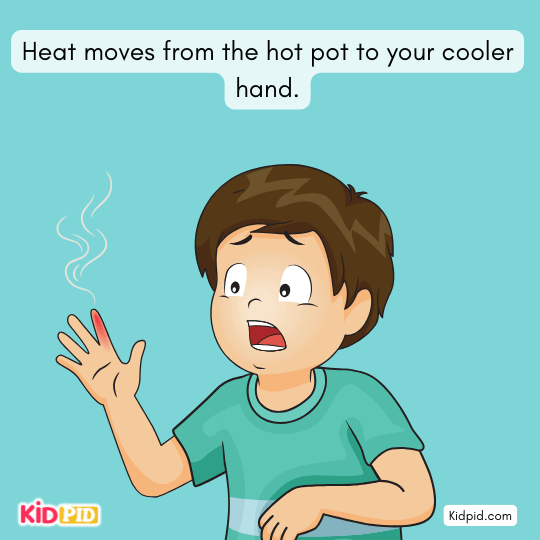
Heat moves from the hot pot to your cooler hand.
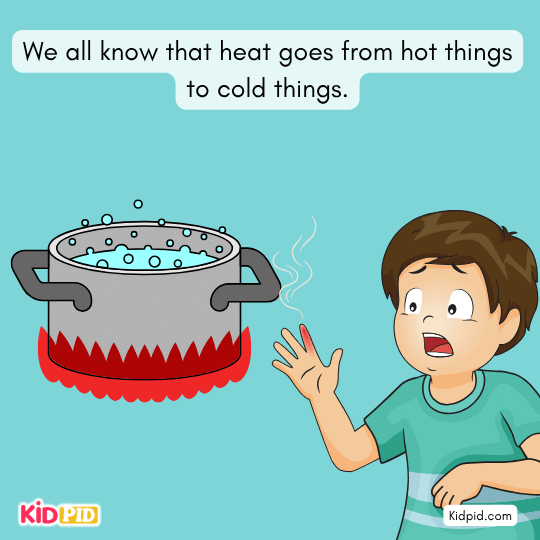
We all know that heat goes from hot things to cold things.
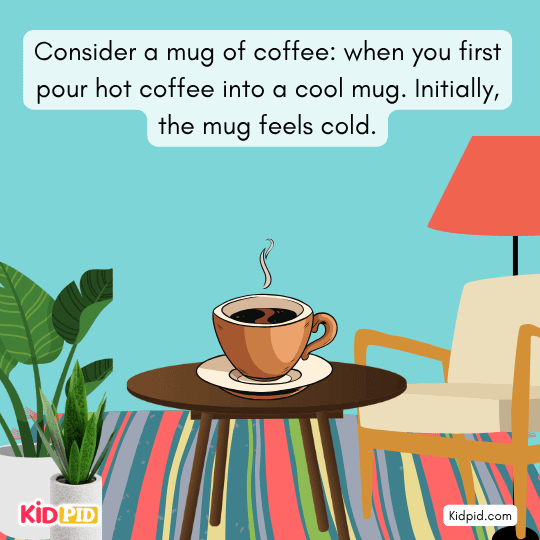
Consider a mug of coffee: when you first pour hot coffee into a cool mug. Initially, the mug feels cold.

It becomes warmer as it absorbs heat from the coffee.
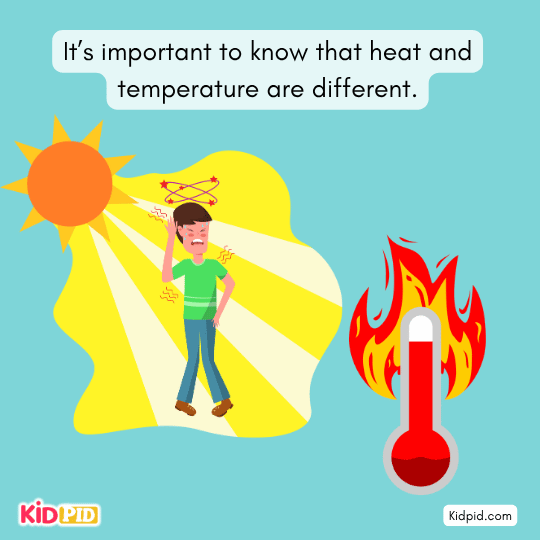
It’s important to know that heat and temperature are different.
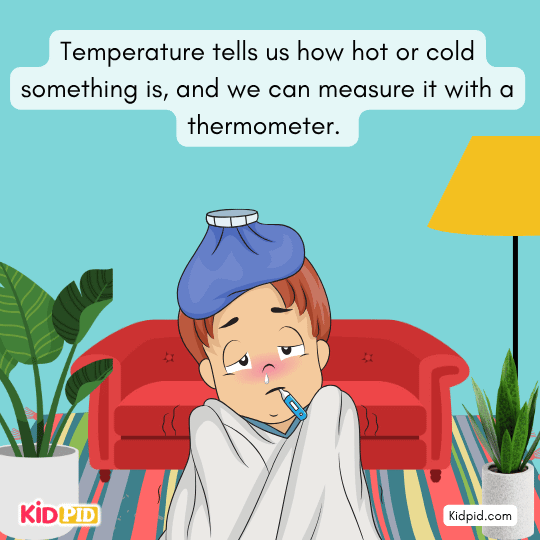
Temperature tells us how hot or cold something is, and we can measure it with a thermometer.
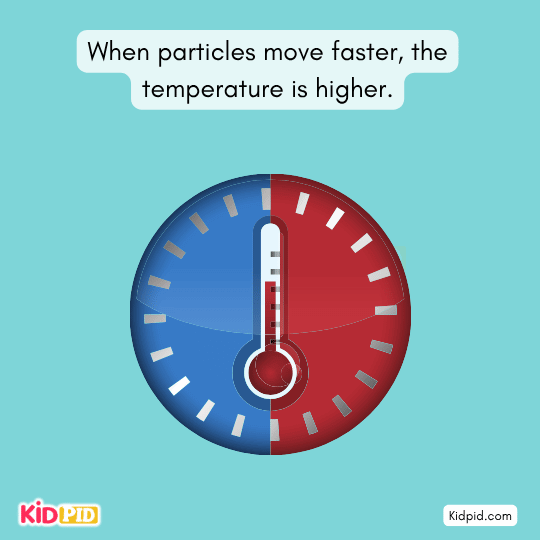
When particles move faster, the temperature is higher.
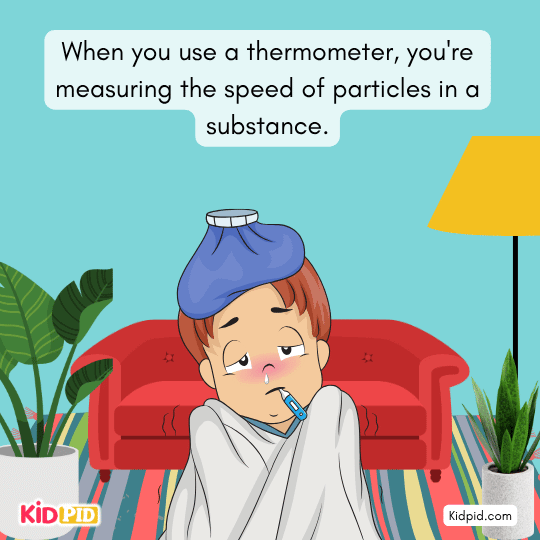
When you use a thermometer, you’re measuring the speed of particles in a substance.
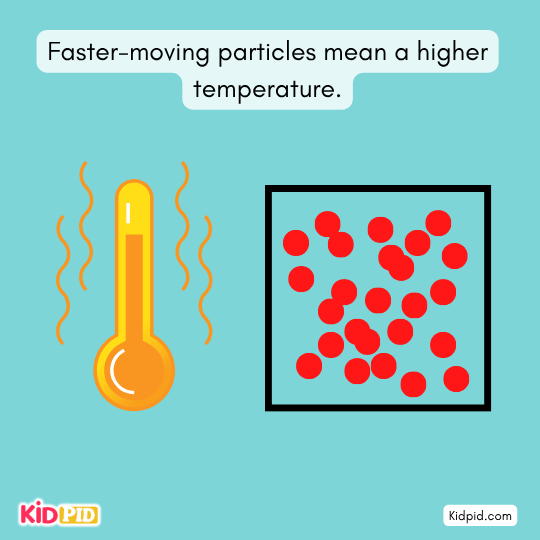
Faster-moving particles mean a higher temperature.
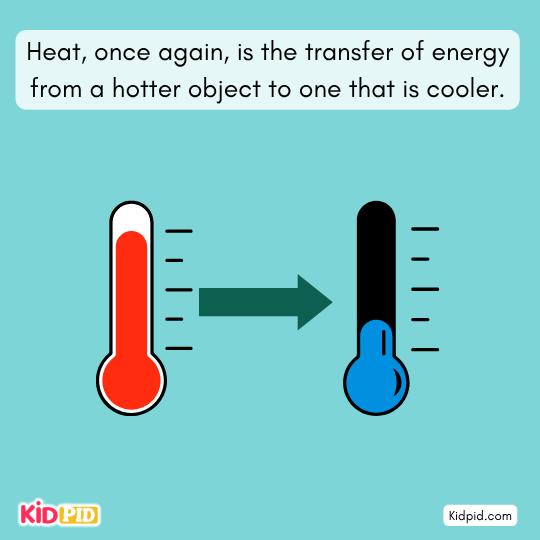
Heat, once again, is the transfer of energy from a hotter object to one that is cooler.
Heat is crucial for life. Without the Sun’s light and heat, we couldn’t live on Earth!
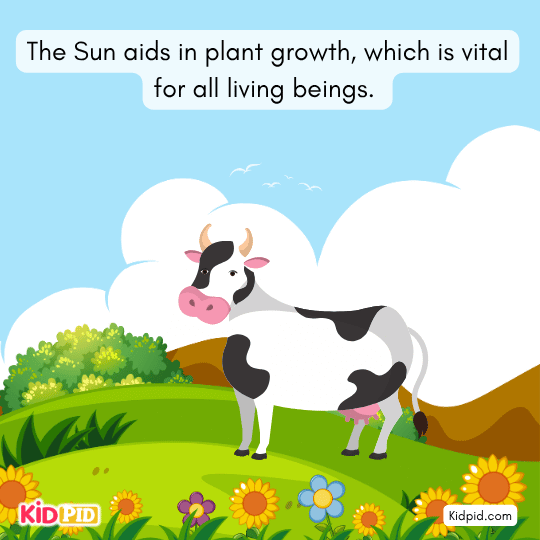
The Sun aids in plant growth, which is vital for all living beings.

We use heaters to warm the air in our homes and schools.
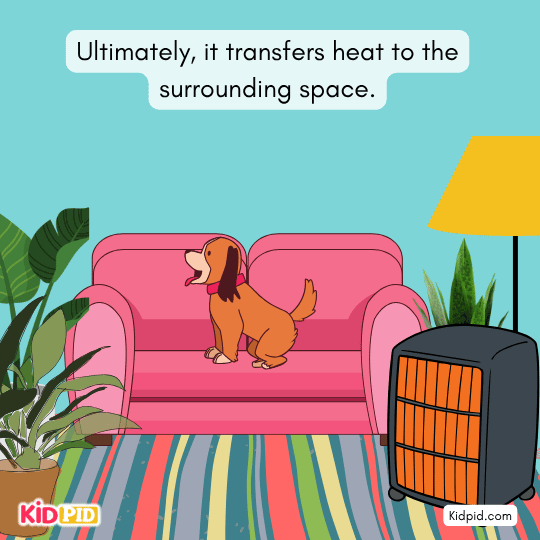
Ultimately, it transfers heat to the surrounding space.
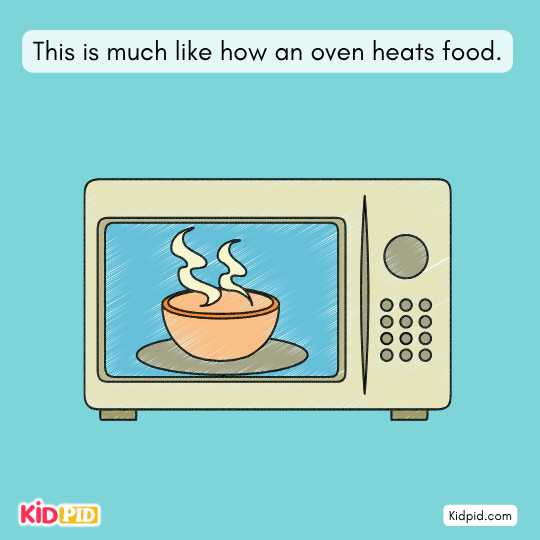
This is much like how an oven heats food.
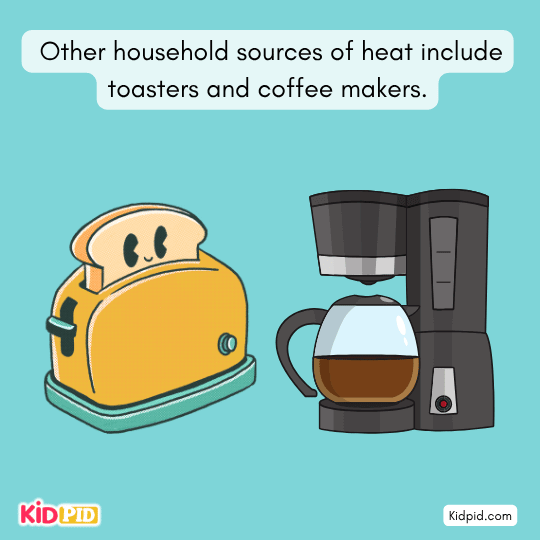
Other household sources of heat include toasters and coffee makers.
Can you think of any other source of heat energy?
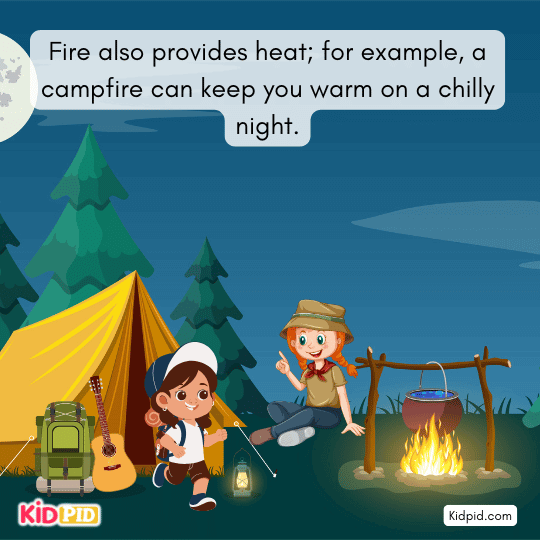
Fire also provides heat; for example, a campfire can keep you warm on a chilly night.
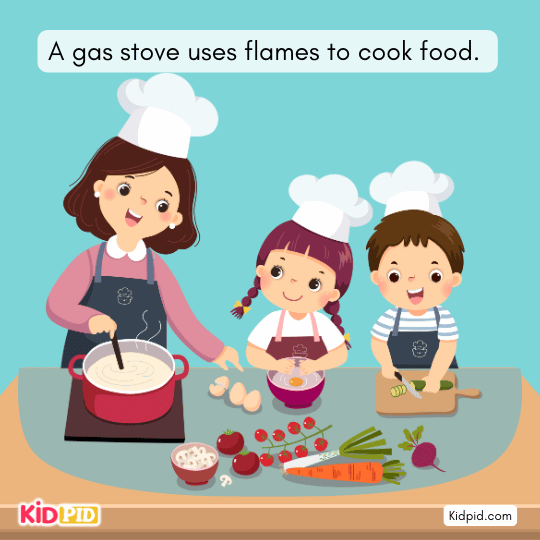
A gas stove uses flames to cook food.
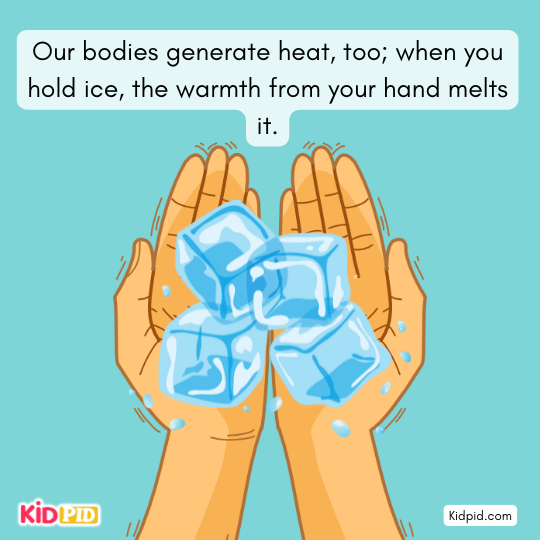
Our bodies generate heat, too; when you hold ice, the warmth from your hand melts it.
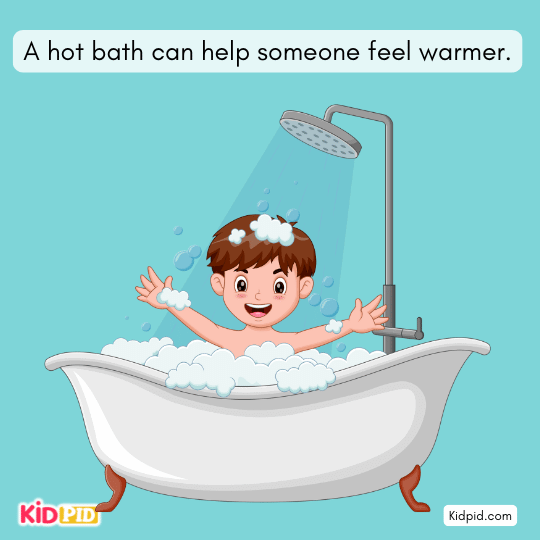
A hot bath can help someone feel warmer.
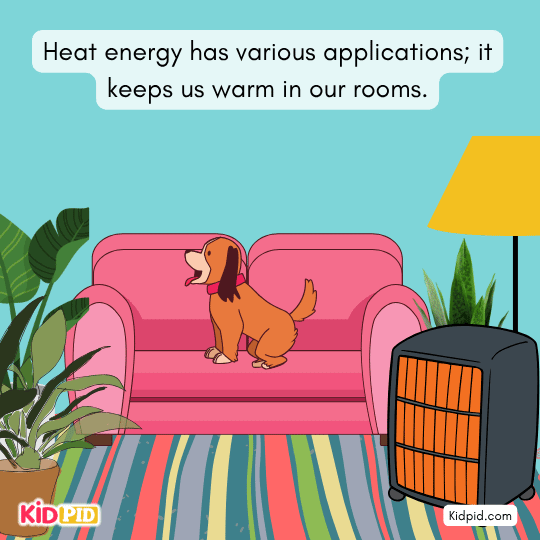
Heat energy has various applications; it keeps us warm in our rooms.
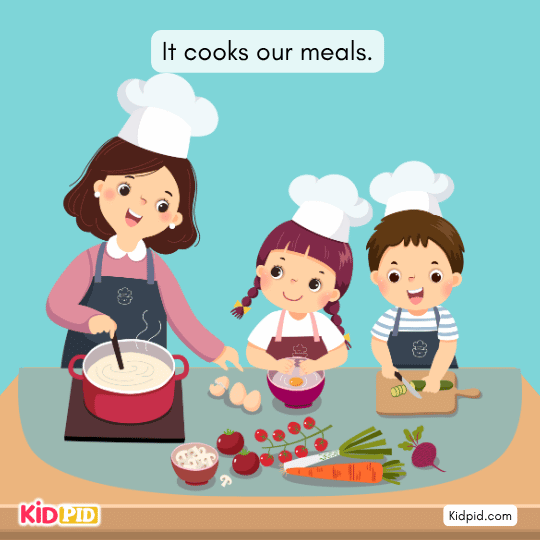
It cooks our meals.
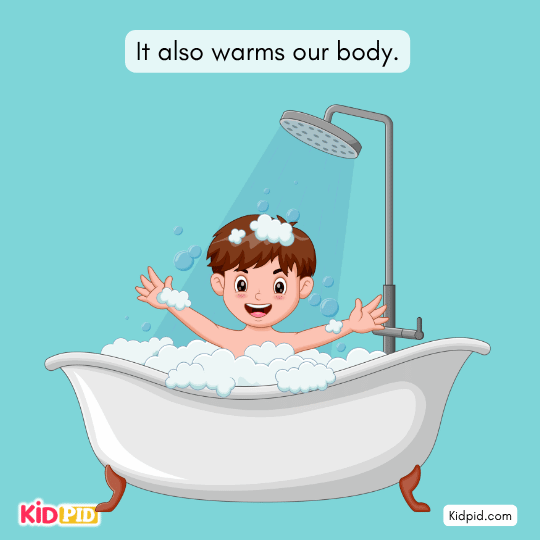
It also warms our body.
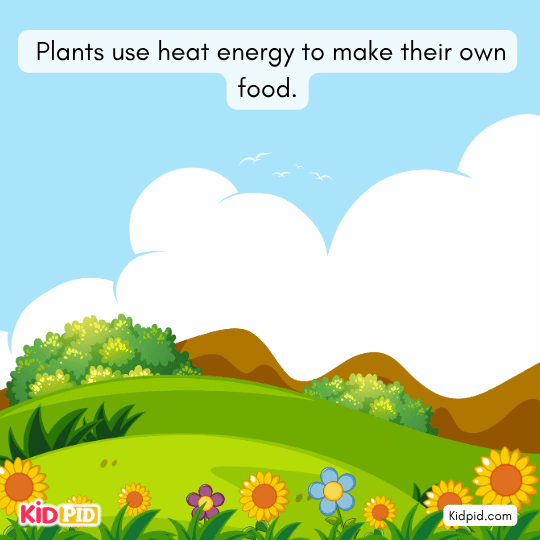
Plants use heat energy to make their own food.
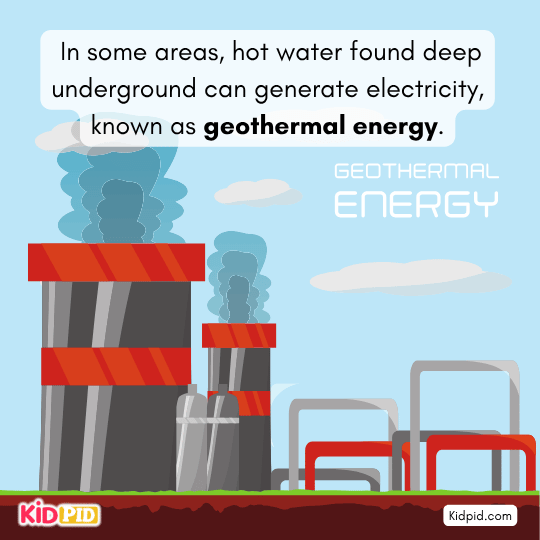
In some areas, hot water found deep underground can generate electricity, known as geothermal energy.
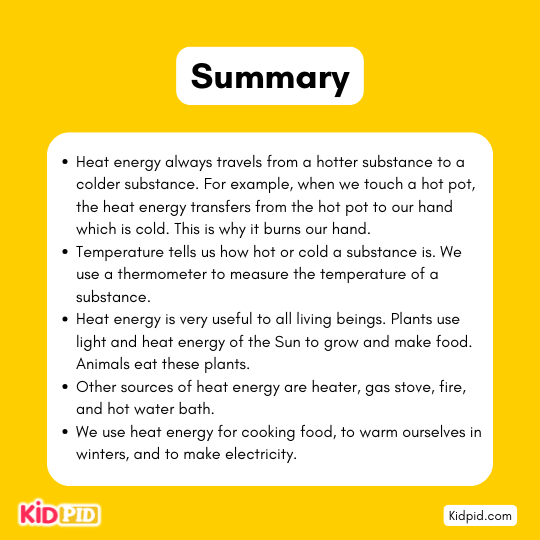
Summary
- Heat energy always travels from a hotter substance to a colder substance. For example, when we touch a hot pot, the heat energy transfers from the hot pot to our hand which is cold hand. This is why it burns our hands.
- Temperature tells us how hot or cold a substance is. We use a thermometer to measure the temperature of a
substance. - Heat energy is very useful to all living beings. Plants use the light and heat energy of the Sun to grow and make food. Animals eat these plants.
- Other sources of heat energy are a heater, a gas stove, a fire, and a hot water bath.
- We use heat energy for cooking food, to warm ourselves in
winter, and to make electricity.
In conclusion, heat energy plays an important role in our daily life. It helps plants grow, cooks our food, warms our surroundings, and even generates electricity in some places. From the Sun to household appliances, heat energy is everywhere, making life comfortable, safe, and full of exciting discoveries for all of us. You can find more free worksheets and books on Kidpid! Make daily practice a part of your routine to boost your learning. Don’t forget to follow us on Facebook, Pinterest, YouTube & Telegram. You’re also welcome to request free printables in our Telegram group. Thank you for being with us—keep exploring and learning!

You may like this:
Heat Vocabulary Word Wall Flashcards
Engaging heat vocabulary flashcards for kids: bright, word‑wall cards teaching terms like conduction, convection, insulation, thermometer, and ignition—boosting science literacy, spelling skills, and temperature awareness through visual, hands‑on learning.
Paragraph on ‘What is Energy?’

A simple, child-friendly paragraph explaining what energy is: it’s the power that lets things move, work, and live—from walking and running to machines and sunlight powering our world.
Heat & Temperature
A colorful, kid‑friendly article explaining heat vs. temperature: introduces heat as energy transfer, and temperature as a number measuring hot or cold—using relatable stories to make thermal science fun for young learners.
Paragraph on ‘The Benefits of Renewable Energy’

A clear, educational paragraph on the benefits of renewable energy: explains how solar, wind, and water power provide clean, sustainable electricity, reduce pollution, lower costs, create jobs, and protect our planet.
Paragraph on ‘Greenhouse Effect’

A clear, kid‑friendly paragraph on the greenhouse effect explains how greenhouse gases trap the Sun’s heat in Earth’s atmosphere, warming the planet, and highlights causes like CO₂, methane, and human activity.