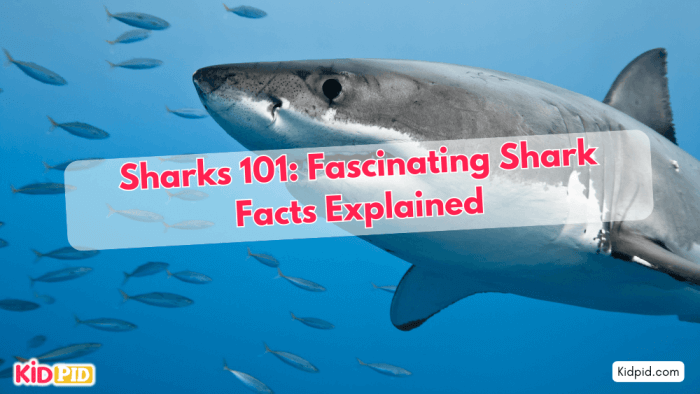
Sharks are one of the most fascinating creatures in the ocean! They are known for their sharp teeth, incredible speed, and role as top predators. Let’s dive in and learn some cool facts about sharks to understand what makes them so special.
- What Are Sharks: Sharks are large fish that live in oceans and seas all over the world. They have been around for millions of years, even before dinosaurs!
- Different Types of Sharks: There are over 500 species of sharks, from small ones like the dwarf lanternshark to big ones like the great white shark. Each type of shark has unique features.
- Sharks’ Amazing Senses: Sharks have excellent senses. They can see well in dark water, hear very high-pitched sounds, and even sense tiny electrical signals made by other creatures.
- Sharks’ Teeth: Sharks have many teeth, and they can lose and grow new ones throughout their lives. Some sharks have up to 30,000 teeth!
- Sharks as Hunters: Sharks are powerful hunters. They have special skills to catch prey like fish and seals. They usually hunt alone but sometimes hunt in groups.
- Not All Sharks Are Dangerous: While some sharks are big and strong, most sharks are not dangerous to humans. They are more interested in their regular food like fish.
- Sharks Are Important: Sharks play an important role in keeping the ocean’s ecosystem healthy. They help control the number of other sea creatures, keeping everything in balance.
- Shark Conservation: Many species of sharks are at risk because of hunting and pollution. It’s important to protect sharks and keep the oceans safe for them.
Contents
- Sharks 101 Fascinating Facts About Sharks
- Related MCQ’s
- 1. When did sharks first appear on Earth?
- 2. What is the largest species of shark?
- 3. What did sharks eat during the age of the Megalodon?
- 4. Which of the following is a myth about sharks?
- 5. What is the smallest species of shark?
- 6. What is the most dangerous shark species?
- 7. How many sharks are estimated to be killed by humans every year?
- You may like these:
Sharks 101 Fascinating Facts About Sharks

Related MCQ’s
1. When did sharks first appear on Earth?
a) 100 million years ago
b) 450 million years ago
c) 50 million years ago
d) 5 million years ago
Answer: b) 450 million years ago
Explanation: Sharks have been around for over 450 million years, making them one of the oldest species on Earth.
2. What is the largest species of shark?
a) Megalodon
b) Whale Shark
c) Great White Shark
d) Hammerhead Shark
Answer: b) Whale Shark
Explanation: The whale shark is the largest shark species, growing up to 40 feet in length, and is not dangerous to humans.
3. What did sharks eat during the age of the Megalodon?
a) Small fish
b) Plankton
c) Whales and dolphins
d) Squids
Answer: c) Whales and dolphins
Explanation: The Megalodon, which was the largest predator in the oceans, ate large animals like whales and dolphins.
4. Which of the following is a myth about sharks?
a) Sharks are very intelligent.
b) Sharks only eat fish and invertebrates.
c) Sharks are always man-eaters.
d) Most sharks have sharp teeth.
Answer: c) Sharks are always man-eaters.
Explanation: It’s a myth that sharks hunt humans deliberately. Most sharks do not eat humans and only bite out of mistaken identity.
5. What is the smallest species of shark?
a) Whale Shark
b) Megalodon
c) Dwarf Lantern Shark
d) Great White Shark
Answer: c) Dwarf Lantern Shark
Explanation: The dwarf lantern shark is the smallest species of shark, measuring only about 7 inches in length.
6. What is the most dangerous shark species?
a) Whale Shark
b) Hammerhead Shark
c) Bull Shark
d) Megalodon
Answer: c) Bull Shark
Explanation: Bull sharks are known to be one of the most dangerous sharks to humans due to their aggressive behavior and ability to swim in both salt and fresh water.
7. How many sharks are estimated to be killed by humans every year?
a) 1 million
b) 10 million
c) 100 million
d) 500,000
Answer: c) 100 million
Explanation: It is estimated that humans kill about 100 million sharks each year, which greatly threatens their survival.
You may like these:
How do sharks find prey?
Sharks use acute senses like smell, electroreception, and vibration detection to locate prey, even from long distances, ensuring efficient hunting in diverse environments.
What If There Were No Sharks?
Without sharks, marine ecosystems would collapse, causing overpopulation of prey species, declining biodiversity, and disrupted food chains, impacting ocean health and human fishing industries.