Light energy is a form of energy that allows us to see the world around us. It comes from both natural sources, like the Sun, and artificial ones, like bulbs. Light helps us in daily life, making it easier to see, work, and enjoy everything around us.
[Scroll Down for Download Link]
Contents
All About Light Energy – Science Journal


Read More: What is Renewable Energy and Why is it Important? [Quiz Inside]
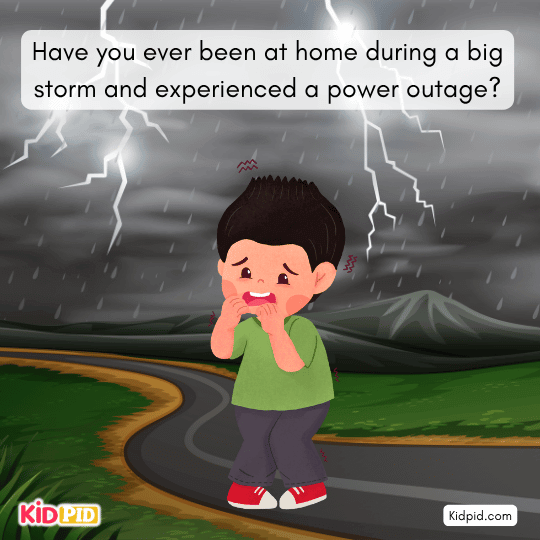
Have you ever been at home during a big storm and experienced a power outage?
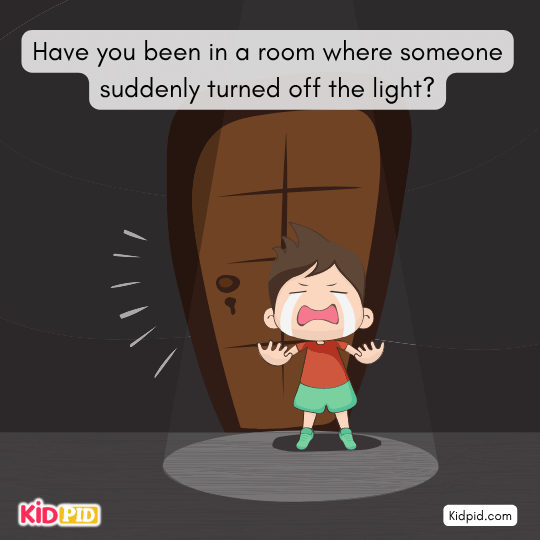
Have you been in a room where someone suddenly turned off the light?
What happens? How did you feel? You may have felt confused because you couldn’t see anything around you.
Light is something we need and use all the time, and we realize its importance when it’s not there.
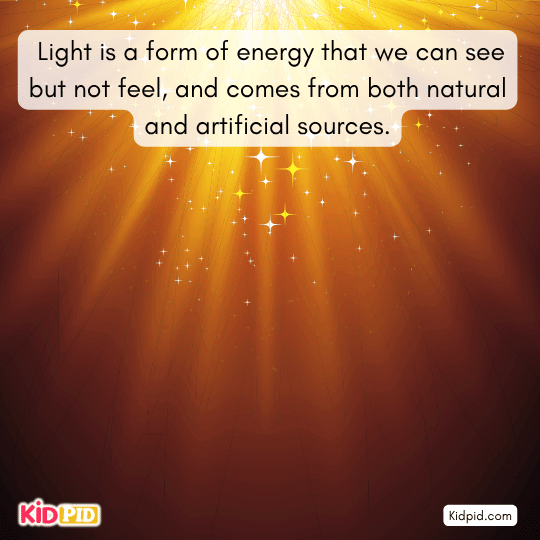
Light is a form of energy that we can see but not feel, and comes from both natural and artificial sources.
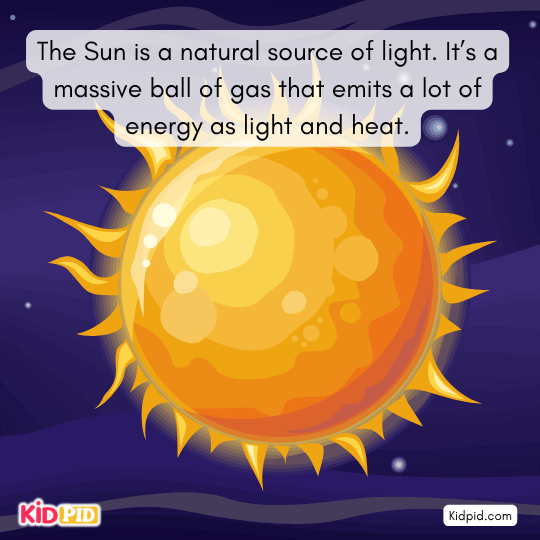
The Sun is a natural source of light. It’s a massive ball of gas that emits a lot of energy as light and heat.
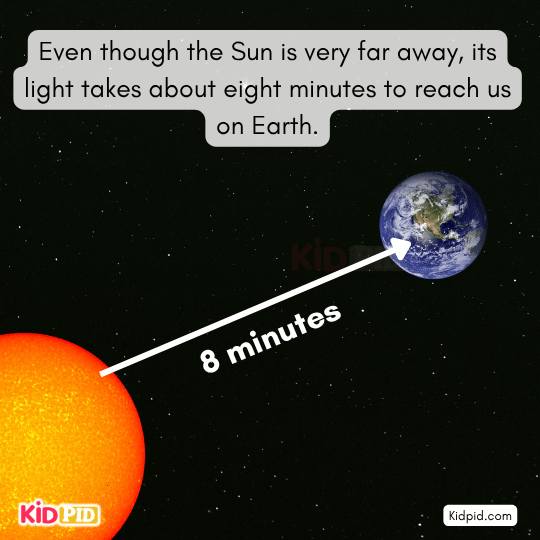
Even though the sun is very far away, its light takes about eight minutes to reach us on Earth.
Sunlight helps us to see everything around us during the day.
It also provides the energy for everything on Earth
What is another natural source of light?
The stars give off light, too. They are like the sun, only much farther away.
What about the moon?
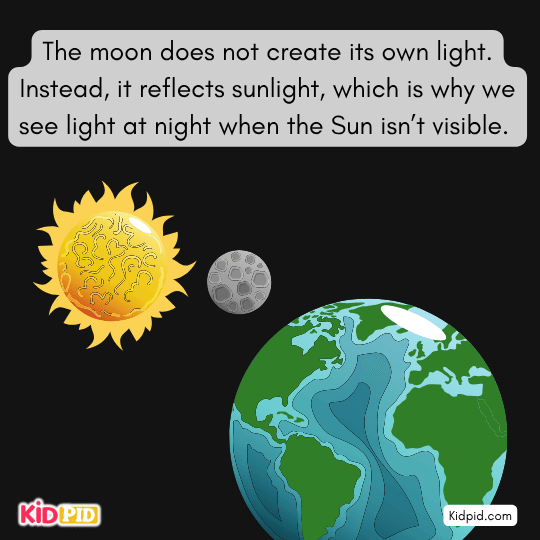
The moon does not create its own light. Instead, it reflects sunlight, which is why we see light at night when it isn’t visible.
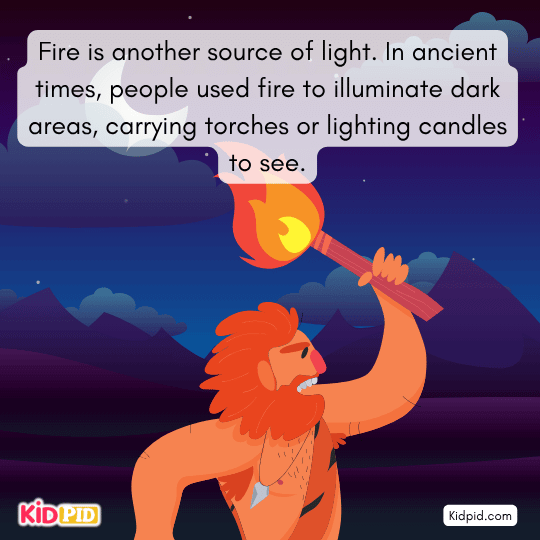
Fire is another source of light. In ancient times, people used fire to illuminate dark areas, carrying torches or lighting candles to see.
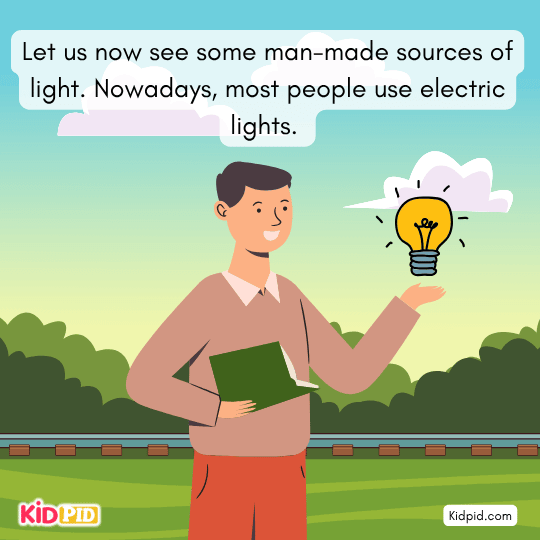
Let us now see some man-made sources of light. Nowadays, most people use electric lights.
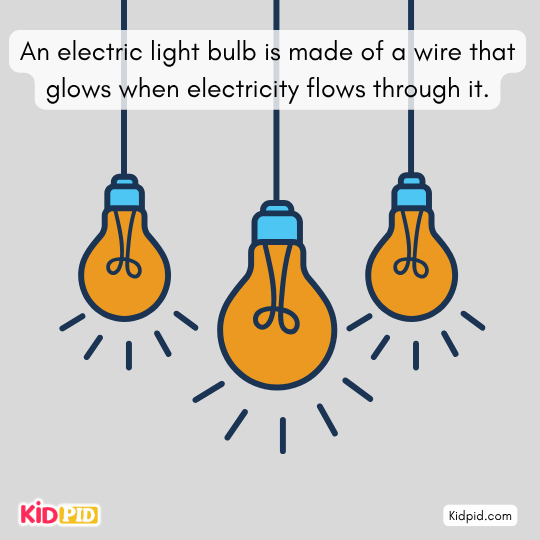
An electric light bulb is made of wire that glows when electricity flows through it.
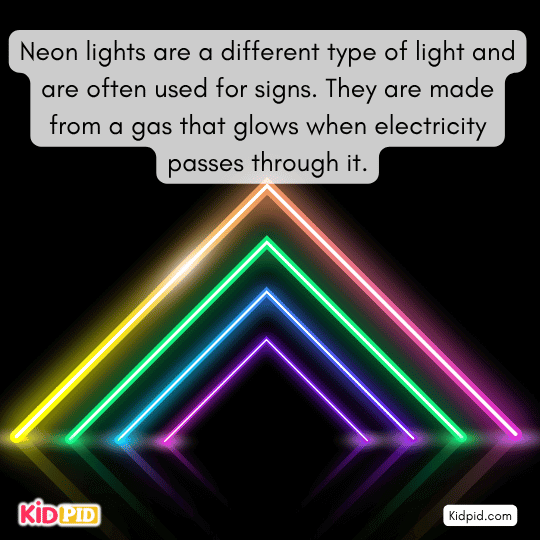
Neon lights are a different type of light and are often used for signs. They are made from a gas that glows when electricity passes through it.
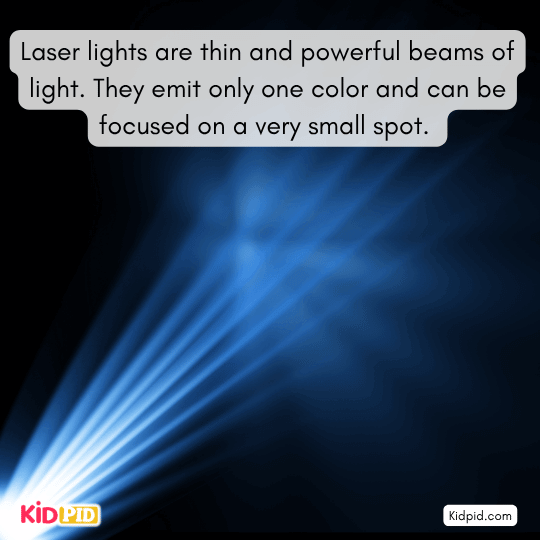
Laser Lights are thin and powerful beams of light. They emit only one color and can be focused on a very small spot.
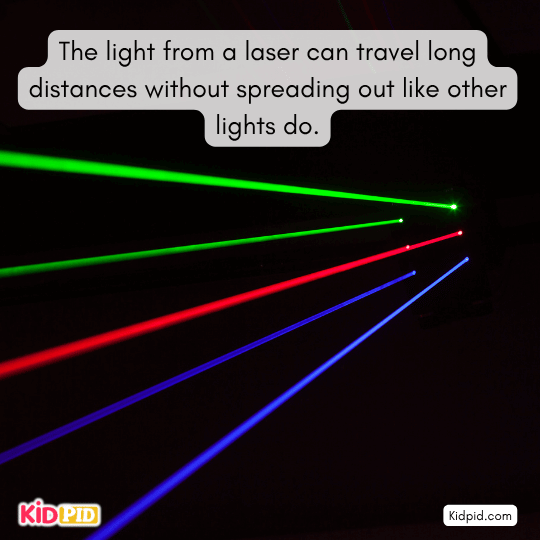
The light from a laser can travel long distances without spreading out like other lights do.
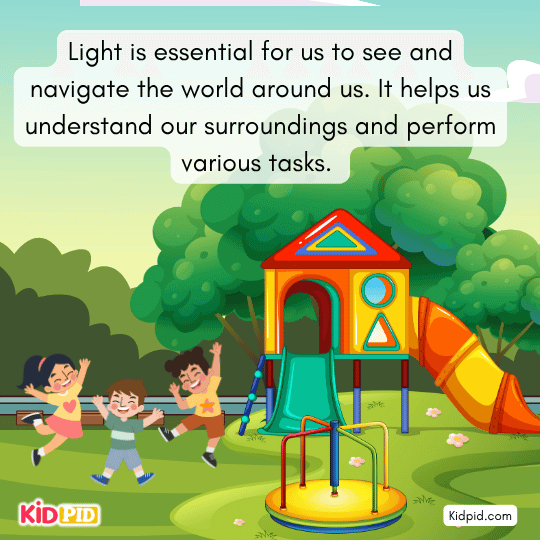
Light is essential for us to see and navigate the world around us. It helps us understand our surroundings and perform various tasks.
So, the next time you experience a power outage or a sudden darkness, you’ll appreciate the importance of light even more.
Summary
- Light is a form of energy.
Our main source of natural light is the Sun. - Few man-made sources of light are electric lights. neon lights and laser lights.
In conclusion, light energy plays an important role in our lives. Without it, we wouldn’t be able to see clearly or perform daily tasks. From the bright Sun to glowing bulbs, light energy surrounds us everywhere. Understanding light helps us appreciate its value and how it makes life better and brighter.

Discover more free worksheets and books on Kidpid! Make daily practice a habit to boost your learning. Stay connected with us on Facebook, Pinterest, YouTube & Telegram. Need free printables? Just ask in our Telegram group. Thanks for your support—keep exploring and learning with us!
You may like this:
Hot, Light & Sound Energy Sources Worksheet for Kindergarten


A fun, interactive worksheet introduces kindergarteners to hot, light, and sound energy sources—kids learn to identify and circle pictures that generate heat, sound, or light, boosting early energy awareness.
Paragraph on ‘The Importance of Wind Energy’


A helpful paragraph on the importance of wind power explains that wind turbines generate clean, renewable electricity, reduce pollution, protect the environment, and emphasize wind as a sustainable, eco‑friendly energy source
Concept of Energy


An engaging, kid-friendly explanation of the concept of energy: defining energy as the capacity to do work, exploring various forms like kinetic, potential, heat, and light, and introducing conservation basics.
Paragraph on ‘Solar Energy’

A clear, kid‑friendly paragraph on solar energy: sunlight converted into electricity via solar panels, offering renewable, clean power that reduces pollution, saves money, and supports a greener, sustainable future.
Light, Shadows, and Reflection
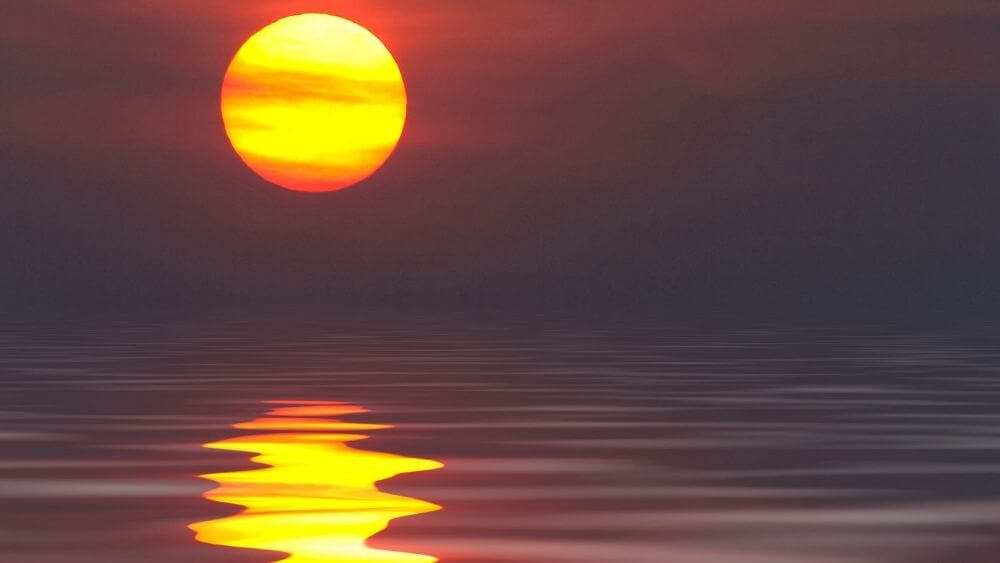

A colorful, kid‑friendly guide explaining light, shadows & reflection: how light from natural and artificial sources travels, creates shadows with opaque objects, and bounces back on reflective surfaces.