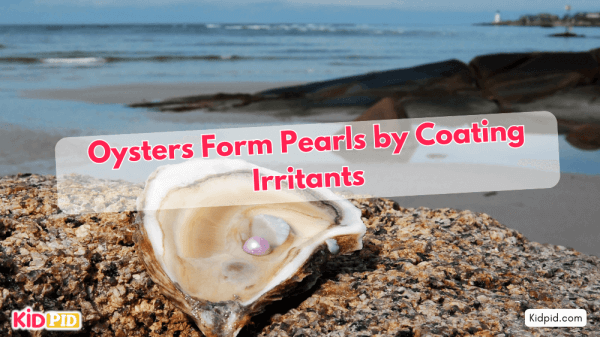
Did you know that oysters can create beautiful pearls? When something bothers them, like a tiny grain of sand, they cover it with smooth layers to protect themselves. Let’s dive into the fascinating world of oysters and how they make pearls!
- What Are Oysters: Oysters are sea creatures that live in water and have hard shells.
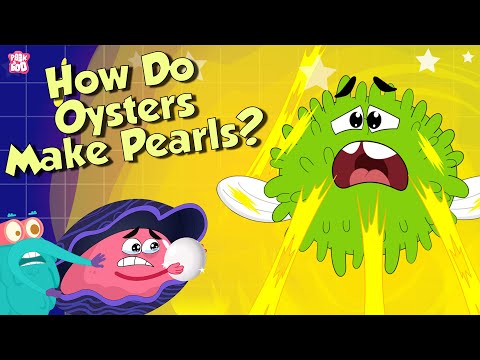
- How Do Oysters Make Pearls: When an irritant, like sand, gets inside their shell, oysters cover it with layers of a shiny material called nacre.
- What Is Nacre: Nacre is a smooth substance that gives pearls their beautiful shine.
- Why Do Oysters Make Pearls: Pearls are a way for oysters to protect themselves from irritants that can cause discomfort.
- What Are Pearls Used For: Pearls are often used in jewelry and are considered precious and beautiful.
- Nature’s Wonder: The process of making pearls shows how nature can create amazing things!
Contents
- Oysters form Pearls by Enveloping Irritants in Smooth, Protective Layers.
- Related MCQ’S
- 1. What is an oyster?
- 2. How do oysters make pearls?
- 3. What is the substance that oysters secrete to cover irritants?
- 4. What is the smooth substance that wraps the irritant inside the oyster?
- 5. What can stimulate an oyster to make a pearl?
- 6. How long does it take for a pearl to grow inside an oyster?
- 7. What percentage of pearls used in jewelry are natural?
- 8. How are pearls harvested from oysters?
- You may like these:
Oysters form Pearls by Enveloping Irritants in Smooth, Protective Layers.
Related MCQ’S
1. What is an oyster?
a) A type of fish
b) A type of bird
c) A type of mollusk
d) A type of reptile
Answer: c) A type of mollusk
Explanation: Oysters are a type of mollusk, which are sea creatures with soft bodies surrounded by a hard outer shell.
2. How do oysters make pearls?
a) By eating food
b) By protecting themselves from irritants
c) By swimming in the ocean
d) By getting caught in nets
Answer: b) By protecting themselves from irritants
Explanation: Oysters make pearls as a biological process to protect themselves from foreign substances like food particles or grains of sand that irritate their body.
3. What is the substance that oysters secrete to cover irritants?
a) Water
b) Conchiolin
c) Calcium
d) Salt
Answer: b) Conchiolin
Explanation: The oyster secretes a protein called conchiolin that holds the irritant in place, which eventually forms the pearl.
4. What is the smooth substance that wraps the irritant inside the oyster?
a) Salt
b) Mucus
c) Nacre
d) Water
Answer: c) Nacre
Explanation: Nacre is a smooth substance made up of tiny crystalline plates of calcium carbonate that wrap around the irritant and form the pearl.
5. What can stimulate an oyster to make a pearl?
a) Heat
b) Light
c) A small bead or tissue
d) Cold water
Answer: c) A small bead or tissue
Explanation: A small bead or tissue is intentionally placed inside the oyster’s mantle to stimulate the production of a pearl.
6. How long does it take for a pearl to grow inside an oyster?
a) A few days
b) A few weeks
c) Several months
d) Several years
Answer: d) Several years
Explanation: It can take several years for a pearl to grow inside an oyster before it is harvested.
7. What percentage of pearls used in jewelry are natural?
a) 10%
b) 1%
c) 50%
d) 25%
Answer: b) 1%
Explanation: Only 1% of pearls used in jewelry are natural, as most pearls are cultured or farmed.
8. How are pearls harvested from oysters?
a) By fishing
b) By removing the oyster from the water and opening the shell
c) By digging in the sand
d) By collecting from the ocean floor
Answer: b) By removing the oyster from the water and opening the shell
Explanation: Pearls are harvested by opening the oyster’s shell after removing it from the water.
You may like these:
Sight Words Pearl List Flashcards
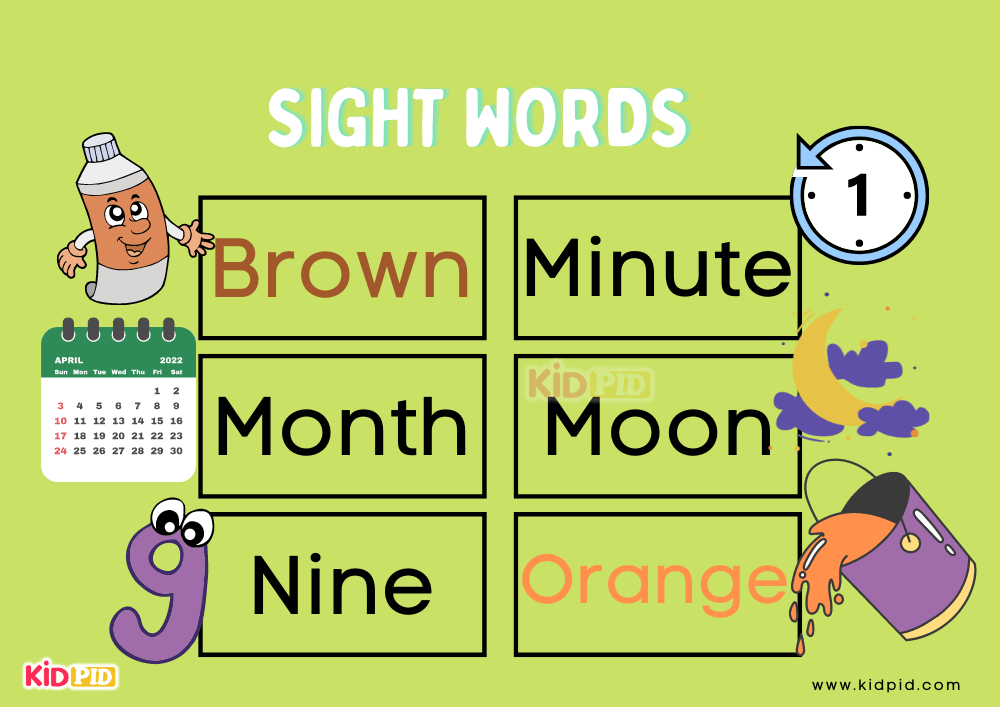

Enhance reading skills with colorful, interactive flashcards featuring essential sight words from the Pearl List, designed to improve vocabulary recognition and fluency.
Separation of Substances
Explore methods to separate mixtures, such as filtration, distillation, and magnetic separation, to isolate substances based on physical properties and composition.
What’s inside a snail’s shell?
Discover the fascinating internal structure of a snail’s shell, including the soft body, digestive organs, and the protective, spiral-shaped calcium carbonate shell.