

“How Plants Produce Oxygen” is an essential topic that students may be asked to write a paragraph about in school exams. Plants produce oxygen through photosynthesis, using sunlight, water, and carbon dioxide, essential for breathing and maintaining a healthy environment. Please check the various versions (in 100 words, 150 words, 200 words, and 300 words) provided below for the paragraph.
Contents
- Paragraph on ‘How Plants Produce Oxygen’ in 100 Words
- Paragraph on ‘How Plants Produce Oxygen’ in 150 Words
- Paragraph on ‘How Plants Produce Oxygen’ in 200 Words
- Paragraph on ‘How Plants Produce Oxygen’ in 300 Words
- MCQ’s on ‘How Plants Produce Oxygen’
- 1. What process do plants use to produce oxygen?
- 2. What chemical in leaves helps capture sunlight?
- 3. What do plants take in from the air during photosynthesis?
- 4. What is the food that plants produce called?
- 5. Why are plants considered the Earth’s lungs?
- 6. What happens to the oxygen produced by plants?
- 7. What harmful gas do plants help reduce in the atmosphere?
- 8. What do plants need to perform photosynthesis?
- 9. Why is it important to protect plants?
- 10. What can we do to help ensure our planet has fresh air?
- You may like these:
Paragraph on ‘How Plants Produce Oxygen’ in 100 Words


Plants produce oxygen through a process called photosynthesis. During photosynthesis, plants use sunlight, water, and carbon dioxide to make their food. The leaves of plants have a special green chemical called chlorophyll that helps them capture sunlight. When plants make food, they also release oxygen into the air. This oxygen is very important because we need it to breathe. Without plants, we would not have enough oxygen to live. That’s why plants are so important for the Earth. By taking care of plants, we help keep our air clean and healthy.
Paragraph on ‘How Plants Produce Oxygen’ in 150 Words
Plants make oxygen through a process called photosynthesis. This happens when plants use sunlight, water, and carbon dioxide to make food. The leaves of the plant have a green chemical called chlorophyll that helps them capture sunlight. When plants make food, they release oxygen as a byproduct. The oxygen goes into the air, and we breathe it in. Without plants, there wouldn’t be enough oxygen for people and animals to live. Plants also help clean the air by taking in carbon dioxide, which is bad for the Earth. This process helps make our world a better place. That’s why it’s important to have trees, flowers, and all kinds of plants in the world.
Paragraph on ‘How Plants Produce Oxygen’ in 200 Words
Plants make oxygen through a process called photosynthesis. Photosynthesis happens when plants use sunlight to help them make their food. They take in water from the ground through their roots and carbon dioxide from the air through tiny holes in their leaves. The leaves contain a green chemical called chlorophyll, which helps the plant capture sunlight. Using sunlight, water, and carbon dioxide, plants make food called glucose, which gives them energy to grow. As a result of making food, plants also release oxygen into the air. This is important because we need oxygen to breathe. Plants are like the Earth’s lungs. Without them, there would be no oxygen for animals or people to live. Plants also help reduce carbon dioxide in the air, which can be harmful in large amounts. So, plants do more than just make oxygen—they help keep the air clean and balanced. Taking care of plants and growing more trees can help make our planet healthier.
Paragraph on ‘How Plants Produce Oxygen’ in 300 Words

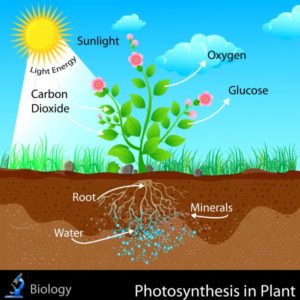
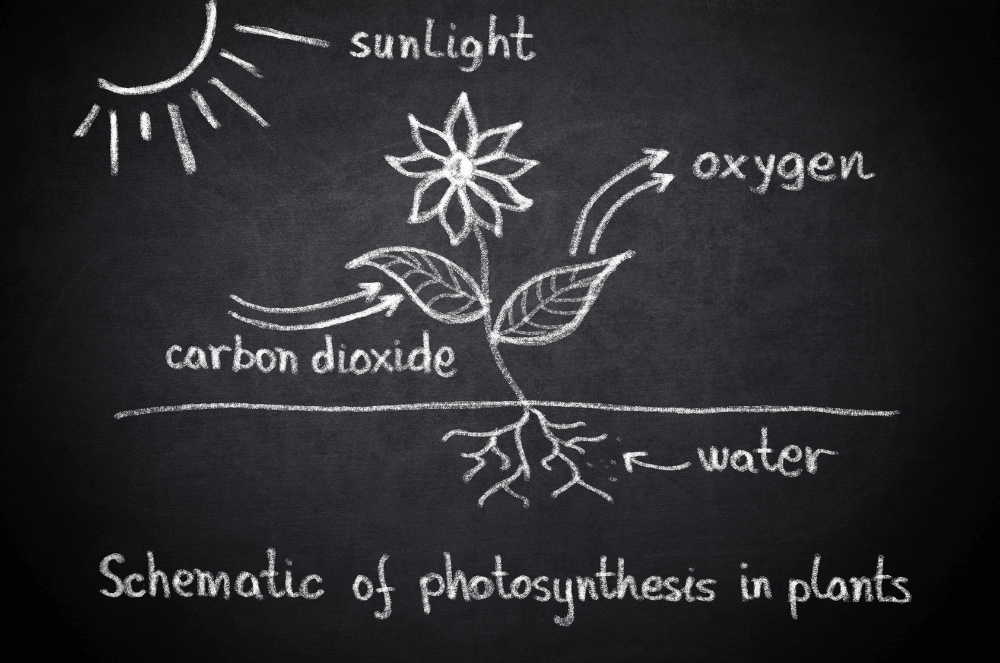
Plants play a big role in making oxygen. They do this through a process called photosynthesis. Photosynthesis is when plants use sunlight, water, and carbon dioxide to make their food. The process happens mostly in the leaves of plants. Inside the leaves, there is a green substance called chlorophyll. Chlorophyll helps plants capture the sunlight. Plants also take in water through their roots and carbon dioxide through small holes in their leaves. Once the plant has all the ingredients—sunlight, water, and carbon dioxide—it begins making food. This food is called glucose, and it gives the plant energy to grow. But making food isn’t the only thing plants do. As the plant makes glucose, it releases oxygen into the air. This oxygen is a byproduct or something that happens while making food. We need oxygen to breathe, so plants are very important to life on Earth. Without plants, there wouldn’t be enough oxygen for us or animals to survive. In addition to making oxygen, plants also help clean the air. They take in carbon dioxide, which can be harmful in large amounts. By taking in carbon dioxide and releasing oxygen, plants help keep the balance of gases in the atmosphere just right. That’s why it’s so important to protect plants, trees, and forests. They keep the Earth healthy and provide us with the oxygen we need to live. By planting more trees and taking care of the ones we have, we can help make sure our planet stays full of fresh, clean air.
MCQ’s on ‘How Plants Produce Oxygen’
1. What process do plants use to produce oxygen?
A) Respiration
B) Photosynthesis
C) Fermentation
D) Transpiration
Answer: B) Photosynthesis
Explanation: Plants produce oxygen through photosynthesis, using sunlight, water, and carbon dioxide.
2. What chemical in leaves helps capture sunlight?
A) Carotene
B) Chlorophyll
C) Glucose
D) Starch
Answer: B) Chlorophyll
Explanation: Chlorophyll is the green chemical that helps plants capture sunlight.
3. What do plants take in from the air during photosynthesis?
A) Oxygen
B) Nitrogen
C) Carbon Dioxide
D) Sulfur
Answer: C) Carbon Dioxide
Explanation: Plants absorb carbon dioxide from the air for photosynthesis.
4. What is the food that plants produce called?
A) Fructose
B) Glucose
C) Sucrose
D) Lactose
Answer: B) Glucose
Explanation: The food made by plants during photosynthesis is glucose, which provides energy.
5. Why are plants considered the Earth’s lungs?
A) They grow tall
B) They produce food
C) They release oxygen and absorb carbon dioxide
D) They are found everywhere
Answer: C) They release oxygen and absorb carbon dioxide
Explanation: Plants help maintain air quality by releasing oxygen and taking in carbon dioxide.
6. What happens to the oxygen produced by plants?
A) It is stored in the roots
B) It is released into the air
C) It is consumed by the plant
D) It is used for photosynthesis
Answer: B) It is released into the air
Explanation: Plants release oxygen as a byproduct of making food through photosynthesis.
7. What harmful gas do plants help reduce in the atmosphere?
A) Oxygen
B) Methane
C) Carbon Dioxide
D) Nitrogen
Answer: C) Carbon Dioxide
Explanation: Plants absorb carbon dioxide, which can be harmful in large amounts.
8. What do plants need to perform photosynthesis?
A) Sunlight, water, and carbon dioxide
B) Oxygen and nitrogen
C) Sunlight and soil
D) Water and minerals
Answer: A) Sunlight, water, and carbon dioxide
Explanation: These are the essential ingredients for photosynthesis.
9. Why is it important to protect plants?
A) They provide shade
B) They produce food
C) They keep the Earth healthy and provide oxygen
D) They are beautiful
Answer: C) They keep the Earth healthy and provide oxygen
Explanation: Protecting plants ensures we have clean air and a balanced ecosystem.
10. What can we do to help ensure our planet has fresh air?
A) Cut down more trees
B) Plant more trees and care for existing ones
C) Ignore plants
D) Use more plastic
Answer: B) Plant more trees and care for existing ones
Explanation: Planting trees and caring for plants contribute to a healthier environment.


We hope you found the paragraphs on the topic “How Plants Produce Oxygen,” written by our team of experienced teachers, informative. Keep visiting our website and explore more paragraphs, essays, worksheets, flashcards, Quizzes and many other interactive resources. Don’t forget to follow us on YouTube & Facebook.
You may like these:
Paragraph – Why Does Color Change When Leaves Fall?


Leaves change color in fall because chlorophyll breaks down, revealing yellow, orange, and red pigments. Cooler temperatures and shorter days trigger this natural process.
Paragraph – How Do Plants Grow?


Plants grow by absorbing sunlight, water, and nutrients. Photosynthesis converts sunlight into energy, while roots take in water and minerals for development and survival.
Why human beings can’t produce flowers if Plants Can?

Humans lack chlorophyll, cell walls, and reproductive structures like flowers. Plants bloom for reproduction, while humans rely on different biological processes for growth and reproduction.
Why leaves are green?
Leaves are green because of chlorophyll, which absorbs sunlight for photosynthesis. This pigment helps plants produce energy by converting light into chemical energy.
Explain Nutrition in Plants

Plants absorb nutrients through roots and photosynthesis. They require water, sunlight, carbon dioxide, and minerals to synthesize food and support growth, development, and survival.
Paragraph Of Importance of Tree Plantation


