
Peace is a state of harmony where people live without fear, conflict, or violence. It brings happiness, unity, and understanding among individuals and nations. Peace is essential for growth, progress, and a better world. This essay explores the importance of peace through key points and thought-provoking questions.
10 Pointers About Peace

- Peace means living without fighting or hurting others.
- It starts with being kind and respectful to everyone.
- Sharing and helping others create peace.
- Listening to others instead of arguing keeps the peace.
- Forgiveness helps heal hurt feelings.
- Peace makes the world a happier and safer place.
- Small acts of kindness spread peace.
- Talking calmly solves problems better than shouting.
- Peace includes taking care of nature and animals.
- Everyone deserves to live in peace.
Short Essay On Peace
Essay On Peace in 100 Words

Peace is when people live together without fighting. It means being kind, sharing, and helping one another. When we listen instead of arguing, we keep peace alive. Forgiveness is important because it helps fix broken friendships. Peace makes the world safe and happy for everyone. Even small things, like smiling or saying sorry, can spread peace. We should also protect nature and animals because they are part of our peaceful world. If everyone tries to be peaceful, there will be less sadness and more joy. Let’s all work together to create a world full of peace!
Essay On Peace in 200 Words

Peace is a beautiful feeling where people live happily without fear or fighting. It begins with small actions like being kind, sharing toys, and saying nice words. When we listen to others and solve problems calmly, we avoid fights. Forgiveness is a big part of peace because holding grudges only creates more sadness.
Peace is not just about people; it also includes taking care of nature and animals. A peaceful world is clean, green, and full of love. Wars and fights destroy peace, but kindness and understanding bring it back.
Everyone can help create peace. Simple things like helping a friend, planting a tree, or saying “thank you” make a difference. Schools and families should teach children about peace so they grow up to be kind adults.
If the whole world chooses peace, there will be no more wars, and everyone will live safely. Let’s promise to spread peace every day through love, respect, and good actions. A peaceful world is a happy world!
Essay On Peace in 300 Words
Peace is one of the most important things in the world. It means living together in harmony, without violence or hatred. True peace starts in our hearts when we choose to be kind, patient, and forgiving. Small acts of love, like sharing with a friend or comforting someone sad, help build peace.
In a peaceful world, people solve problems by talking instead of fighting. Listening to others and respecting different opinions keeps peace strong. Forgiveness plays a big role because everyone makes mistakes, and letting go of anger helps friendships grow.
Peace is not just about humans—it also means caring for animals and nature. Cutting trees, polluting rivers, and hurting animals destroy peace. A peaceful Earth is clean, green, and full of life.
Sadly, some places in the world have wars and conflicts. These bring pain and sadness to many people. But if everyone learns to respect each other, wars can end. Schools should teach children about peace, tolerance, and teamwork so that future generations live in harmony.
Each one of us can make a difference. Helping a classmate, planting a tree, or standing up against bullying are small steps toward peace. Great leaders like Mahatma Gandhi and Martin Luther King Jr. showed that peaceful actions can change the world.
Imagine a world where no one is afraid, where everyone has enough food, and where children play without fear. That is the power of peace. Let’s all promise to spread peace every day through kindness, love, and understanding. Together, we can make the world a better place!
Long Essay On Peace in 500 Words
Introduction
Peace is when people live together in love, kindness, and understanding. It means there is no fighting, anger, or war. A peaceful world is a safe and happy place for everyone, children, adults, animals, and nature. Peace begins inside us and spreads to the world when we treat others with respect and care.
Peace in Our Hearts
Peace starts from within. When we are calm, kind, and forgiving, we help make the world more peaceful. We should learn to control anger and speak politely. Saying “sorry,” sharing with others, or simply listening when someone speaks are all peaceful actions. If everyone keeps peace in their hearts, there will be fewer fights and more smiles.
Peace at Home and School
At home, peace means helping our family, following rules, and solving problems without shouting. At school, peace means being friendly, not bullying others, and working as a team. Teachers and parents teach us how to live peacefully by showing good examples. Helping classmates, saying kind words, and waiting for our turn are small ways to build peace in school.
Peace in the World
Around the world, some people suffer because of wars and violence. These situations hurt families, destroy homes, and make children scared. Leaders and countries must work together to stop wars and spread peace. Talking, understanding, and helping others is better than fighting. Great people like Mahatma Gandhi and Martin Luther King Jr. showed us how peaceful actions can bring big changes.
Peace with Nature
Peace is also about caring for nature. When we throw trash in rivers, cut too many trees, or hurt animals, we are not being peaceful to our planet. A peaceful world has clean air, green trees, and safe homes for animals. We must protect the Earth by planting trees, saving water, and not harming wildlife.
How Kids Can Spread Peace
Even children can spread peace! We can help someone sad, forgive a friend, or speak kindly. We can stop a fight by using gentle words or telling an adult. Drawing peaceful pictures, writing kind notes, and caring for animals are peaceful acts too. Every kind of action we do is like planting a seed of peace.
Conclusion
Peace is something we all need and can give. It makes our lives better, our hearts lighter, and the world brighter. When we choose love over hate, calm over anger, and kindness over meanness, we create a peaceful world. Let’s all promise to be peacemakers every day—in our homes, schools, and wherever we go. A peaceful world is a happy world, and it begins with you and me.

FAQs on Peace
Q1. What is peace?
Ans. Peace is when people live together without fighting and show kindness and love.
Q2. How can we show peace at school?
Ans. By being friendly, not bullying, and working together.
Q3. Why is forgiveness important for peace?
Ans. It helps fix broken friendships and removes anger.
Q4. Name one famous person who spread peace.
Ans. Mahatma Gandhi.
Q5. What happens when we hurt nature?
Ans. It destroys peace and harms the Earth.
Q6. What are small ways kids can spread peace?
Ans. Helping others, saying kind words, and listening.
Q7. How does peace make the world better?
Ans. It brings happiness, safety, and love.
Q8. What should leaders do to bring peace?
Ans. Stop wars and work together through understanding.
Q9. Can taking care of animals be part of peace?
Ans. Yes, being kind to animals shows peace.
Q10. Where does true peace begin?
Ans. True peace begins in our hearts.
Peace is essential for a happy and meaningful life. It brings unity, safety, and harmony to society. By promoting peace, we create a better world for ourselves and future generations. To explore more, visit our website and explore more paragraphs, essays, worksheets, flashcards, Quizzes, and other interactive resources. Make sure to follow us on YouTube & Facebook.
You might also like

Astrid Lindgren, a beloved Swedish children’s author born in 1907, created strong, imaginative characters like Pippi Longstocking. Her over 30 adventure‑filled books inspire bravery, kindness, and independence worldwide.

Andy Warhol, born August 6, 1928, in Pittsburgh, pioneered Pop Art by transforming everyday items and celebrities—like soup cans and Marilyn Monroe—using silkscreen prints at his famed studio, The Factory.
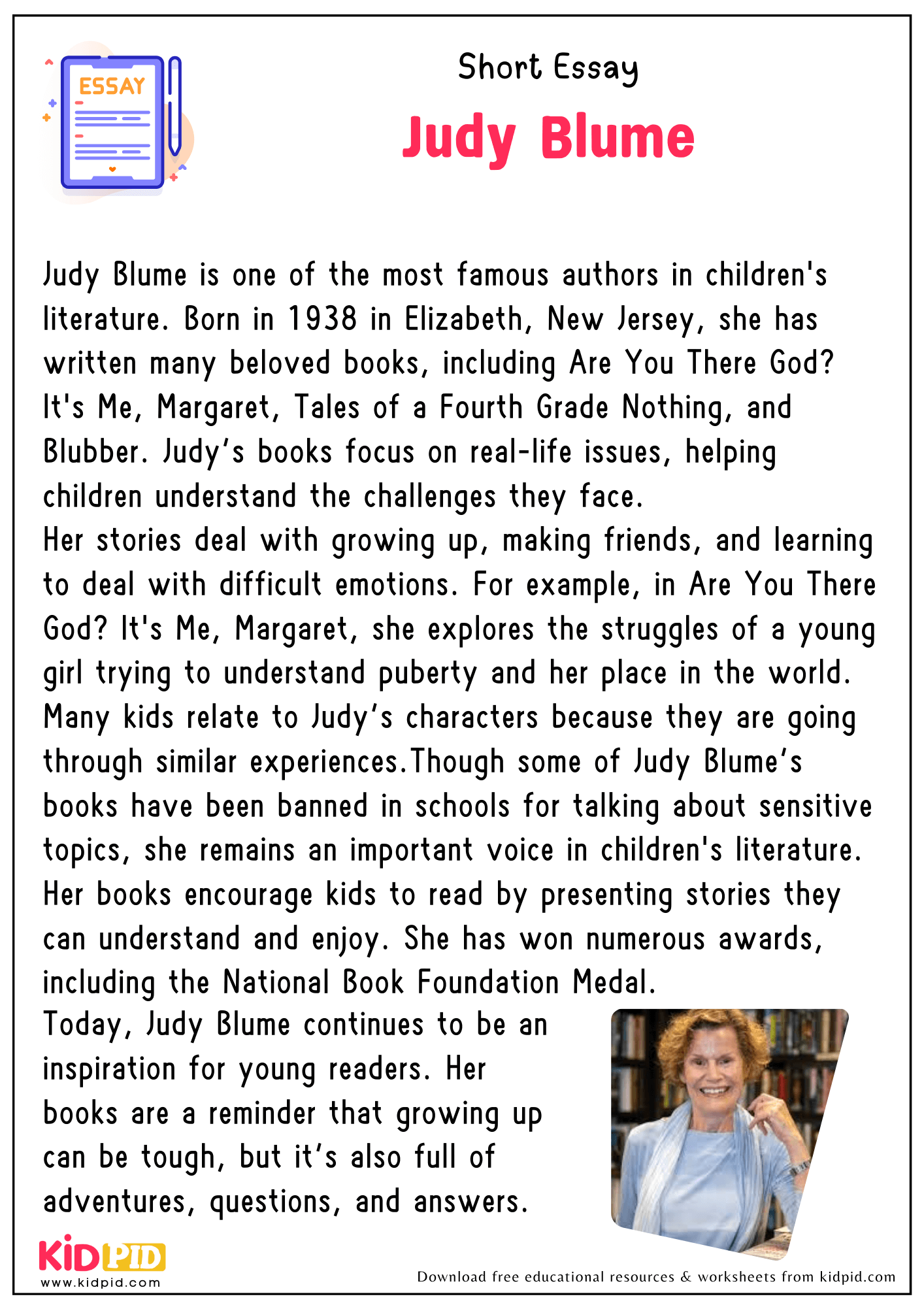
Judy Blume, born February 12, 1938, in New Jersey, writes honest, relatable stories like Are You There God? It’s Me, Margaret, Fudge, and Blubber, addressing friendship, puberty, bullying, and self‑esteem.

Sacagawea, a brave Shoshone woman born around 1788, joined the Lewis & Clark expedition in 1804 with her infant son, acting as interpreter, guide, rescuer, and cultural bridge.

Clara Barton, born December 25, 1821, in Massachusetts, served wounded soldiers during the Civil War as the “Angel of the Battlefield.” In 1881, she founded the American Red Cross, a global humanitarian legacy.