
Essay on the Population discusses population growth and its effect on resources.
Population plays a key role in shaping a country’s future. It affects resources, development, and quality of life. Understanding population growth, its causes, and impact helps us find balanced solutions for sustainable living. This essay, along with 10 key points and questions, explores the importance and challenges of population issues.
Contents
10 Pointers About Population

- Population refers to the number of people living in a specific area.
- The world population is over 8 billion and continues to grow.
- Overpopulation occurs when resources are insufficient for the population.
- Population growth impacts the environment, economy, and society.
- Birth rates, death rates, and migration influence population changes.
- Urban areas are more densely populated than rural areas.
- Population control measures include family planning and education.
- A balanced population ensures sustainable development.
- Overpopulation can lead to resource scarcity and pollution.
- Understanding population trends helps governments plan for the future.
Short Essay On Population
Essay On Population in 100 Words

Population refers to the number of people living in a specific area. The world population is over 8 billion and is growing rapidly. While a growing population can mean more workers and ideas, it also puts pressure on resources like food, water, and energy. Overpopulation can lead to problems like pollution, deforestation, and overcrowding. To manage population growth, governments promote education, healthcare, and family planning. A balanced population ensures that everyone has access to resources and opportunities. Understanding population trends helps us plan for a sustainable future where people and the planet can thrive together.
Essay On Population in 200 Words

Population refers to the number of people living in a specific area, such as a city, country, or the world. The global population has crossed 8 billion and is increasing every day. While a growing population can bring benefits like more workers and innovation, it also creates challenges. Overpopulation occurs when there are too many people for the available resources, leading to problems like food shortages, water scarcity, and pollution.
Population growth is influenced by birth rates, death rates, and migration. In some countries, families are encouraged to have fewer children through education and family planning programs. Urban areas often face overcrowding, while rural areas may have fewer people. A balanced population is essential for sustainable development, ensuring that everyone has access to basic needs like food, shelter, and healthcare.
Governments and organizations work to address population-related issues by promoting education, healthcare, and environmental conservation. By understanding population trends, we can plan better for the future, ensuring that resources are used wisely and that everyone can live a healthy, happy life.
Essay On Population in 300 Words
Population refers to the number of people living in a specific area, such as a city, country, or the entire world. Today, the global population has surpassed 8 billion and continues to grow. While a larger population can bring benefits like a diverse workforce and new ideas, it also poses significant challenges, especially when resources are limited. Overpopulation occurs when the number of people exceeds the available resources, leading to issues like food shortages, water scarcity, and environmental degradation.
Population growth is influenced by three main factors: birth rates, death rates, and migration. High birth rates and lower death rates contribute to population increases, while migration can shift populations from one region to another. Urban areas often experience overcrowding, with cities becoming densely populated, while rural areas may have fewer inhabitants.
Overpopulation can strain resources, leading to deforestation, pollution, and climate change. It can also impact the economy, as governments struggle to provide jobs, healthcare, and education for everyone. To address these challenges, many countries promote family planning, education, and healthcare programs to control population growth.
A balanced population is crucial for sustainable development. It ensures that resources are distributed fairly and that everyone has access to basic needs like food, water, and shelter. Governments and organizations work together to create policies that promote environmental conservation and resource management.
Understanding population trends helps us plan for the future. By addressing issues like overpopulation and resource scarcity, we can create a world where people and the planet thrive together. Education and awareness are key to achieving a sustainable balance between population growth and resource availability.
Long Essay On Population in 500 Words
Introduction
Population refers to the total number of people living in a specific area, such as a city, country, or the world. It is an important topic because the size and growth of the population affect resources, the environment, and the quality of life. Understanding population trends helps us plan for the future and address challenges like food shortages, overcrowding, and pollution.
Global Population Growth
The world’s population has grown rapidly over the past century. In 1900, there were about 1.6 billion people on Earth. By 2023, this number will have increased to over 8 billion. This growth is due to advancements in medicine, better sanitation, and improved food production, which have reduced death rates and increased life expectancy. However, rapid population growth can strain resources and create challenges.
Causes of Population Growth
Several factors contribute to population growth. High birth rates in some regions, especially in developing countries, are a major cause. Improved healthcare has reduced infant mortality, meaning more children survive into adulthood. Additionally, better living conditions and access to food have increased life expectancy. While these are positive developments, they also lead to a larger population.
Effects of Overpopulation
Overpopulation occurs when the number of people exceeds the available resources. This can lead to problems like food shortages, lack of clean water, and overcrowded cities. For example, in some countries, there is not enough farmland to grow food for everyone. Overpopulation also puts pressure on the environment, leading to deforestation, pollution, and loss of biodiversity.
Population Distribution
The population is not evenly distributed around the world. Some areas, like cities, are densely populated, while others, like deserts or mountains, have very few people. Urban areas often face challenges like traffic congestion, housing shortages, and pollution. In contrast, rural areas may struggle with a lack of jobs and services. Balancing population distribution is important for sustainable development.
Population Control Measures
To address population growth, some countries have implemented population control measures. For example, China once had a one-child policy to limit population growth. Other countries focus on education and family planning to help people make informed decisions about having children. Improving access to healthcare and empowering women also play a key role in managing population growth.
The Role of Education
Education is one of the most effective ways to manage population growth. Educated individuals, especially women, tend to have fewer children and make better decisions about family planning. Education also helps people understand the importance of sustainable living and environmental conservation. By investing in education, countries can address population challenges more effectively.
Conclusion
Population is a critical issue that affects the world’s resources, environment, and quality of life. While population growth has brought many positive changes, it also poses challenges like overpopulation and resource scarcity. By understanding the causes and effects of population growth and by implementing measures like education and family planning, we can create a more sustainable future. Balancing population growth with available resources is essential for the well-being of both people and the planet.
Tip for Teachers: Arrange an activity for kids to explain the Malthusian theory of population.
Activity: The Growing Village
Kids use counters to represent people and paper squares to represent food. In each round, the population doubles while food increases slowly. As the game progresses, food becomes insufficient for the growing population, demonstrating Malthus’ Theory of Population that population grows faster than food supply, leading to shortages and struggles.

FAQs on Population
Q1. What is the population?
Ans. The total number of people living in a specific area.
Q2. How much has the global population grown since 1900?
Ans. From 1.6 billion to over 8 billion.
Q3. What are the main causes of population growth?
Ans. High birth rates, improved healthcare, and better living conditions.
Q4. What is overpopulation?
Ans. When the number of people exceeds the available resources.
Q5. What are some effects of overpopulation?
Ans. Food shortages, lack of clean water, and environmental damage.
Q6. How is the population distributed around the world?
Ans. Unevenly, with dense populations in cities and fewer people in rural or remote areas.
Q7. What are some population control measures?
Ans. Family planning, education, and policies like China’s one-child policy.
Q8. Why is education important in managing population growth?
Ans. It helps people make informed decisions about family size and promotes sustainable living.
Q9. What is the current world population?
Ans. The world population is over 8 billion.
Q10. What role do governments play in managing the population?
Ans. Governments promote policies like family planning and environmental conservation to manage the population.
Population growth affects a country’s progress and resources. With awareness and proper planning, we can manage it wisely to ensure a better quality of life and sustainable development for all. To explore more, visit our website and explore more paragraphs, essays, worksheets, flashcards, Quizzes, and other interactive resources. Don’t forget to follow us on YouTube & Facebook.
You might also like
Essay – Satyajit Ray: The Cinematic Genius

Satyajit Ray, born May 2, 1921, in Kolkata, was a visionary Indian filmmaker, writer, and illustrator. Celebrated for the Apu Trilogy, his films blend emotion, realism, and storytelling genius.
Essay – T. S. Eliot: The Influential Poet

T. S. Eliot, Nobel laureate and 20th‑century literary giant, transformed poetry using profound themes and symbolic imagery in works like The Waste Land, shaping modern literature with unmatched depth.
Essay – V.S. Naipaul: The Nobel Laureate Author
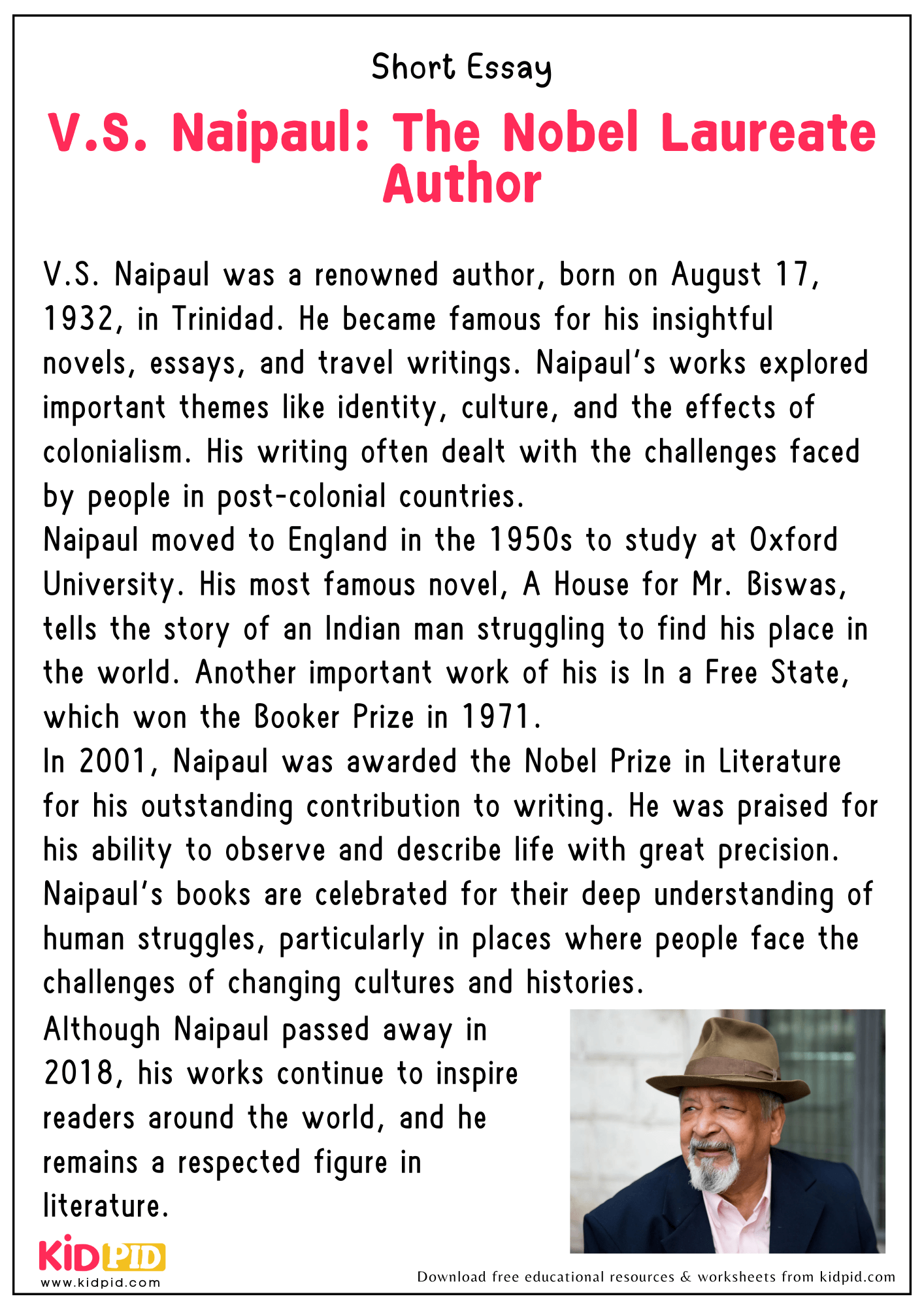
V. S. Naipaul, Trinidad-born British Nobel laureate, reshaped post‑colonial literature through incisive fiction and travel writing like A House for Mr Biswas and A Bend in the River.
Essay – Rani Durgavati: The Warrior Queen
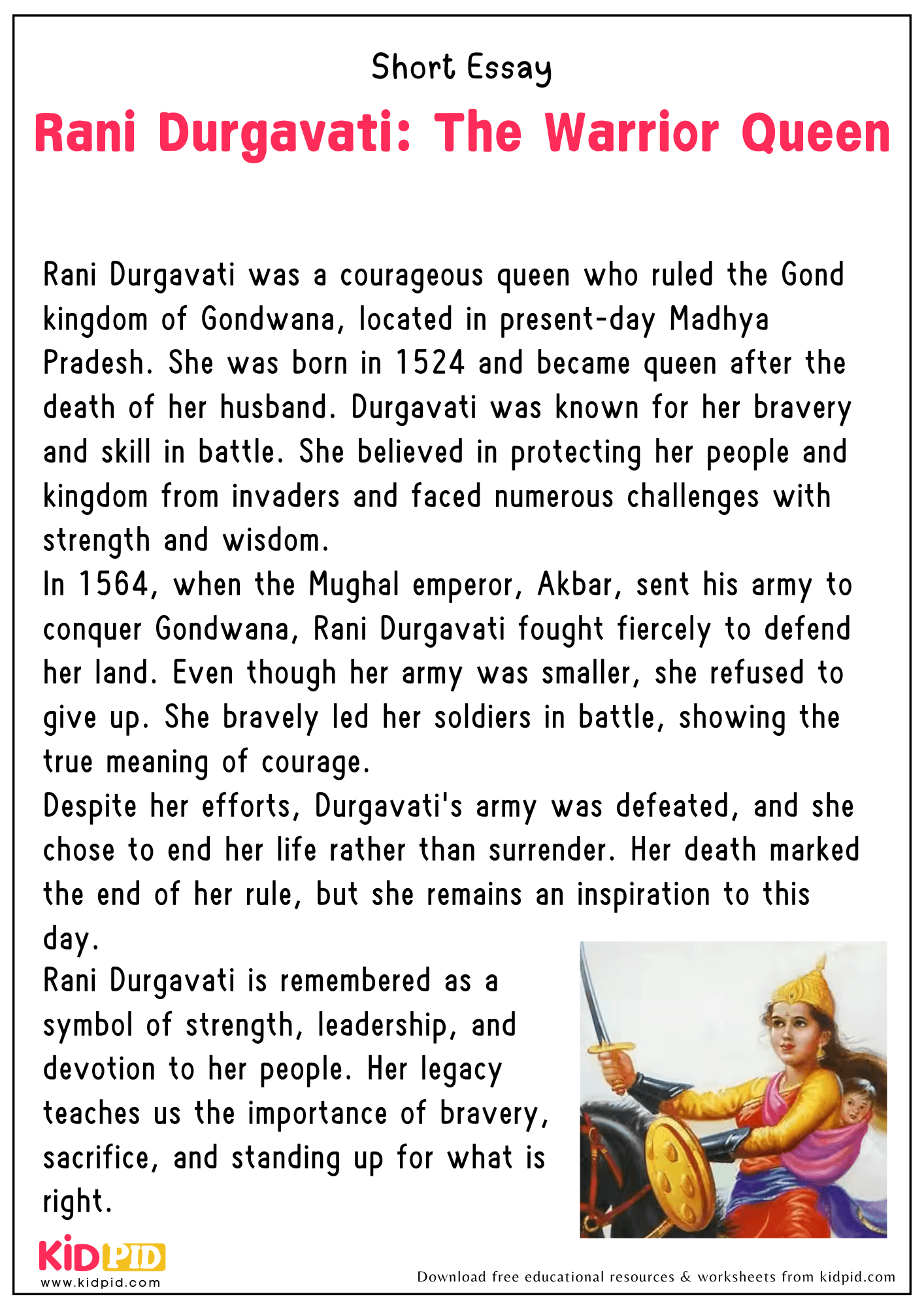
Rani Durgavati (1524–1564), Gondwana’s courageous queen, led fearless defence against Mughal and Malwa invasions. Skilled warrior and wise ruler, she sacrificed her life, remembered as a symbol of va