Vertigo is a type of dizziness that makes you feel like you or the world around you is spinning, even when you’re standing still. It can make you feel off-balance and might even cause you to fall. Let’s learn about vertigo and its causes, including a condition called Benign Paroxysmal Positional Vertigo (BPPV).
- What is Vertigo Vertigo is a strong feeling of dizziness where you feel like you’re spinning or your surroundings are moving.
- How do we maintain balance: Our eyes, muscles, joints, and inner ears work together to help us stay balanced.
- Types of Vertigo: Peripheral Vertigo happens due to problems in the inner ear.
Central Vertigo happens due to issues in the brain.
Benign Paroxysmal Positional Vertigo (BPPV):
This type of vertigo happens when tiny calcium particles in the inner ear move out of place and cause dizziness. - Other Causes of Vertigo: Infections, fluid buildup, and brain problems can also cause vertigo.
- Treatment for Vertigo: Peripheral vertigo often goes away with rest, avoiding sudden movements, and medicine. If it lasts, visit a doctor.
- Fun Fact: Nearly 40% of adults experience vertigo at least once in their life!
Contents
What is Vertigo? Causes and Understanding Benign Positional Vertigo

MCQs Based On The Content Of This Video
1. What is Vertigo?
a) A feeling of excitement
b) A type of dizziness where you feel like you or your surroundings are spinning
c) A headache
d) A loss of appetite
Answer: b) A type of dizziness where you feel like you or your surroundings are spinning
Explanation: Vertigo is an intense dizziness that makes you feel like you’re spinning or losing balance, even when you’re standing still.
2. What part of your body helps you maintain balance?
a) Stomach
b) Ears
c) Eyes
d) Heart
Answer: b) Ears
Explanation: The vestibular system in the inner ear plays a crucial role in maintaining balance by helping you understand head movement and positioning.
3. Which of the following can cause Central Vertigo?
a) Ear infections
b) Problems in the brain, like strokes or migraines
c) Poor diet
d) Lack of sleep
Answer: b) Problems in the brain, like strokes or migraines
Explanation: Central vertigo is caused by issues in the brain, particularly in the brainstem or cerebellum, which are responsible for balance.
4. What is one common treatment for peripheral vertigo?
a) Brain surgery
b) Rest and avoiding sudden movements
c) Walking in circles
d) Eating spicy food
Answer: b) Rest and avoiding sudden movements
Explanation: Peripheral vertigo usually improves with rest, avoiding sudden movements, and prescribed medications. If it persists, a doctor should be consulted.
5. How many adults experience vertigo at least once in their lifetime?
a) 10%
b) 40%
c) 60%
d) 70%
Answer: b) 40%
Explanation: Nearly 40% of adults experience vertigo at least once in their lifetime, with women being slightly more likely to experience it than men.
You may like these:
How do bones help me hear?
Tiny bones in your middle ear, called ossicles, amplify sound vibrations from your eardrum and send them to your inner ear for processing.
Label Parts of Ear Worksheet
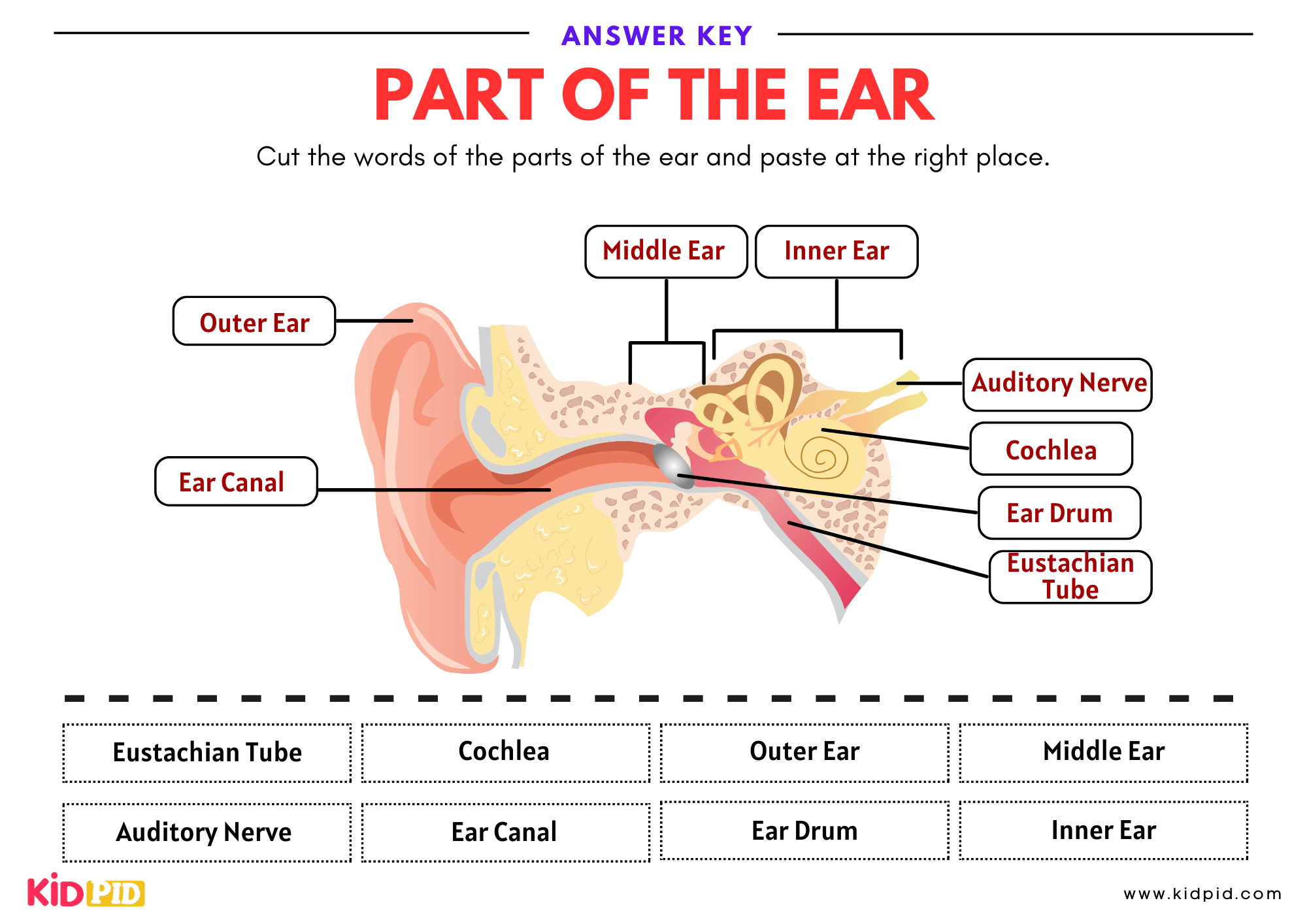

A fun, interactive worksheet where you label the outer, middle, and inner ear parts to learn how they work together for hearing and balance.
How do I balance?
Your inner ear’s vestibular system detects motion and position changes, sending signals to your brain to help you maintain balance and coordination.
Why do my ears pop?
Ears pop due to pressure changes. The Eustachian tube in your ear adjusts air pressure between your middle ear and the environment, equalizing discomfort.