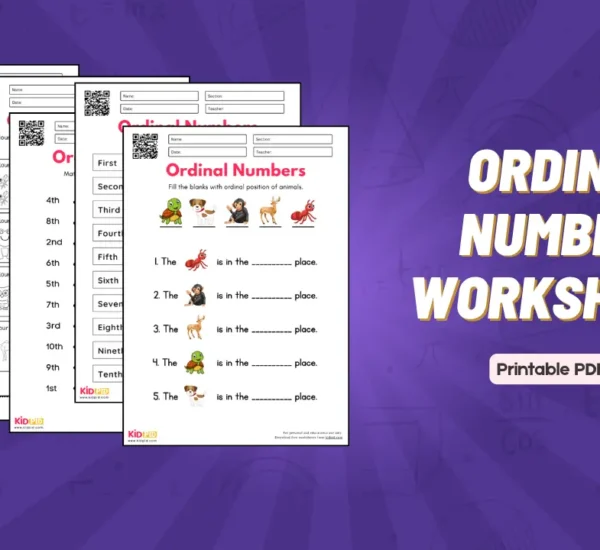

Let’s have some fun with home-related words! In this worksheet, you’ll see pictures of things you find at home, like a bed or a chair. Next to each picture, there’s a jumbled word. Your task is to look at the picture, think of the word it represents, and then unscramble the letters to write the correct word. It’s a great way to learn and practice spelling while having fun!
[Scroll Down for Download Link]
Contents
- Unscramble The Jumble Home Word Worksheets For Grade 1
- Key Facts About Home Vocabulary Jumbled Words Worksheets
- Parts/Types/Examples of Home Vocabulary
- How Does the Jumbled Words Worksheet Work?
- Benefits of Learning About Home Vocabulary
- Learning Objectives
- Worksheet Instructions
- Interesting Facts About Home Vocabulary Words
- Real-Life Applications
- FAQs
Unscramble The Jumble Home Word Worksheets For Grade 1
Read More: Make Compound Words Printable Worksheets for Grade 1

- bed
- mirror
- table
- door
- couch
- clock
- pillows
- chair

- pan
- jug
- spoon
- jar
- plate
- kettle
- bowl
- stove

- brush
- towel
- dustbin
- cupboard
- bucket
- bathtub
- book
- comb

- bulb
- cup
- bottles
- lamp
- fan
- curtains
- apron
- iron
Key Facts About Home Vocabulary Jumbled Words Worksheets
These worksheets are specifically curated for Grade 1 learners to bridge the gap between visual recognition and orthographic mastery.
- Target Audience: Grade 1 students (approx. 6–7 years old).
- Educational Focus: Spelling, vocabulary expansion, and cognitive pattern recognition.
- Format: Visual-to-text association, where students identify common household objects and unscramble their corresponding names.
- Skill Alignment: Developed by experienced educators to support foundational literacy standards.
Parts/Types/Examples of Home Vocabulary
The vocabulary is categorized by room and function to help children organize their mental lexicon:
- Living Room/Bedroom Items: Bed, mirror, table, couch, clock, pillows, chair.
- Kitchen & Dining Tools: Pan, jug, spoon, jar, plate, kettle, bowl, stove.
- Bathroom & Hygiene Necessities: Brush, towel, dustbin, cupboard, bucket, bathtub, book, comb.
- General Home Appliances/Furnishings: Bulb, cup, bottles, lamp, fan, curtains, apron, and iron.
How Does the Jumbled Words Worksheet Work?
The worksheet utilizes a “Visual-Cognitive Loop” method:
- Visual Identification: The student observes an illustration of a familiar household item.
- Mental Association: The student retrieves the correct English word for that object from their existing oral vocabulary.
- Orthographic Decoding: The student analyzes the “jumbled” letters (anagram) provided next to the image.
- Encoding/Writing: The student unscrambles the letters and writes the correct spelling, reinforcing the connection between the object, its sound, and its written form.
Benefits of Learning About Home Vocabulary
- Contextual Learning: By focusing on objects within their immediate environment, children learn vocabulary that is highly relevant to their daily lives.
- Improved Spelling Accuracy: Frequent engagement with unscrambling exercises helps students move beyond rote memorization to understanding letter sequences.
- Cognitive Development: Jumble exercises act as a puzzle, improving critical thinking, focus, and problem-solving skills in young learners.
- Independence: Mastering these words empowers children to describe their environment more precisely.
Learning Objectives
By completing this worksheet, students will be able to:
- Recognize and correctly name at least 30+ common household items.
- Demonstrate mastery of basic spelling patterns for 3- to 6-letter words.
- Develop the ability to manipulate letter order to form accurate words.
- Improve visual-to-text literacy skills.
Worksheet Instructions
- Observe: Look carefully at the image provided for each item.
- Identify: Say the name of the object out loud to ensure you know the word.
- Analyze: Look at the jumbled letters provided to the right of the image.
- Unscramble: Rearrange the letters to spell the word correctly.
- Write: Write your answer in the space provided.
- Review: Once finished, read the words back to check for spelling accuracy.
Interesting Facts About Home Vocabulary Words
- Compound Opportunities: Many home-related words are compound words (e.g., cupboard is cup + board), which can be an excellent secondary learning point for Grade 1 students.
- Functional Literacy: Words learned in the home setting are often the first words children use to communicate needs and interact with their domestic environment.
- Pattern Recognition: Many common home words follow standard phonetic patterns, making them ideal for teaching early spelling rules.
Real-Life Applications
- Descriptive Writing: A strong vocabulary allows children to write more vivid stories about their home life.
- Household Participation: Knowing these names helps children follow instructions (e.g., “Please get the spoon from the cupboard“) and participate in chores.
- Environmental Print Awareness: Children begin to recognize these words on labels, books, and household instructions, increasing their confidence in reading real-world text.
FAQs
Q1. At what age should a child start these worksheets?
Answer: These are designed for Grade 1 (ages 6–7), but can be used for advanced Kindergarteners or as remedial practice for early Grade 2 students.
Q2. Can I use these for homeschooling?
Answer: Absolutely. These are designed by educators to align with standard curriculum goals, making them an excellent tool for home-based learning.
Q3. How can I help my child if they get stuck?
Answer: Encourage them to say the word slowly to hear the sounds, then help them identify the starting letter of the word. You can also provide the first letter as a hint.
Q4. Are there other similar worksheets available?
Answer: Yes, continuing the theme of vocabulary, students can explore “Compound Words,” “Sight Words,” or “Body Parts” jumbled word worksheets to build on this foundation.
This engaging Jumble Home Words Worksheet for Grade 1 helps children improve spelling, vocabulary, and word recognition by unscrambling common home-related words. It builds language confidence while making learning fun, interactive, and suitable for classroom or home practice. Discover essays, worksheets, flashcards, quizzes, paragraphs, and interactive resource interactive learning resources for kids on our website. Connect with us on YouTube & Facebook.
This worksheet was thoughtfully created by the Content Team to boost learning practice.
Reviewed By Madhulika
Read More: