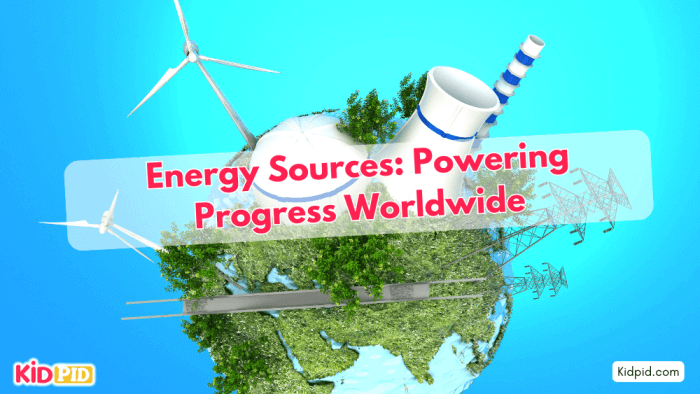
Energy is everywhere! We use energy to do almost everything, from turning on lights to charging our phones. But where does all this energy come from? In this guide, we’ll explore different types of energy sources that help power our homes, schools, and even the cars we ride in!
- Energy is needed for many things: We use energy to cook, light our homes, and move vehicles.
- Two main types of energy sources:
- Renewable energy: Sources that can be used again and again, like the sun, wind, and water.
- Non-renewable energy: Sources that can run out, like coal, oil, and natural gas.
- Solar energy: The energy we get from the sun, which can be used to make electricity.
- Wind energy: We can capture wind with big turbines to create electricity.
- Hydropower: Moving water in rivers or dams can also produce electricity.
- Fossil fuels: Coal, oil, and natural gas are burned to create energy, but they can cause pollution.
- Geothermal energy: This is the heat from deep inside the Earth that can be used to make energy.
Contents
- Understanding Energy Sources: What Fuels Our World and Supports Progress.
- Related MCQ’S
- 1. What is energy?
- 2. What does the law of conservation of energy state?
- 3. Which of the following is a renewable source of energy?
- 4. What is the source of solar energy?
- 5. What is wind energy converted into using wind turbines?
- 6. Which of the following is an example of biomass?
- 7. What does geothermal energy come from?
- 8. Which energy source is non-renewable?
- 9. What is the main problem with non-renewable energy sources?
- 10. What does using renewable sources of energy help reduce?
- You may like these:
Understanding Energy Sources: What Fuels Our World and Supports Progress.

Related MCQ’S
1. What is energy?
a) The ability to eat food
b) The ability to do work
c) The ability to sleep
d) The ability to talk
Answer: b) The ability to do work
Explanation: Energy is defined as the ability to do work, which helps us perform tasks or actions.
2. What does the law of conservation of energy state?
a) Energy can be created and destroyed
b) Energy can only be transformed
c) Energy is only used for work
d) Energy can be wasted without any impact
Answer: b) Energy can only be transformed
Explanation: The law of conservation of energy says that energy cannot be created or destroyed, but it can change from one form to another.
3. Which of the following is a renewable source of energy?
a) Coal
b) Natural Gas
c) Wind Energy
d) Petroleum
Answer: c) Wind Energy
Explanation: Wind energy is a renewable source of energy, meaning it can be naturally replenished and doesn’t harm the environment.
4. What is the source of solar energy?
a) The moon
b) The sun
c) Water
d) Trees
Answer: b) The sun
Explanation: Solar energy comes from the sun’s heat and light, which is converted into electricity or thermal energy.
5. What is wind energy converted into using wind turbines?
a) Solar energy
b) Heat energy
c) Electricity
d) Biomass
Answer: c) Electricity
Explanation: Wind energy is harnessed using wind turbines, which convert it into electricity to power homes and schools.
6. Which of the following is an example of biomass?
a) Water
b) Wind
c) Wood and animal waste
d) Coal
Answer: c) Wood and animal waste
Explanation: Biomass is organic material like wood, crops, and animal waste that can be turned into fuel for energy.
7. What does geothermal energy come from?
a) The sun
b) The air
c) The heat inside the Earth
d) Water
Answer: c) The heat inside the Earth
Explanation: Geothermal energy comes from the Earth’s internal heat, which can be used for electricity, heating, and hot water.
8. Which energy source is non-renewable?
a) Wind
b) Solar
c) Coal
d) Hydro
Answer: c) Coal
Explanation: Coal is a non-renewable energy source, meaning it can run out over time and has environmental impacts.
9. What is the main problem with non-renewable energy sources?
a) They are always available
b) They are harmful to the environment
c) They do not create pollution
d) They are always cheap
Answer: b) They are harmful to the environment
Explanation: Non-renewable sources like coal and petroleum can cause pollution and harm the environment.
10. What does using renewable sources of energy help reduce?
a) Energy consumption
b) Pollution and carbon dioxide emissions
c) Temperature
d) Natural disasters
Answer: b) Pollution and carbon dioxide emissions
Explanation: Using renewable energy sources helps reduce pollution and harmful emissions, making the world a safer place.
You may like these:
Wind turbine project
Wind turbines convert wind energy into electricity by using blades that spin, turning a generator to produce power. They provide clean, renewable energy for sustainable living.
How do solar panels work?
Solar panels capture sunlight and convert it into electricity using photovoltaic cells. This renewable energy source reduces reliance on fossil fuels and lowers environmental impact.
Coal and Petroleum
Coal and petroleum are fossil fuels formed from ancient plants and animals. They are burned for energy, but their use contributes to pollution and environmental concerns.
What is energy?
Energy is the ability to do work. It exists in different forms, such as light, heat, mechanical, and electrical, and is essential for powering all activities.