The human brain is an amazing organ that controls everything we do. Let’s explore some important facts about the brain and how it works!
- Brain as the Boss: The brain controls all our actions, thoughts, and feelings.
- Parts of the Brain: Cerebrum: The largest part that helps us think, learn, and control our movements.
- Cerebellum: A smaller part that helps us keep our balance and coordinate movements.
- Brain Stem: Controls automatic functions like breathing and heart rate.
- Amygdala: Responsible for emotions and memory storage.
- Electricity Power: The brain generates tiny electrical signals used for communication between neurons.
- Headaches: Headaches are not caused by the brain itself but by tension in the muscles around the head and neck.
- Brain Freeze: Eating something cold too quickly can cause a headache known as brain freeze.
- Fainting: Fainting happens when the brain doesn’t get enough blood and oxygen.
- Stuttering: This is a speech issue where people have trouble speaking smoothly.
- Dyslexia: A condition that makes it hard to read and write, but it doesn’t mean a person is less smart.
- Alzheimer’s Disease: A condition that affects memory, usually in older adults.
- Stroke: A serious condition where blood flow to the brain stops, causing damage.
Contents
- All Essential Information Regarding the Human Brain
- Related MCQ’s
- 1. What is the main function of the brain?
- 2. Which part of the brain is responsible for maintaining balance?
- 3. What causes headaches?
- 4. What is brain freeze?
- 5. What is fainting medically known as?
- 6. Which part of the brain is involved in speech and language?
- 7. What condition is characterized by difficulty in reading, writing, and spelling?
- 8. What is Alzheimer’s disease primarily associated with?
- 9. What happens during a stroke?
- 10. Which of the following is a common trigger for migraines?
- You may like these:
All Essential Information Regarding the Human Brain

Related MCQ’s
1. What is the main function of the brain?
A) To help us breathe
B) To control everything we do
C) To digest food
D) To pump blood
Answer: B) To control everything we do
Explanation: The brain is referred to as the “boss” of the body because it manages all functions, including thinking, learning, and controlling movements.
2. Which part of the brain is responsible for maintaining balance?
A) Cerebrum
B) Cerebellum
C) Brain Stem
D) Amygdala
Answer: B) Cerebellum
Explanation: The cerebellum is specifically mentioned as helping to maintain balance and regulate motor movements.
3. What causes headaches?
A) Pain in the brain
B) Pressure on nerves from muscles or blood vessels
C) Lack of sleep
D) Too much noise
Answer: B) Pressure on nerves from muscles or blood vessels
Explanation: Headaches arise when muscles or blood vessels around the head and neck tighten or swell, putting pressure on nerves that send pain signals to the brain.
4. What is brain freeze?
A) A type of headache caused by cold food
B) A loss of consciousness
C) An intense pain in the brain
D) A common flu symptom
Answer: A) A type of headache caused by cold food
Explanation: Brain freeze occurs when consuming cold items quickly, causing a rapid temperature change in the throat that affects blood flow to the brain.
5. What is fainting medically known as?
A) Syncope
B) Coma
C) Dizziness
D) Drowsiness
Answer: A) Syncope
Explanation: Fainting is medically referred to as syncope, which is a temporary loss of consciousness due to a lack of oxygen-rich blood to the brain.
6. Which part of the brain is involved in speech and language?
A) Cerebrum
B) Amygdala
C) Wernicke’s area
D) Brain Stem
Answer: C) Wernicke’s area
Explanation: Wernicke’s area plays a crucial role in language development and helps with choosing the right words while expressing thoughts.
7. What condition is characterized by difficulty in reading, writing, and spelling?
A) Dyslexia
B) Alzheimer’s
C) Stuttering
D) Stroke
Answer: A) Dyslexia
Explanation: Dyslexia is a neurological condition that affects a person’s ability to read, spell, write, and speak clearly, despite having normal intelligence.
8. What is Alzheimer’s disease primarily associated with?
A) Loss of muscle control
B) Memory loss and cognitive decline
C) Difficulty with vision
D) Hearing impairments
Answer: B) Memory loss and cognitive decline
Explanation: Alzheimer’s disease leads to severe memory loss, cognitive decline, and difficulty in performing everyday tasks.
9. What happens during a stroke?
A) The heart stops beating
B) Blood flow to the brain is interrupted
C) The person loses their sight
D) Muscles become paralyzed
Answer: B) Blood flow to the brain is interrupted
Explanation: A stroke occurs when the blood flow to the brain stops, causing brain cells to begin dying due to lack of oxygen.
10. Which of the following is a common trigger for migraines?
A) Drinking water
B) Eating chocolate
C) Exercising
D) Sleeping
Answer: B) Eating chocolate
Explanation: Certain foods, like chocolate and those containing monosodium glutamate (MSG), can trigger migraines in some people.
You may like these:
What happens during a stroke?
A stroke occurs when blood flow to part of the brain is blocked, causing brain cells to die. It can lead to weakness, speech problems, or paralysis.
What causes Headaches?
Headaches can be caused by stress, dehydration, lack of sleep, or health conditions. Changes in the brain, hormones, or blood vessels often trigger these painful sensations.
Brain – Main Parts, Structure & Fun Facts
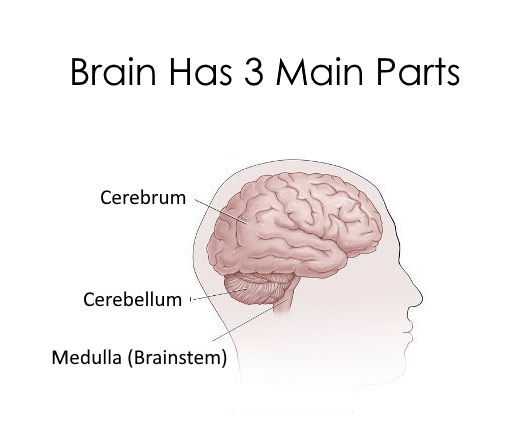

The brain controls all body functions. Main parts include the cerebrum, cerebellum, and brainstem. Fun facts: It’s the most energy-consuming organ, with 100 billion neurons!