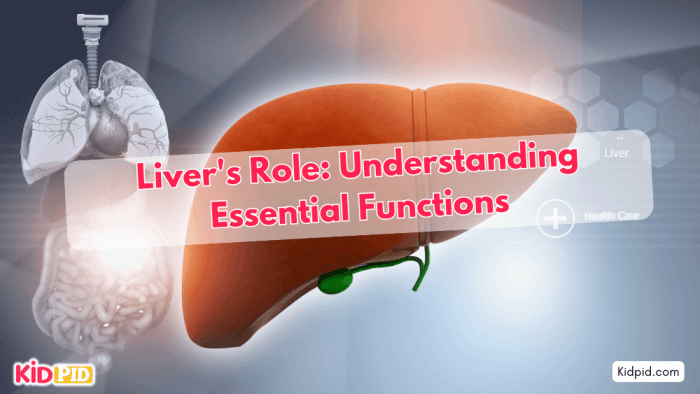
The liver is an important part of the body that helps keep us healthy. It is located on the right side of your body, just below your ribs.
The liver helps with digestion, turning food into energy. It cleans the blood, removing harmful substances from the body. The liver also stores energy and helps control levels of fat and sugar in your body. It plays a big role in helping the body work properly.
- The liver helps with digestion and gives us energy.
- It cleans the blood and removes harmful substances.
- The liver stores energy and controls fat and sugar levels.
- The liver is very important for our health.
Contents
- What Is The Liver’s Function? Exploring Its Vital Roles.
- Related MCQ’S
- 1. Where is the liver located in the body?
- 2. How big is the liver when a person grows up?
- 3. What is the liver’s primary task in the body?
- 4. What does the liver convert carbohydrates into?
- 5. What is bile used for in the body?
- 6. Which organ stores bile before it is used in digestion?
- 7. What happens to the liver if it’s damaged?
- 8. How can we take care of our liver?
- You may like these:
What Is The Liver’s Function? Exploring Its Vital Roles.

Related MCQ’S
1. Where is the liver located in the body?
a) Lower left abdomen
b) Upper right abdomen
c) Lower right abdomen
d) Upper left abdomen
Answer: b) Upper right abdomen
Explanation: The liver is located in the upper right abdomen, below the diaphragm.
2. How big is the liver when a person grows up?
a) The size of a football
b) The size of a basketball
c) The size of a soccer ball
d) The size of a tennis ball
Answer: a) The size of a football
Explanation: The liver grows to be about the size of a football when a person reaches adulthood.
3. What is the liver’s primary task in the body?
a) To produce energy
b) To clean the blood
c) To store fat
d) To break down proteins
Answer: b) To clean the blood
Explanation: The liver’s biggest task is to clean the blood by processing, storing, altering, and detoxifying substances.
4. What does the liver convert carbohydrates into?
a) Protein
b) Fat
c) Glucose
d) Vitamins
Answer: c) Glucose
Explanation: The liver converts carbohydrates into glucose, which is used as energy by the body.
5. What is bile used for in the body?
a) To digest proteins
b) To break down fats
c) To create blood cells
d) To store energy
Answer: b) To break down fats
Explanation: Bile helps break down fats, eliminate microbes, neutralize stomach acid, and remove toxins from the body.
6. Which organ stores bile before it is used in digestion?
a) Stomach
b) Kidney
c) Gallbladder
d) Pancreas
Answer: c) Gallbladder
Explanation: The bile produced by the liver is stored in the gallbladder before being released into the intestine for digestion.
7. What happens to the liver if it’s damaged?
a) It can never heal
b) It can grow back or regenerate
c) It becomes weaker
d) It loses its function permanently
Answer: b) It can grow back or regenerate
Explanation: The liver has an amazing ability to regenerate itself, even from as little as 25% of its original size.
8. How can we take care of our liver?
a) By avoiding exercise
b) By eating unhealthy food
c) By regularly exercising and avoiding alcohol
d) By eating only protein-rich food
Answer: c) By regularly exercising and avoiding alcohol
Explanation: To take care of the liver, it’s important to exercise, eat the right foods, and avoid harmful substances like alcohol.
You may like these:
What does the liver do?
The liver processes toxins, produces bile for digestion, stores nutrients, and regulates blood sugar. It plays a crucial role in metabolism and overall health.
Nutrition in Animals
Animals obtain nutrition by consuming plants, other animals, or both. They digest food to extract energy, vitamins, and minerals essential for growth and bodily functions.
Why do I get hungry?
Hunger occurs when your body signals the need for food. Hormones and signals from the stomach and brain indicate low energy levels, prompting you to eat.
From Tasting To Digesting
Food travels from the mouth to the stomach, where it’s broken down. Enzymes and acids help digest food, absorbing nutrients and eliminating waste through the intestines.