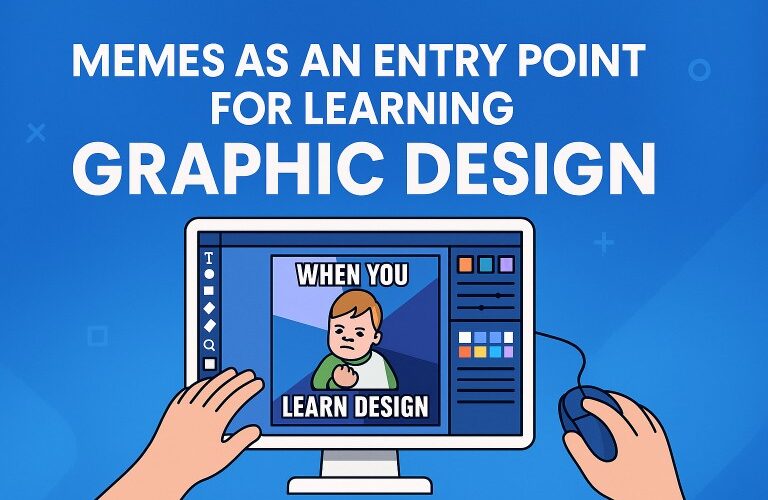
Memes may seem like nothing more than internet humor, but their influence reaches far beyond entertainment. Over the last decade, memes have become one of the most widespread visual communication formats in the world. They are shared across cultures, languages, and platforms, making them a unique bridge between creativity and accessibility. What many designers and educators have begun to realize is that memes also function as an unexpected entry point into learning graphic design skills.
For beginners who may feel intimidated by design software, typography rules, color theory, or layout principles, memes provide a low-pressure environment to experiment visually. Because memes are simple, fast to produce, and culturally relevant, they motivate users to engage with design concepts without feeling like they are studying. As a result, memes are becoming a powerful early training ground for future designers, marketers, and digital content creators.
Contents
- Why Memes Work as a Design Learning Tool
- The Connection Between Memes and Design Principles
- How Memes Encourage Software Exploration
- Memes in Education and Professional Training
- From Memes to Graphic Design Careers
- Psychological Motivation: Why Memes Keep People Learning
- The Growing Trend of Meme-Based Design Learning
- Conclusion
Why Memes Work as a Design Learning Tool
At their core, memes require visual decision-making. Even the simplest format — an image paired with text — involves choices that reflect core design principles. Users must think about font selection, text placement, spacing, contrast, and emotional tone.
Research in digital learning supports this idea. A 2024 Deloitte study found that learners retain 55% more information when humor and visual storytelling are combined. This explains why meme creation often leads to a deeper understanding of design basics. When someone is motivated to create something funny or relatable, they naturally spend more time analyzing visuals.
Memes also remove the fear of failure. Traditional graphic design education can feel rigid, requiring polished outcomes. Memes thrive on imperfection. Unexpected cropping, rough text placement, or exaggerated visuals can actually improve comedic impact. This freedom allows beginners to explore creativity without pressure.
The Connection Between Memes and Design Principles
Many people don’t realize that memes introduce foundational design concepts in a way that feels effortless. Some of the most common include:
Typography Awareness
Memes rely heavily on text delivery. The font, style, and weight influence humor and tone. For example, the classic Impact font became iconic in early memes because of its readability and bold presence. Today, creators experiment with sans-serif fonts, handwritten styles, or bold text outlines for emphasis. Without even recognizing it, meme makers begin learning typography psychology and hierarchy.
Composition and Layout
Text placement matters. Whether text appears above, below, or over an image changes how viewers interpret it. Memes often teach users the importance of:
- balance
- spacing
- alignment
- visual flow
Creators quickly learn that text covering the wrong part of an image ruins impact, while strategic placement enhances clarity.
Color and Contrast
High contrast between text and background increases readability — a principle essential in all design. Memes clearly demonstrate this. White text with a black outline remains popular because it stands out on most backgrounds.
Through trial and error, beginners discover color combinations that work, building an instinct for effective contrast.
How Memes Encourage Software Exploration
Another key reason memes help people learn design is the accessibility of tools. Many meme creators begin with mobile apps, simple editors, or browser-based generators. As they become more interested in designing better visuals, they gradually move to more advanced tools such as Adobe Express, Canva, or even Photoshop.
In the middle stages of this progression, creators often try platforms that allow them to create your own meme while offering flexible editing features. These tools expose users to layers, cropping, resizing, and text effects — fundamental design skills.
Once beginners feel confident editing visuals for humor, they often transition into creating custom graphics, branding materials, or social media content. Memes serve as a motivating first step toward larger creative ambitions.
Memes in Education and Professional Training
Educators have begun integrating memes into design and marketing courses because they improve engagement and understanding. According to a 2023 academic study from the University of Amsterdam, students who used memes in coursework demonstrated higher retention of visual communication concepts compared to those using traditional materials.
Professional industries are also embracing meme creation. Marketing teams now include meme-based content in campaigns to increase relatability and reach younger audiences. Brands such as Netflix, Duolingo, and Wendy’s have built strong online identities through meme-inspired visuals.
When employees develop meme-making skills, they naturally strengthen their design abilities. This benefits companies that rely on digital content and visual storytelling.
From Memes to Graphic Design Careers
Many modern designers trace their skills back to memes. Social media has produced a new generation of creators who learned design through experimentation rather than formal study.
These creators often develop:
- a strong sense of visual timing
- an understanding of cultural messaging
- rapid content production skills
- adaptability in different visual formats
These traits are highly valued in marketing, advertising, and branding fields. Employers increasingly seek candidates who can create engaging visual content quickly — a skill honed through meme creation.
Memes also provide a portfolio foundation. Someone who consistently creates viral or visually appealing memes builds an audience that can later support freelance work, collaborations, or brand partnerships.
Psychological Motivation: Why Memes Keep People Learning
One of the biggest challenges in design education is maintaining motivation. Learning software tools and design rules can feel overwhelming. Memes eliminate that barrier by tapping into emotional reward systems.
When a meme gets laughs, likes, or shares, creators feel validated. This social feedback encourages continued learning. Each meme becomes a micro-learning session, reinforcing skill development through repetition and reward.
This cycle explains why meme creators improve quickly. They want to impress peers or online communities, pushing themselves to enhance visuals, typography, and composition.
The Growing Trend of Meme-Based Design Learning
As digital communication evolves, more people are gaining design exposure through social platforms rather than classrooms. TikTok, Instagram, and Reddit communities frequently share templates, editing tips, and layout tricks. Users learn collaboratively, often without realizing they are acquiring design skills.
Design educators predict that memes will continue influencing how beginners enter the field. With AI tools making creation even easier, accessibility will only grow.
Conclusion
Memes may appear simple, but they have become a powerful gateway into graphic design. They introduce essential visual concepts in an engaging, low-pressure environment while motivating users through humor and community interaction. As more educators and brands recognize their value, memes will continue shaping the next generation of designers, helping beginners build skills that can translate into professional creative careers.