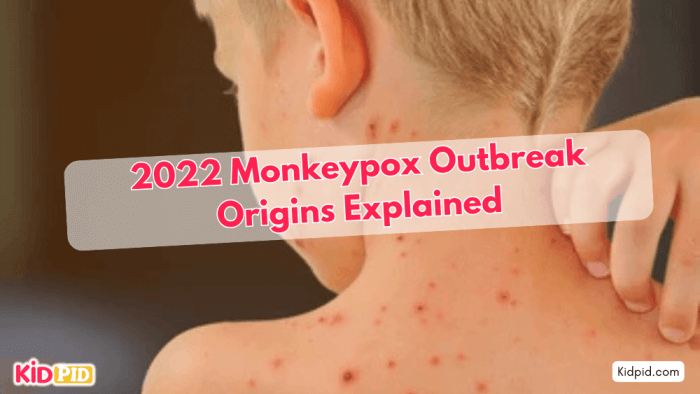
Monkeypox is a rare viral illness that can spread from animals to humans and sometimes from person to person. In 2022, there was an outbreak of monkeypox in different countries. Let’s learn more about what causes monkeypox and how it spreads.
- A disease caused by the monkeypox virus, similar to smallpox but less serious. It causes fever, skin rashes, and sometimes pain and swelling.
- The virus is mainly found in animals, especially rodents and monkeys, in central and west Africa. Humans can get it by touching infected animals, or sometimes through close contact with someone who has the disease.
- Through direct contact with an infected animal or person, or through fluids like saliva. It can also spread through contaminated objects or surfaces.
- In 2022, monkeypox cases spread quickly in many countries outside Africa, making it an international concern. The spread was mostly through close contact during social activities or travel.
- After infection, people might feel tired, have a fever, or develop a rash that turns into bumps filled with fluid. In most cases, people recover with medical care, but some might need extra help if the disease gets severe.
- The best way to prevent monkeypox is by avoiding contact with animals that might carry the virus, and keeping away from sick people. Vaccines can help protect people who are at higher risk of getting it.
- Understanding how monkeypox spreads helps people stay safe and stop the virus from spreading further. Knowing how to protect ourselves can help prevent outbreaks in the future.
Contents
- What Triggers Monkeypox? Exploring the Origins of The 2022 Outbreak.
- Related MCQ’S
- 1. What is Monkeypox?
- 2. How was Monkeypox first discovered?
- 3. Which animals can spread Monkeypox to humans?
- 4. What is a possible reason for the re-emergence of Monkeypox?
- 5. How can humans get Monkeypox?
- 6. What are some common symptoms of Monkeypox?
- 7. What can we do to protect ourselves from Monkeypox?
- 8. Where was the first human case of Monkeypox identified?
- 9. How can Monkeypox spread between people?
- 10. What should you do if someone has Monkeypox?
- You may like these:
What Triggers Monkeypox? Exploring the Origins of The 2022 Outbreak.

Related MCQ’S
1. What is Monkeypox?
A) A type of flu
B) A viral disease from animals
C) A type of cancer
D) A bacterial infection
Answer: B) A viral disease from animals
Explanation: Monkeypox is a viral disease that spreads from animals to humans, and it was first discovered in monkeys in 1958.
2. How was Monkeypox first discovered?
A) In a laboratory experiment
B) In a group of monkeys kept for research
C) From a pet dog
D) From a person who traveled to Africa
Answer: B) In a group of monkeys kept for research
Explanation: Monkeypox was first discovered in 1958 when it appeared in monkeys that were kept for research.
3. Which animals can spread Monkeypox to humans?
A) Only monkeys
B) Only birds
C) Only rodents and some other animals
D) Only cats
Answer: C) Only rodents and some other animals
Explanation: While monkeypox was first discovered in monkeys, it can also spread from other animals, especially rodents.
4. What is a possible reason for the re-emergence of Monkeypox?
A) The extinction of smallpox
B) The increase in pets
C) The spread of flu
D) Too much rain
Answer: A) The extinction of smallpox
Explanation: After smallpox was eradicated, people stopped getting the vaccine that also protected them from monkeypox, which may have allowed monkeypox to spread more easily.
5. How can humans get Monkeypox?
A) From mosquito bites
B) Through contact with infected animals’ blood or bodily fluids
C) By touching plants
D) By breathing in the air from an infected person
Answer: B) Through contact with infected animals’ blood or bodily fluids
Explanation: Monkeypox can spread when humans come into contact with the blood, bodily fluids, or even undercooked meat from infected animals.
6. What are some common symptoms of Monkeypox?
A) Sore throat and cough
B) Fever, chills, muscle pain, and a rash
C) Vomiting and stomach pain
D) Skin irritation and sneezing
Answer: B) Fever, chills, muscle pain, and a rash
Explanation: Symptoms of monkeypox include flu-like symptoms like fever, chills, muscle pain, and then a rash with bumps on the skin.
7. What can we do to protect ourselves from Monkeypox?
A) Eat lots of sugar
B) Isolate anyone infected, wash hands, and avoid contact with infected materials
C) Travel to other countries
D) Stop exercising
Answer: B) Isolate anyone infected, wash hands, and avoid contact with infected materials
Explanation: To protect from monkeypox, it’s important to isolate infected people, practice good hygiene, and avoid contact with anything that could be contaminated.
8. Where was the first human case of Monkeypox identified?
A) USA
B) Brazil
C) Democratic Republic of the Congo
D) India
Answer: C) Democratic Republic of the Congo
Explanation: The first human case of monkeypox was identified in 1970 in the Democratic Republic of the Congo in a nine-month-old boy.
9. How can Monkeypox spread between people?
A) Through the air like a cold
B) Through close contact with an infected person or animal
C) By sitting near an infected person
D) Through eating food together
Answer: B) Through close contact with an infected person or animal
Explanation: Monkeypox spreads through close contact with someone who is infected, or with materials like bedding or clothing that have been in contact with an infected person.
10. What should you do if someone has Monkeypox?
A) Hug them and comfort them
B) Isolate them and avoid contact
C) Ignore the symptoms and continue with normal activities
D) Give them extra food
Answer: B) Isolate them and avoid contact
Explanation: If someone has monkeypox, they should be isolated to prevent the spread of the disease, and people should avoid close contact with them.
You may like these:
How do pain relievers work?
Pain relievers block pain signals, reduce inflammation, or affect the brain’s response to pain, providing temporary relief from discomfort or injury.
Microorganisms: Friend and Foe
Microorganisms are essential for processes like digestion, but harmful ones can cause infections. Balancing good and bad microbes is key to health.
Fungus – an overview
Fungi are diverse organisms, including mushrooms, molds, and yeasts. They play vital roles in ecosystems but can also cause diseases in plants and humans.
What are bacteria and what do they do?
Bacteria are single-celled organisms found everywhere. Some are harmful pathogens causing infections, while others are beneficial for digestion and nutrient cycling in ecosystems.