
Optimism means having a positive attitude towards life, even during challenges. It gives us hope, courage, and strength to move forward. Optimism inspires confidence, reduces stress, and helps in achieving goals. By focusing on possibilities instead of problems, optimistic people find happiness, success, and better health in everyday life.
Contents
10 Pointers About Optimism
- Optimism means seeing the bright side of things.
- It helps us stay happy even when things go wrong.
- Optimistic people believe good things will happen.
- It makes challenges seem easier to handle.
- Optimism improves our health and friendships.
- Saying positive words can boost our mood.
- Mistakes are lessons, not failures.
- Smiling and laughing spread optimism.
- Being grateful makes us more optimistic.
- Optimism is a choice; we can practice it every day.
Short Essay On Optimism
Essay On Optimism in 100 Words
Optimism is the habit of looking at the bright side of life. It means believing that good things will happen, even when times are tough. Optimistic people stay happy and hopeful because they focus on solutions, not problems. For example, if they fail a test, they think, “I will try harder next time!” Optimism helps us stay strong, make friends, and enjoy life. Smiling, saying kind words, and being grateful are simple ways to stay optimistic. When we choose positivity, we inspire others, too. Life becomes more fun when we believe in better days ahead!
Essay On Optimism in 200 Words
Optimism is a superpower that helps us stay happy and hopeful. It means believing that good things are possible, even in difficult situations. An optimistic person sees a rainbow after the rain, not just the dark clouds. For example, if a game is canceled, they might say, “Now we can plan something even better!”
Optimism makes challenges easier because it turns “I can’t” into “I’ll try.” Studies show that optimistic people are healthier, make more friends, and handle stress better. Simple habits like smiling, saying positive words, and being thankful boost optimism.
Mistakes and failures don’t discourage optimistic kids—they see them as lessons. Thomas Edison failed many times before inventing the light bulb, but he said, “I found ways that don’t work!” This shows how optimism leads to success.
When we stay positive, we also spread joy to others. A simple “We can do this!” can lift someone’s mood. Life has ups and downs, but optimism helps us enjoy the journey. By choosing hope over worry, we make every day brighter!
Essay On Optimism in 300 Words
Optimism is like wearing glasses that make life look brighter. It is the belief that good things will happen, even when situations seem tough. An optimistic person doesn’t ignore problems but faces them with hope. For example, if they lose a match, they think, “Next time, I’ll practice harder!” instead of giving up.
This positive attitude has many benefits. Optimistic people are happier, healthier, and more resilient. They handle stress better because they focus on solutions. Scientists say optimism strengthens the immune system and helps people live longer! It also improves friendships people enjoy being around those who spread positivity.
History is full of optimistic achievers. Helen Keller, despite being blind and deaf, said, “Keep your face to the sunshine, and you cannot see the shadows.” Walt Disney was fired for “lacking creativity,” but stayed optimistic and built a magical empire. Their stories teach us that optimism turns dreams into reality.
We can grow optimism with small daily habits. Saying “I can” instead of “I can’t,” writing down things we’re thankful for, and smiling often train our brains to stay positive. Even on bad days, remembering past successes keeps hope alive.
Optimism also helps others. A kind word like “You’ve got this!” can change someone’s day. When teams stay optimistic, they work better together. Challenges become adventures, and mistakes turn into lessons.
Life will always have storms, but optimism is our umbrella. It doesn’t mean ignoring sadness—it means trusting that sunshine will return. By choosing hope, we make our world brighter, one positive thought at a time!
Long Essay On Optimism in 500 Words
Introduction
Optimism is a mindset that focuses on hope, positivity, and the expectation of favorable outcomes. It is the belief that good things will happen, even in challenging situations. Optimistic individuals tend to approach life with confidence and resilience, which helps them overcome obstacles and achieve success. This essay explores the importance of optimism, its benefits, and how it can be cultivated in daily life.
The Benefits of Optimism
Optimism has numerous psychological and physical benefits. Studies show that optimistic people experience lower stress levels, better mental health, and stronger immune systems. They are also more likely to engage in healthy behaviors, such as exercising and maintaining a balanced diet. Furthermore, optimism enhances problem-solving skills, as hopeful individuals view challenges as opportunities rather than setbacks. This positive outlook leads to greater motivation and perseverance in personal and professional life.
Optimism vs. Pessimism
While optimism focuses on positive expectations, pessimism leans toward negative outcomes. Pessimists often doubt their abilities and anticipate failure, which can lead to anxiety and avoidance of challenges. In contrast, optimists embrace difficulties with confidence, believing they can find solutions. However, a balanced perspective—realistic optimism—is ideal, as it combines hope with practical thinking, preventing unrealistic expectations.
Cultivating Optimism
Optimism can be developed through conscious effort. Practicing gratitude, reframing negative thoughts, and surrounding oneself with positive influences are effective strategies. Setting realistic goals and celebrating small victories also reinforces an optimistic mindset. Additionally, mindfulness and meditation help individuals stay present and reduce pessimistic thinking. Over time, these habits rewire the brain to default to positivity.
Optimism in Difficult Times
During hardships, optimism acts as a coping mechanism. It provides emotional strength and the determination to keep moving forward. For example, optimistic individuals recover faster from failures because they see them as temporary and learn from them. Historical figures like Thomas Edison and Helen Keller demonstrated optimism by persisting despite immense challenges, proving that a hopeful attitude leads to breakthroughs.
Conclusion
Optimism is a powerful tool that improves mental and physical well-being, enhances resilience, and fosters success. By consciously practicing positivity, individuals can transform their outlook on life and navigate difficulties with confidence. While challenges are inevitable, an optimistic mindset ensures that setbacks are viewed as stepping stones rather than obstacles. Embracing optimism leads to a happier, healthier, and more fulfilling life.

FAQs on Optimism
Q1. What is optimism?
Ans. Seeing the bright side and believing in good outcomes.
Q2. How does optimism help us?
Ans. It keeps us happy, healthy, and resilient.
Q3. What do optimistic people say when they fail?
Ans. “I’ll try harder next time!”
Q4. Name one optimistic inventor mentioned.
Ans. Thomas Edison.
Q5. How can we practice optimism daily?
Ans. Smiling, saying positive words, and being grateful.
Q6. Can optimism be developed?
Ans. Yes, through gratitude, positive thinking, and mindfulness practices.
Q7. What is realistic optimism?
Ans. It combines hope with practical thinking to avoid unrealistic expectations.
Q8. How does optimism help in difficult times?
Ans. It provides emotional strength and motivation to overcome challenges.
Q9. Name a historical figure known for optimism.
Ans. Thomas Edison, who persisted despite failures.
Q10. Why is optimism important for success?
Ans. It fosters perseverance, creativity, and a solution-oriented mindset.
Optimism is the key to happiness, success, and inner strength. It makes life brighter and more meaningful. Staying positive helps us overcome difficulties and create a hopeful future. Visit our website for paragraphs, essays, worksheets, flashcards, Quizzes, and other interactive resources. Keep learning with us on YouTube & Facebook.
You might also like
Essay – Anna Hazare: The Anti-Corruption Crusader

An inspiring essay on Anna Hazare, an Indian social activist who led the Lokpal movement, transformed his village, fought corruption, and earned the Padma Bhushan.
Essay – Mikhail Gorbachev

A clear essay on Mikhail Gorbachev, the last Soviet leader, who introduced glasnost and perestroika, helped end the Cold War, and reshaped world history.
Volunteering: Essay, 10 Pointers & Questions

A heartwarming essay on Volunteering shows how helping others without expecting pay builds kindness, teamwork, happiness, and community strength through everyday caring acts.
Artificial Intelligence: Essay, 10 Pointers and Questions
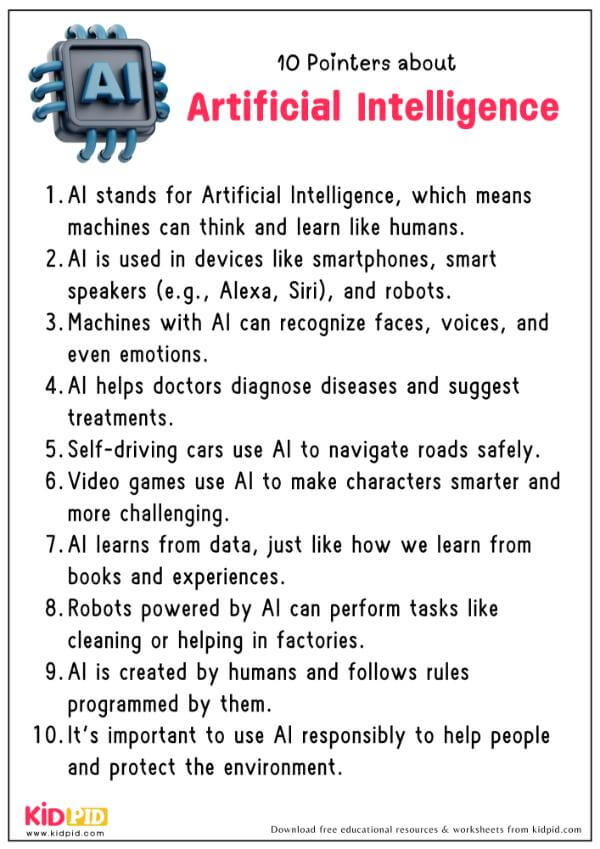
A clear essay on Artificial Intelligence (AI) shows how smart machines—like Siri and self-driving cars—learn, help in medicine, games, and daily life.
Civil Disobedience: Essay, 10 Pointers and Questions

A clear essay on civil disobedience explains peaceful resistance to unjust laws, inspired by Gandhi and Martin Luther King Jr., through 10 points and guiding questions.