

“Land Pollution” is an essential topic that students may be asked to write a paragraph about in school exams. Land pollution occurs when waste and trash contaminate the ground, harming the environment, animals, plants, and human health. Please check the various versions (in 100 words, 150 words, 200 words, and 300 words) provided below for the paragraph.
Contents
- Paragraph on ‘Land Pollution’ in 100 words
- Paragraph on ‘Land Pollution’ in 150 words
- Paragraph on ‘Land Pollution’ in 200 words
- Paragraph on ‘Land Pollution’ in 300 words
- MCQ’s on ‘Land Pollution’
- 1. What is land pollution?
- 2. What is one of the biggest causes of land pollution?
- 3. What can happen to animals because of land pollution?
- 4. Which type of waste takes a long time to break down?
- 5. What can we do to stop land pollution?
- 6. Why is land pollution harmful to plants?
- 7. What should we do to clean up areas like parks and beaches?
- 8. What is one way that chemical waste harms the land?
- 9. How long can some waste, like plastic, stay on the ground?
- 10. What can help reduce land pollution in local areas?
- You may like these:
Paragraph on ‘Land Pollution’ in 100 words


Land pollution is when the land is covered with trash and waste. This can happen when people throw garbage on the ground instead of throwing it in the trash bin. Land pollution can hurt plants, animals, and even people. When garbage is left on the ground, it makes the environment dirty and unhealthy. Some types of waste can take a long time to break down. To stop land pollution, we should throw trash in the right place, recycle, and use less plastic. By keeping our land clean, we help protect nature and keep the world beautiful.
Paragraph on ‘Land Pollution’ in 150 words
Land pollution happens when people throw trash and waste on the ground. It can make the land dirty and unhealthy. Littering is one of the biggest causes of land pollution. When garbage is not properly thrown away, it can harm the environment. For example, animals might eat the trash or get stuck in it. Some waste, like plastic, can stay on the land for a long time. This can make the land and water dirty. We can help stop land pollution by using trash cans, recycling, and reducing the use of plastic. It’s important to clean up after ourselves and make sure we do not pollute the land. If everyone helps, we can keep our land clean and safe.
Paragraph on ‘Land Pollution’ in 200 words
Land pollution is when the land becomes dirty because of garbage and waste. People often throw trash on the ground instead of putting it in the trash bin. This leads to a buildup of litter, which makes the environment look bad. Land pollution is harmful to both animals and plants. When animals eat garbage or get caught in it, they can get hurt or sick. Plastic waste, for example, takes many years to break down, and it can harm the land and water. Another type of land pollution is when people throw chemicals or toxic waste on the ground, which can make the soil unhealthy.
To stop land pollution, we need to be careful about how we use and dispose of things. It is important to recycle, use less plastic, and throw garbage in the right place. We should also clean up areas like parks and beaches. Schools, communities, and governments can organize clean-up programs to keep the land safe. If everyone does their part, we can protect our land and keep it clean and safe for everyone to enjoy.
Paragraph on ‘Land Pollution’ in 300 words

Land pollution is a big problem that happens when trash and waste are thrown on the ground instead of being disposed of properly. People often throw garbage on the streets, in parks, or even in the woods, making the land dirty. Land pollution can cause many problems for the environment. When garbage is left on the land, it not only looks bad, but it can also harm plants, animals, and even humans. For example, animals can eat garbage, which can make them sick or even kill them. Some types of waste, like plastic, can stay on the ground for hundreds of years and harm the environment for a long time.
There are many causes of land pollution. One of the biggest causes is littering, when people carelessly throw trash on the ground. Industrial waste from factories can also pollute the land. Chemicals, like pesticides and fertilizers, can seep into the soil and make it unhealthy for plants and animals. Even old tires and broken electronics can contribute to land pollution.
To stop land pollution, we can all help. It’s important to use trash cans, recycle, and reduce our use of plastic. We should also be careful not to spill chemicals or waste on the ground. Communities can organize clean-up programs in local areas, and schools can teach children about how to keep the land clean. By working together, we can make the earth a cleaner, safer place for everyone and for the plants and animals that live here.
MCQ’s on ‘Land Pollution’
1. What is land pollution?
a) When the air is polluted
b) When the land is covered with trash and waste
c) When water is polluted
d) When there is too much recycling
Answer: b) When the land is covered with trash and waste
Explanation: Land pollution occurs when trash is thrown on the ground, making the land dirty.
2. What is one of the biggest causes of land pollution?
a) Using too much water
b) Littering
c) Planting trees
d) Overuse of electricity
Answer: b) Littering
Explanation: Littering, when people throw trash on the ground, is a major cause of land pollution.
3. What can happen to animals because of land pollution?
a) They can play with trash
b) They can get sick or hurt
c) They can grow bigger
d) They can sleep more
Answer: b) They can get sick or hurt
Explanation: Animals can eat or get stuck in trash, which can hurt or even kill them.
4. Which type of waste takes a long time to break down?
a) Paper
b) Food
c) Plastic
d) Wood
Answer: c) Plastic
Explanation: Plastic takes many years to break down and harms the land and water.
5. What can we do to stop land pollution?
a) Throw trash on the ground
b) Recycle and use trash cans
c) Ignore the trash
d) Use more plastic
Answer: b) Recycle and use trash cans
Explanation: Using trash cans, recycling, and reducing plastic help reduce land pollution.
6. Why is land pollution harmful to plants?
a) It makes them grow faster
b) It makes the soil unhealthy
c) It gives them more sunlight
d) It helps them get water
Answer: b) It makes the soil unhealthy
Explanation: Pollutants like chemicals can make the soil unhealthy for plants to grow.
7. What should we do to clean up areas like parks and beaches?
a) Leave the trash on the ground
b) Organize clean-up programs
c) Ignore the garbage
d) Make more plastic waste
Answer: b) Organize clean-up programs
Explanation: Communities can organize programs to clean up areas and reduce land pollution.
8. What is one way that chemical waste harms the land?
a) It helps plants grow faster
b) It makes the soil unhealthy
c) It attracts animals
d) It cleans the environment
Answer: b) It makes the soil unhealthy
Explanation: Chemicals like pesticides can make the soil unhealthy for plants and animals.
9. How long can some waste, like plastic, stay on the ground?
a) A few days
b) A few months
c) Hundreds of years
d) A few hours
Answer: c) Hundreds of years
Explanation: Plastic can stay on the ground for hundreds of years and harm the environment.
10. What can help reduce land pollution in local areas?
a) Throwing trash in the water
b) Educating people and organizing clean-ups
c) Using more plastic
d) Throwing trash on the streets
Explanation: Teaching people about land pollution and organizing clean-up programs can help keep the land clean.


We hope you appreciated the paragraphs on the topic “Land Pollution,” thoughtfully prepared by our team of experienced teachers. Keep visiting our website and explore more paragraphs, essays, worksheets, flashcards, Quizzes and many other interactive resources. Don’t forget to follow us on YouTube & Facebook.
You may like these:
Air and Water Pollution: Causes and Effects
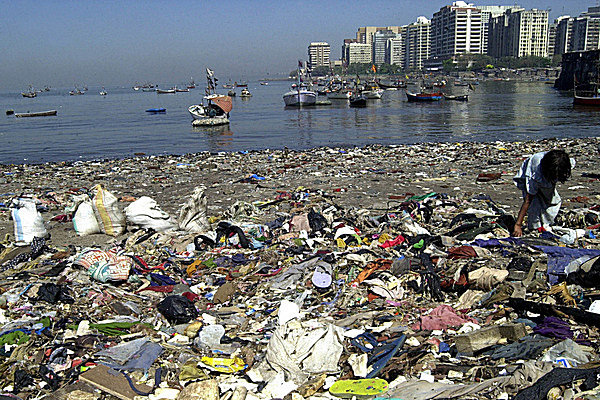

An exploration of how pollutants harm air and water, their sources like vehicles and waste, and the impact on health and nature, encouraging kids to protect these vital resources.
Kid-Friendly Paragraph on ‘Pollution’


A simple and engaging explanation of pollution, its types, and effects, helping kids understand environmental challenges and inspiring them to take small steps toward a cleaner planet.


