

“The Formation of Galaxies” is an important topic that students may be required to write a paragraph about in school exams. Galaxies are enormous groups of stars, gas, and dust held together by gravity. They form over millions of years through cosmic processes. Please check the various versions (in 100 words, 150 words, 200 words, and 300 words) provided below for the paragraph.
Contents
- Paragraph on ‘The Formation of Galaxies’ in 100 words
- Paragraph on ‘The Formation of Galaxies’ in 150 words
- Paragraph on ‘The Formation of Galaxies’ in 200 words
- Paragraph on ‘The Formation of Galaxies’ in 300 words
- MCQ’s on ‘The Formation of Galaxies’
- 1. What holds a galaxy together?
- 2. What is the first step in galaxy formation?
- 3. What are clouds of gas and dust that form galaxies called?
- 4. Which of the following is the shape of a galaxy?
- 5. How long does the process of galaxy formation take?
- 6. What happens after the gas and dust condense in a galaxy formation?
- 7. What is an example of a spiral galaxy?
- 8. What are elliptical galaxies shaped like?
- 9. Which type of galaxy has no clear shape?
- 10. How many stars can a galaxy have?
- You may like these:
Paragraph on ‘The Formation of Galaxies’ in 100 words


Galaxies are huge groups of stars, dust, and gas held together by gravity. They form from giant clouds of gas and dust in space. Over time, these clouds get pulled together by gravity, and the stars start to form. The stars group to make a galaxy. Some galaxies are spiral-shaped, like the Milky Way, while others are round or irregular. Galaxies can be very big, with billions of stars. The formation of galaxies takes millions of years, but it all begins with the gas and dust coming together through gravity.
Paragraph on ‘The Formation of Galaxies’ in 150 words
A galaxy is a huge collection of stars, dust, and gas that are all held together by gravity. Galaxies form when huge clouds of gas and dust come together over time. These clouds are pulled together by gravity, which causes the gas and dust to condense. As the particles come closer together, they start to form stars. These stars group to create a galaxy. There are different types of galaxies. Some galaxies, like the Milky Way, have a spiral shape, while others are round or have irregular shapes. Galaxies can have billions of stars, and they can be very far apart from each other. The process of forming a galaxy can take millions of years.
Paragraph on ‘The Formation of Galaxies’ in 200 words
Galaxies are massive groups of stars, dust, and gas that are all held together by gravity. The formation of galaxies begins when huge clouds of gas and dust come together. These clouds, called nebulae, can be made up of leftover materials from older stars or even from the Big Bang. Gravity causes these clouds to collapse and pull the gas and dust into smaller, denser regions. As the gas and dust come closer together, the particles begin to form stars. Some of these stars form clusters, which eventually become galaxies.
There are different types of galaxies. The Milky Way, the galaxy we live in, is a spiral galaxy. Other galaxies are round, called elliptical galaxies, or they might not have a clear shape and are called irregular galaxies. Galaxies can contain billions of stars, and they are spread out over huge distances in space. The process of galaxy formation takes millions of years, and galaxies continue to grow and change over time. The stars in galaxies can be born, live, and die, adding to the cosmic cycle of the universe.
Paragraph on ‘The Formation of Galaxies’ in 300 words
A galaxy is a huge collection of stars, dust, and gas that are all held together by the force of gravity. Galaxies can be very large, with billions of stars, and they come in many different shapes. The formation of galaxies starts when huge clouds of gas and dust come together. These clouds are called nebulae, and they contain the building blocks needed to form stars and planets. The gas and dust in these clouds are pulled together by gravity. As they come closer, they start to form smaller, denser regions.
In these dense regions, stars begin to form. These stars group in clusters and these clusters will eventually form a galaxy. Over millions of years, these stars continue to form and grow in size, causing the galaxy to become more organized. Galaxies can be different shapes. Some galaxies, like the Milky Way, are spiral-shaped, with arms that swirl out from the center. Other galaxies, called elliptical galaxies, are round or oval-shaped. Some galaxies don’t have a clear shape and are called irregular galaxies. These galaxies can look lumpy or uneven.
A galaxy can be very large, with billions or even trillions of stars. The stars in a galaxy can be of different ages. Some stars are young and still forming, while others are very old and have burned out. The process of galaxy formation takes millions of years, and galaxies continue to grow and change over time. Galaxies are spread far apart in space, and they can be separated by huge distances. Even though galaxies may seem very far away, they are an important part of the universe, helping us learn about space and the stars around us.
MCQ’s on ‘The Formation of Galaxies’
1. What holds a galaxy together?
a) Magnetism
b) Gravity
c) Electricity
d) Wind
Answer: b) Gravity
Explanation: Gravity is the force that pulls everything in a galaxy together, including stars, dust, and gas.
2. What is the first step in galaxy formation?
a) Stars form
b) Gas and dust come together
c) Planets form
d) The galaxy grows
Answer: b) Gas and dust come together
Explanation: Galaxies begin to form when clouds of gas and dust in space come together due to gravity.
3. What are clouds of gas and dust that form galaxies called?
a) Suns
b) Stars
c) Nebulae
d) Comets
Answer: c) Nebulae
Explanation: Nebulae are giant clouds made of gas and dust that come together to form galaxies.
4. Which of the following is the shape of a galaxy?
a) Circle
b) Triangle
c) Spiral
d) Square
Answer: c) Spiral
Explanation: Galaxies can have different shapes, including spiral, elliptical, or irregular. The Milky Way is spiral-shaped.
5. How long does the process of galaxy formation take?
a) Thousands of years
b) Millions of years
c) Hundreds of years
d) A few days
Answer: b) Millions of years
Explanation: Galaxy formation is a slow process, taking millions of years for stars and galaxies to form.
6. What happens after the gas and dust condense in a galaxy formation?
a) Stars explode
b) Stars begin to form
c) Planets form
d) Galaxies disappear
Answer: b) Stars begin to form
Explanation: Once the gas and dust condense, stars begin to form in the dense regions.
7. What is an example of a spiral galaxy?
a) The Milky Way
b) Andromeda
c) The Sun
d) Earth
Answer: a) The Milky Way
Explanation: The Milky Way is a spiral galaxy, which is one of the common shapes for galaxies.
8. What are elliptical galaxies shaped like?
a) Spiral
b) Square
c) Round or oval
d) Irregular
Answer: c) Round or oval
Explanation: Elliptical galaxies have a round or oval shape, which is different from the spiral shape.
9. Which type of galaxy has no clear shape?
a) Spiral galaxy
b) Elliptical galaxy
c) Irregular galaxy
d) Star system
Answer: c) Irregular galaxy
Explanation: Irregular galaxies don’t have a clear shape and can appear uneven or lumpy.
10. How many stars can a galaxy have?
a) Only one
b) A few stars
c) Billions or even trillions
d) None
Answer: c) Billions or even trillions
Explanation: Galaxies can contain billions or even trillions of stars, making them very large.


We hope you enjoyed the paragraphs on “The Formation of Galaxies,” crafted by our team of experienced teachers. Keep visiting our website and explore more paragraphs, essays, worksheets, flashcards, Quizzes, and many other interactive resources. Don’t forget to follow us on YouTube & Facebook.
You may like these:
Short Paragraph on ‘What is the Milky Way Galaxy?’


The Milky Way is a vast galaxy containing billions of stars, planets, and space objects. Our Solar System is part of this giant spiral galaxy.
Paragraph- ‘The Concept of Gravity in Space’

Gravity is the force that pulls objects together. It keeps planets orbiting the Sun, holds moons around planets, and controls the movement of stars and galaxies.
Short Paragraph on ‘What is a Black Hole?’

A black hole is a region in space with super-strong gravity. It pulls everything nearby, even light, making it invisible and mysterious.
What is the ‘Concept of Gravity’
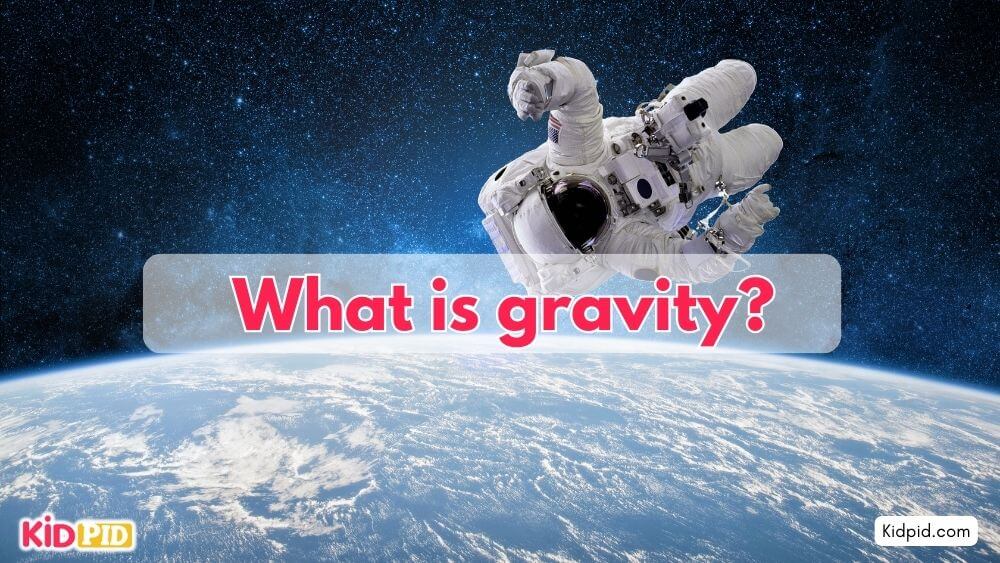

Gravity is the force that keeps us on Earth, makes planets orbit the Sun, and controls how objects move in space and on Earth.
Paragraph- ‘What Are Stars Made Of?’

Stars are made of hot gases, mainly hydrogen and helium. They shine by producing energy through nuclear fusion, creating heat and light in space.


