
As students, we use many tools and inventions every day that make learning easier and more fun. Some of these inventions have changed how we study, work, and play in school. Let’s take a look at some amazing creations that help us learn and grow!
- Notebooks and Pencils: Simple tools that help us write and draw.
- Backpacks: Keep all our school supplies in one place.
- Computers and Tablets: Make studying fun with games, videos, and online lessons.
- Smart Boards: Replace chalkboards with interactive and colorful displays.
- Calculators: Solve math problems quickly and easily.
- Internet: Helps us find information and connect with friends.
- School Apps: Make learning and homework more exciting.
Contents
- Inventions Transforming the Back-to-School Journey for Every Student
- Related MCQ’S
- 1. Who is often called the “father of the common school movement”?
- 2. What did ancient Sumerians use to write before modern paper?
- 3. What invention made writing easier and more efficient in the 19th century?
- 4. Which invention helps us correct mistakes made while writing?
- 5. Who is credited with the idea of assigning homework?
- 6. What was the first form of writing used by ancient Egyptians?
- 7. When were compulsory school attendance laws first established in parts of Europe?
- 8. What major advancement in writing technology occurred in the 15th century?
- 9. What material is used in modern pencil leads?
- 10. What were the first exams in history developed to assess?
- You may like these:
Inventions Transforming the Back-to-School Journey for Every Student

Related MCQ’S
1. Who is often called the “father of the common school movement”?
A) Horace Mann
B) Johannes Gutenberg
C) Johan Gottlieb Fichte
D) Charles Goodyear
Answer: A) Horace Mann
Explanation: Horace Mann was a key figure in developing the modern education system in the United States, advocating for professional teachers and organized curriculum.
2. What did ancient Sumerians use to write before modern paper?
A) Animal skin
B) Clay tablets
C) Bamboo
D) Papyrus
Answer: B) Clay tablets
Explanation: The ancient Sumerians carved letters into moist clay tablets, which were then baked to harden.
3. What invention made writing easier and more efficient in the 19th century?
A) Ballpoint pen
B) Fountain pen
C) Typewriter
D) Graphite pencil
Answer: B) Fountain pen
Explanation: The fountain pen was patented in the 19th century and allowed for easier writing by holding ink within the pen itself.
4. Which invention helps us correct mistakes made while writing?
A) Pencil
B) Eraser
C) Ruler
D) Sharpener
Answer: B) Eraser
Explanation: Erasers are specifically designed to remove pencil marks from paper, allowing for corrections.
5. Who is credited with the idea of assigning homework?
A) Horace Mann
B) Johann Gottlieb Fichte
C) Petriche Orner
D) Alfred Einstein
Answer: B) Johann Gottlieb Fichte
Explanation: Fichte is credited with conceiving the modern concept of homework, intending to promote nationalism.
6. What was the first form of writing used by ancient Egyptians?
A) Ink and paper
B) Quill pens
C) Reed pens
D) Graphite pencils
Answer: C) Reed pens
Explanation: The first pens used by ancient Egyptians were made from reeds, utilized to write on papyrus.
7. When were compulsory school attendance laws first established in parts of Europe?
A) 1600s
B) 1700s
C) 1800s
D) 1900s
Answer: B) 1700s
Explanation: The 18th century saw the establishment of mandatory school attendance in various European regions.
8. What major advancement in writing technology occurred in the 15th century?
A) The typewriter
B) The printing press
C) The ballpoint pen
D) The quill pen
Answer: B) The printing press
Explanation: Johannes Gutenberg invented the printing press in the 15th century, which revolutionized book production and made literature more accessible.
9. What material is used in modern pencil leads?
A) Lead
B) Graphite
C) Charcoal
D) Ink
Answer: B) Graphite
Explanation: Pencil leads are made of graphite, a form of carbon that leaves marks on paper.
10. What were the first exams in history developed to assess?
A) Academic knowledge
B) Government positions
C) Sports skills
D) Artistic ability
Answer: B) Government positions
Explanation: The first organized exams were the Imperial examinations in ancient China, aimed at selecting candidates for government roles.
You may like these:
Mother’s Day Handprint Crafts for Kids
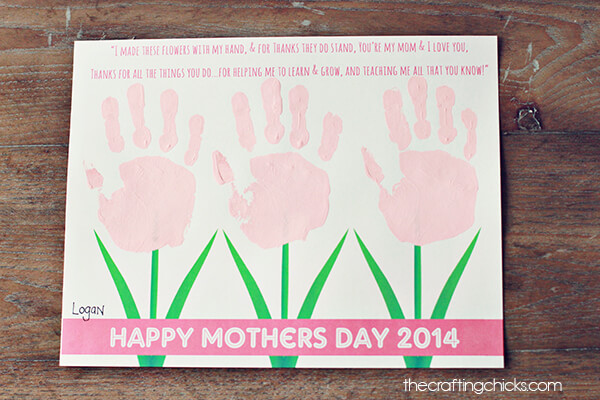

Create memorable Mother’s Day gifts with handprint crafts. Kids can make personalized cards, framed prints, and more, showing love through their unique handprints.
Easy Apple Craft Ideas For Kids


Engage kids with simple apple-themed crafts. Use paper, paint, and other materials to make apple prints, cut-out shapes, or a mini apple tree.