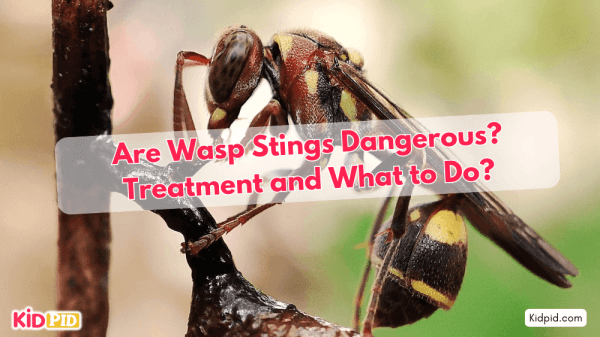
Wasp stings can hurt, and it’s important to know what to do if you get stung. Wasps are insects that can be found in many places, and while they usually won’t bother you, they can sting if they feel scared. Here’s a simple summary of what you need to know about wasp stings:
- Are Wasp Stings Risky?
Wasp stings can be painful and may cause swelling.
Most people recover quickly, but some might have allergic reactions. - What to Do If Stung:
Stay Calm: Try not to panic.
Get Away: Move to a safe place away from the wasp. - How to Treat a Wasp Sting:
Clean the Area: Wash the sting site with soap and water.
Ice the Sting: Put ice on it to reduce swelling and pain.
Take Medicine: Over-the-counter pain relievers can help.
Watch for Allergic Reactions: If someone has trouble breathing or swelling, get help right away! - Prevention Tips:
Avoid wearing bright colors or strong scents outside.
Be careful around food and garbage, as wasps are attracted to them.
Contents
- Are Wasp Stings Dangerous? What to Do and How to Treat?
- Related MCQ’S
- 1. What is the first step you should take after being stung by a wasp?
- 2. Why is it important to apply a cold pack to a wasp sting?
- 3. Which of the following should be avoided after a wasp sting?
- 4. When should you seek medical attention after a wasp sting?
- 5. What natural remedy can be applied to a wasp sting to neutralize the venom?
- You may like these:
Are Wasp Stings Dangerous? What to Do and How to Treat?

Related MCQ’S
1. What is the first step you should take after being stung by a wasp?
a) Apply ice directly to the sting
b) Wash the area with soap and water
c) Scratch the sting site
d) Cover the sting with a bandage
Answer: b) Wash the area with soap and water
Explanation: Cleaning the sting site helps remove any venom and reduces the risk of infection.
2. Why is it important to apply a cold pack to a wasp sting?
a) To increase blood flow
b) To reduce swelling and pain
c) To warm the area
d) To dry out the sting
Answer: b) To reduce swelling and pain
Explanation: A cold pack helps numb the area and decreases inflammation.
3. Which of the following should be avoided after a wasp sting?
a) Taking antihistamines
b) Scratching the sting site
c) Elevating the affected limb
d) Drinking plenty of water
Answer: b) Scratching the sting site
Explanation: Scratching can introduce bacteria and lead to infection.
4. When should you seek medical attention after a wasp sting?
a) If there is mild redness
b) If swelling persists for an hour
c) If you experience difficulty breathing
d) If the pain subsides quickly
Answer: c) If you experience difficulty breathing
Explanation: Difficulty breathing may indicate a severe allergic reaction requiring immediate medical attention.
5. What natural remedy can be applied to a wasp sting to neutralize the venom?
a) Lemon juice
b) Baking soda paste
c) Vinegar
d) Honey
Answer: c) Vinegar
Explanation: Applying vinegar can help neutralize the alkaline venom from a wasp sting.
You may like these:
Why do wasps sting?
Wasps sting to defend themselves or their nests, using venom to protect their colony. They also sting to capture prey for food or to deter threats.
How do pain relievers work?
Pain relievers block or reduce pain signals sent to the brain. They target specific pathways, reduce inflammation, or alter pain perception to provide relief.
IEO Previous Year Question Paper for Class 7 (English Olympiad 2016, SET A)
This question paper helps Class 7 students practice for the International English Olympiad (IEO). It includes questions from the 2016 SET A exam for preparation.
Why don’t clownfish get stung by sea anemones?
Clownfish secrete a protective mucus on their skin, preventing sea anemone stings. This mutual relationship allows clownfish to safely live among the anemones’ venomous tentacles.