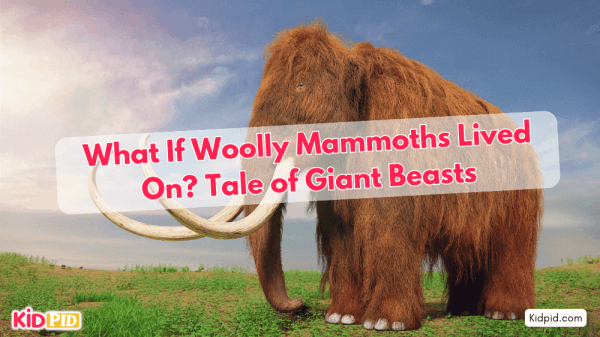
Woolly mammoths were huge, furry animals that lived a long, long time ago during the Ice Age. Imagine if they had survived until today! Let’s explore what the world might be like if woolly mammoths were still around and learn more about these colossal creatures.
- What Were Woolly Mammoths: Woolly mammoths were large, elephant-like animals covered in thick fur. They had long, curved tusks and lived in cold places.
- Why Did They Go Extinct: Woolly mammoths died out about 4,000 years ago due to climate change and hunting by humans. Their habitats changed, and they couldn’t find enough food.
- What If They Had Survived: If woolly mammoths were still alive, they could help scientists learn more about prehistoric life. They might live in places like Siberia, where it’s cold and suitable for them.
- Impact on the Environment: Mammoths could help keep the grasslands healthy by grazing on plants and trees. Their presence might affect other animals and plants in their ecosystem.
Contents
- What If Woolly Mammoths Lived On? Tale of Giant Beasts
- Related MCQ’S
- 1. What is one reason woolly mammoths went extinct?
- 2. How much food did a woolly mammoth eat in a day?
- 3. What feature helped woolly mammoths adapt to cold weather?
- 4. Why is it difficult for mammoths to have large populations?
- 5. What is a suggested way to protect wildlife today?
- 6. What other woolly animal lived during the time of the woolly mammoth?
- You may like these:
What If Woolly Mammoths Lived On? Tale of Giant Beasts

Related MCQ’S
1. What is one reason woolly mammoths went extinct?
a) Lack of predators
b) Climate change
c) Too much food
d) Overpopulation
Answer: b) Climate change
Explanation: The core factor behind the extinction of woolly mammoths was climate change, which altered their habitat and food availability.
2. How much food did a woolly mammoth eat in a day?
a) 100 pounds
b) 250 pounds
c) 500 pounds
d) 1,000 pounds
Answer: c) 500 pounds
Explanation: Woolly mammoths munched on around 500 pounds of flowering plants daily to sustain their large bodies.
3. What feature helped woolly mammoths adapt to cold weather?
a) Long tails
b) Thick fur and tusks
c) Webbed feet
d) Feathers
Answer: b) Thick fur and tusks
Explanation: Woolly mammoths had thick fur to keep warm and long tusks to help them grab things and protect themselves in cold environments.
4. Why is it difficult for mammoths to have large populations?
a) They eat too much food.
b) They reproduce very slowly.
c) They only live for a short time.
d) They cannot survive in groups.
Answer: b) They reproduce very slowly.
Explanation: Woolly mammoths take 15 years to grow up, and their pregnancies last 22 months, making population growth very slow.
5. What is a suggested way to protect wildlife today?
a) Stop hunting all animals.
b) Set aside parts of the planet for wildlife.
c) Feed them daily.
d) Keep them as pets.
Answer: b) Set aside parts of the planet for wildlife.
Explanation: Creating protected areas for wildlife helps preserve habitats and keep animals safe from threats like poaching.
6. What other woolly animal lived during the time of the woolly mammoth?
a) Woolly lion
b) Woolly rhinoceros
c) Woolly bear
d) Woolly tiger
Answer: b) Woolly rhinoceros
Explanation: Alongside woolly mammoths, the woolly rhinoceros also existed but went extinct around the same time.
You may like these:
Label The Zoo Animal Worksheet


Engage kids in learning with this interactive worksheet. Identify and label various zoo animals, boosting vocabulary, observation skills, and animal recognition abilities.
How do Animals Survive in the Cold?
Discover amazing adaptations animals use to survive harsh winters. Learn about hibernation, thick fur, and unique behaviors that help them thrive in freezing conditions.
Paragraph on ‘Forest Animals’
Explore the diverse world of forest animals. Learn about their habitats, roles in ecosystems, and fascinating behaviors in this concise and informative paragraph.
Essay – The Impact Of Climate Change
Understand how climate change affects the planet through this essay. Explore its consequences on weather, ecosystems, wildlife, and steps to mitigate environmental damage.