Potatoes are a tasty food that many people eat every day, but did you know they played a big role in helping save the world? Let’s discover how this humble vegetable became a hero in history!
- Potatoes are root vegetables that grow underground. They are full of nutrients and can be cooked in many different ways.
- Potatoes became a crucial food source during times of hunger and food shortages, especially in Europe.
- The Potato’s Role in History: In the 1700s and 1800s, people started growing potatoes because they were easy to grow and could feed many people.
- How Potatoes Helped During Famines: During famines (times of food scarcity), potatoes provided a quick and reliable source of food for many countries.
- Potatoes are still an important part of diets around the world and help feed millions of people every day.
- Fun Fact About Potatoes: Potatoes come in many colors, like brown, purple, and red, and they can be turned into chips, fries, or mashed potatoes!
Contents
- The Story of Potatoes: How They Helped Save The World.
- Related MCQ’S
- 1. What essential nutrients are found in potatoes?
- 2. Where did the ancient Peruvians start growing potatoes?
- 3. How did potatoes help solve food shortages in Europe?
- 4. What major impact did potatoes have on Europe in the 16th century?
- 5. When did potatoes reach China?
- 6. Which country is the world’s largest producer of potatoes today?
- 7. How did the potato contribute to the Industrial Revolution?
- 8. Why would it have been difficult for Allied armies to defeat Hitler’s troops without potatoes?
- 9. What is the Spanish word for potato?
- 10. What is the main composition of potatoes?
- You may like these:
The Story of Potatoes: How They Helped Save The World.

Related MCQ’S
1. What essential nutrients are found in potatoes?
a) Vitamins and proteins
b) Proteins, carbs, vitamins, and minerals
c) Only carbohydrates
d) Only proteins
Answer: b) Proteins, carbs, vitamins, and minerals
Explanation: Potatoes are rich in proteins, carbs, vitamins, and minerals, which make them an ideal source of energy.
2. Where did the ancient Peruvians start growing potatoes?
a) Europe
b) Andes Mountains
c) Africa
d) China
Answer: b) Andes Mountains
Explanation: Potatoes were first grown by the ancient Peruvians in the Andes Mountains of South America.
3. How did potatoes help solve food shortages in Europe?
a) They were used to make flour
b) They allowed farmers to grow more crops on less land
c) They were exported to other countries
d) They made farming easier in deserts
Answer: b) They allowed farmers to grow more crops on less land
Explanation: Potatoes helped farmers in Europe grow more crops with less land, reducing food shortages and leading to greater food security.
4. What major impact did potatoes have on Europe in the 16th century?
a) It caused wars over resources
b) It led to fewer wars due to food security
c) It made the climate colder
d) It caused a population decline
Answer: b) It led to fewer wars due to food security
Explanation: The introduction of potatoes in Europe helped improve food security, reducing the frequency of land disputes and wars over food.
5. When did potatoes reach China?
a) 1400s
b) 1560s
c) 1800s
d) 1900s
Answer: b) 1560s
Explanation: Potatoes reached China around the 1560s and became popular for growing in barren land to overcome food famines.
6. Which country is the world’s largest producer of potatoes today?
a) India
b) China
c) United States
d) Russia
Answer: b) China
Explanation: China is currently the world’s largest producer of potatoes.
7. How did the potato contribute to the Industrial Revolution?
a) By making farming impossible
b) By feeding a population that worked in factories
c) By making machines run on potatoes
d) By helping countries avoid wars
Answer: b) By feeding a population that worked in factories
Explanation: Potatoes helped maintain a well-fed population that operated the factories, which contributed to the Industrial Revolution.
8. Why would it have been difficult for Allied armies to defeat Hitler’s troops without potatoes?
a) They needed potatoes for weapons
b) Potatoes were used to feed the soldiers
c) Potatoes helped build war machines
d) Potatoes were needed for transportation
Answer: b) Potatoes were used to feed the soldiers
Explanation: Potatoes were crucial in providing food to soldiers during World War II, helping the Allied armies sustain themselves.
9. What is the Spanish word for potato?
a) Pomme de terre
b) Patata
c) Tater
d) Batata
Answer: b) Patata
Explanation: The word “potato” comes from the Spanish word “patata.”
10. What is the main composition of potatoes?
a) 80% solids and 20% water
b) 50% protein and 50% water
c) 20% solids and 80% water
d) 10% protein and 90% carbohydrates
Answer: c) 20% solids and 80% water
Explanation: Potatoes are made up of 80% water and only 20% solid matter.
You may like these:
Vitamins in Fruits & Vegetables Book
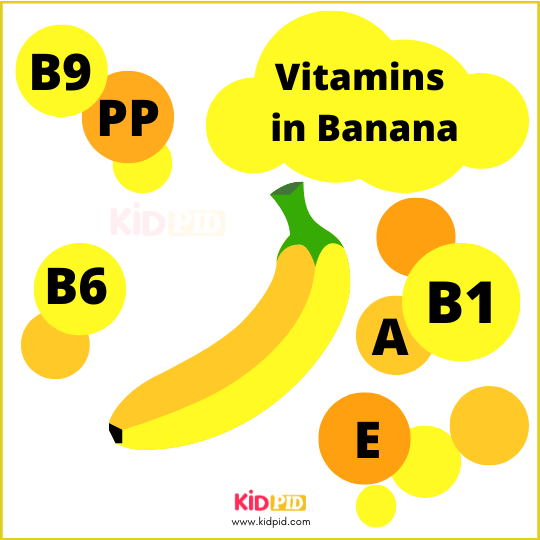

This book highlights essential vitamins found in fruits and vegetables. It educates about their benefits, from boosting immunity to supporting growth and overall health.
History through the eyes of the potato
Exploring history through the potato’s journey, this story traces its global spread, cultural significance, and impact on agriculture, economy, and cuisine throughout different eras.
How do vitamins work?
Vitamins support various bodily functions, from boosting immunity to maintaining healthy skin and bones. They help convert food into energy, ensuring overall health and proper growth.
Components of Food
Food contains essential components: carbohydrates for energy, proteins for growth, fats for energy storage, vitamins for body functions, and minerals to support health and bodily processes.