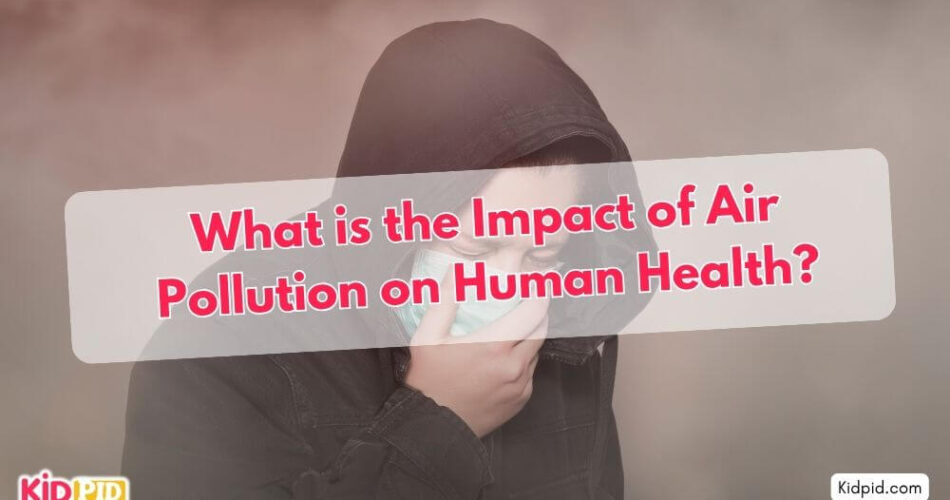
Air pollution has a significant impact on human health, leading to a range of respiratory problems, cardiovascular diseases, and exacerbating conditions like asthma. Long-term exposure can increase the risk of lung cancer and can also affect the central nervous system. Children, the elderly, and those with pre-existing health conditions are particularly vulnerable to the effects of air pollution.
Contents
- MCQs
- 1. What type of heart condition can be aggravated by air pollution?
- 2. Which group of people is MORE vulnerable to the effects of air pollution?
- 3. Long-term exposure to air pollution can increase the risk of which of the following diseases?
- 4. How does air pollution affect children differently than adults?
- Fill in The Blanks
- 1. Light pollution is the excessive and misdirected artificial __________ that brightens the night sky.
- 2. Light pollution disrupts __________ ecosystems.
- 3. Light pollution happens when artificial sources of light emit too much light that __________ into the atmosphere.
- 4. Light pollution creates a glowing effect that obscures the view of stars and __________ objects.
- 5. What is one way to reduce light pollution? Turn off unnecessary lights and use __________ outdoor lighting.
- True / False
MCQs
1. What type of heart condition can be aggravated by air pollution?
A) Cavities
B) Broken bones
C) Heart attacks
D) Skin rashes
2. Which group of people is MORE vulnerable to the effects of air pollution?
A) Teenagers
B) Adults in their 30s
C) Elderly people
D) People with blue eyes
3. Long-term exposure to air pollution can increase the risk of which of the following diseases?
A) Diabetes
B) Lung cancer
C) Hearing loss
D) Chickenpox
4. How does air pollution affect children differently than adults?
A) It makes them grow taller
B) It can slow down their lung development
C) It gives them better eyesight
D) It makes them better at sports
Fill in The Blanks
Choose from These Words:light,natural,scatters,celestial,shielded.
1. Light pollution is the excessive and misdirected artificial __________ that brightens the night sky.
2. Light pollution disrupts __________ ecosystems.
3. Light pollution happens when artificial sources of light emit too much light that __________ into the atmosphere.
4. Light pollution creates a glowing effect that obscures the view of stars and __________ objects.
5. What is one way to reduce light pollution? Turn off unnecessary lights and use __________ outdoor lighting.
True / False
1.Light pollution is caused by too much natural light in the sky.
2. Light pollution only affects humans.
3. Properly shielded or directed outdoor lights can help reduce light pollution.
Read More: