
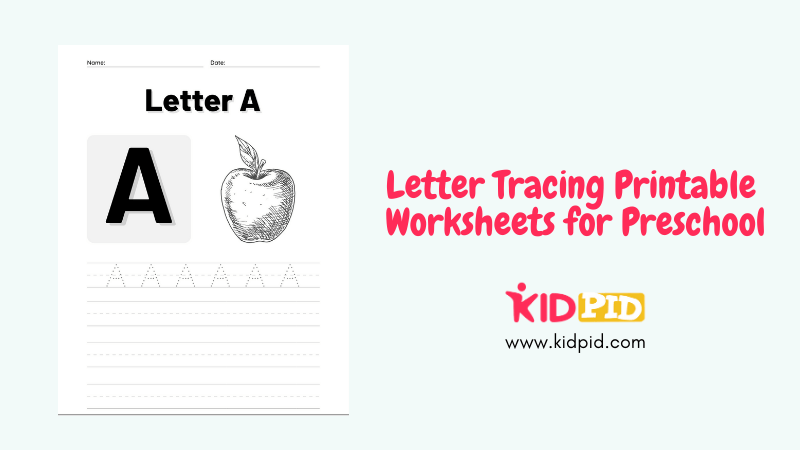
Tracing letters helps kids learn the alphabet and build penmanship skills. We provide a set of 26 tracing letter worksheets for uppercase letters.
[Scroll Down for Download Link]
Contents
- Letter Tracing Printable Worksheets
- Key Facts About Kidpid Letter Tracing Worksheets
- Parts, Types, and Examples of Preschool Tracing Worksheets
- How Do Letter Tracing Worksheets Work?
- Benefits of Learning About and Practicing Letter Tracing
- Learning Objectives
- Worksheet Instructions
- Interesting Facts About Letter Formation and Early Writing
- Vocabulary Words to Teach Your Preschooler
- Real-Life Applications
- FAQs
- You may like these:
Letter Tracing Printable Worksheets
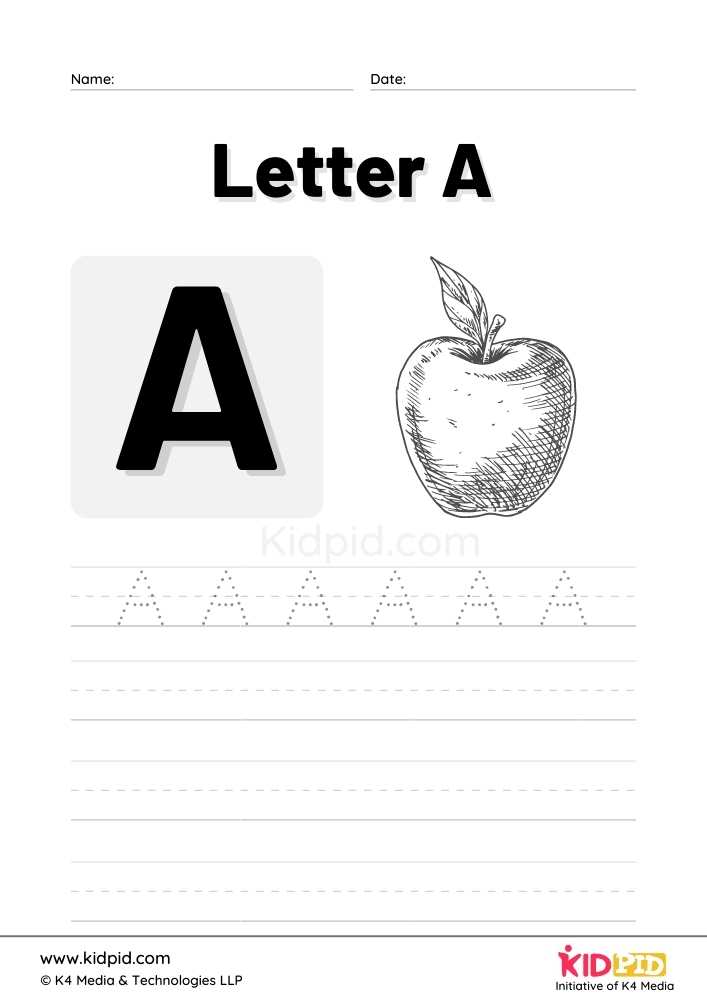
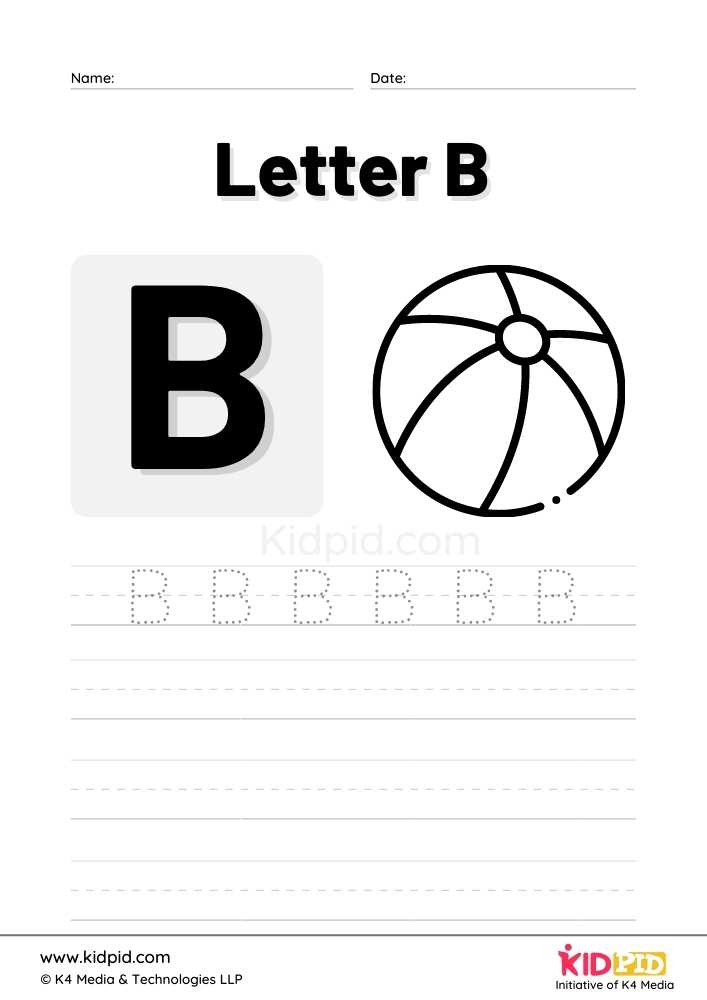
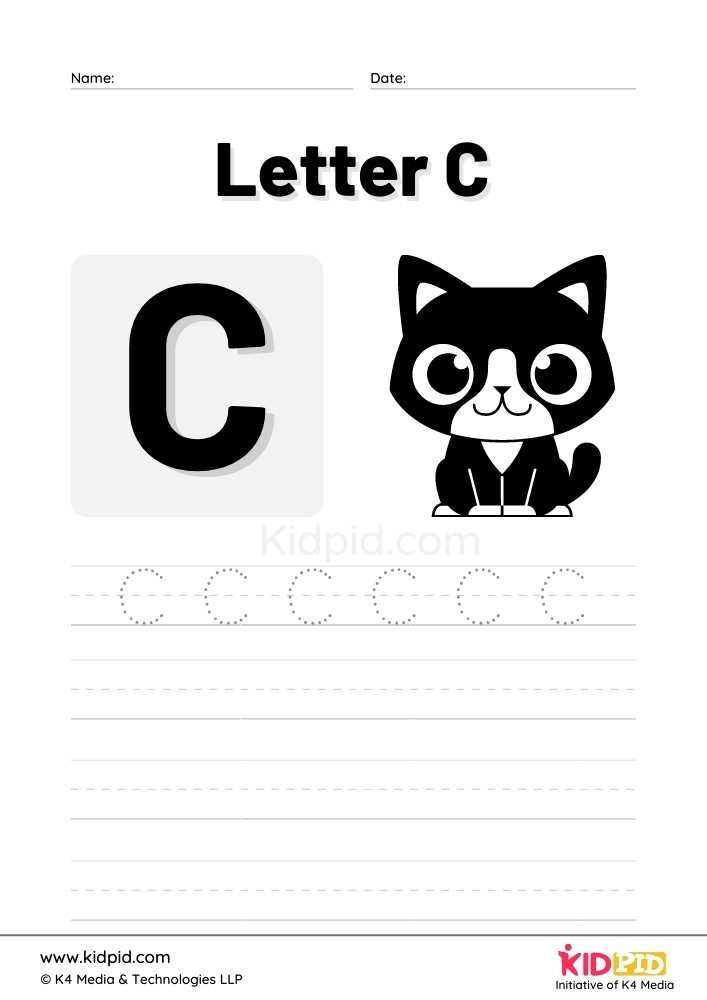
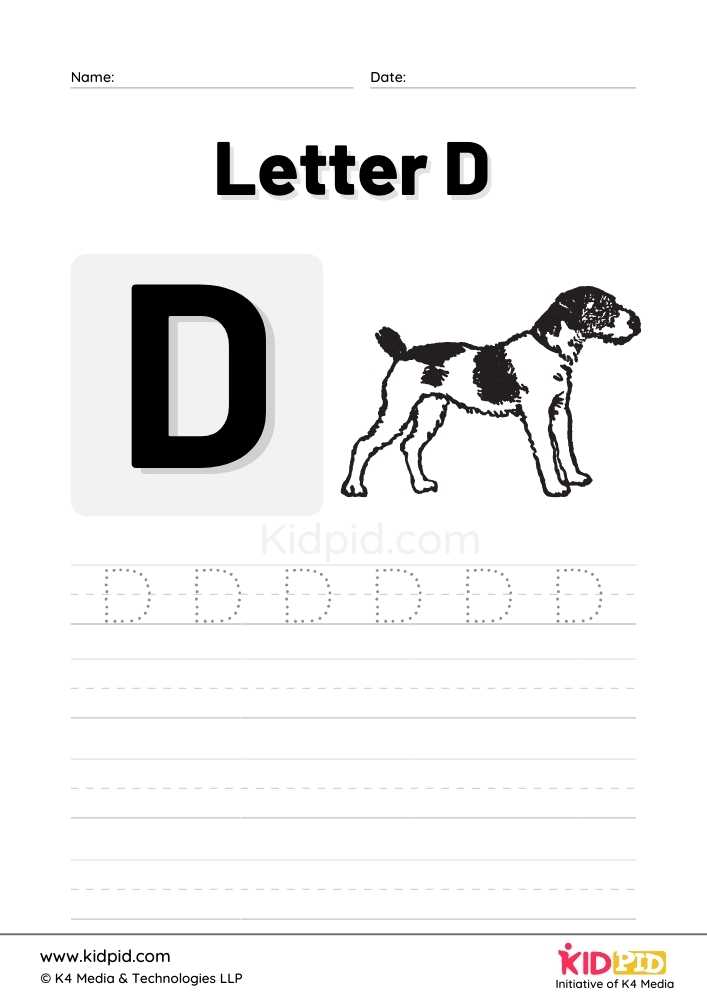
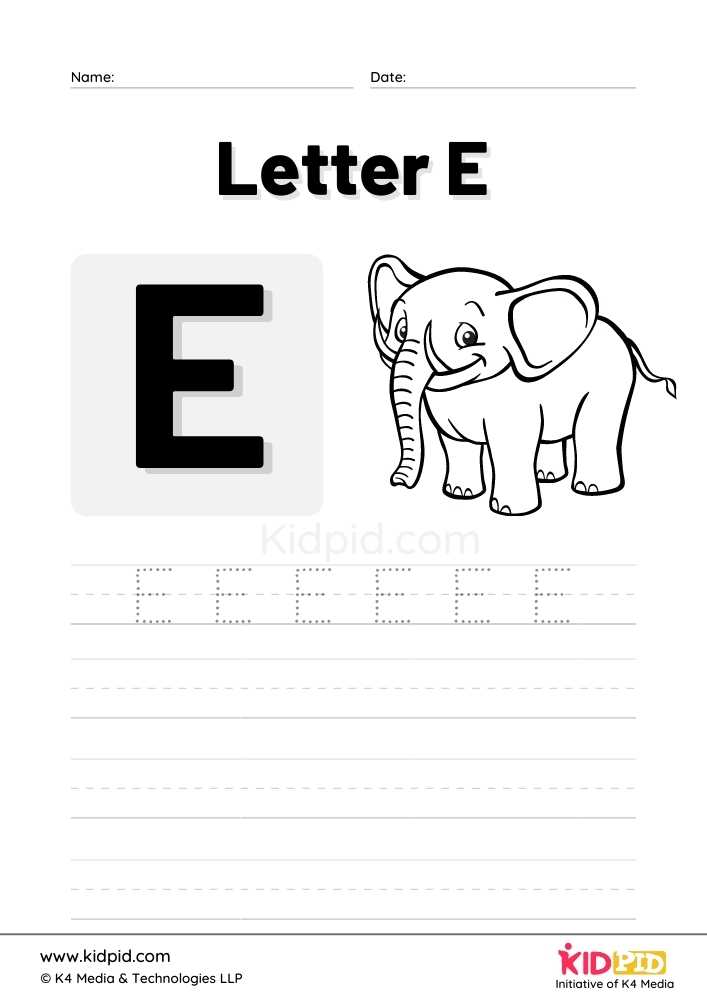
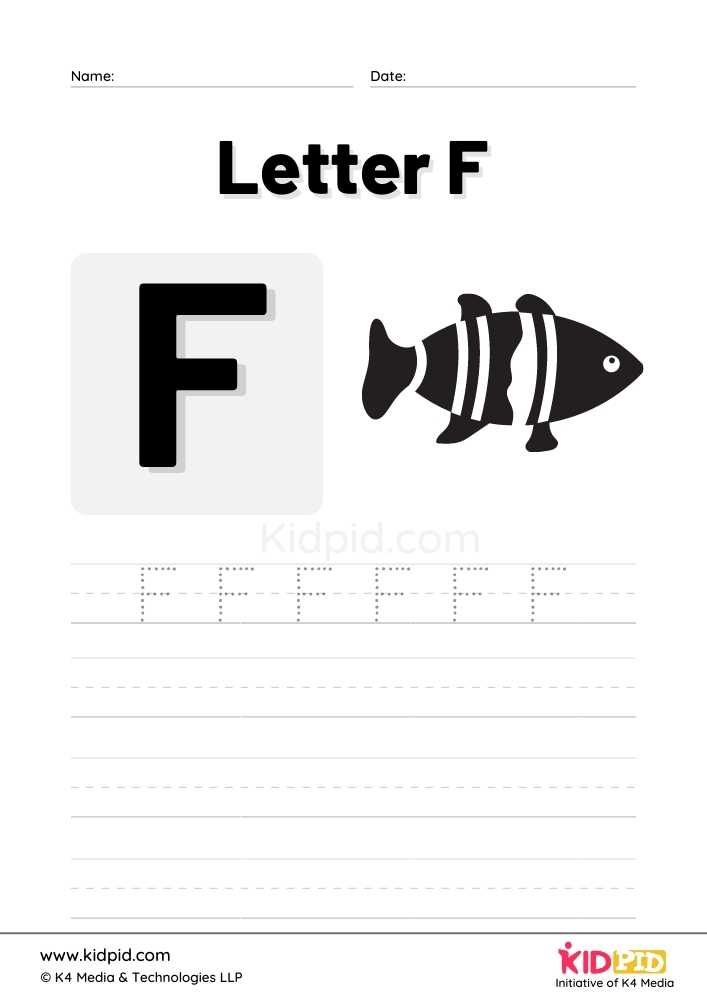
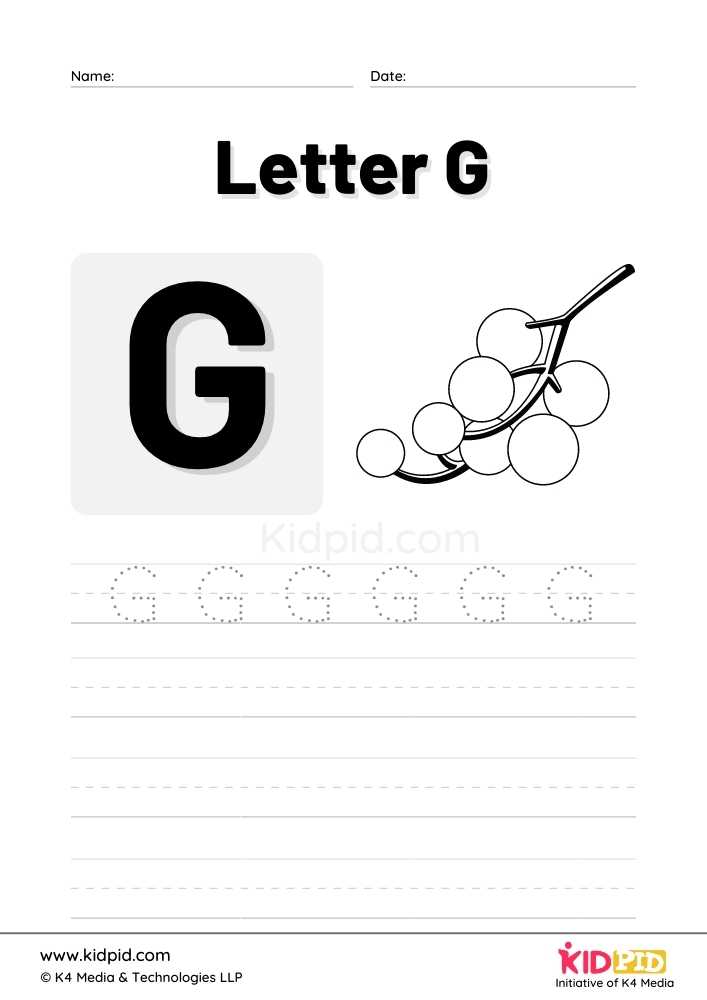
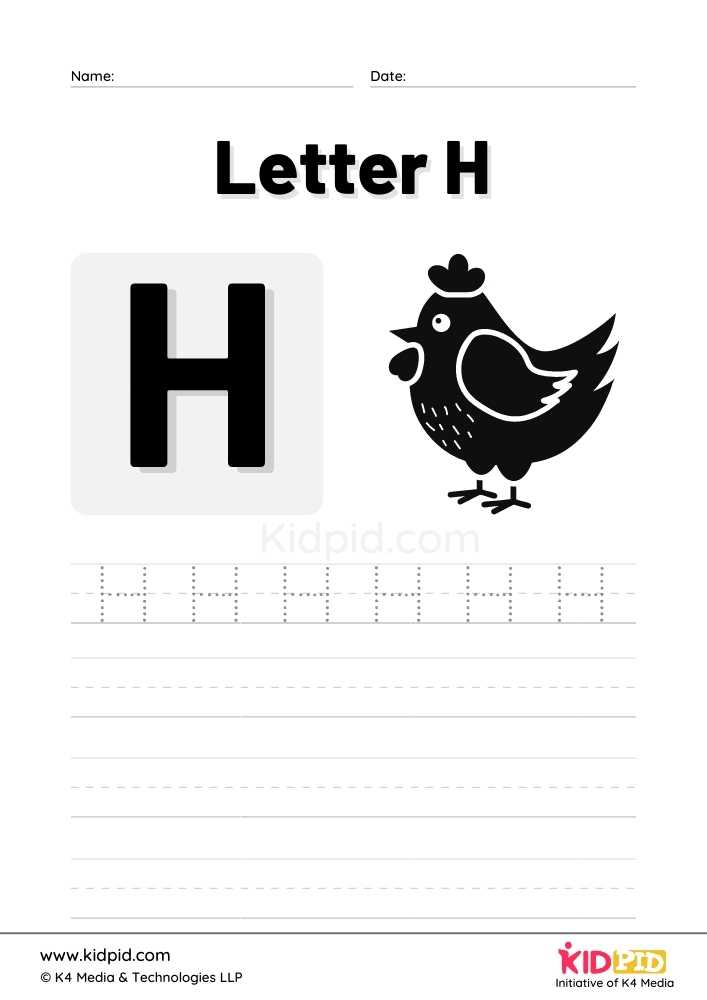
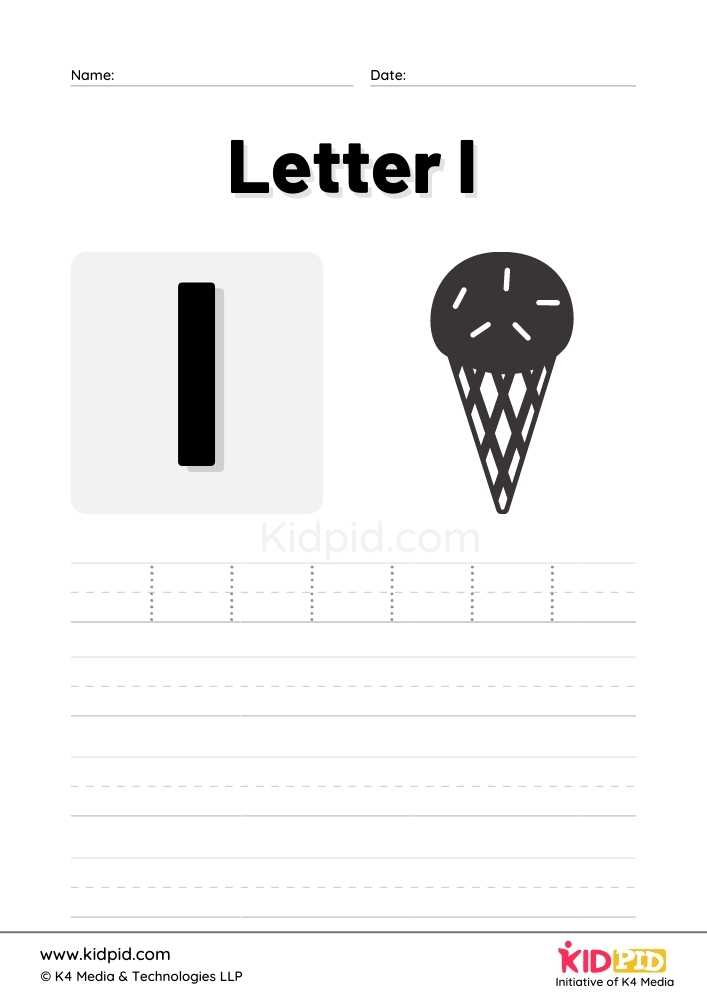
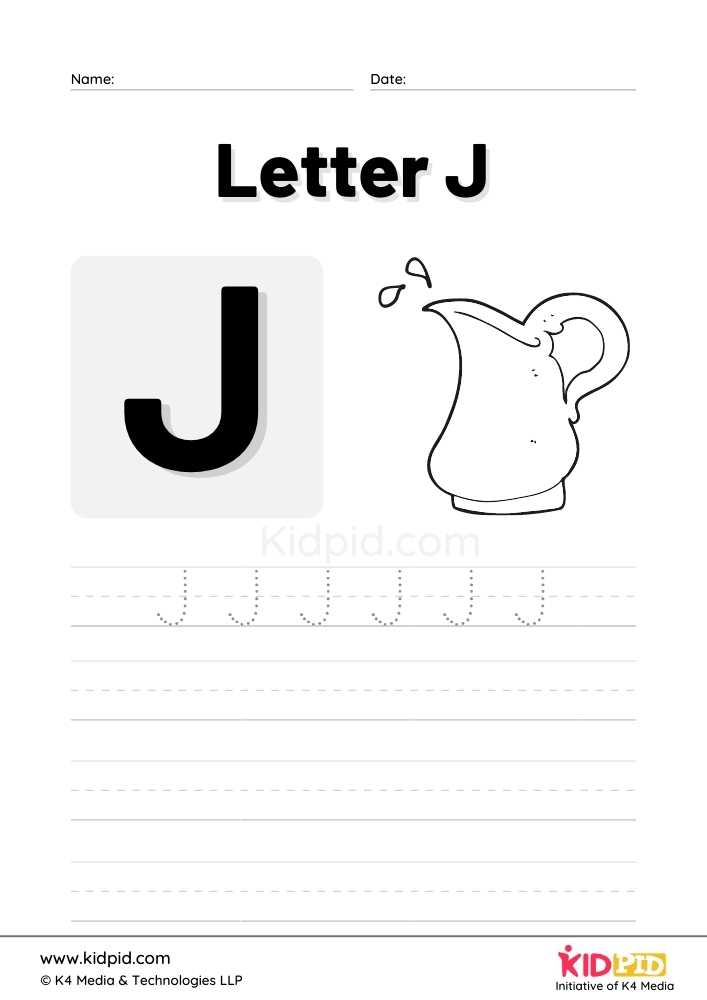
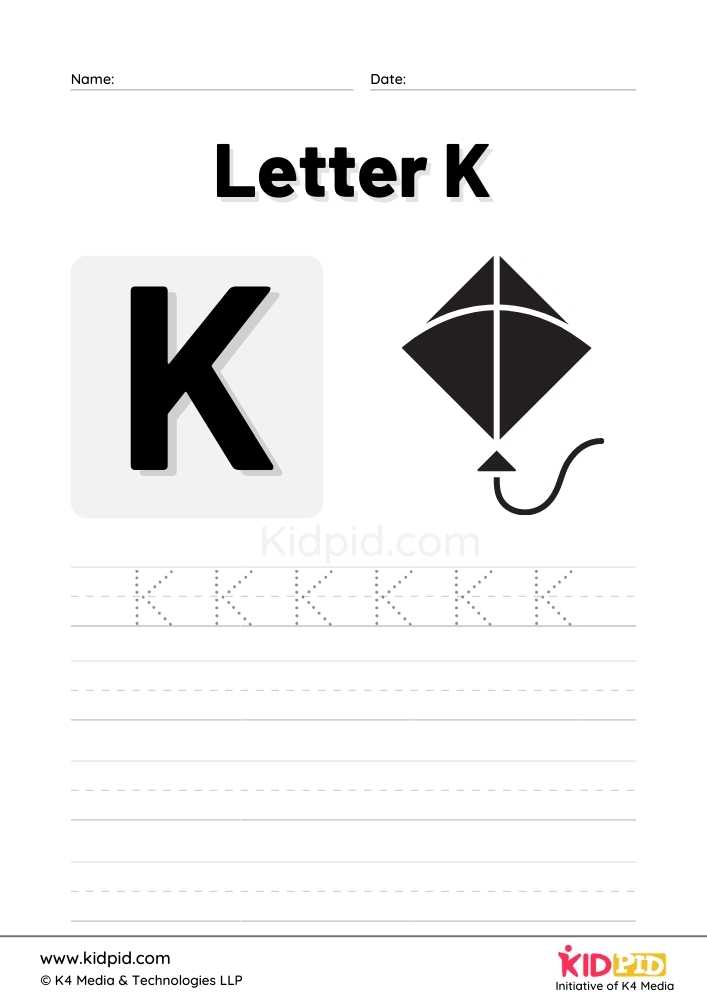
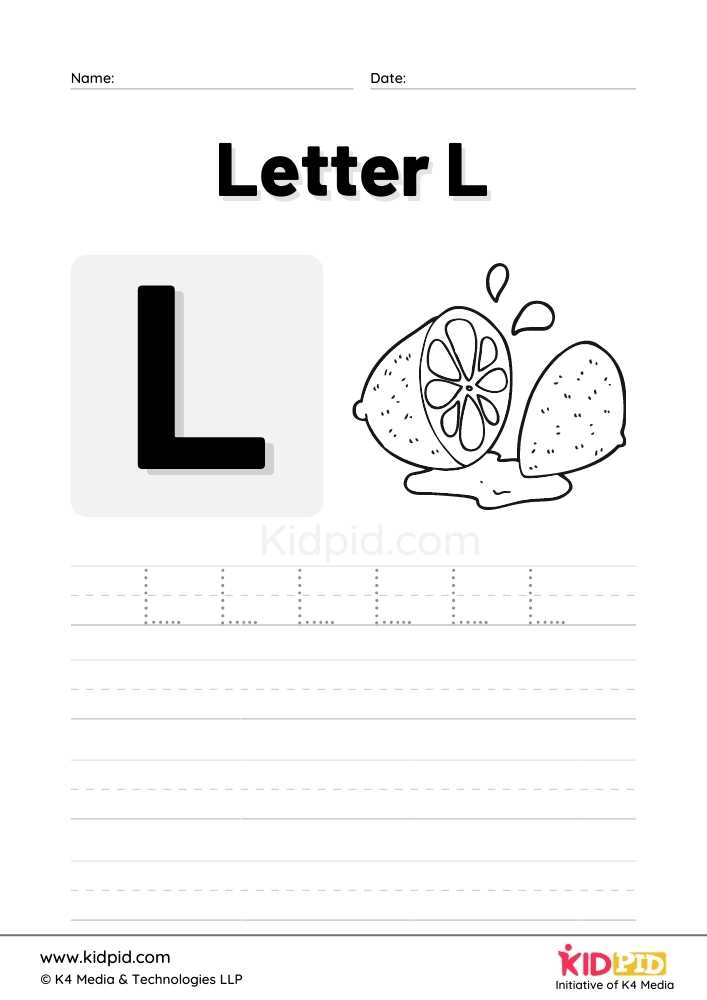
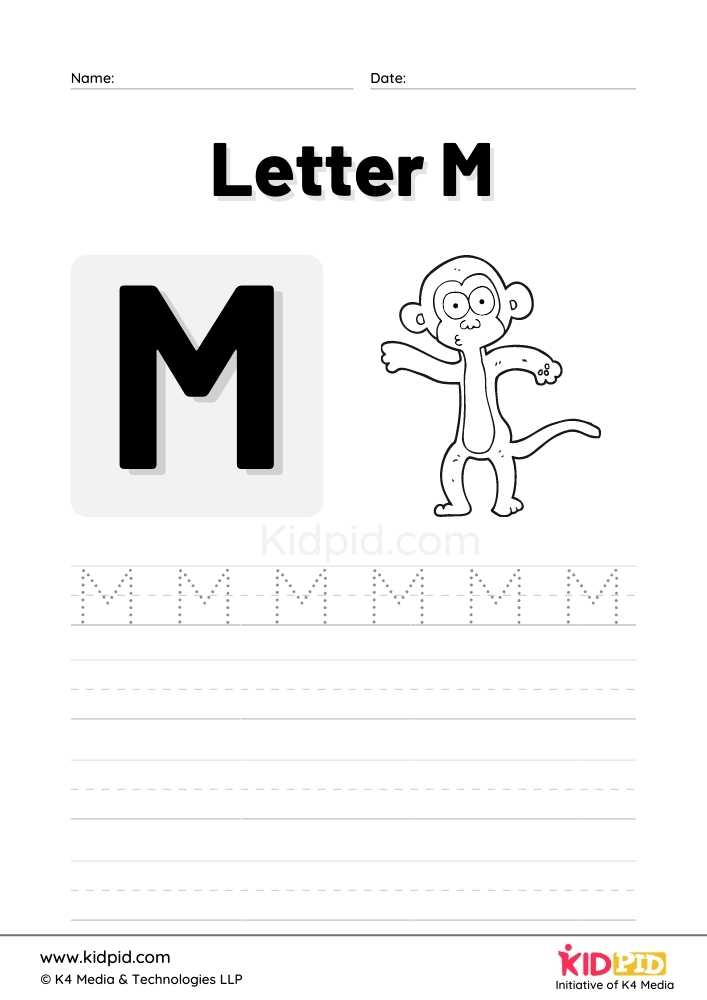
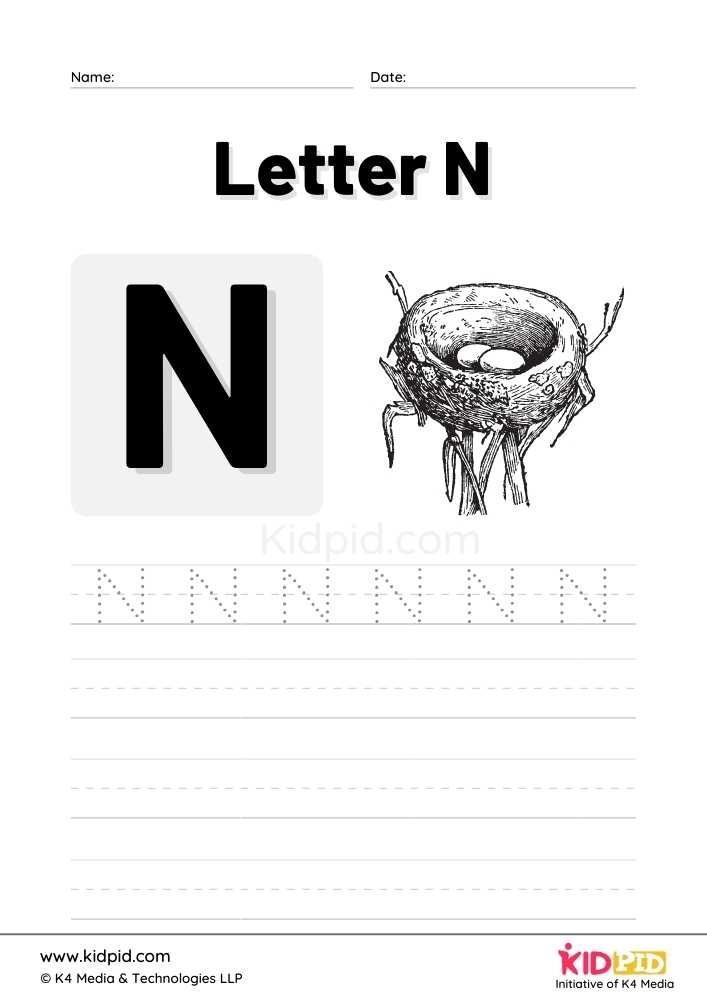
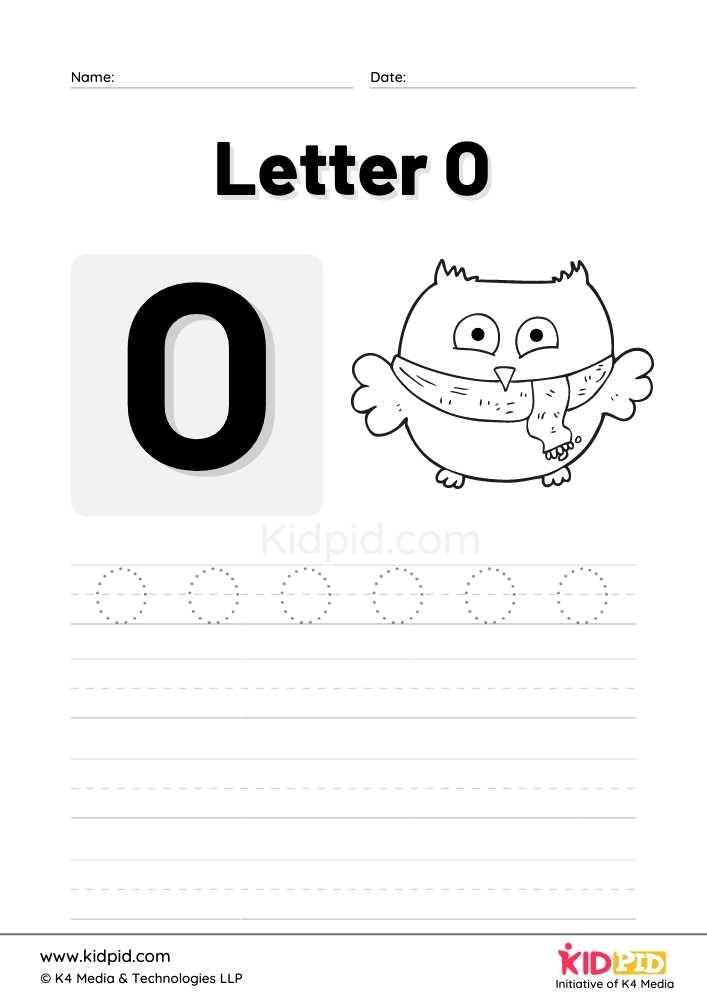
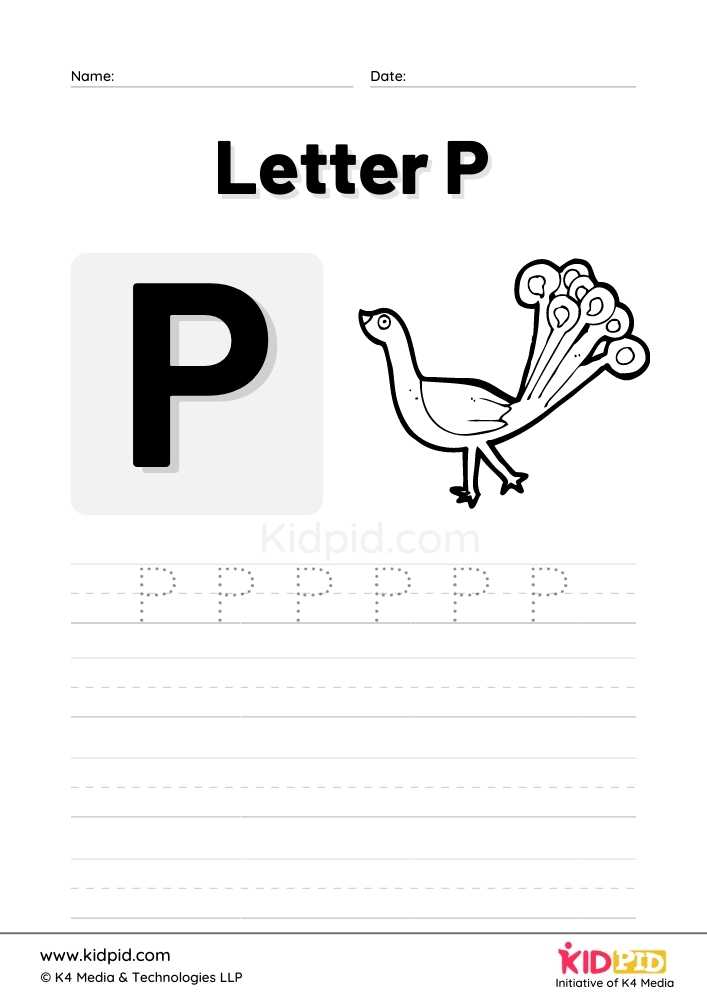
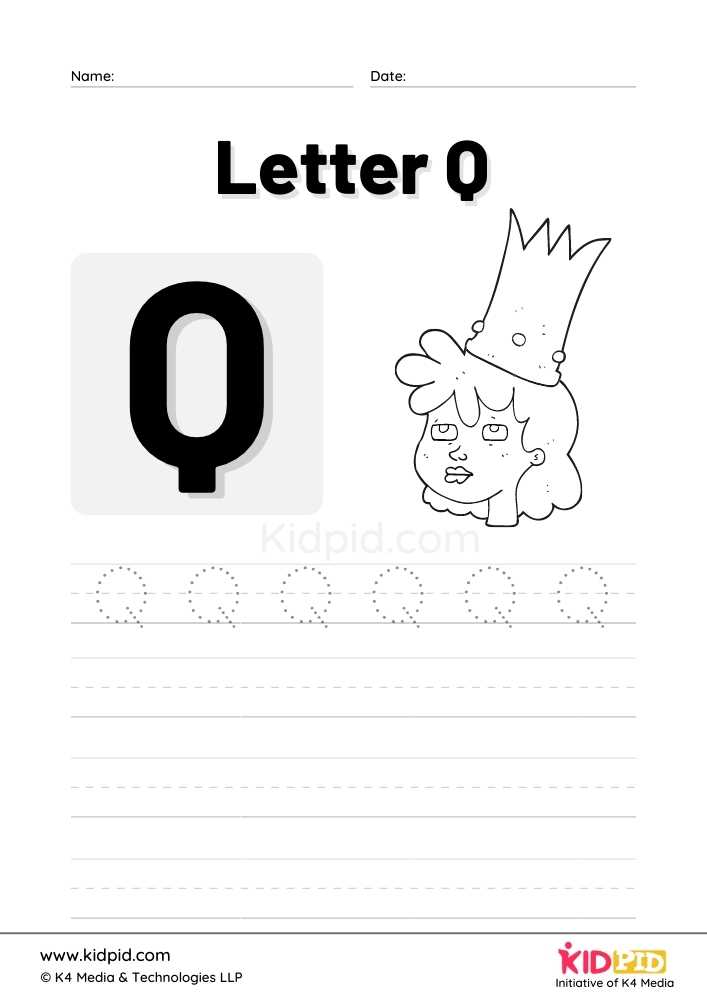
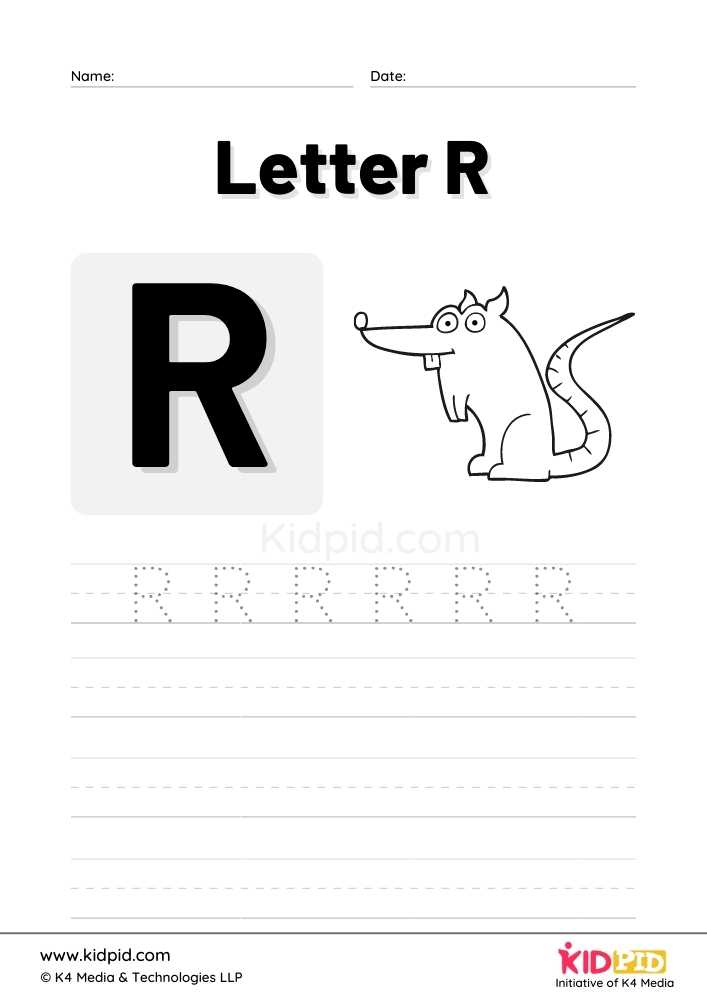
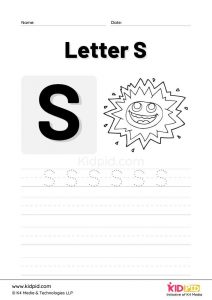
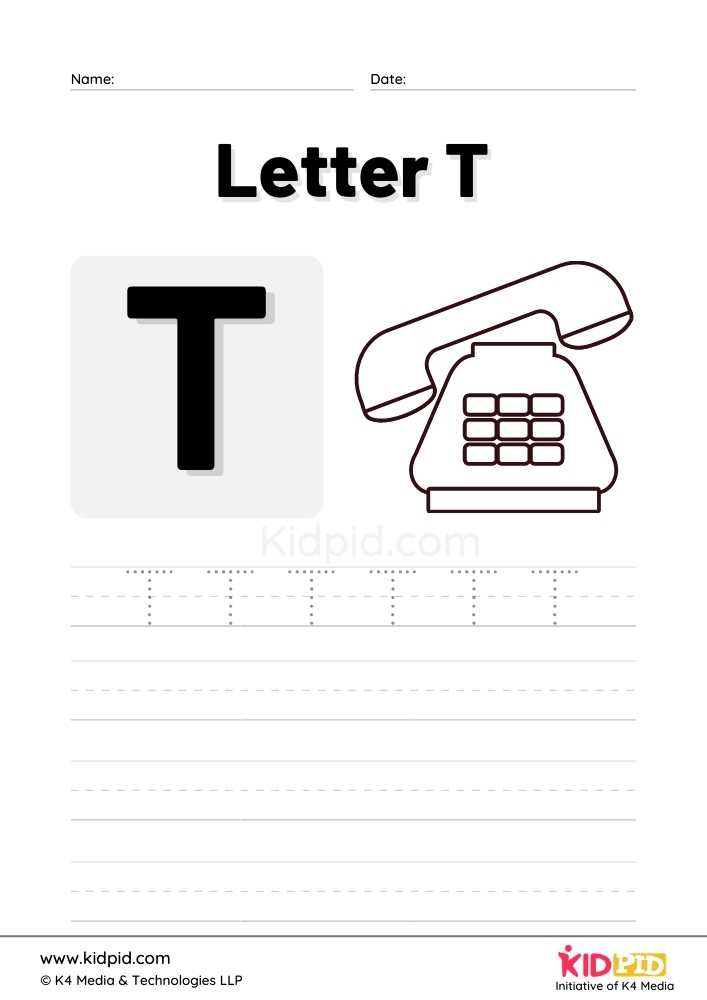
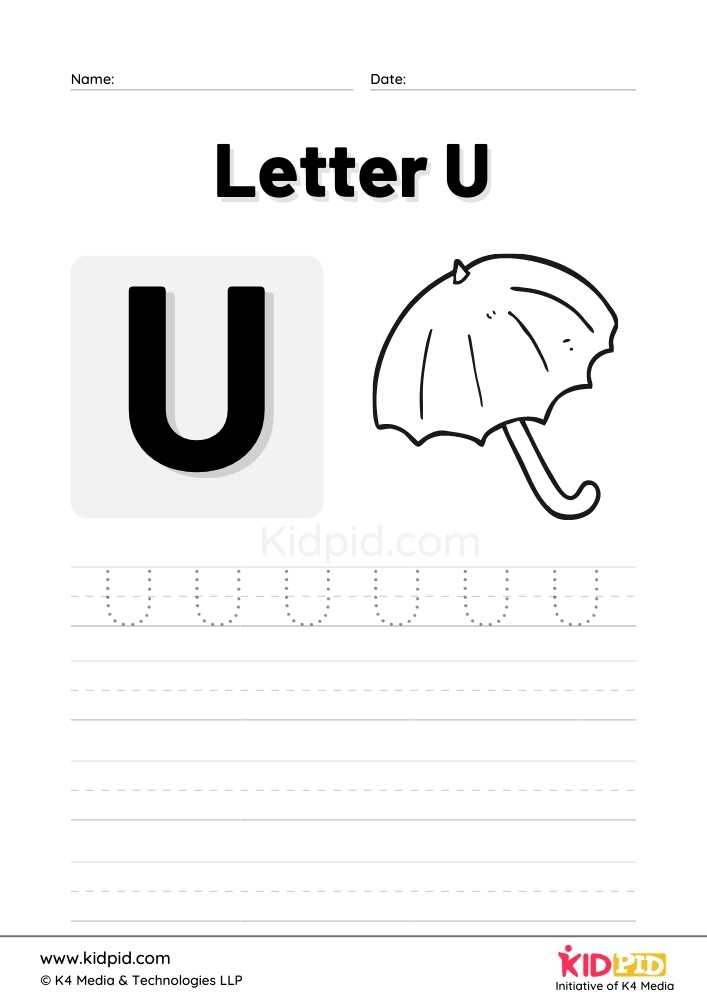
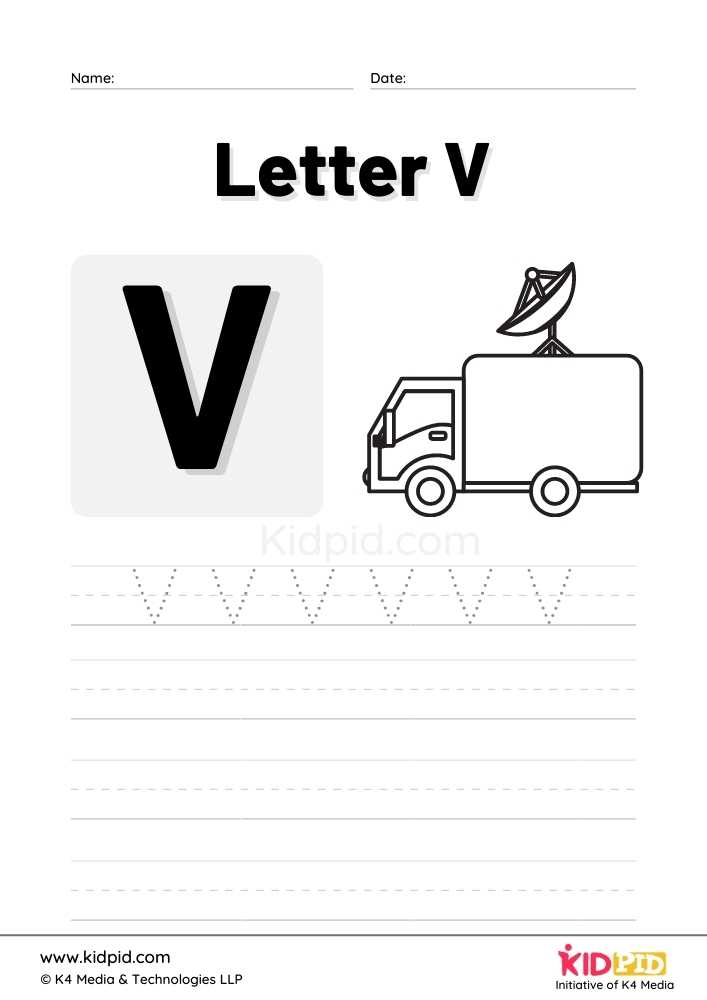
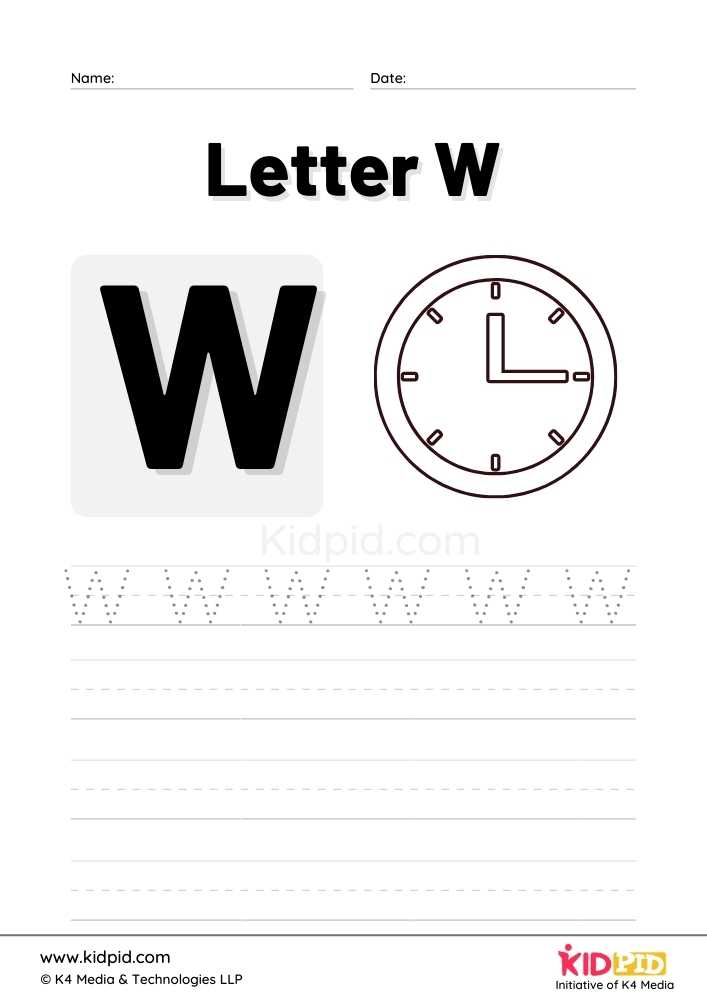
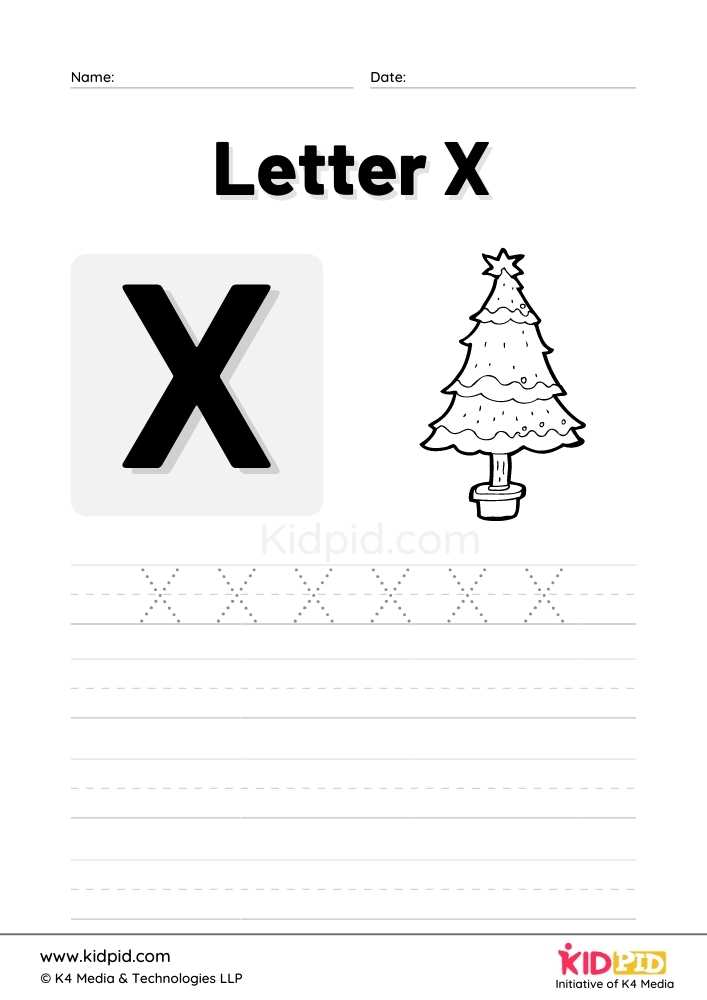
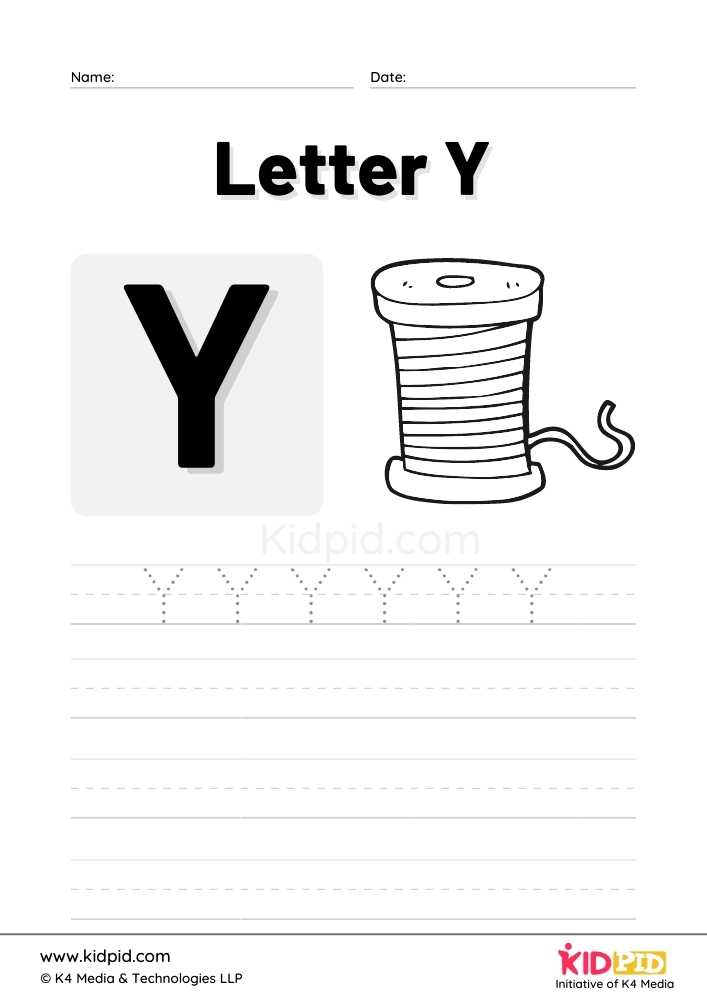
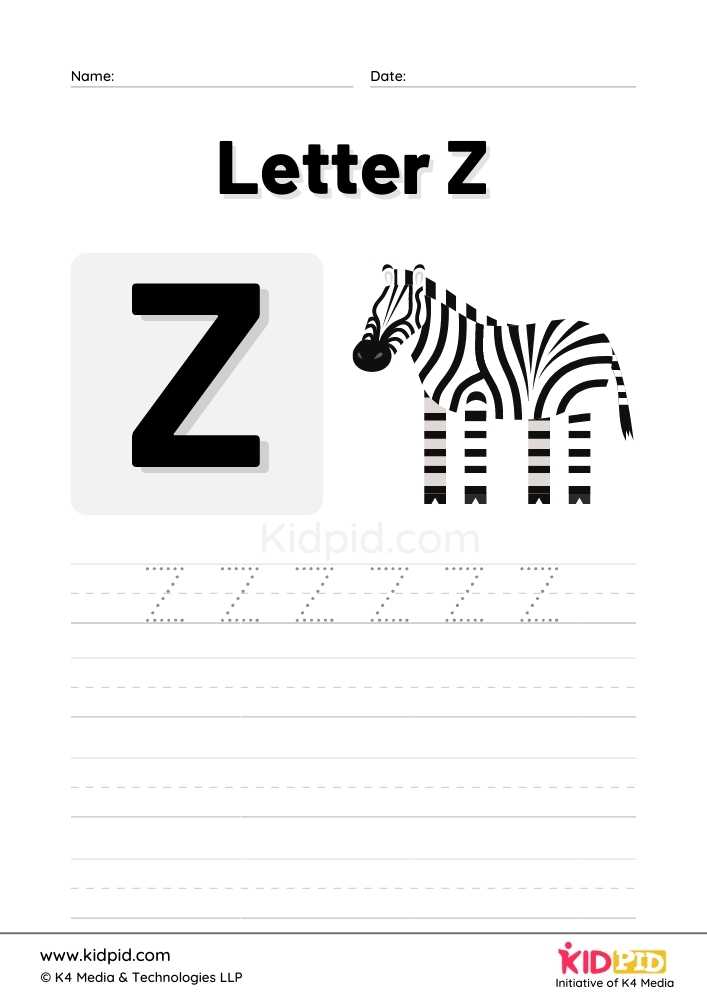
Click here for more printable worksheets.
Early handwriting practice works best when varied to prevent cognitive fatigue. To keep young minds engaged, Kidpid offers a diverse suite of printables:
Tracing printables break down the complex mechanics of handwriting into manageable, repetitive muscle-memory exercises:
Introducing early tracing worksheets yields massive developmental benefits for young learners:
By completing these preschool worksheets, children will aim to meet the following early childhood benchmarks:
To maximize learning outcomes and maintain a stress-free environment, follow these simple guidelines:
Using specific terminology during your practice sessions accelerates language comprehension:
Writing skills shouldn’t start and stop at the desk. Help your child apply what they practice on their Kidpid sheets to the real world:
Answer: Most children are ready to interact with tracing worksheets between the ages of 3 and 5. If your child can comfortably hold a thick crayon and mimic simple lines, they are developmentally ready to try.
Answer: It is highly recommended to start with uppercase letters. Capital letters feature distinct, straight lines and sharp angles that are much easier for young children to visually differentiate and physically replicate.
Answer: Keep sessions short to match their natural attention span. Focus on just one or two pages a day (about 5 to 10 minutes total). Forcing long sessions can cause hand fatigue and lead to a negative association with writing.
Answer: If the download link does not trigger automatically, ensure you are logged into your Kidpid account. Alternatively, you can download all free printables directly via the official Kidpid Telegram channel linked on the site.
Key Facts About Kidpid Letter Tracing Worksheets
Parts, Types, and Examples of Preschool Tracing Worksheets
How Do Letter Tracing Worksheets Work?
Benefits of Learning About and Practicing Letter Tracing
Learning Objectives
Worksheet Instructions
Interesting Facts About Letter Formation and Early Writing
Vocabulary Words to Teach Your Preschooler
Real-Life Applications
FAQs
Q1. What is the ideal age to start using letter tracing worksheets?
Q2. Should I teach uppercase or lowercase letters first?
Q3. How many tracing worksheets should my preschooler do per day?
Q4.How can I fix a download issue with the printables?
These Letter Tracing printable worksheets help preschoolers practice proper letter formation, improve pencil control, and strengthen fine motor skills. Regular tracing activities build handwriting confidence while laying a strong foundation for reading and writing success. Visit our website to explore worksheets, essays, paragraphs, flashcards, quizzes, and interactive resources. Follow us on YouTube & Facebook for more.
The Content Team created this worksheet to build academic success.
Reviewed By Swati
You may like these:
Worksheet for Tracing Letters in Kindergarten

Kindergarten kids can practice tracing uppercase and lowercase letters, improving handwriting skills and letter recognition through simple, engaging exercises for early learning.
Tracing Lowercase Letters for Preschoolers

Preschoolers trace lowercase letters to develop fine motor skills and letter formation, building a strong foundation for reading and writing in a fun way.
Fun Alphabet Activity Book for Kids Aged 2 to 5
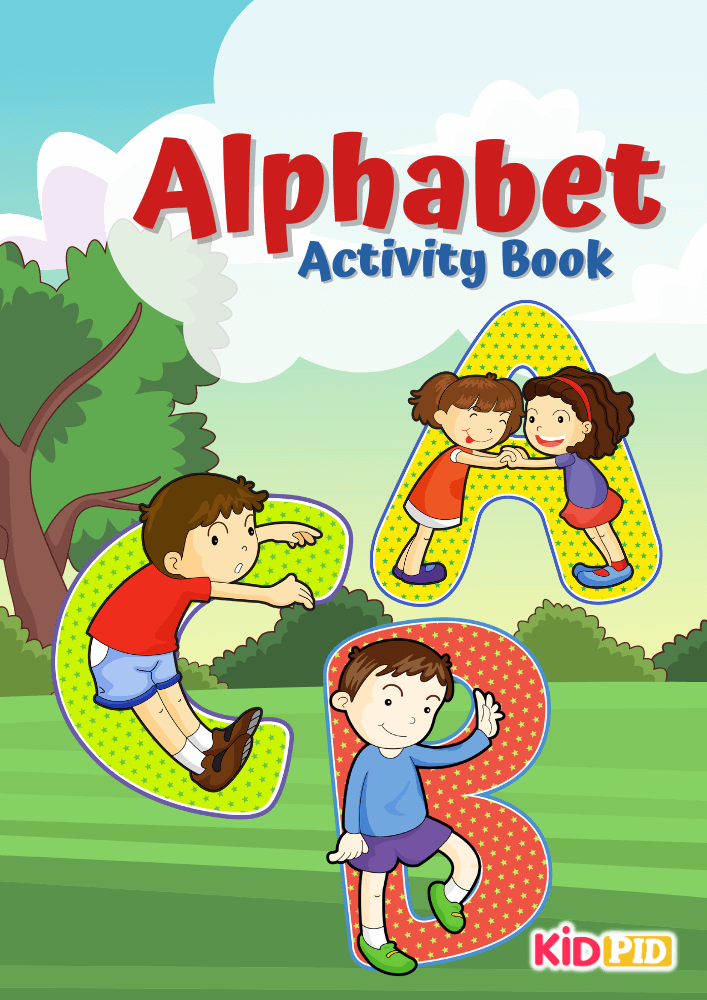
This activity book makes learning the alphabet exciting with games, tracing, and coloring. Perfect for toddlers and preschoolers to build literacy skills while having fun.
Free Printable Workbook for Practicing A to Z Writing
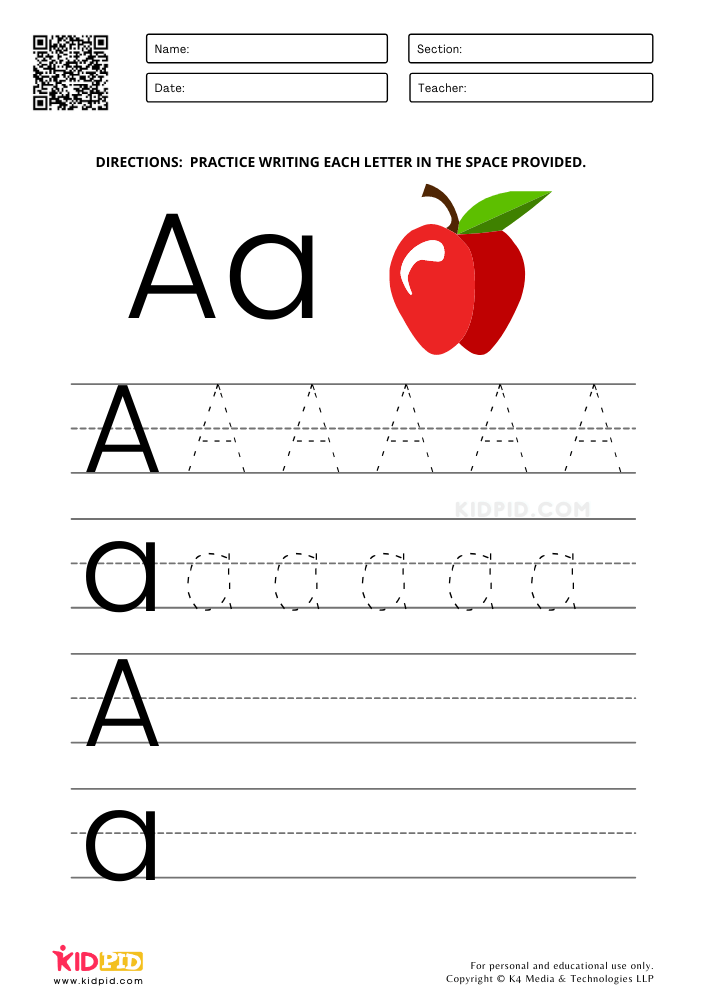
A free workbook with A to Z tracing activities helps kids practice letter writing, improve handwriting, and boost confidence in recognizing and forming letters.
Handwriting Book with Alphabet and Animals

This book combines letters and animals, letting kids practice handwriting while associating each letter with a fun animal, making learning interactive and enjoyable.



Thanks a lot
You’re most welcome!
Thank you much
You’re most welcome!
thank you so much
You’re most welcome!
Why kidpid worksheet never download?
It won’t let me download the worksheets!
Please login to download the printable. Or else, you can also download it from our Telegram channel – https://t.me/kidpid
Thanks a lot