Alphabet tracing worksheets for kindergarten are essential educational tools that help young learners master the foundational skills of writing and recognizing letters. These worksheets provide a structured and engaging way for children to practice forming both uppercase and lowercase letters, enhancing their fine motor skills and hand-eye coordination.
[Scroll Down for Download Link]
Contents
- Tracing The Alphabet Letter – Worksheet For Kindergarten
- Trace The Letter “A”
- Trace The Letter “B”
- Trace The Letter “C”
- Trace The Letter “D”
- Trace The Letter “E”
- Trace The Letter “F”
- Trace The Letter “G”
- Trace The Letter “H”
- Trace The Letter “I”
- Trace The Letter “J”
- Trace The Letter “K”
- Trace The Letter “L”
- Trace The Letter “M”
- Trace The Letter “N”
- Trace The Letter “O”
- Trace The Letter “P”
- Trace The Letter “Q”
- Trace The Letter “R”
- Trace The Letter “S”
- Trace The Letter “T”
- Trace The Letter “U”
- Trace The Letter “V”
- Trace The Letter “W”
- Trace The Letter “X”
- Trace The Letter “Y”
- Trace The Letter “Z”
- Key Facts About Alphabet Tracing Worksheet for Kindergarten
- Parts/Types/Examples of Alphabet Tracing Worksheet for Kindergarten
- How Does Alphabet Tracing Worksheet for Kindergarten Work?
- Benefits of Learning About Alphabet Tracing Worksheet for Kindergarten
- Learning Objectives
- Worksheet Instructions
- Interesting Facts About Alphabet Tracing Worksheet for Kindergarten
- Real-Life Applications
- FAQs
- Q1. What is an alphabet tracing worksheet?
- Q2. At what age can children start alphabet tracing?
- Q3. Why is alphabet tracing important?
- Q4. Should children trace uppercase or lowercase letters first?
- Q5. How often should children practice alphabet tracing?
- Q6. Can alphabet tracing improve reading skills?
- Q7. Are alphabet tracing worksheets suitable for homeschooling?
- Q8. What materials are needed for alphabet tracing activities?
- You may like these:
Tracing The Alphabet Letter – Worksheet For Kindergarten
Read More: Tracing Simple Words – Things that Start with Alphabet A-Z
Trace The Letter “A”

Trace The Letter “B”

Trace The Letter “C”

Trace The Letter “D”

Trace The Letter “E”

Trace The Letter “F”

Trace The Letter “G”

Trace The Letter “H”

Trace The Letter “I”

Trace The Letter “J”

Trace The Letter “K”

Trace The Letter “L”

Trace The Letter “M”

Trace The Letter “N”

Trace The Letter “O”

Trace The Letter “P”

Trace The Letter “Q”

Trace The Letter “R”

Trace The Letter “S”

Trace The Letter “T”

Trace The Letter “U”

Trace The Letter “V”

Trace The Letter “W”

Trace The Letter “X”

Trace The Letter “Y”

Trace The Letter “Z”

Key Facts About Alphabet Tracing Worksheet for Kindergarten
The Alphabet Tracing Worksheet for Kindergarten is an educational resource designed to help young learners practice writing uppercase and lowercase letters. These worksheets provide guided tracing lines that support proper letter formation, pencil control, and handwriting development. Alphabet tracing activities are commonly used by teachers, homeschooling parents, and early childhood educators to build foundational literacy skills. Regular practice helps children recognize letters, connect them with sounds, and develop confidence in writing. These worksheets are suitable for preschoolers, kindergarten students, and early learners who are beginning their literacy journey.
Parts/Types/Examples of Alphabet Tracing Worksheet for Kindergarten
Parts of an Alphabet Tracing Worksheet
- Uppercase letter tracing section
- Lowercase letter tracing section
- Directional arrows for stroke guidance
- Practice lines for independent writing
- Letter identification activities
- Picture associations related to each letter
Types of Alphabet Tracing Worksheets
- Uppercase alphabet tracing worksheets
- Lowercase alphabet tracing worksheets
- A–Z complete alphabet worksheets
- Individual letter practice sheets
- Dotted-line tracing worksheets
- Alphabet tracing with pictures worksheets
Examples
- Trace the letter A and color an apple.
- Trace the letter B and identify a ball.
- Complete the alphabet from A to Z.
- Practice writing uppercase and lowercase pairs.
How Does Alphabet Tracing Worksheet for Kindergarten Work?
Alphabet tracing worksheets use dotted or guided letter outlines that children trace with a pencil, crayon, or marker. Students follow the correct stroke sequence to form each letter accurately. After tracing, learners often write the letters independently on blank practice lines. Many worksheets also include pictures and vocabulary words that begin with the target letter, helping children connect letter recognition with phonics and vocabulary development. Repeated practice strengthens muscle memory and improves handwriting skills.
Benefits of Learning About Alphabet Tracing Worksheet for Kindergarten
- Improves fine motor skills and hand coordination.
- Develops proper pencil grip and control.
- Strengthens letter recognition abilities.
- Supports early reading readiness.
- Builds confidence in handwriting.
- Enhances concentration and attention to detail.
- Reinforces phonics and alphabet knowledge.
- Encourages independent learning habits.
Learning Objectives
By completing alphabet tracing worksheets, children will:
- Recognize uppercase and lowercase letters.
- Practice correct letter formation.
- Improve handwriting skills.
- Develop fine motor coordination.
- Strengthen pencil control and grip.
- Build pre-reading and literacy skills.
- Increase alphabet sequencing knowledge.
- Connect letters with beginning sounds and words.
Worksheet Instructions
- Look carefully at the letter shown on the worksheet.
- Follow the arrows or dotted lines to trace the letter correctly.
- Trace each letter multiple times for practice.
- Write the letter independently on the provided lines.
- Say the letter name and its sound aloud.
- Identify the picture that begins with the same letter.
- Complete all letters from A to Z.
- Review your work and practice any difficult letters again.
Interesting Facts About Alphabet Tracing Worksheet for Kindergarten
- The English alphabet contains 26 letters.
- Children often learn uppercase letters before lowercase letters.
- Tracing activities help strengthen the hand muscles needed for writing.
- Repetition improves letter memory and handwriting accuracy.
- Alphabet tracing supports both reading and writing development.
- Many early literacy programs include daily tracing practice.
- Letter recognition is one of the strongest predictors of reading success.
- Tracing can improve visual-motor integration skills.
Real-Life Applications
Alphabet tracing skills are useful in many everyday situations:
- Writing names on school assignments.
- Completing classroom worksheets.
- Reading books and signs.
- Filling out simple forms.
- Creating greeting cards and notes.
- Developing future writing and communication skills.
- Building the foundation for spelling and reading.
- Preparing for advanced handwriting and composition tasks.
FAQs
Q1. What is an alphabet tracing worksheet?
Answer: An alphabet tracing worksheet is a learning activity that helps children practice writing letters by tracing dotted or outlined alphabet shapes.
Q2. At what age can children start alphabet tracing?
Answer: Most children can begin alphabet tracing between ages 3 and 5, depending on their fine motor development and readiness.
Q3. Why is alphabet tracing important?
Answer: Alphabet tracing helps children learn letter formation, improve handwriting, develop fine motor skills, and build early literacy abilities.
Q4. Should children trace uppercase or lowercase letters first?
Answer: Many educators introduce uppercase letters first because they are generally easier to recognize and write, followed by lowercase letters.
Q5. How often should children practice alphabet tracing?
Answer: Short daily sessions of 10–15 minutes are usually effective for reinforcing letter recognition and handwriting skills.
Q6. Can alphabet tracing improve reading skills?
Answer: Yes. Alphabet tracing strengthens letter recognition and phonics awareness, both of which are essential for early reading development.
Q7. Are alphabet tracing worksheets suitable for homeschooling?
Answer: Yes. They are widely used by homeschooling families, teachers, tutors, and parents to support early literacy instruction.
Q8. What materials are needed for alphabet tracing activities?
Answer: Children typically need a pencil, crayon, marker, or colored pencil along with the worksheet for tracing practice.

Alphabet tracing worksheets for kindergarten are invaluable tools that help young learners develop essential writing skills. By providing a structured and engaging way to practice letter formation, these worksheets lay the foundation for future literacy and academic success, fostering both confidence and proficiency in early childhood education. Give young learners access to free worksheets, essays, paragraphs, flashcards, quizzes, and interactive resources that make education enjoyable. Join our YouTube & Facebook family.
The Content Team develops the worksheets to promote scholastic success.
You may like these:
Worksheets for Tracing Letters in Preschool
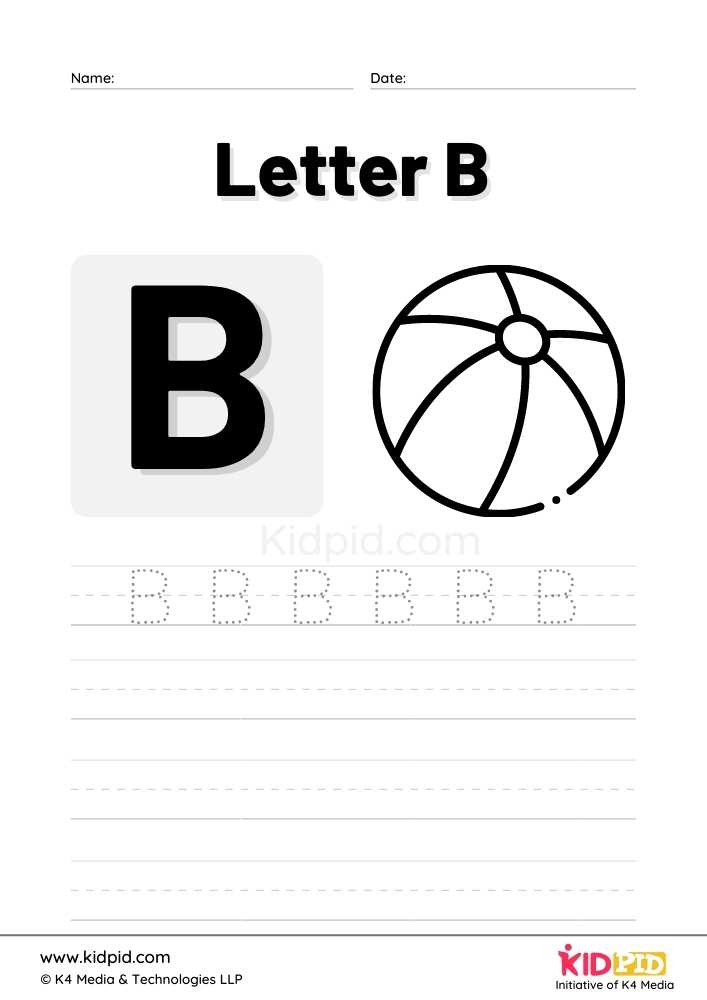
These worksheets help preschoolers trace letters, improving fine motor skills and letter recognition through fun, guided practice for early writing development.
Printable Sheets for Practicing the Alphabet
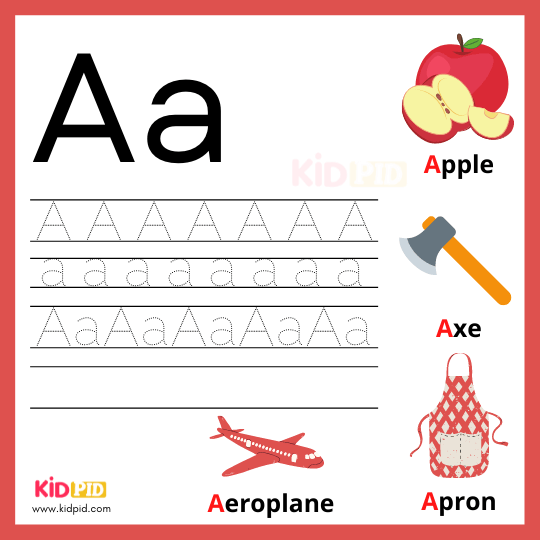
Printable alphabet sheets provide a simple way for kids to practice writing letters, enhancing handwriting skills and familiarity with the alphabet in an engaging format.
Fun Animal-Themed Alphabet Writing Worksheets
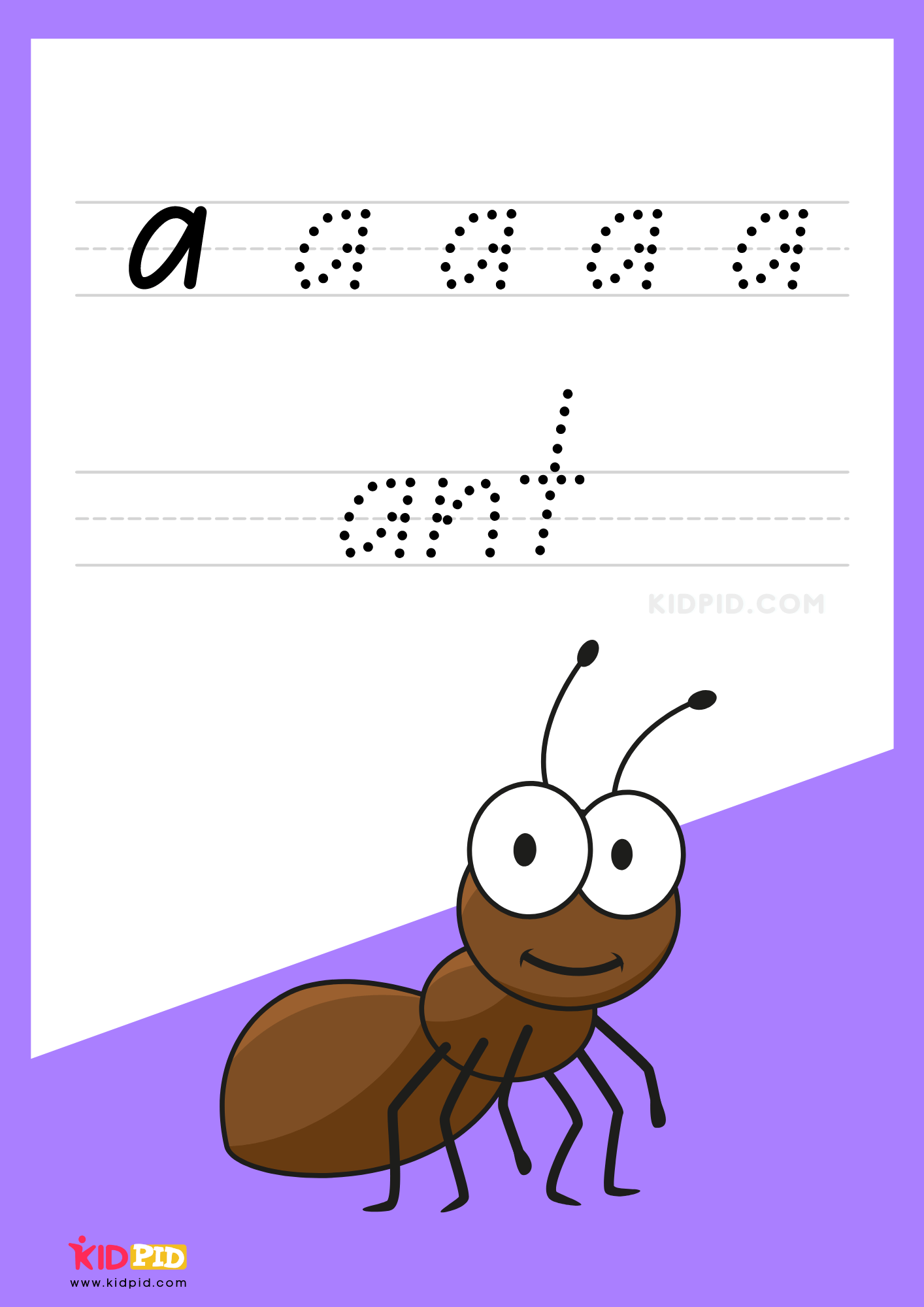
Animal-themed worksheets make learning the alphabet exciting. Kids write letters while associating them with colorful animals, combining education with creativity and fun.
Handwriting Practice Sheets for Kids
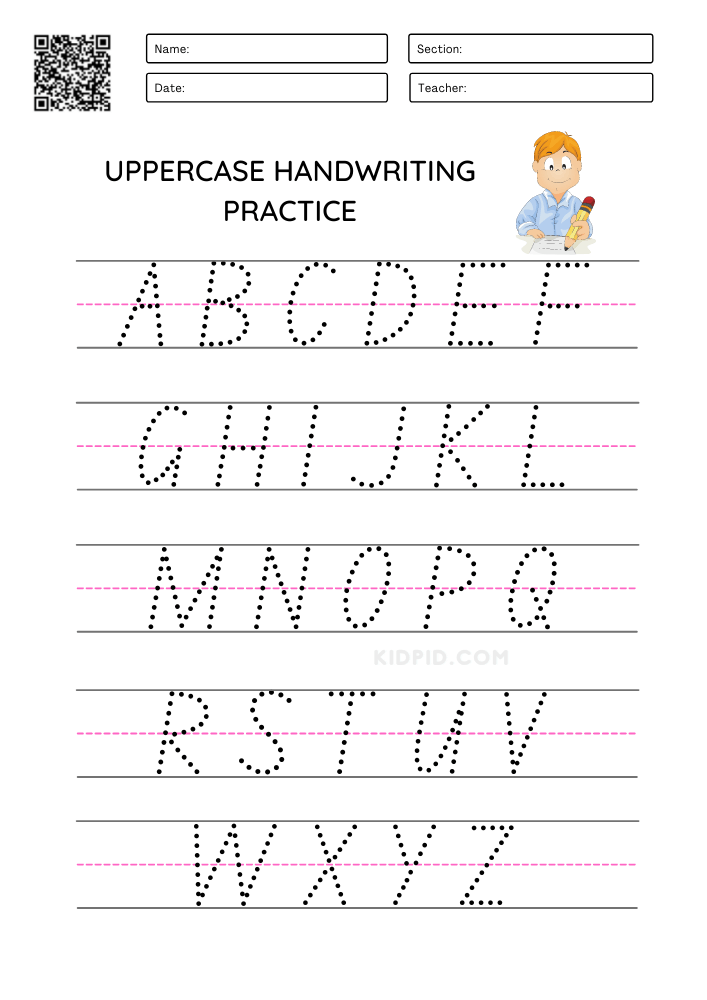
These sheets focus on improving kids’ handwriting through guided exercises, helping them write neatly, build confidence, and develop essential writing skills step by step.
Uppercase Letter Writing Worksheets for English

These worksheets teach kids to write uppercase English letters. They include tracing and practice exercises, reinforcing proper formation, and boosting letter-writing confidence.