

“A Day In Ancient Egypt” is a key topic that students may be asked to write a paragraph about in school exams. In Ancient Egypt, daily life revolved around work, religion, and family. People farmed, built grand monuments, and honored gods. Please check the various versions (in 100 words, 150 words, 200 words, and 300 words) provided below for the paragraph.
Contents
- Paragraph on ‘A Day in Ancient Egypt’ in 100 Words for Grade 7
- Paragraph on ‘A Day in Ancient Egypt’ in 150 Words for Grade 8
- Paragraph on ‘A Day in Ancient Egypt’ in 200 Words for Grade 9
- Paragraph on ‘A Day in Ancient Egypt’ in 300 Words for Grade 10
- MCQ’s on ‘A Day in Ancient Egypt’
- 1. What river was essential to life in Ancient Egypt?
- 2. What crops did farmers primarily grow in Ancient Egypt?
- 3. Who ruled Ancient Egypt?
- 4. What did children do in Ancient Egypt?
- 5. What was a common food eaten by Ancient Egyptians?
- 6. What did Ancient Egyptians believe about life after death?
- 7. Who were the priests in Ancient Egypt?
- 8. What did wealthy families in Ancient Egypt wear?
- 9. What activities did families enjoy in the evening?
- 10. How do we learn about Ancient Egypt today?
- Daily Life in Ancient Egypt
- Historical Evidence & Research
- You may like these:
Read This Article in Other Languages
- प्राचीन मिस्र में एक दिन पर अनुच्छेद (Hindi / हिंदी)
- Párrafo sobre un día en el antiguo Egipto (Spanish / Español)
- Paragraphe sur une journée dans l’Égypte ancienne (French / Français)
- Absatz über einen Tag im alten Ägypten (German / Deutsch)
- فقرة عن يوم في مصر القديمة (Arabic / العربية)
- প্রাচীন ইজিপ্টে একটি দিনের সম্পর্কে অনুচ্ছেদ (Bengali / বাংলা)
- பழங்கால எகிப்தில் ஒரு நாள் பற்றி பத்தி (Tamil / தமிழ்)
- ప్రాచీన ఈజిప్టులో ఒక రోజు పై పేరా (Telugu / తెలుగు)
- പ്രാചീന ഈജിപ്തിൽ ഒരു ദിനത്തെക്കുറിച്ചുള്ള പാരഗ്രാഫ് (Malayalam / മലയാളം)
- قدیم مصر میں ایک دن پر پیراگراف (Urdu / اردو)
- Parágrafo sobre um dia no antigo Egito (Portuguese / Português)
Translation Disclaimer: These links use Google Translate, an automated translation service. Translations may vary in accuracy and are provided for convenience only.
Paragraph on ‘A Day in Ancient Egypt’ in 100 Words for Grade 7
Long ago, people lived in Ancient Egypt. They woke up early and worked hard. Farmers grew wheat and vegetables near the Nile River. Workers built pyramids and temples. Children played with toys and helped their parents. Rich people wore fine clothes and ate good food. The pharaoh ruled the land and lived in a big palace. Priests took care of temples and prayed to gods. At night, families ate dinner together. They told stories and rested after a long day. Ancient Egyptians believed in the afterlife, so they made tombs for their kings. Their way of life was amazing!
Paragraph on ‘A Day in Ancient Egypt’ in 150 Words for Grade 8
In Ancient Egypt, people started their day early. Farmers worked near the Nile River, growing crops like wheat and barley. Builders and craftsmen worked on pyramids, statues, and jewelry. Children learned from their parents and played games. Rich people lived in big houses and wore gold jewelry. The pharaoh, the king of Egypt, ruled the land and made important decisions. Priests worked in temples and prayed to gods.
At noon, people ate bread, fish, and vegetables. They drank water or fruit juice. In the evening, families gathered to eat dinner. They told stories and played music. Some people visit markets to buy food and clothes. Egyptians believed in life after death. They built tombs and mummies for their kings. Today, we learn about Ancient Egypt from pyramids, temples, and writings. Their culture was full of wonders!
Paragraph on ‘A Day in Ancient Egypt’ in 200 Words for Grade 9
A day in Ancient Egypt started early. The sun rose over the Nile River, and people began their work. Farmers worked in the fields, growing wheat, barley, and vegetables. They used wooden tools and water from the river. Fishermen caught fish for food. Workers built pyramids and temples using large stones.
Children helped their parents and played with clay toys. Wealthy families had servants, wore fine linen clothes, and used perfumes. The pharaoh lived in a grand palace and made rules for the land. Priests took care of temples and prayed to many gods, like Ra, the sun god.
At noon, people ate bread, fish, fruits, and honey. In the evening, families ate together and listened to stories. They played music and danced. Markets were busy with traders selling goods like baskets, clothes, and food.
Ancient Egyptians believed in life after death. They built pyramids and made mummies for their kings. They wrote on papyrus and carved pictures in stone. Today, we learn about their amazing life through pyramids, temples, and writings.
Paragraph on ‘A Day in Ancient Egypt’ in 300 Words for Grade 10

Life in Ancient Egypt was busy and exciting. The day began when the sun rose over the Nile River. Farmers went to their fields to grow wheat, barley, and vegetables. They used wooden plows and drew water from the river. Fishermen caught fish, and workers built pyramids using large stones. Some people made pottery, jewelry, and clothes.
Children helped with chores and played with dolls and clay toys. Rich families lived in big houses with gardens. They wore linen clothes and gold jewelry. They used oils and perfumes to smell nice. The pharaoh, the king of Egypt, lived in a beautiful palace. He made laws and led the army. Priests worked in temples and prayed to gods like Ra, the sun god, and Anubis, the god of the dead.
At noon, people ate bread, fish, fruits, and honey. They drank water or fruit juice. Some visited markets to buy food, clothes, and baskets. In the evening, families ate together. They told stories, played music, and danced.
Ancient Egyptians believed in life after death. They built pyramids and made mummies for their kings. They wrote on papyrus and carved pictures in stone. Today, pyramids, temples, and writings help us learn about their amazing world!
MCQ’s on ‘A Day in Ancient Egypt’
1. What river was essential to life in Ancient Egypt?
A) Amazon River
B) Nile River
C) Mississippi River
D) Yangtze River
2. What crops did farmers primarily grow in Ancient Egypt?
A) Rice and corn
B) Wheat and barley
C) Potatoes and tomatoes
D) Fruits and nuts
3. Who ruled Ancient Egypt?
A) A council
B) The pharaoh
C) A governor
D) The priests
4. What did children do in Ancient Egypt?
A) Only worked
B) Helped parents and played
C) Went to school
D) Traveled to other cities
5. What was a common food eaten by Ancient Egyptians?
A) Pizza
B) Bread and fish
C) Pasta
D) Burgers
6. What did Ancient Egyptians believe about life after death?
A) It did not exist
B) They would be reborn as animals
C) They built tombs and made mummies
D) Only pharaohs experienced it
7. Who were the priests in Ancient Egypt?
A) Farmers
B) Builders
C) Rulers
D) Caretakers of temples
8. What did wealthy families in Ancient Egypt wear?
A) Simple clothes
B) Fine linen clothes and gold jewelry
C) Animal skins
D) Modern clothing
9. What activities did families enjoy in the evening?
A) Working
B) Eating together and storytelling
C) Traveling
D) Sleeping
10. How do we learn about Ancient Egypt today?
A) Through oral history
B) From books only
C) Through pyramids, temples, and writings
D) By visiting living descendants

Daily Life in Ancient Egypt
- Daily routines in Ancient Egypt varied by social class, including farmers, artisans, scribes, and nobles. [Source: British Museum]
- Life and work followed the Nile River’s flooding cycle, which controlled farming and food supply. [Source: Metropolitan Museum of Art]
Historical Evidence & Research
- Historians study hieroglyphs, tomb paintings, and artifacts to understand everyday Egyptian life. [Source: University College London – Digital Egypt]
- Tomb scenes often show daily tasks such as farming, cooking, and craftwork. [Source: Metropolitan Museum of Art]
We hope you enjoyed the paragraphs on the topic “A Day In Ancient Egypt” written by our team of expert teachers. Keep visiting our website and explore more paragraphs, essays, worksheets, flashcards, Quizzes, and many other interactive resources. Don’t forget to follow us on YouTube & Facebook.
Prepared by our Content Team, this paragraph promotes clear instruction.
You may like these:
Discovering Ancient Egypt: Land of Pyramids and Pharaohs
Ancient Egypt, home to grand pyramids and powerful pharaohs, was a civilization known for its art, writing, and impressive achievements in architecture and science.
The River Phalgu: A Sacred Waterway
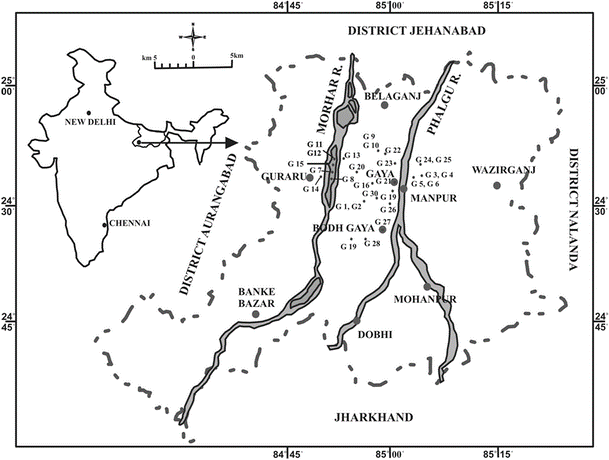
The River Phalgu, flowing through Bihar, India, is considered sacred. It’s closely linked with spiritual rituals, especially during the religious festival of Pitripaksha.
Exploring Ancient Mesopotamia: The Cradle of Civilization
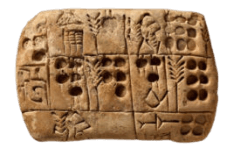
Mesopotamia, known as the “Cradle of Civilization,” is where writing, law codes, and early city-states began. It gave birth to many innovations in human history.
Short Paragraph on ‘Durga Puja’

Durga Puja is a major Hindu festival celebrating the victory of the goddess Durga over the demon Mahishasura. It involves prayers, dance, music, and grand processions.


