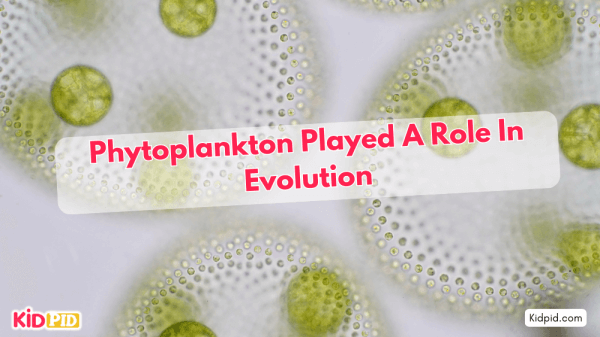
Phytoplankton are tiny plants that live in the oceans, lakes, and rivers. They may be small, but they play a huge role in the history of life on Earth. Long ago, these tiny organisms helped create the conditions for more complex life to grow and develop. Let’s learn how these little plants made life on Earth more interesting!
- Phytoplankton are tiny, plant-like organisms that live in water.
- They produce oxygen through photosynthesis, just like plants on land.
- Long ago, phytoplankton created the oxygen we breathe, making Earth a better place for complex life.
- These organisms started to change the Earth’s atmosphere and oceans.
- Phytoplankton’s oxygen production allowed animals and larger life forms to evolve.
- Without them, complex life, like animals and humans, wouldn’t have been able to survive.
- Phytoplankton are still important today, helping to keep the balance of oxygen in the air and water.
Contents
How Phytoplankton Played a Role in the Development of Complex Life.
Related MCQ’S
1. What are phytoplankton?
A) Tiny fish in the ocean
B) Microscopic plants that drift in water
C) Large sea creatures
D) Tiny pieces of coral
2. Which of the following is NOT a type of phytoplankton?
A) Cyanobacteria
B) Diatoms
C) Green algae
D) Whales
3. Why are phytoplankton important for the Earth’s atmosphere?
A) They produce carbon dioxide
B) They create oxygen through photosynthesis
C) They make the ocean salty
D) They provide food for humans
4. How much of the Earth’s oxygen is produced by phytoplankton?
A) 10%
B) 25%
C) 50%
D) 75%
5. What event did phytoplankton contribute to around 800 million years ago?
A) The formation of the first land animals
B) The Great Oxidation Event
C) The extinction of the dinosaurs
D) The Ice Age
You may like these:
Why are Plants Called Autotrophs?
Plants are called autotrophs because they can produce their own food through photosynthesis, using sunlight, water, and carbon dioxide to create glucose and oxygen.
Are bacteria alive?
Yes, bacteria are alive as they exhibit characteristics of living organisms, such as growth, reproduction, metabolism, and response to environmental stimuli.
Cell Structure and Functions
Cells are the basic units of life, consisting of structures like the nucleus, mitochondria, and ribosomes, each with specific functions vital for cell survival and growth.