


These worksheets not only enhance vocabulary but also foster a deeper understanding of the natural world. As kindergarteners explore the vibrant colors of autumn leaves, the frosty chill of winter, the blooming flowers of spring, and the sunny days of summer, they build essential language skills and develop a keen sense of observation. This foundational knowledge sets the stage for lifelong learning and curiosity about the environment around them.
[Scroll Down for Download Link]
Contents
- Season Vocabulary Missing Letter
- Key Facts About the Season Vocabulary Worksheet
- Parts, Types, and Examples of Season Vocabulary Worksheets
- How Does the Season Vocabulary Worksheet Work?
- Benefits of Learning About Season Vocabulary
- Learning Objectives
- Worksheet Instructions
- Interesting Facts About Season Vocabulary Words
- Real-Life Applications
- FAQs
- You May Like These:
Season Vocabulary Missing Letter
Read More: Vocabulary: Words With Meaning and Example

- Ice Cream
- Pool
- Camping
- Beach
- Summer
- Sunglasses

- Spring
- Rain
- Butterfly
- Picnic
- Rainbow
- Cloud

- Gloves
- Coat
- Scarf
- Hat
- Snow
- Winter

- Tree
- Pumpkin
- Harvest
- Leaf
- Scarecrow
- Acorn
Key Facts About the Season Vocabulary Worksheet
Early childhood educators emphasize that visual association is the most effective way for young minds to absorb new language concepts. This worksheet pack is carefully designed to anchor abstract seasonal changes into concrete, recognizable words.
- Target Grade Level: Kindergarten (Ages 4–6).
- Core Subject Focus: English Language Arts (ELA), Early Science, and Environmental Observation.
- Format: Free, downloadable, and high-quality printable PDF activity sheets.
- Design Strategy: Uses bright, child-friendly illustrations paired with missing-letter spelling exercises to build simultaneous reading, writing, and phonics skills.
Parts, Types, and Examples of Season Vocabulary Worksheets
This printable collection is segmented into four distinct parts, each dedicated to one of the four core seasons. Breaking the worksheets down by season prevents cognitive overload and allows teachers to align the activities with the actual calendar year.
- Summer Vocabulary Examples: Captures warm-weather themes with high-frequency words like Ice Cream, Pool, Camping, Beach, Summer, and Sunglasses.
- Spring Vocabulary Examples: Connects transition and new life with foundational words like Spring, Rain, Butterfly, Picnic, Rainbow, and Cloud.
- Winter Vocabulary Examples: Focuses on cold-weather gear and nature changes, featuring Gloves, Coat, Scarf, Hat, Snow, and Winter.
- Autumn/Fall Vocabulary Examples: Celebrates the harvest theme with seasonal words like Tree, Pumpkin, Harvest, Leaf, Scarecrow, and Acorn.
How Does the Season Vocabulary Worksheet Work?
The primary mechanism of this worksheet is an interactive “missing letter” framework combined with visual scaffolding.
When a child looks at a section—for example, the Winter page—they see a clear illustration of a winter coat. Next to it, the word is written with missing blank spaces (e.g., C _ a _). The child must look at the image, say the word aloud to isolate its phonetic sounds, identify the missing letters, and practice their fine motor skills by writing the correct letters in the blanks. This multi-sensory approach (visual, auditory, and kinesthetic) cements word retention.
Benefits of Learning About Season Vocabulary
Teaching kindergarteners seasonal terminology does more than just expand their everyday vocabulary; it unlocks several critical developmental milestones:
- Cognitive Classification: Helps children learn to categorize items, clothing, and weather patterns into specific seasonal buckets.
- Phonics and Literacy Foundations: Filling in missing letters strengthens vowel recognition and consonant blending.
- Environmental Literacy: Nurtures a natural curiosity about the world, helping kids articulate the changes they actively see happening outside their windows.
- Fine Motor Development: The physical act of holding a pencil and writing letters inside defined boundaries builds hand-eye coordination.
Learning Objectives
By completing these seasonal activity sheets, students will achieve the following early learning milestones:
- Identify and name the four seasons of the year based on visual cues.
- Recognize and correctly spell 24 foundational, season-specific vocabulary words.
- Demonstrate phonemic awareness by identifying missing starting, middle, or ending letter sounds in a word.
- Relate everyday objects (like sunglasses or scarves) to their appropriate weather context.
Worksheet Instructions
Parents and teachers can guide students through the pages using these simple, step-by-step directions:
- Look and Discuss: Point to the colorful picture at the beginning of a block. Ask the child to describe what they see.
- Say It Aloud: Have the child say the seasonal word clearly and slowly (e.g., “B-u-tt-er-f-l-y”).
- Find the Missing Sound: Ask them what sounds are missing from the letters printed underneath the picture.
- Write It Down: Encourage the child to write the missing letters carefully in the blank spaces provided.
- Color for Fun: Once the spelling is complete, let the child color the page or trace the images as an extra reward!
Interesting Facts About Season Vocabulary Words
To keep circle time or home lessons highly engaging, you can share these fun linguistic facts with your little learners:
- The Story of “Autumn”: Did you know that hundreds of years ago, people used to call Autumn “Harvest”? Later, people started calling it “Fall” because that is when the leaves fall from the trees!
- “Sunglasses” are Compound Words: The word Sunglasses is made of two separate words squished together: Sun + Glasses.
- The “Spring” Bounce: The season Spring gets its name from the way plants and flowers seem to “spring” or bounce up out of the ground after winter.
Real-Life Applications
The words learned in these worksheets transfer immediately to a child’s daily routine, reinforcing their contextual utility:
- Getting Dressed: When a child picks out their Gloves, Coat, and Hat on a chilly morning, they are practicing their winter vocabulary in real life.
- Weather Tracking: Children can use these words during morning calendar routines to describe the day’s weather (e.g., looking out the window to spot a Cloud or Rain).
- Grocery Trips & Meals: Seeing pumpkins at the store during the Harvest months links their worksheet concepts straight to real-world environments.
FAQs
Q1. At what age should children start learning seasonal vocabulary?
Answer: Children begin noticing seasonal differences as toddlers, but formal season vocabulary and spelling worksheets are ideal for ages 4 to 6 (preschool through kindergarten) when letter recognition takes shape.
Q2. How can I adapt this worksheet for struggling writers?
Answer: If a child is frustrated by writing, you can write the letters in a light yellow highlighter first and let them trace over your lines, or use letter magnets that they can physically place over the blanks.
Q3. Are these worksheets aligned with common school curricula?
Answer: Yes. Learning about weather, seasons, and basic spelling patterns aligns directly with early childhood Science standards and Common Core ELA standards for Kindergarten.

Season Vocabulary Worksheets help kindergarten children learn seasonal words while improving vocabulary, reading, and observation skills. These fun activities build language confidence and encourage a better understanding of the changing seasons. Enjoy creative learning with our worksheets, essays, paragraphs, flashcards, quizzes, and interactive resources. Visit our website and connect on YouTube & Facebook.
The Content Team developed this worksheet to aid academic learning.
Reviewed By Madhulika
You May Like These:
Fun Weather Vocabulary Worksheet for Kindergarten Kids

A lively worksheet featuring weather-related words like “sunny,” “rainbow,” and “storm” is designed to make learning about the weather exciting and interactive for young learners.
Printable Weather Flashcards for Classroom Use
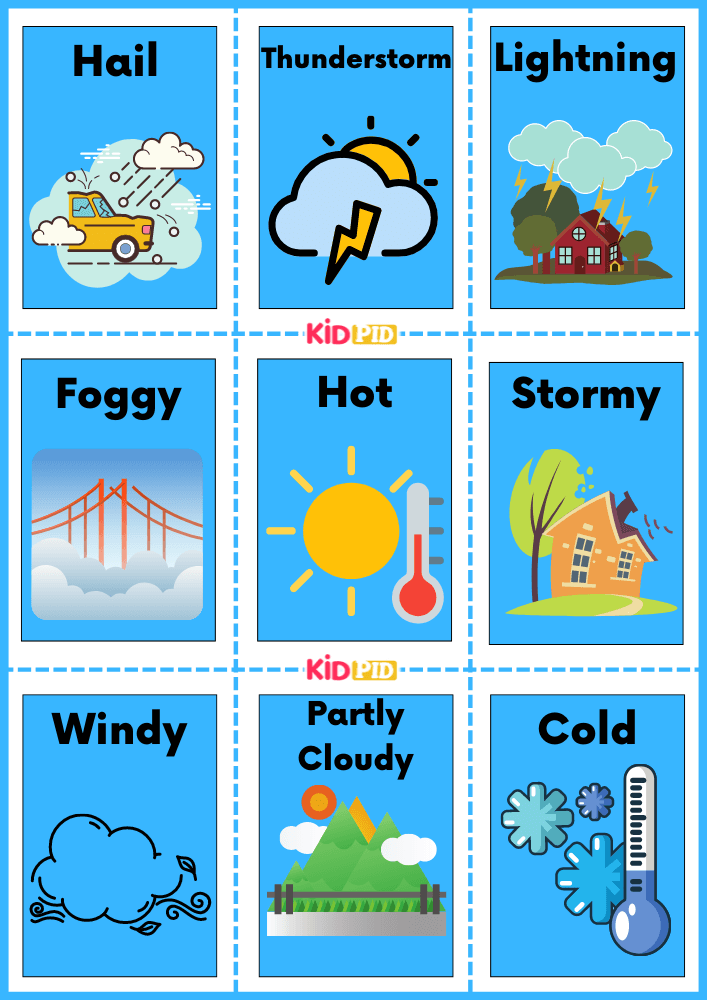
Easy-to-print flashcards with weather terms like “lightning,” “windy,” and “snowflake” are perfect for engaging classroom activities and visual learning.
Interactive Heat Vocabulary Flashcards for Students
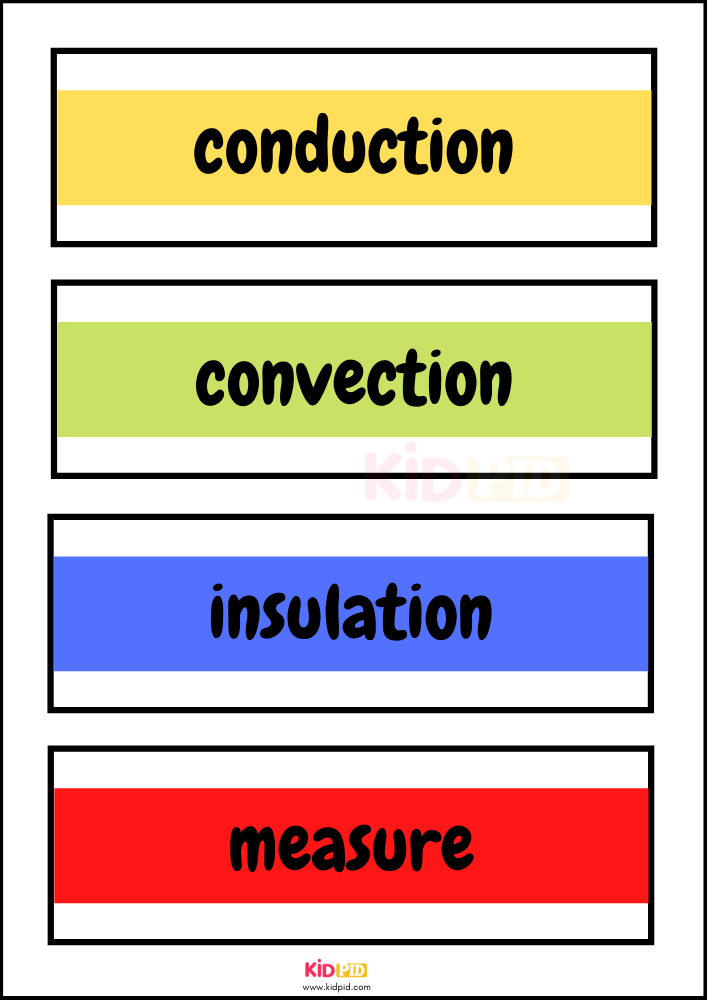
Hands-on flashcards with heat-related words like “boil,” “melt,” and “thermometer” help kids explore heat concepts in a fun and memorable way.
Kindergarten Animal Words Activity Sheet for Early Learners

A vibrant worksheet with animal names like “giraffe,” “tiger,” and “penguin,” encouraging kids to learn while exploring the animal kingdom.
Pet-Themed Vocabulary Practice for Kindergarten

A delightful worksheet with pet-related words like “hamster,” “turtle,” and “parrot,” designed to help kids learn about pets in a fun and engaging way.



