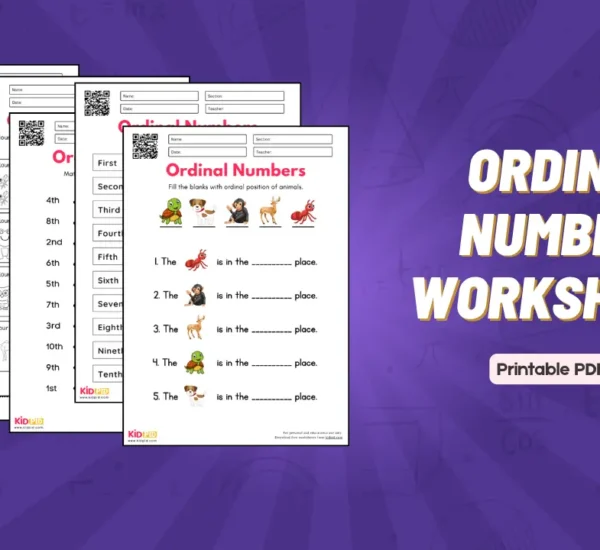

Welcome to our Animal Vocabulary Worksheet for Kindergarten! This fun and engaging activity will help young learners discover and learn the names of various animals. Through colorful pictures and simple exercises, children will expand their vocabulary and improve their language skills. Perfect for curious minds, this worksheet is designed to make learning enjoyable and interactive. Let’s embark on an exciting journey to explore the animal kingdom together!
[Scroll Down for Download Link]
Contents
- Learn Animal Vocabulary Worksheet For Kindergarten
- Key Facts About Animal Vocabulary Worksheet for Kindergarten
- Parts/Types/Examples of Animal Vocabulary Worksheets for Kindergarten
- How Does the Animal Vocabulary Worksheet for Kindergarten Work?
- Benefits of Learning About Animal Vocabulary
- Learning Objectives
- Worksheet Instructions
- Interesting Facts About Animal Vocabulary Words
- Real-Life Applications
- FAQs
- Q1. What is an Animal Vocabulary Worksheet for Kindergarten?
- Q2. What age group is this worksheet suitable for?
- Q3. Why is animal vocabulary important?
- Q4. Can these worksheets be used at home?
- Q5. What skills do children develop through animal vocabulary worksheets?
- Q6. How can teachers use these worksheets in the classroom?
- Q7. Are animal vocabulary worksheets helpful for English language learners?
- Q8. How often should children practice animal vocabulary?
- You May Like These:
Learn Animal Vocabulary Worksheet For Kindergarten
Read More: Trace The Beginning Sound Worksheets for Kindergarten

- Elephant
- Lion
- Fish
- Sheep
- Frog
- Turtle

- Mouse
- Cow
- Horse
- Panda
- Butterfly
- Ant

- Rabbit
- Monkey
- Bear
- Pig
- Hen
- Cat

- Tiger
- Bird
- Dog
- Deer
- Peacock
- Snake

- Fox
- Goat
- Bat
- Wolf
- Zebra
- Duck
Key Facts About Animal Vocabulary Worksheet for Kindergarten
An Animal Vocabulary Worksheet for Kindergarten is a fun and educational resource designed to help young children learn the names of different animals while improving their early reading and language skills. These worksheets typically include colorful pictures, word-matching activities, tracing exercises, and identification tasks that make learning enjoyable and interactive. By connecting animal images with their names, children strengthen vocabulary recognition, spelling, pronunciation, and memory retention. Animal-themed worksheets are especially engaging because many children are naturally curious about pets, farm animals, wild animals, and sea creatures. These activities support foundational literacy development while also introducing basic science concepts about the animal world. Suitable for classrooms, homeschooling, and independent practice, animal vocabulary worksheets provide an effective way to build language confidence in kindergarten learners.
Parts/Types/Examples of Animal Vocabulary Worksheets for Kindergarten
Animal vocabulary worksheets come in various formats to meet different learning needs and skill levels.
Common Parts
- Animal pictures or illustrations
- Vocabulary word lists
- Tracing and handwriting sections
- Matching activities
- Coloring tasks
- Identification exercises
Types of Worksheets
- Picture-to-word matching worksheets
- Animal name tracing worksheets
- Animal coloring vocabulary pages
- Cut-and-paste activities
- Circle-the-correct-animal exercises
- Animal classification worksheets
Examples of Animal Vocabulary Words
- Dog
- Cat
- Cow
- Horse
- Lion
- Tiger
- Elephant
- Monkey
- Rabbit
- Fish
How Does the Animal Vocabulary Worksheet for Kindergarten Work?
Animal vocabulary worksheets use visual learning techniques to help children connect animal images with corresponding words. Children may begin by observing pictures of animals and identifying them. Activities such as tracing, matching, coloring, and writing reinforce vocabulary recognition and spelling skills.
Teachers and parents can guide children through each activity, encouraging them to say the animal names aloud. Repeated exposure helps improve word retention and pronunciation. As children progress, they become more confident in recognizing, reading, and using animal-related vocabulary in everyday conversations.
Benefits of Learning About Animal Vocabulary
Learning animal vocabulary provides several educational and developmental advantages for young learners.
Language Development
- Expands vocabulary knowledge
- Improves word recognition skills
- Supports sentence formation
Reading Readiness
- Builds phonics awareness
- Enhances sight word recognition
- Strengthens early literacy skills
Cognitive Growth
- Improves memory and concentration
- Encourages observation skills
- Develops classification abilities
Science Awareness
- Introduces different animal groups
- Encourages curiosity about nature
- Supports basic environmental learning
Communication Skills
- Increases speaking confidence
- Enhances listening abilities
- Improves descriptive language usage
Learning Objectives
After completing an Animal Vocabulary Worksheet, children should be able to:
- Identify common animals by name.
- Match animal pictures with vocabulary words.
- Improve spelling and handwriting skills.
- Recognize animal-related sight words.
- Expand oral and written vocabulary.
- Develop visual discrimination abilities.
- Build confidence in reading simple words.
- Increase awareness of different animal species and habitats.
Worksheet Instructions
Follow these simple steps to complete the worksheet:
- Look carefully at each animal picture.
- Read the animal name or listen to it being read aloud.
- Match the picture with the correct vocabulary word.
- Trace the animal names neatly.
- Color the animal illustrations if instructed.
- Practice saying each animal name aloud.
- Complete any additional activities such as circling, cutting, or writing.
- Review all vocabulary words after finishing the worksheet.
Interesting Facts About Animal Vocabulary Words
Learning animal vocabulary becomes more exciting when children discover fun facts about animals.
- Elephants are the largest land animals on Earth.
- Giraffes have extremely long necks that help them reach tall trees.
- Dolphins are highly intelligent marine mammals.
- Tigers have unique stripe patterns, just like human fingerprints.
- Rabbits can communicate through body movements and ear positions.
- Penguins cannot fly but are excellent swimmers.
- Monkeys use their tails for balance and movement.
- Cows have four stomach compartments to help digest food.
- Lions are often called the “King of the Jungle.”
- Fish breathe underwater using gills.
Real-Life Applications
Animal vocabulary is useful in many everyday situations and learning environments.
At Home
- Reading animal storybooks
- Watching educational wildlife programs
- Talking about pets and farm animals
In School
- Participating in classroom discussions
- Completing science and reading activities
- Improving vocabulary and writing skills
Outdoor Experiences
- Visiting zoos and aquariums
- Exploring farms and nature parks
- Identifying animals during family trips
Future Learning
- Builds a foundation for biology and environmental science
- Supports advanced reading comprehension
- Encourages lifelong interest in animals and nature
FAQs
Q1. What is an Animal Vocabulary Worksheet for Kindergarten?
Answer: It is an educational worksheet that teaches children animal names through activities such as matching, tracing, coloring, and identification exercises.
Q2. What age group is this worksheet suitable for?
Answer: It is primarily designed for kindergarten children aged 4–6 years but can also benefit preschool and early elementary learners.
Q3. Why is animal vocabulary important?
Answer: Animal vocabulary helps children expand language skills, improve reading readiness, and develop an understanding of the natural world.
Q4. Can these worksheets be used at home?
Answer: Yes. Parents can use them for homeschooling, extra practice, or fun educational activities.
Q5. What skills do children develop through animal vocabulary worksheets?
Answer: Children improve vocabulary, reading, spelling, handwriting, observation, memory, and communication skills.
Q6. How can teachers use these worksheets in the classroom?
Answer: Teachers can incorporate them into literacy centers, science lessons, group activities, and independent learning stations.
Q7. Are animal vocabulary worksheets helpful for English language learners?
Answer: Yes. The visual nature of animal worksheets helps English language learners understand and remember new vocabulary more effectively.
Q8. How often should children practice animal vocabulary?
Answer: Regular practice through worksheets, books, games, and conversations helps strengthen vocabulary retention and language development.

Expand your child’s language skills with this Animal Vocabulary Worksheet for Kindergarten. Engaging activities help learners recognize animal names, improve word knowledge, strengthen reading skills, and build confidence through fun, interactive practice. Explore exciting educational content featuring worksheets, essays, paragraphs, flashcards, quizzes, and interactive resources to make learning enjoyable. Stay updated through YouTube & Facebook.
This worksheet is designed by the Content Team to enhance learning development.
Reviewed By Madhulika
You May Like These:
Pet Vocabulary Activities for Kids

Exciting activities to help kids learn pet-related words like “dog,” “cat,” and “fish” while having fun and exploring the world of furry friends!
Interactive Halloween Vocabulary Worksheet for Students
A spooky and fun worksheet with Halloween words like “pumpkin,” “witch,” and “ghost” to make learning vocabulary a thrilling experience for kids!
Holiday-Themed Vocabulary Practice for Kindergarten

A festive worksheet with holiday words like “gift,” “tree,” and “star” to help kids learn while celebrating special occasions!
Places-Themed Vocabulary Practice for Kindergarten

A fun worksheet with place-related words like “park,” “school,” and “home” to help kids learn about different locations in their world!
Fun Five Senses Vocabulary Worksheet for Kindergarten Kids

A playful worksheet to teach kids words like “see,” “smell,” and “touch” while exploring their five senses in a fun and interactive way!