Spiders are interesting creatures, and some can bite! Learning about how they bite and which ones are the most dangerous can be fun and important.
- Spiders have over 40,000 species, most of which are harmless.
- Some spiders, like the Brazilian wandering spider and black widow, are dangerous.
- Venomous spider bites can cause pain, swelling, muscle cramps, and dizziness.
- In rare cases, a bite from a venomous spider can be fatal.
- If bitten, wash the area and seek medical help, especially for dangerous spiders.
- Prevent spider bites by being cautious in areas where spiders live.
Contents
- Exploring Spider Bites: Unveiling the World’s Most Dangerous Species
- Related MCQ’S
- 1. What happens when a venomous spider bites you?
- 2. Which spider is known for venom that affects muscle control and breathing?
- 3. What should you do first if a spider bites you?
- 4. Where are venomous spiders like to hide?
- 5. What is the best way to prevent spider bites?
- 6. What is the world’s most dangerous spider for humans?
- 7. What should you do if bitten by a venomous spider?
- You may like these:
Exploring Spider Bites: Unveiling the World’s Most Dangerous Species

Related MCQ’S
1. What happens when a venomous spider bites you?
A. You feel nothing.
B. You gain superpowers like in movies.
C. You might experience pain, swelling, and other symptoms.
D. You instantly heal.
Answer: C) You might experience pain, swelling, and other symptoms.
Explanation: Venomous spider bites can cause symptoms like pain, swelling, muscle cramps, and even serious health issues.
2. Which spider is known for venom that affects muscle control and breathing?
A. Black Widow
B. Brazilian Wandering Spider
C. Tarantula
D. Garden Spider
Answer: B) Brazilian Wandering Spider
Explanation: The Brazilian Wandering Spider’s venom contains neurotoxins that can interfere with muscle control and make it difficult to breathe.
3. What should you do first if a spider bites you?
A. Panic and run away.
B. Try to identify or take a picture of the spider.
C. Ignore the bite and continue your activity.
D. Rub the bite with dirt to stop the venom.
Answer: B) Try to identify or take a picture of the spider.
Explanation: Identifying the spider helps doctors provide the correct treatment if needed.
4. Where are venomous spiders like to hide?
A. Open fields
B. Kitchens and dining rooms
C. Garages, attics, and woodpiles
D. Swimming pools
Answer: C) Garages, attics, and woodpiles
Explanation: Venomous spiders often hide in undisturbed areas like garages, attics, and woodpiles.
5. What is the best way to prevent spider bites?
A. Never go outside.
B. Wear gloves and long sleeves in spider-prone areas.
C. Leave spiderwebs untouched in your home.
D. Store firewood indoors.
Answer: B) Wear gloves and long sleeves in spider-prone areas.
Explanation: Wearing protective clothing and cleaning spider-prone areas can reduce the risk of bites.
6. What is the world’s most dangerous spider for humans?
A. Brazilian Wandering Spider
B. Sydney Funnel Web Spider
C. Both A and B
D. Black Widow
Answer: C) Both A and B
Explanation: Both the Sydney Funnel Web Spider and Brazilian Wandering Spider are recognized as the most dangerous spiders for humans.
7. What should you do if bitten by a venomous spider?
A. Ignore it and wait for it to heal naturally.
B. Apply an ice pack and rest.
C. Wash the bite, stay calm, and seek medical help immediately.
D. Rub the area with salt to neutralize the venom.
Answer: C) Wash the bite, stay calm, and seek medical help immediately.
Explanation: Washing the bite and seeking medical attention quickly can prevent serious health risks.
You may like these:
Spider Crafts for Kids
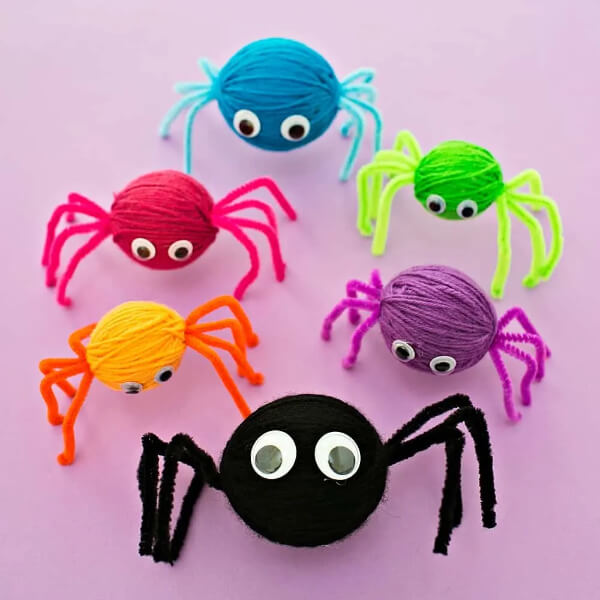

Explore fun and easy spider craft ideas for kids that enhance creativity and teach about spiders. Perfect for Halloween or anytime crafting fun
Are all snakes poisonous?
Not all snakes are poisonous. Learn about different snake species, how to identify venomous ones, and the importance of understanding their role in nature.
What is my biggest muscle?
The gluteus maximus is your body’s largest muscle. Learn about its function in movement, posture, and overall body strength.