

A Places Vocabulary Worksheet for Kindergarten is a valuable educational tool designed to help children recognize, name, and understand various locations such as parks, schools, libraries, and grocery stores. These worksheets often incorporate engaging activities like matching pictures to words, coloring, and simple word searches, making the learning process both fun and effective.
[Scroll Down for Download Link]
Contents
- Places Words Missing Letter
- Key Facts About Places Vocabulary Worksheet for Kindergarten
- Parts/Types/Examples of Places Vocabulary Worksheet for Kindergarten
- How Does the Places Vocabulary Worksheet for Kindergarten Work?
- Benefits of Learning About Places Vocabulary Worksheet for Kindergarten
- Learning Objectives
- Worksheet Instructions
- Interesting Facts About Places Vocabulary Worksheet for Kindergarten
- Vocabulary Words
- Real-Life Applications
- FAQs:
- Q1. What is a Places Vocabulary Worksheet for Kindergarten?
- Q2. Why is vocabulary important for kindergarten students?
- Q3. What age group is this worksheet suitable for?
- Q4. Can parents use these worksheets at home?
- Q5. What skills do children develop through these worksheets?
- Q6. Are picture-based worksheets effective for young learners?
- Q7. How often should children practice vocabulary worksheets?
- You May Like These:
Places Words Missing Letter
Read More: Basic English Vocabulary Words For Kids

- Circus
- City
- Forest
- Airport
- Pool
- Museum

- School
- Home
- Zoo
- Church
- Library
- Store

- Beach
- Gym
- Office
- Park
- Mall
- Station

- Garden
- Market
- Hospital
- Mountain
- Theater
- Cafe
Key Facts About Places Vocabulary Worksheet for Kindergarten
A Places Vocabulary Worksheet for Kindergarten helps young learners identify and understand common places they encounter in everyday life. These worksheets introduce location-based words through engaging activities such as matching, coloring, tracing, and picture recognition. By learning place names early, children strengthen their vocabulary, improve communication skills, and develop a better understanding of their surroundings. These worksheets are designed specifically for kindergarten students using age-appropriate visuals and simple language.
Parts/Types/Examples of Places Vocabulary Worksheet for Kindergarten
Place vocabulary worksheets can include various activities and place categories:
Common Places Included:
- School
- Hospital
- Park
- Library
- Zoo
- Airport
- Restaurant
- Supermarket
- Post Office
- Fire Station
Worksheet Types:
- Picture matching worksheets
- Word tracing activities
- Fill-in-the-blank exercises
- Cut-and-paste activities
- Coloring worksheets
- Identification and labeling exercises
How Does the Places Vocabulary Worksheet for Kindergarten Work?
These worksheets use visual learning techniques to help children associate words with real-world locations. Students look at pictures, read or trace place names, and complete activities that reinforce recognition. Repetition and image association help improve vocabulary retention while making learning enjoyable and interactive. Teachers and parents can use these worksheets as part of classroom lessons or home practice sessions.
Benefits of Learning About Places Vocabulary Worksheet for Kindergarten
- Expands everyday vocabulary.
- Improves language and communication skills.
- Strengthens word recognition abilities.
- Builds awareness of community locations.
- Enhances memory and observation skills.
- Supports reading readiness and literacy development.
- Encourages curiosity about the world around them.
- Promotes confidence in identifying familiar places.
Learning Objectives
By completing this worksheet, children will:
- Recognize common community places.
- Learn new location-based vocabulary words.
- Improve spelling and word identification skills.
- Strengthen visual recognition abilities.
- Develop early reading and comprehension skills.
- Connect words with real-life environments.
- Increase confidence in verbal communication.
Worksheet Instructions
- Look carefully at each picture.
- Read the place name provided.
- Match the picture to the correct word.
- Trace or write the vocabulary words neatly.
- Color the images if instructed.
- Complete all activities independently or with guidance.
- Review the words aloud after finishing the worksheet.
Interesting Facts About Places Vocabulary Worksheet for Kindergarten
- Children learn vocabulary faster when words are paired with pictures.
- Community place words help students understand their local environment.
- Visual worksheets improve memory retention in young learners.
- Learning location names supports early social studies education.
- Interactive vocabulary activities increase classroom engagement.
- Place recognition helps children become more aware of community helpers and services.
Vocabulary Words
Important vocabulary words included in the places worksheets may include:
- School
- Library
- Hospital
- Park
- Museum
- Zoo
- Airport
- Restaurant
- Supermarket
- Bakery
- Bank
- Fire Station
- Police Station
- Playground
- Post Office
Real-Life Applications
Learning vocabulary helps children:
- Identify locations in their community.
- Follow directions more easily.
- Communicate about places they visit.
- Understand maps and location-based instructions.
- Recognize important community services.
- Build foundational knowledge for geography and social studies learning.
- Improve daily conversations with family, teachers, and friends.
FAQs:
Q1. What is a Places Vocabulary Worksheet for Kindergarten?
Answer: It is an educational worksheet designed to teach children the names and meanings of common places through pictures and vocabulary activities.
Q2. Why is vocabulary important for kindergarten students?
Answer: Placing vocabulary helps children understand their surroundings, improve communication skills, and build a strong language foundation.
Q3. What age group is this worksheet suitable for?
Answer: These worksheets are generally designed for children aged 4–6 years, including preschool and kindergarten learners.
Q4. Can parents use these worksheets at home?
Answer: Yes, parents can use them for extra vocabulary practice, homeschooling, or fun educational activities.
Q5. What skills do children develop through these worksheets?
Answer: Children improve vocabulary, reading readiness, word recognition, comprehension, observation, and communication skills.
Q6. Are picture-based worksheets effective for young learners?
Answer: Yes, picture-based learning helps children remember words more easily and keeps them engaged throughout the activity.
Q7. How often should children practice vocabulary worksheets?
Answer: Regular practice several times a week can significantly improve vocabulary development and language confidence.

The Places Vocabulary Worksheet for Kindergarten is an essential tool that introduces young learners to diverse locations in a fun and engaging manner. By enhancing their vocabulary and comprehension skills, this worksheet lays a strong foundation for future language development and fosters a love for learning about the world around them. Visit our website for more paragraphs, essays, worksheets, flashcards, Quizzes, and interactive resources. Don’t forget to follow us on YouTube & Facebook.
You May Like These:
Interactive Advanced Vocabulary Exercises for Students
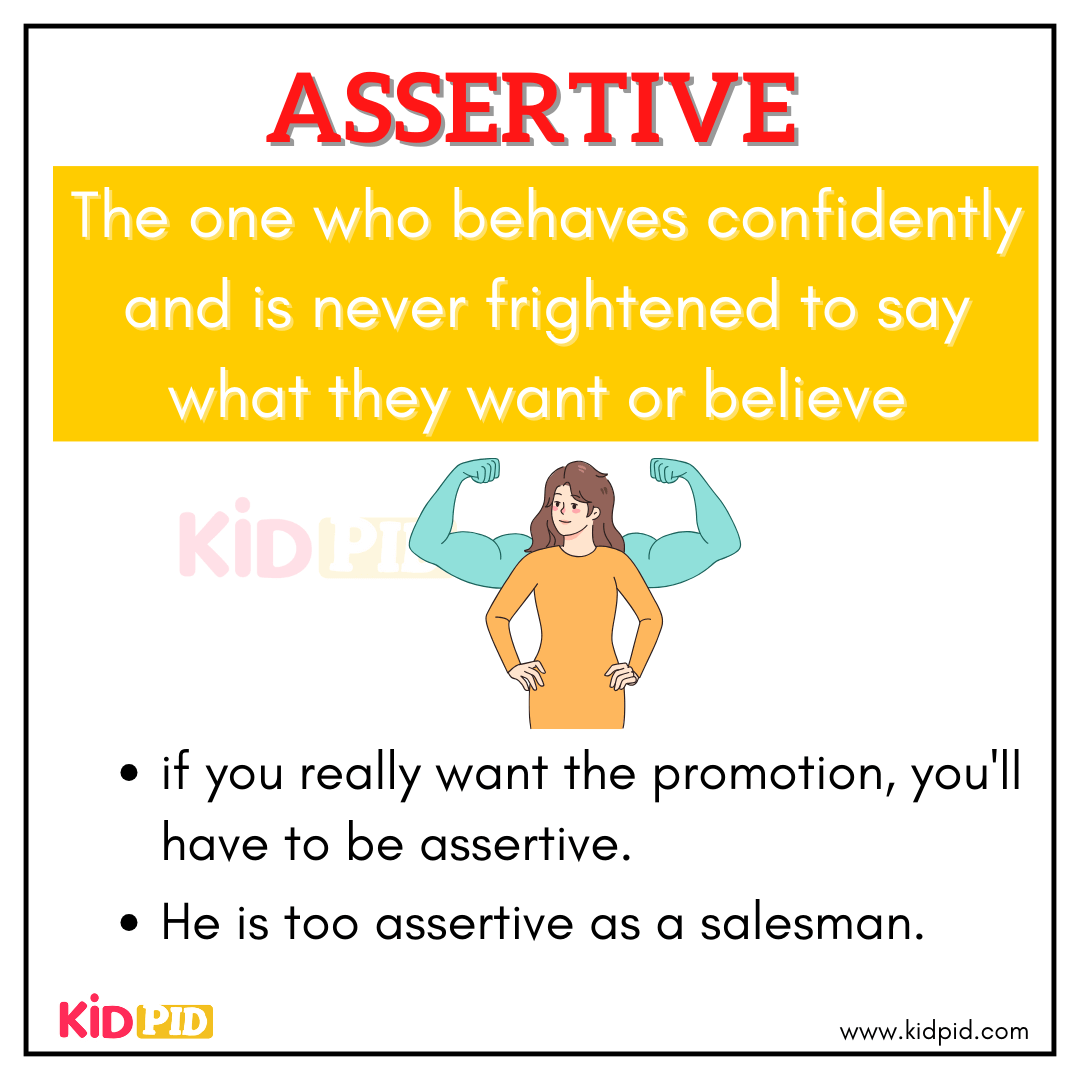
Exciting and challenging activities to help students master advanced English words, making vocabulary building engaging and effective for fluent communication.
Engaging Basic English Vocabulary Activities for Kids
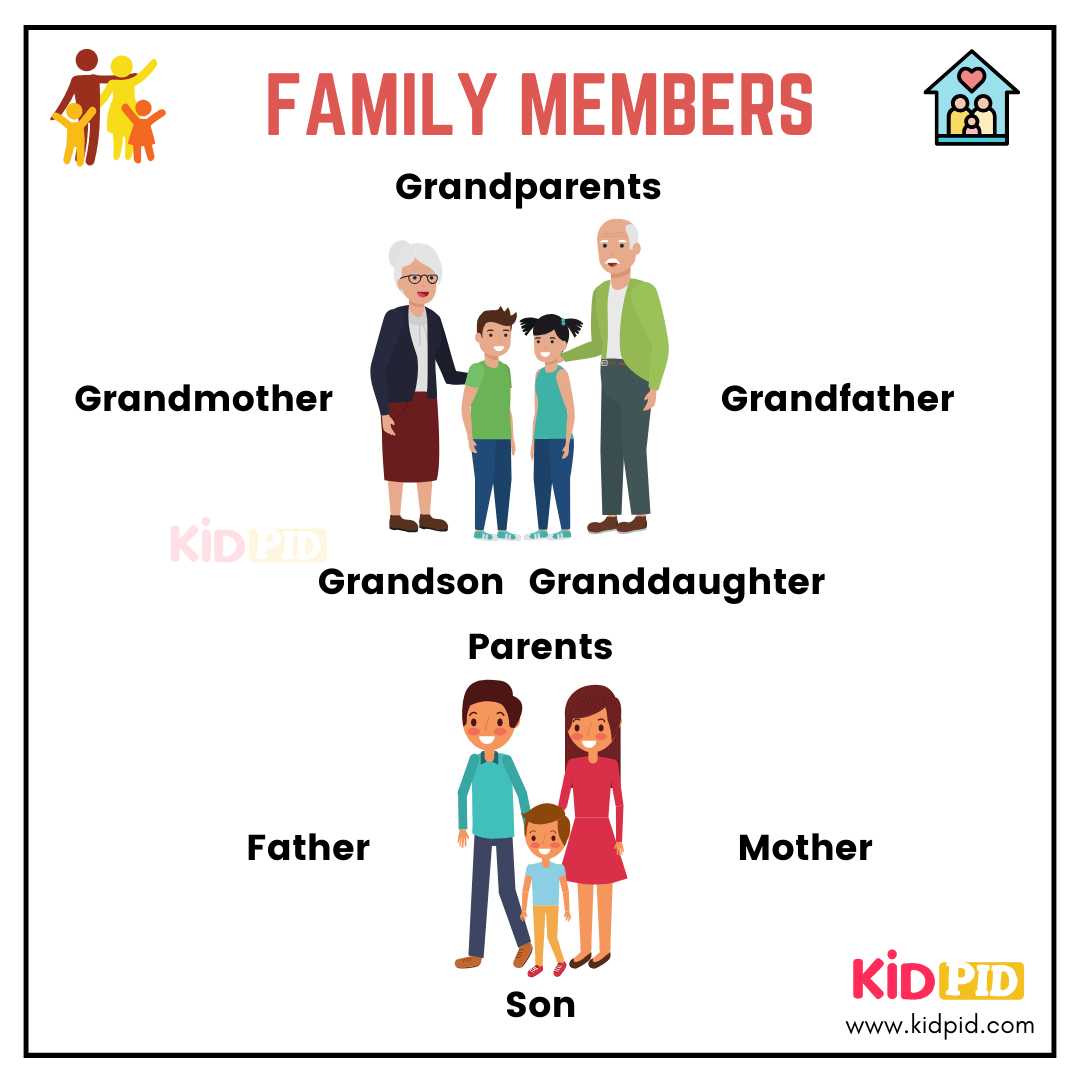
Fun and simple activities to help kids learn basic words like “cat,” “run,” and “happy,” making vocabulary building enjoyable and easy for young learners!
Fun Ways to Build Your Child’s Vocabulary
Creative and playful methods to help your child learn new words, making vocabulary growth a fun and exciting part of their daily routine!
ABC Vocabulary Building Book for Young Learners
A colorful book filled with ABC-themed words and activities to help kids learn the alphabet and build vocabulary in a fun and creative way!
Engaging English Vocabulary Practice for Kids
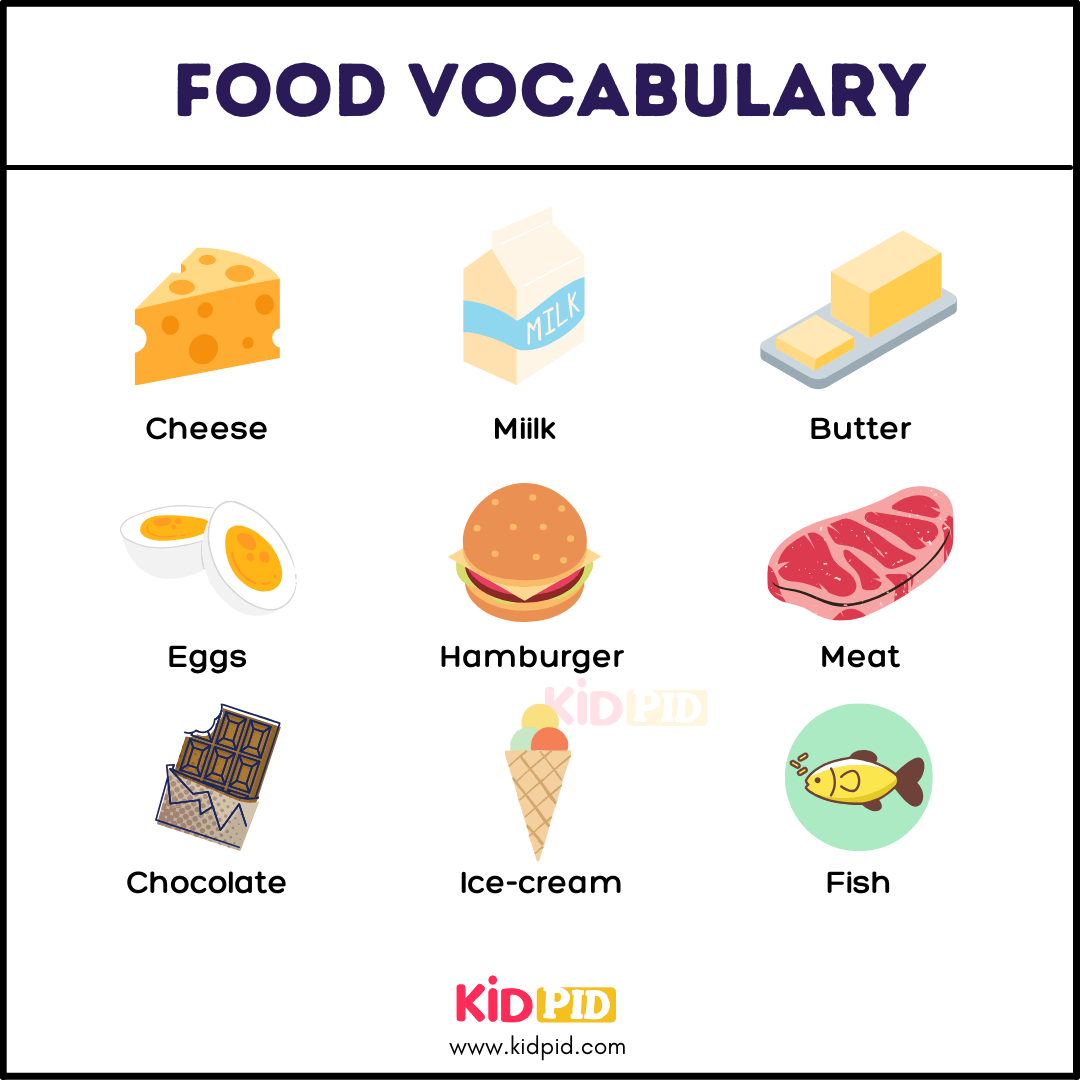
Fun and interactive exercises to help kids learn and practice English words, making vocabulary building an enjoyable and effective experience!



