

This Color Vocabulary Worksheet is perfect for kindergarteners to learn and recognize different colors. By writing the missing first letter of each color, children can practice their writing and reading skills. This fun and engaging activity helps young learners with early literacy and color recognition, making learning enjoyable and interactive.
[Scroll Down for Download Link]
Contents
- Missing Letter Direction Words
- Key Facts About Direction Vocabulary Worksheet for Kindergarten
- Parts/Types/Examples of Direction Vocabulary Worksheet
- How Does the Direction Vocabulary Worksheet for Kindergarten Work?
- Benefits of Learning About Direction Vocabulary Worksheet for Kindergarten
- Learning Objectives
- Worksheet Instructions
- Interesting Facts About Direction Vocabulary Words
- Real-Life Applications
- FAQs
- Q1. What is a Direction Vocabulary Worksheet for Kindergarten?
- Q2. Why is direction vocabulary important for kindergarten students?
- Q3. What direction words are commonly taught in kindergarten?
- Q4. How do direction worksheets help child development?
- Q5. Can direction vocabulary worksheets be used at home?
- Q6. Are direction vocabulary worksheets suitable for beginners?
- Q7. How often should children practice direction vocabulary?
- Q8. What skills are improved through direction vocabulary activities?
- You may like these:
Missing Letter Direction Words
Read More: Printable Vocabulary Worksheets

- Left
- Right
- Up
- Down
- Turn right
- Turn left

- East
- West
- North
- South
- Stop
- Go
Key Facts About Direction Vocabulary Worksheet for Kindergarten
A Direction Vocabulary Worksheet for Kindergarten helps young learners understand and use words that describe position, movement, and location. These worksheets introduce important directional concepts such as up, down, left, right, forward, backward, near, far, above, and below through fun and interactive activities. Children learn to recognize directions by matching pictures, tracing words, coloring objects, and following simple instructions. Direction vocabulary is an essential early learning skill that supports language development, reading comprehension, problem-solving, and spatial awareness. These worksheets are designed with age-appropriate visuals and exercises to make learning easy and enjoyable for kindergarten students.
Parts/Types/Examples of Direction Vocabulary Worksheet
Direction vocabulary worksheets can include a variety of activities to reinforce learning.
Parts of a Direction Vocabulary Worksheet:
- Direction word list
- Picture-based learning activities
- Matching exercises
- Tracing and writing practice
- Following directions tasks
- Coloring and labeling activities
Types of Direction Vocabulary Worksheets:
- Left and right identification worksheets
- Up and down direction activities
- Near and far recognition exercises
- Above and below matching tasks
- Position and movement worksheets
- Map and route-following activities
Examples of Direction Words:
- Left
- Right
- Up
- Down
- Forward
- Backward
- Above
- Below
- Near
- Far
How Does the Direction Vocabulary Worksheet for Kindergarten Work?
Direction vocabulary worksheets teach children through visual learning and hands-on practice. Students look at pictures and identify the correct direction word based on object placement or movement. They may draw lines, circle answers, color images, trace vocabulary words, or follow simple directional instructions. Repeated exposure to these concepts helps children understand spatial relationships and improves their ability to communicate positions and movements accurately. The engaging format keeps young learners motivated while strengthening foundational language and cognitive skills.
Benefits of Learning About Direction Vocabulary Worksheet for Kindergarten
Learning direction vocabulary provides many educational advantages for young children.
Key Benefits:
- Builds spatial awareness and understanding
- Improves listening and following-direction skills
- Enhances vocabulary development
- Strengthens reading comprehension
- Supports problem-solving abilities
- Encourages critical thinking
- Develops early map-reading skills
- Increases confidence in communication
- Prepares children for classroom instructions
- Promotes independent learning
Learning Objectives
By completing direction vocabulary worksheets, children will be able to:
- Identify common direction words correctly
- Understand positional relationships between objects
- Follow simple directional instructions
- Use direction vocabulary in everyday conversations
- Improve observation and visual discrimination skills
- Strengthen handwriting through tracing activities
- Build confidence in language and communication
- Develop early navigation and mapping skills
Worksheet Instructions
- Look carefully at each picture.
- Read or listen to the direction word provided.
- Match the picture with the correct direction.
- Trace and practice writing the vocabulary words.
- Circle the correct answer when asked.
- Follow the directions given in each activity.
- Color the objects according to the instructions.
- Review your answers before finishing the worksheet.
Interesting Facts About Direction Vocabulary Words
- Direction words help people describe locations and movement clearly.
- Young children begin understanding basic directions as early as preschool.
- Direction vocabulary is important for learning mathematics and geometry.
- Maps, GPS systems, and navigation tools all use directional concepts.
- Spatial awareness developed through direction learning supports problem-solving skills.
- Understanding directions helps children participate successfully in games and sports.
- Many classroom activities rely on students’ understanding of directional instructions.
- Direction words are used daily at home, school, and while traveling.
Real-Life Applications
Direction vocabulary is used in many everyday situations.
Examples Include:
- Following classroom instructions
- Navigating hallways and playgrounds
- Reading maps and simple diagrams
- Playing treasure hunts and games
- Participating in sports and physical activities
- Giving and receiving directions
- Organizing objects by position
- Using navigation apps and GPS systems
- Completing puzzles and building activities
- Understanding story sequences and movement descriptions
Learning these concepts helps children become more independent and confident in daily life.
FAQs
Q1. What is a Direction Vocabulary Worksheet for Kindergarten?
Answer: A direction vocabulary worksheet is an educational activity that teaches children words related to position, location, and movement through engaging exercises and illustrations.
Q2. Why is direction vocabulary important for kindergarten students?
Answer: Direction vocabulary helps children understand spatial relationships, follow instructions, improve communication, and build foundational learning skills.
Q3. What direction words are commonly taught in kindergarten?
Answer: Common words include left, right, up, down, above, below, near, far, forward, and backward.
Q4. How do direction worksheets help child development?
Answer: They strengthen vocabulary, listening skills, visual perception, problem-solving abilities, and spatial awareness.
Q5. Can direction vocabulary worksheets be used at home?
Answer: Yes. Parents can use these worksheets to support learning, reinforce classroom concepts, and create fun educational activities.
Q6. Are direction vocabulary worksheets suitable for beginners?
Answer: Yes. Most worksheets are designed specifically for young learners and use simple words, colorful images, and easy-to-follow instructions.
Q7. How often should children practice direction vocabulary?
Answer: Regular practice through worksheets, games, and daily conversations helps children master directional concepts more effectively.
Q8. What skills are improved through direction vocabulary activities?
Answer: Children improve language development, critical thinking, observation skills, communication, and understanding of spatial relationships.
Incorporating a direction vocabulary worksheet in kindergarten education enhances spatial awareness and language skills. Early exposure to directional terms like “left,” “right,” “above,” and “below” fosters cognitive development and prepares young learners for future academic success. This foundational tool is essential for building effective communication and problem-solving abilities, including worksheets, essays, paragraphs, flashcards, quizzes, and interactive resources. Don’t forget to follow us on Facebook, Pinterest, YouTube & Telegram. You can also ask for free printables in our Telegram group. Thanks, and keep visiting!
This worksheet was created by the Content Team to support learning attainment.
Reviewed By Mahak Agarwal
You may like these:
Printable Position Vocabulary Worksheet for Kindergarten Class

A ready-to-use worksheet designed to teach kindergarteners positional words, helping them understand spatial concepts through fun and interactive classroom activities.
Learn Halloween Words with Fun Vocabulary Exercises
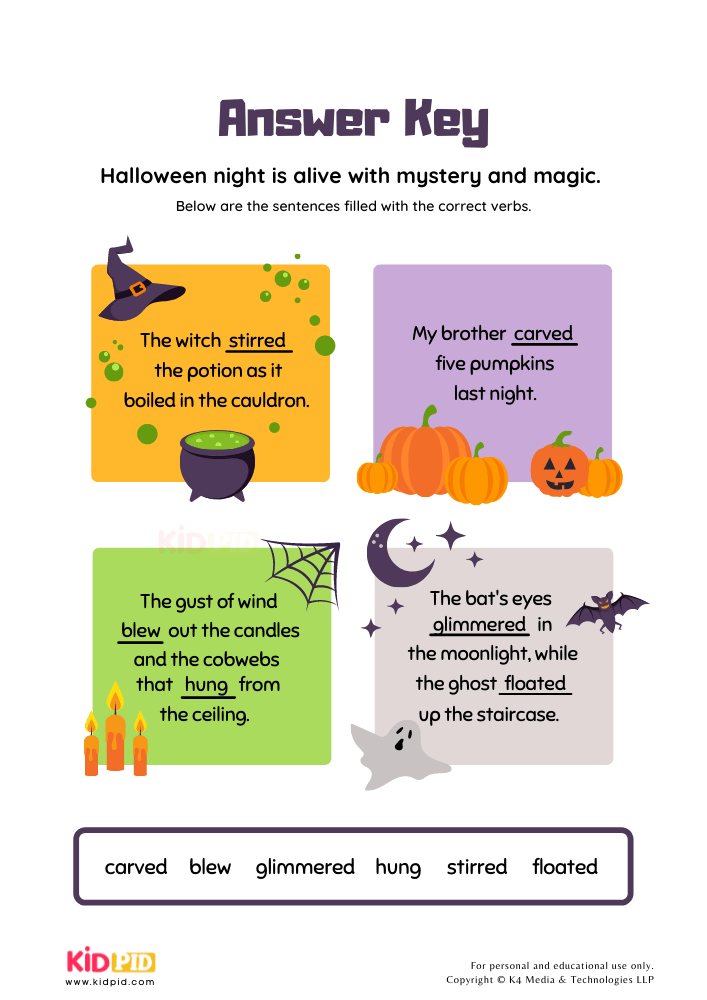
Engaging exercises that introduce kids to Halloween-themed vocabulary, making learning spooky terms enjoyable and educational during the festive season.
Interactive Holiday Words Worksheet for Young Students

A dynamic worksheet focused on holiday-related terms, encouraging young learners to expand their vocabulary while exploring various celebrations and traditions.
Places-Themed Vocabulary Practice for Kindergarten

A themed worksheet that helps kindergarteners learn words related to different places, fostering language development and awareness of their surroundings.
Five Senses-Themed Vocabulary Practice for Kindergarten

An interactive worksheet designed to teach vocabulary related to the five senses, helping young learners explore and describe their sensory experiences.



