


The Location Prepositions Practice Worksheet is designed to help kindergarten students develop a solid understanding of using prepositions to describe the location of objects and people. Through engaging exercises that require identifying and applying prepositions such as “on,” “in,” “under,” and “beside,” children will strengthen their grasp of this essential grammatical concept and improve their ability to express spatial relationships.
[Scroll Down for Download Link]
Contents
- Prepositions Worksheet For Kindergarten
- Key Facts About Location Prepositions
- Parts, Types, and Examples of Location Prepositions
- How Does a Location Prepositions Practice Worksheet Work?
- Benefits of Learning About Location Prepositions
- Learning Objectives
- Worksheet Instructions
- Interesting Facts About Location Prepositions
- Vocabulary Words
- Real-Life Applications
- FAQs
- You may like these:
Prepositions Worksheet For Kindergarten
Read More: Identify Correct Prepositions Worksheets for Grade 1

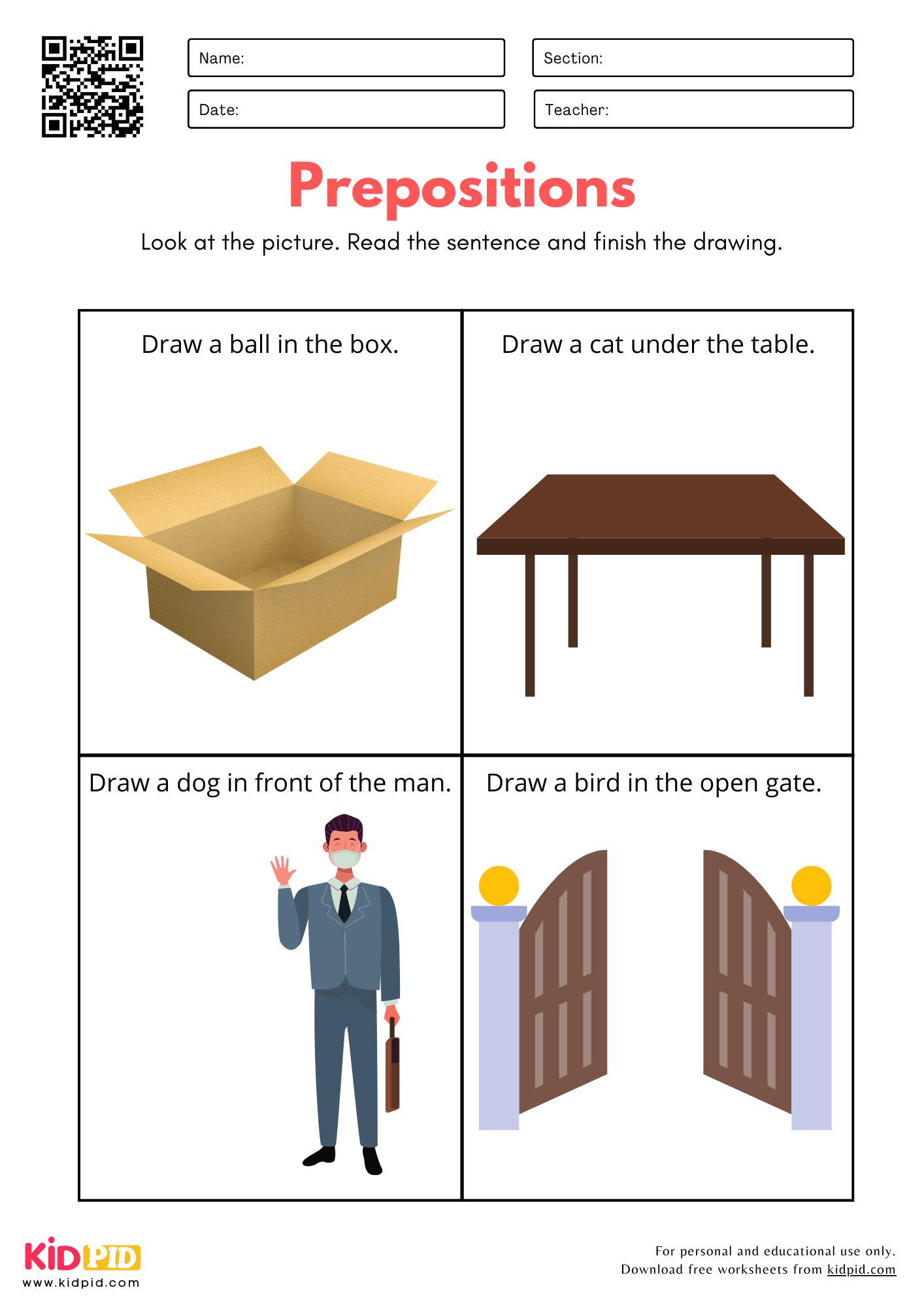


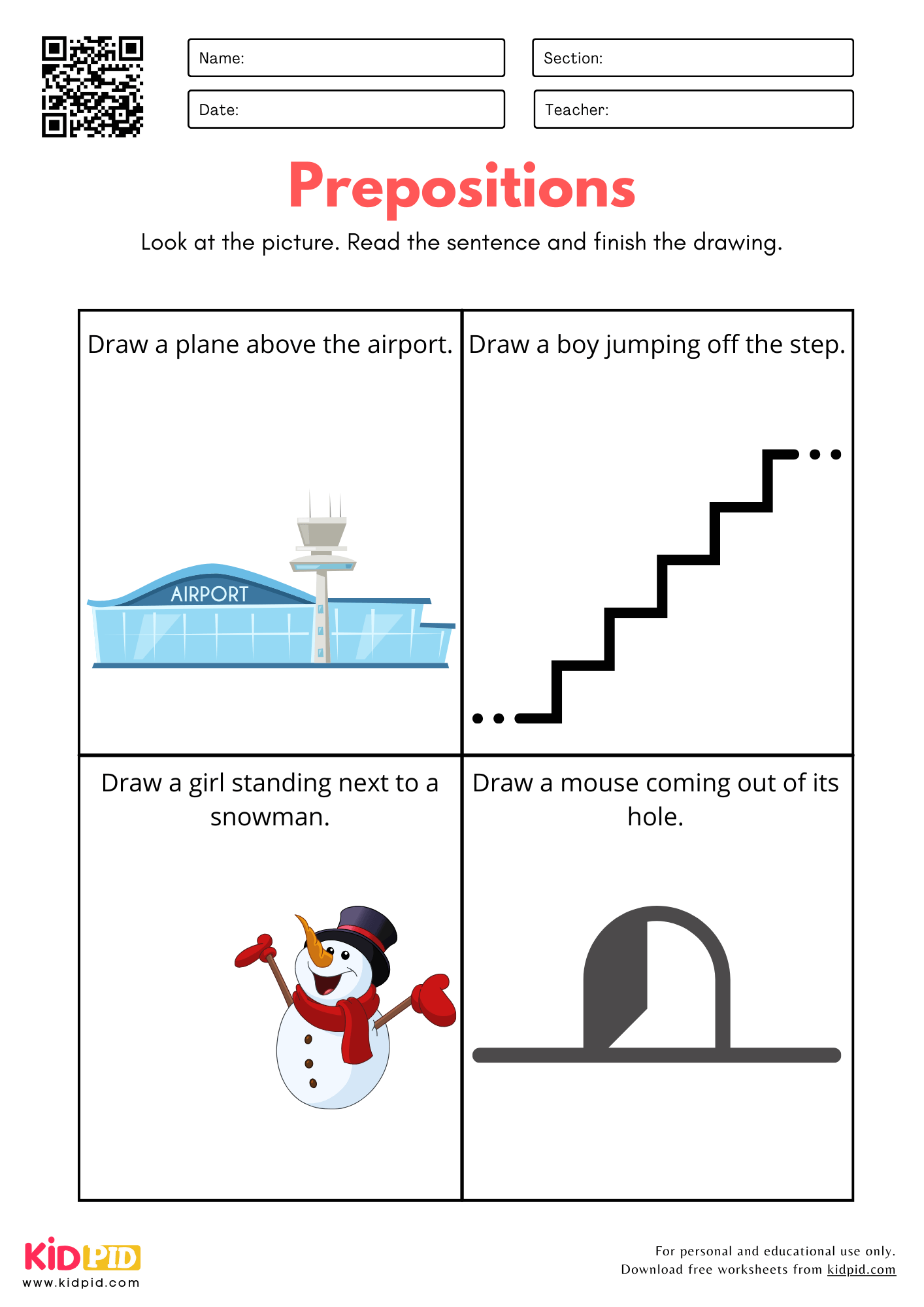
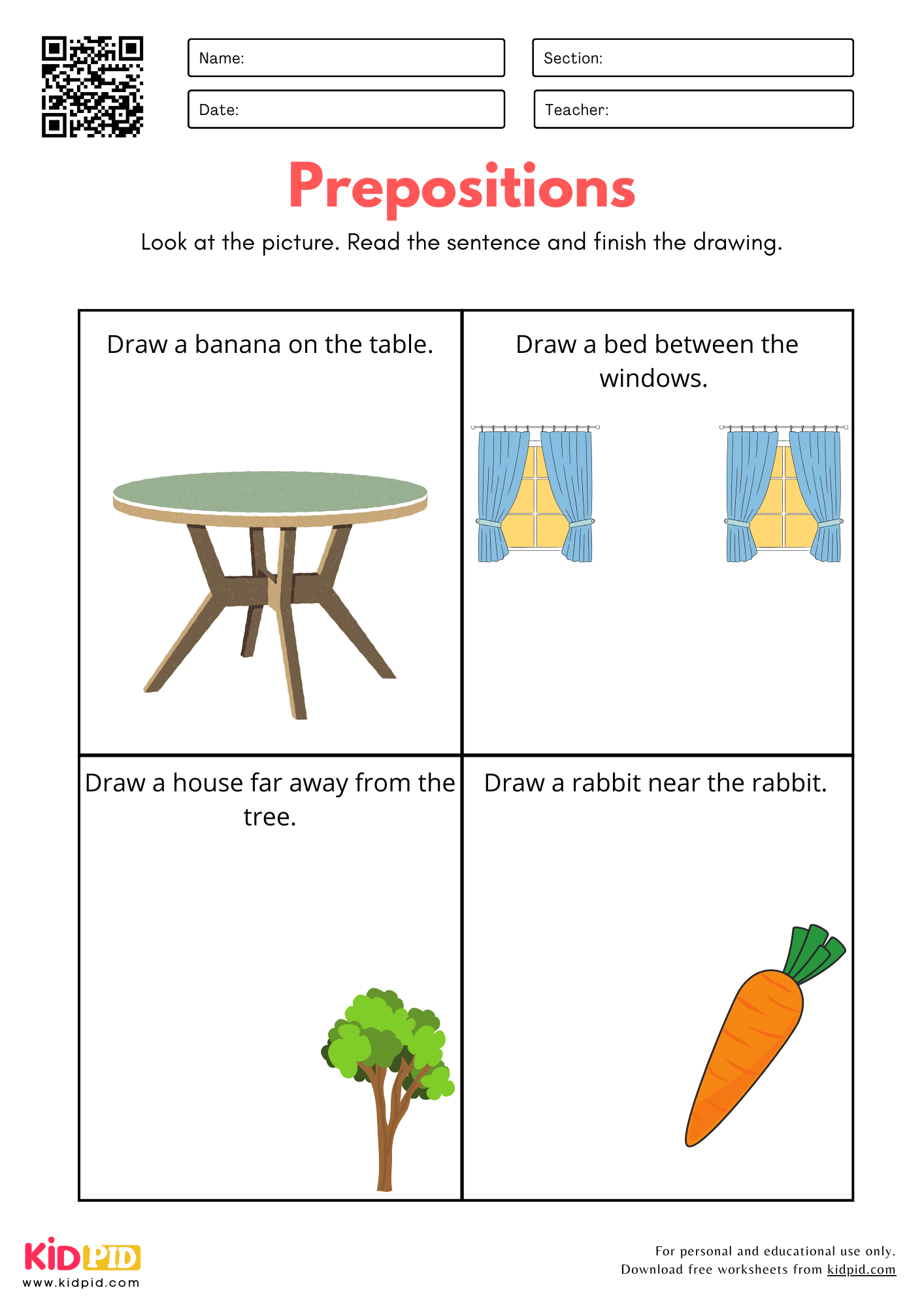

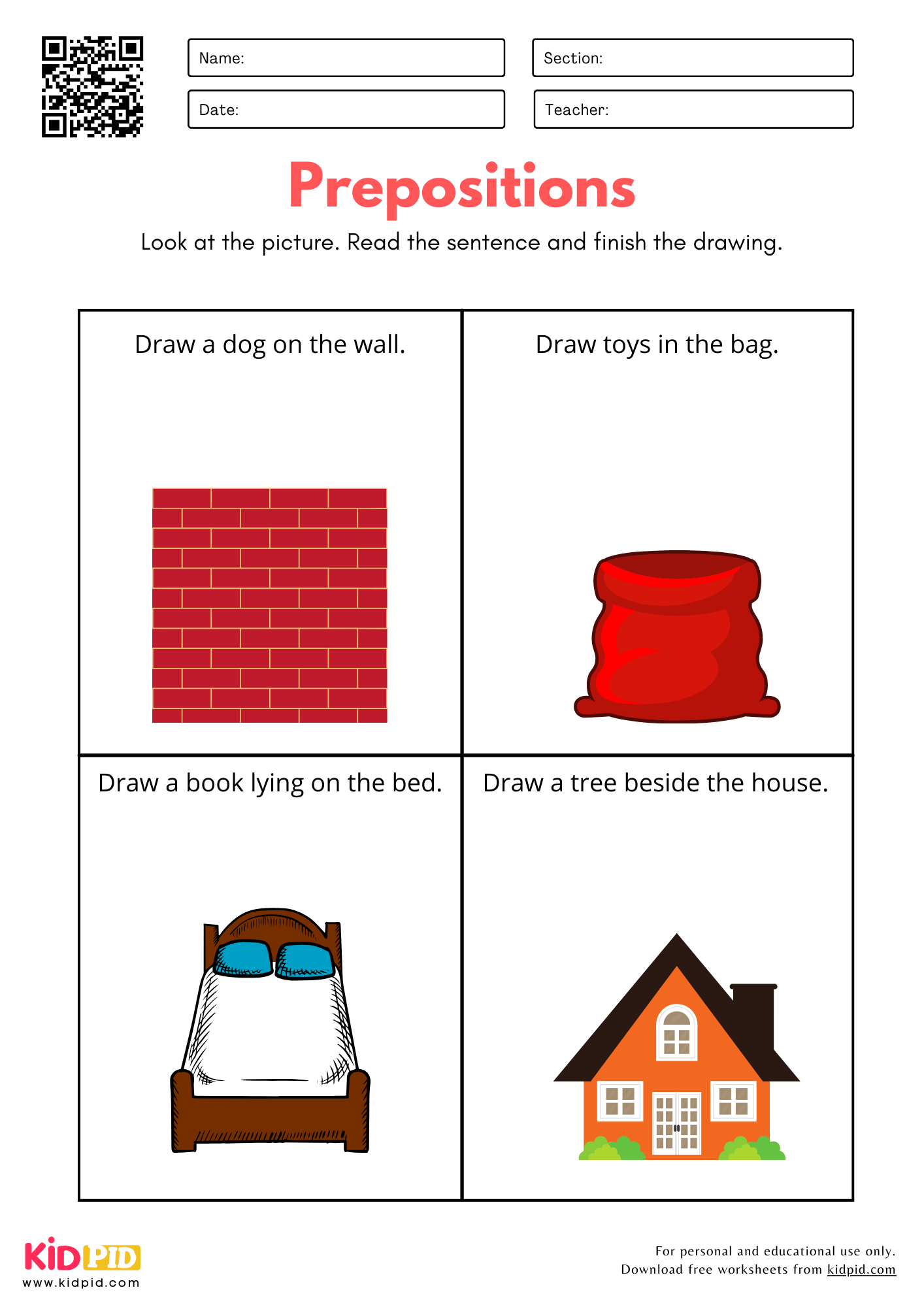

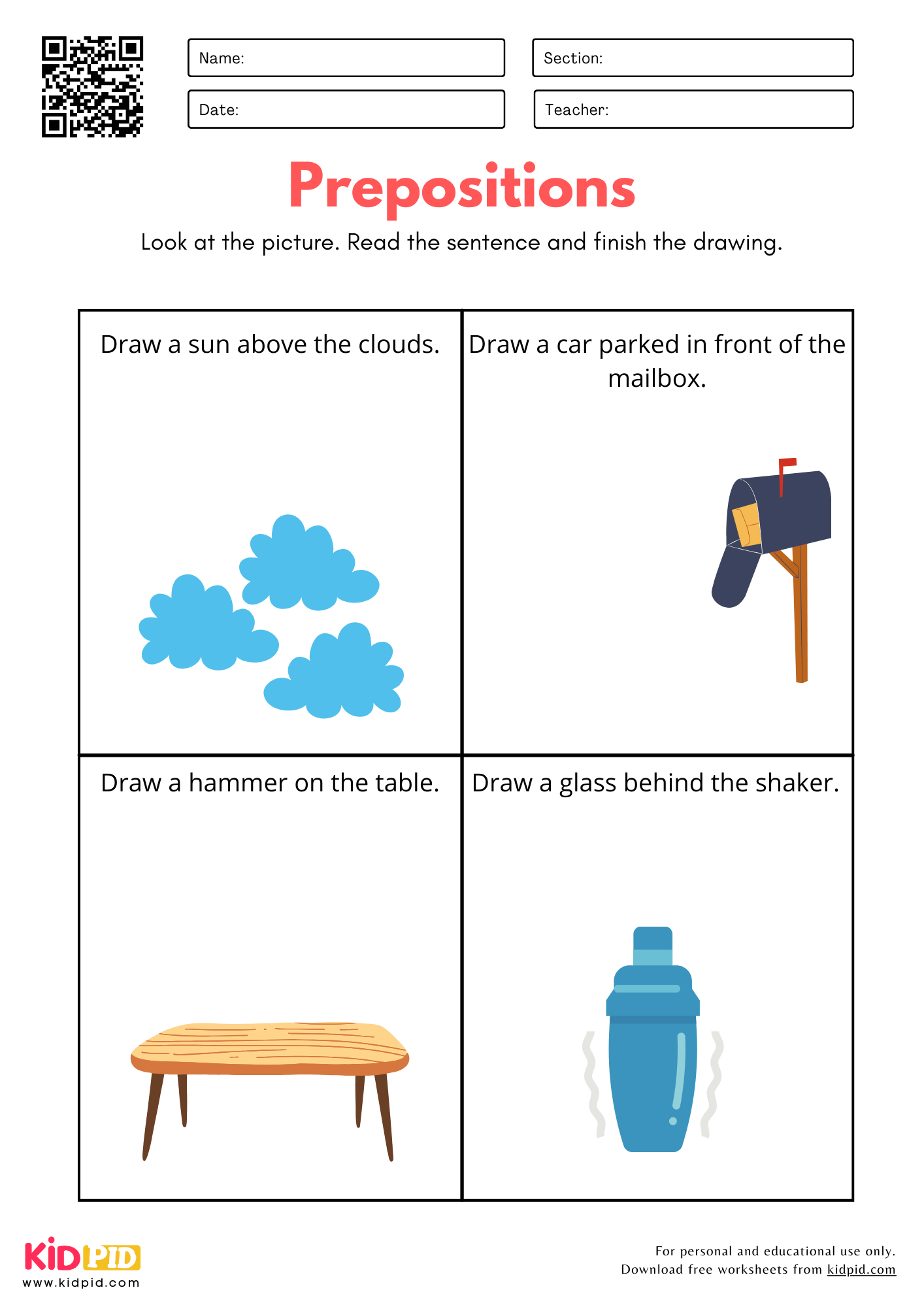
Key Facts About Location Prepositions
- Early Milestones: Children naturally begin understanding spatial awareness between ages 3 and 5. Recognizing words like “in” or “on” is one of the earliest markers of semantic language development.
- Building Blocks for Math: Spatial prepositions directly support early STEM skills. Understanding where an object is located forms the foundation for geometry, spatial reasoning, and tracking shapes.
- Language Integration: Prepositions bridge the gap between simple nouns (e.g., cat) and descriptive actions. They allow children to transition from single words to descriptive, complete sentences.
Parts, Types, and Examples of Location Prepositions
Location prepositions (also known as prepositions of place) tell us exactly where someone or something is relative to another object. For kindergarteners, these are broken down into simple, high-visual categories:
1. Interior and Exterior Placement
These words help children understand boundaries and containers.
- In / Inside: The apple is in the basket.
- On: The book is on the table.
2. Relative Proximity & Directions
These words show how close objects are to one another without touching.
- Under / Below: The dog is sleeping under the bed.
- Beside / Next to: The teddy bear is next to the pillow.
- Between: The ball is between the two blocks.
How Does a Location Prepositions Practice Worksheet Work?
A kindergarten practice worksheet bridges abstract spoken language with physical, visual cues. Since five-year-olds learn best through visual-spatial recognition, the worksheet uses a three-step cognitive cycle:
- Visual Stimulus: The child looks at a clear, friendly illustration (e.g., a cat sitting inside a box).
- Identification: The child evaluates the spatial relationship between the two main subjects (the cat and the box).
- Application: The child circles, matches, or traces the correct word (in, on, under) to complete a sentence prompt. This builds fine motor tracing skills alongside grammatical comprehension.
Benefits of Learning About Location Prepositions
- Improves Reading Comprehension: When kids read early storybooks, understanding prepositions prevents confusion about the plot (e.g., knowing the mouse ran under the clock, not over it).
- Boosts Listening and Following Directions: Classroom independence relies heavily on these words. A child who masters prepositions can confidently follow multi-step instructions like, “Put your folder inside your backpack and place your lunch box on top of the counter.”
- Enhances Expressive Speech: It prevents communication frustration. Instead of pointing and saying, “The toy is over there!” a child gains the precise vocabulary to say, “The toy is under the chair.”
Learning Objectives
By completing these practice worksheets, young learners will achieve the following developmental and academic milestones:
- Identify foundational location prepositions (in, on, under, beside, next to) when presented with visual illustrations.
- Demonstrate proper spatial placement by physically placing objects or drawing items according to written or spoken prompts.
- Construct simple spoken or written phrases that utilize a preposition to describe an object’s location.
- Enhance foundational fine motor skills via targeted line tracing, coloring, or word-matching exercises.
Worksheet Instructions
Parents and educators can guide children through the printable worksheets using these direct steps:
- Look and Discuss: Point to the first image on the page. Ask your child to describe what they see in their own words (e.g., “Where is the puppy sitting?”).
- Read Aloud: Read the incomplete sentence prompt under the picture together, pausing at the blank space.
- Pick the Match: Have your child look at the word choice box. Prompt them to select the word that perfectly matches the picture.
- Complete the Action: Depending on the worksheet style, encourage your child to circle the right answer, trace the dotted letters, or draw a line from the text to the matching scene.
Interesting Facts About Location Prepositions
- Universal Language Patterns: No matter what language a child learns first, “in” and “on” are almost universally the very first spatial prepositions uttered by toddlers across the globe.
- The “Invisible” Words: Prepositions make up less than 1% of the words in the English dictionary, yet they are among the top 10 most frequently used words in daily speech.
- A Fix for Reversals: Practicing with physical prepositions helps young learners who struggle with letter or directional reversals (like confusing b/d or p/q) by reinforcing structural orientation left-to-right and top-to-bottom.
Vocabulary Words
| Vocabulary Word | Simple Kindergarten Definition | Friendly Example Sentence |
|---|---|---|
| In | Tucked away inside a container or closed space. | The crayons are in the box. |
| On | Resting right on top of a surface. | The apple is sitting on the desk. |
| Under | Hidden or resting directly beneath something else. | Your shoes are hiding under the rug. |
| Next to | Sitting right beside something, side-by-side. | Stand next to your friend in line. |
| Behind | Hidden at the back of something. | The sun disappeared behind the clouds. |
Real-Life Applications
Grammar shouldn’t stay on the paper! Here is how families and classrooms can apply these worksheet lessons throughout the day:
- The Clean-Up Game: Turn chores into a vocabulary check. Give directions using targeted words: “Put the blocks inside the bin, and line the books up on top of the shelf.”
- Simon Says (Preposition Edition): Play a physical game to get kids moving. Give commands like, “Simon Says, put your hands over your head!” or “Simon Says, step behind your chair!”
- I-Spy Living Room Hunt: Play a guessing game based entirely on location cues. “I spy something shiny that lives next to the television.”
FAQs
Q1. At what age should a child know prepositions of place?
Answer: Most children naturally begin using simple prepositions like “in” and “on” around 2 to 3 years old. By age 4 or 5 (kindergarten), they should confidently understand and use more descriptive spatial terms like “under,” “behind,” “next to,” and “in front of.”
Q2. How do you introduce prepositions to a kindergarten student?
Answer: Always start with concrete before moving to abstract paper worksheets. Use a physical toy and a small box. Move the toy around the box dynamically while saying the words out loud: “Look, now the bear is in the box! Now he is under the box!” Once they grasp the physical concept, transition them to visual worksheets.
Q3. Why does my child confuse “under” and “behind”?
Answer: This is completely normal in early child development. Words like “under” and “behind” require perspective-taking, which is still forming in a five-year-old’s brain. Consistent practice with explicit visual illustrations helps solidify these spatial differences.

Develop language and comprehension skills with this Location Prepositions Practice Worksheet for Kindergarten. Children learn position words like in, on, under, and behind while improving vocabulary, sentence understanding, and everyday communication through fun activities. Enjoy a growing collection of worksheets, essays, paragraphs, flashcards, quizzes, and interactive resources created to support every child’s learning journey. Follow us on YouTube & Facebook.
The Content Team thoughtfully developed this worksheet to foster academic learning.
Reviewed By Manpreet Kaur
You may like these:
Common Phrases with Prepositions
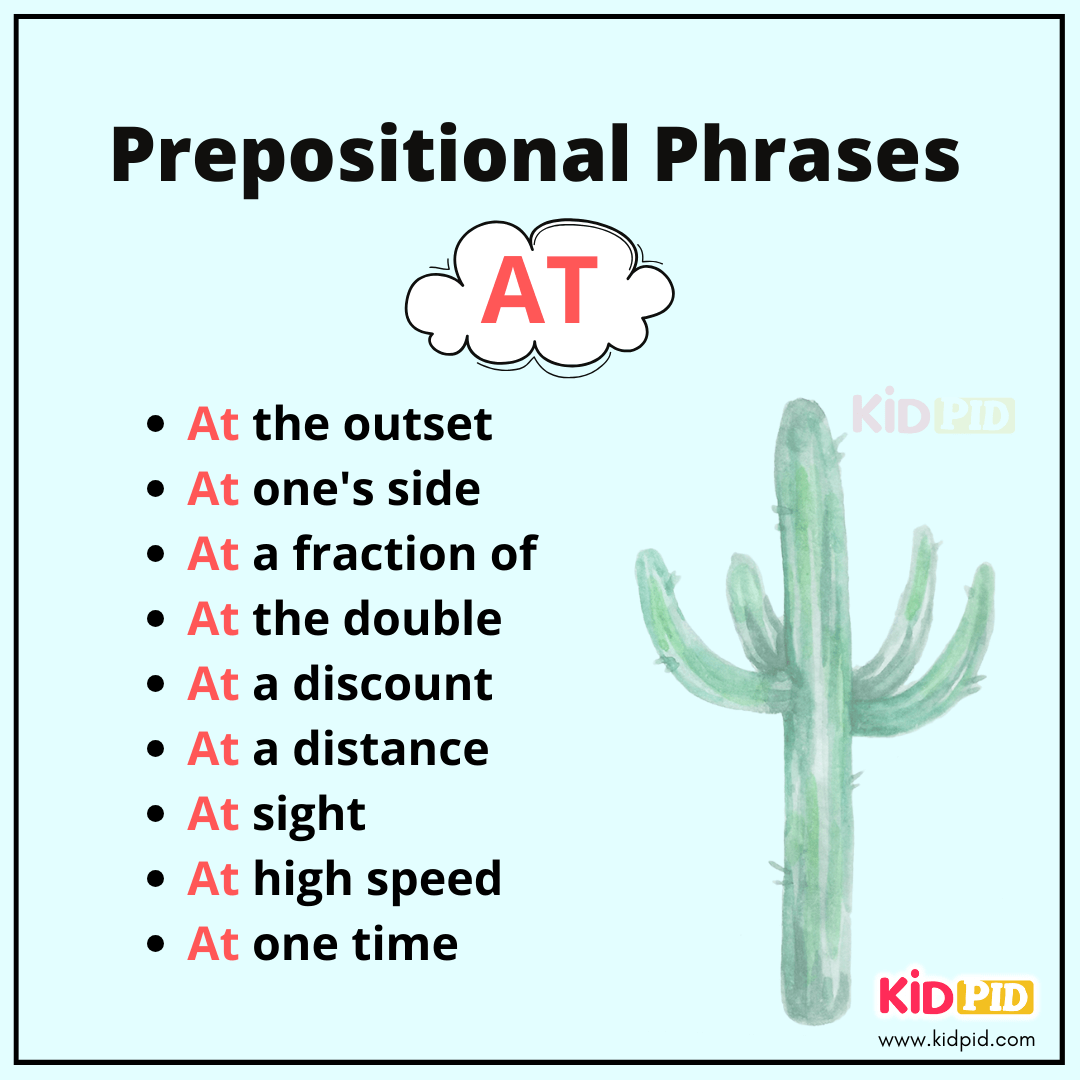
Learn everyday phrases that use prepositions, like “in the box” or “on the table.” These help you describe where things are or how they relate to each other.
Mistakes People Make with Prepositions
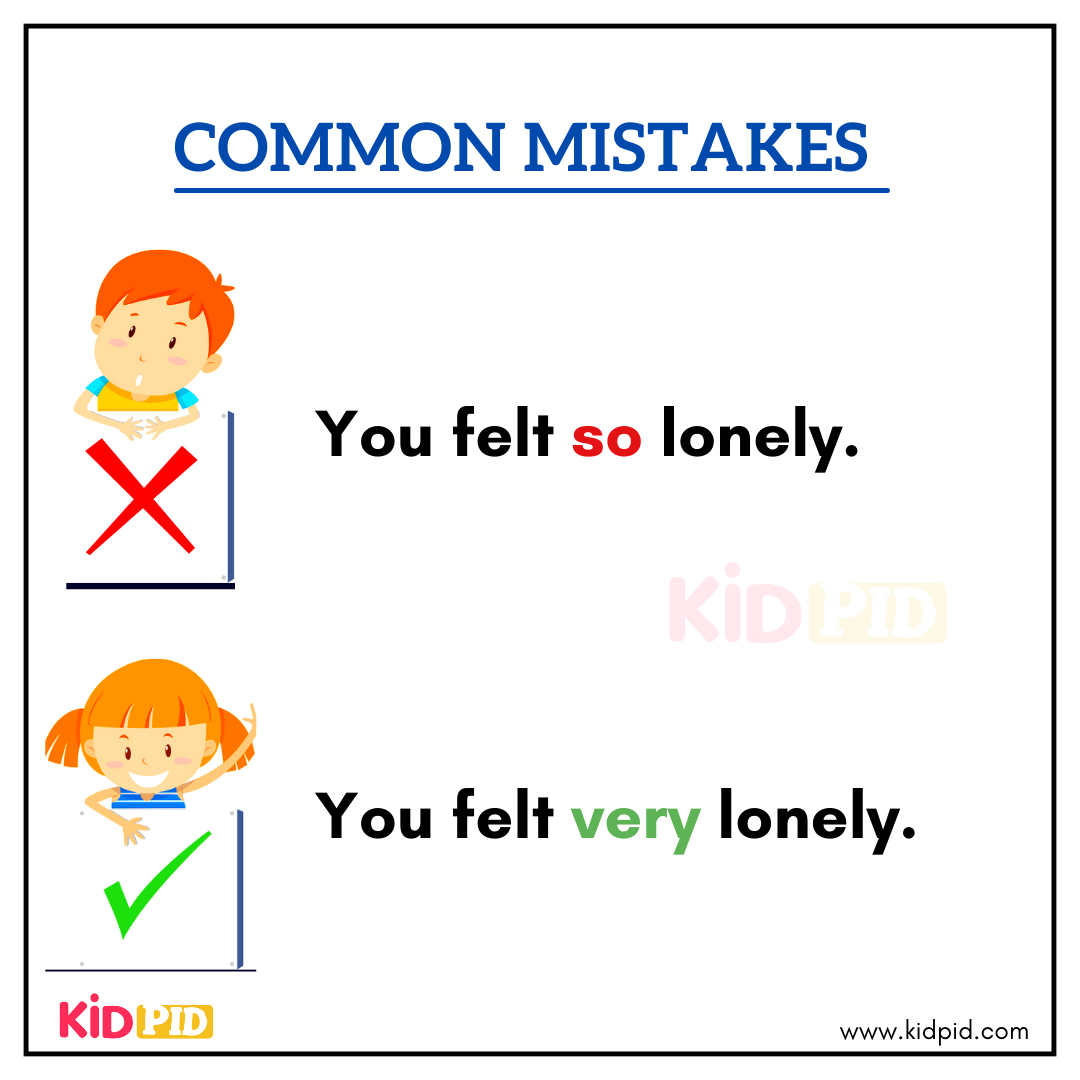
Understand common errors, such as using “on” instead of “at.” This topic helps you avoid confusion and use prepositions correctly in sentences.
Preposition Practice Sheets for Kindergarten
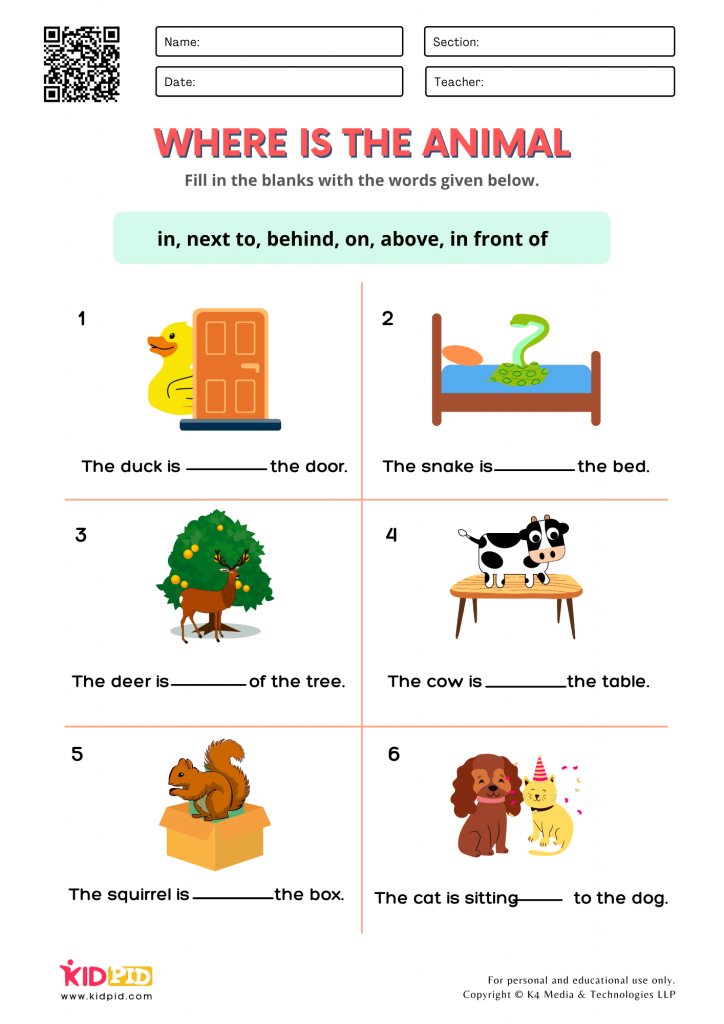
Fun and easy worksheets for young kids to learn prepositions like “under,” “over,” and “beside.” These activities make learning prepositions simple and enjoyable.
Worksheets to Find the Right Prepositions for 1st Grade
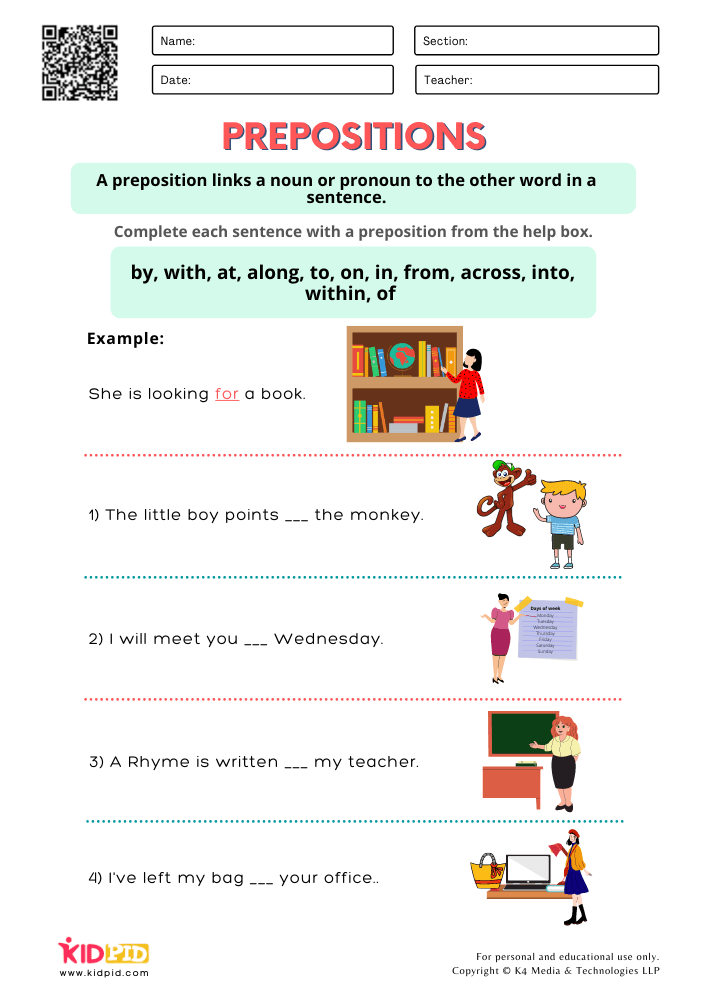
Practice sheets for first graders to choose the correct prepositions, such as “in,” “on,” or “by.” These help kids build strong grammar skills early on.
Kindergarten Worksheet to Spot Prepositions

Interactive worksheets for kindergarteners to identify prepositions in sentences or pictures. These activities help kids understand how prepositions describe location and direction.



