English can be a tricky language to learn, and it can be difficult to remember all of the words, especially when learning opposite adjectives. This article will provide a helpful guide to learning opposite adjectives in English, with examples of each. Whether you’re a beginner or an advanced English speaker, this article can help you gain a better understanding of the English language.
Contents
- What Are Opposite Adjectives in English?
- Learn These Opposite Adjectives in English
- Cheap vs Expensive
- Near vs Distant
- Modern vs Ancient
- Delicious vs Awful
- Wide vs Narrow
- Talkative vs Taciturn
- Healthy vs Sick
- Careful vs Careless
- Pessimistic – Optimistic
- Tidy vs Messy
- Patient vs Impatient
- Friendly vs Unfriendly
- Hot vs Cold
- Happy vs Sad
- Generous vs Selfish
- Why Learning Opposite Adjectives Is Important
- More Common Opposite Adjectives in English
What Are Opposite Adjectives in English?
Opposite adjectives (also known as antonyms) are pairs of words that express opposite meanings. Learning them helps you describe people, places, and situations more accurately in English.
Learn These Opposite Adjectives in English
Read More: Common Mistakes in English-Speaking
Cheap vs Expensive

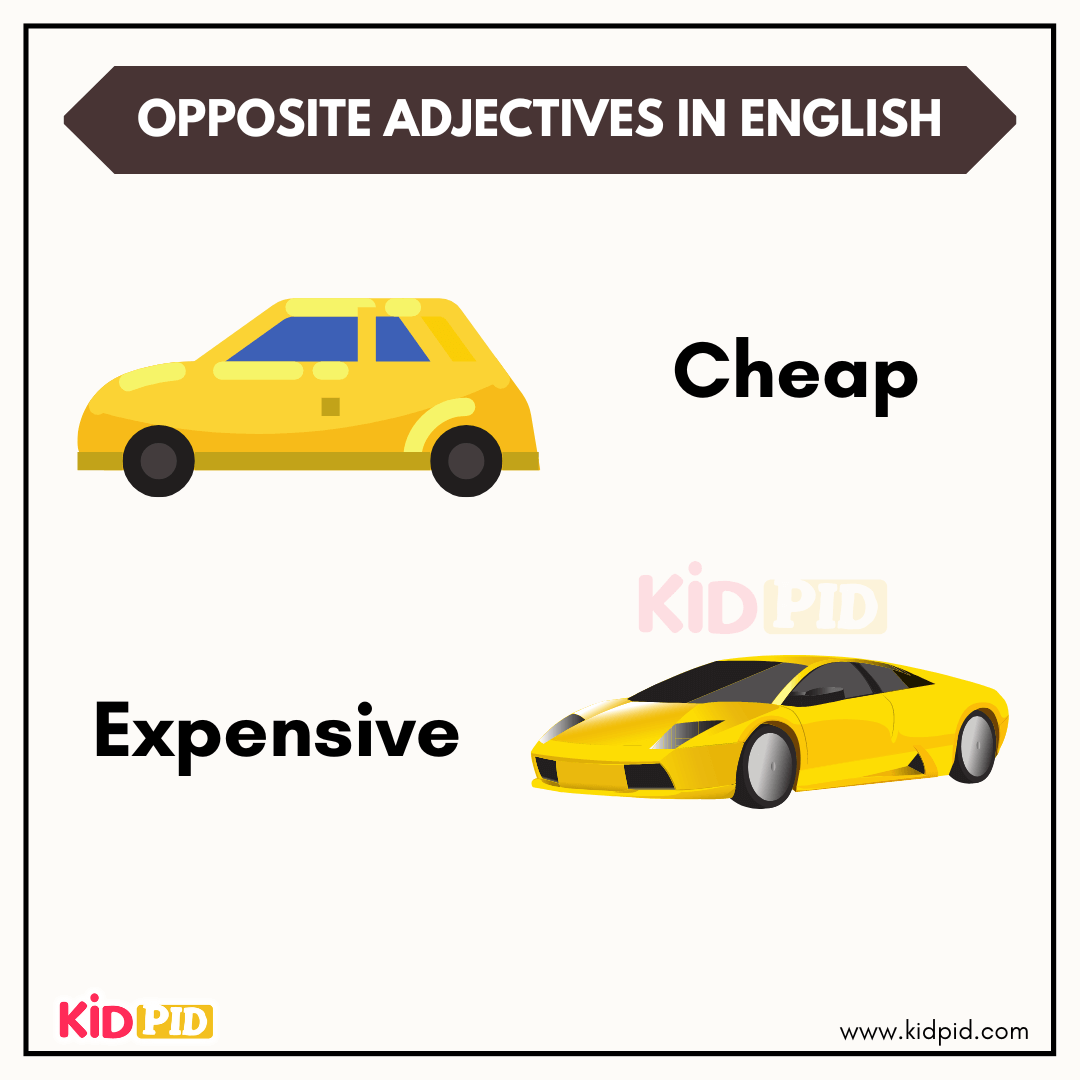
Learn opposite adjectives – cheap and expensive
Near vs Distant

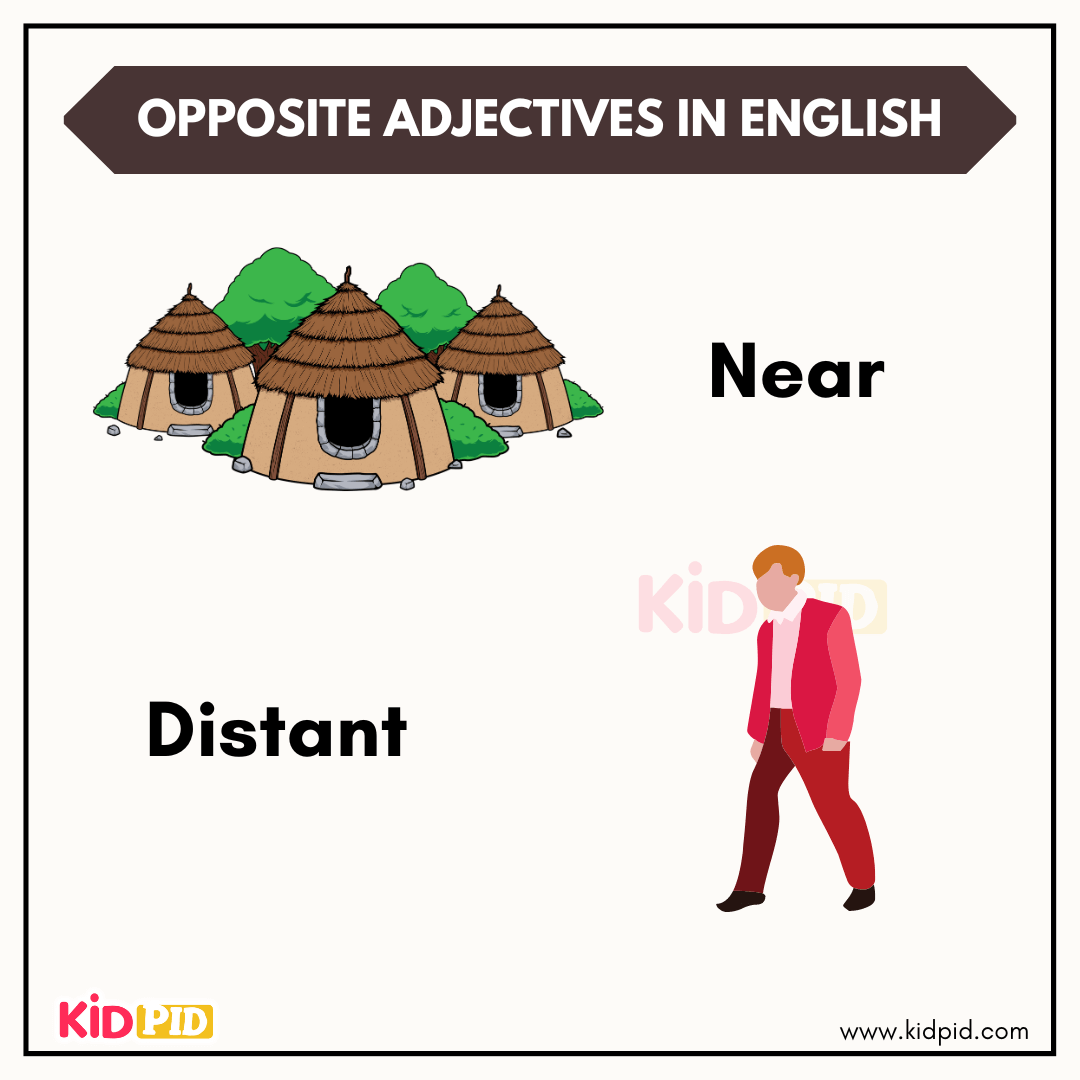
Teach opposites – near and distant examples
Modern vs Ancient
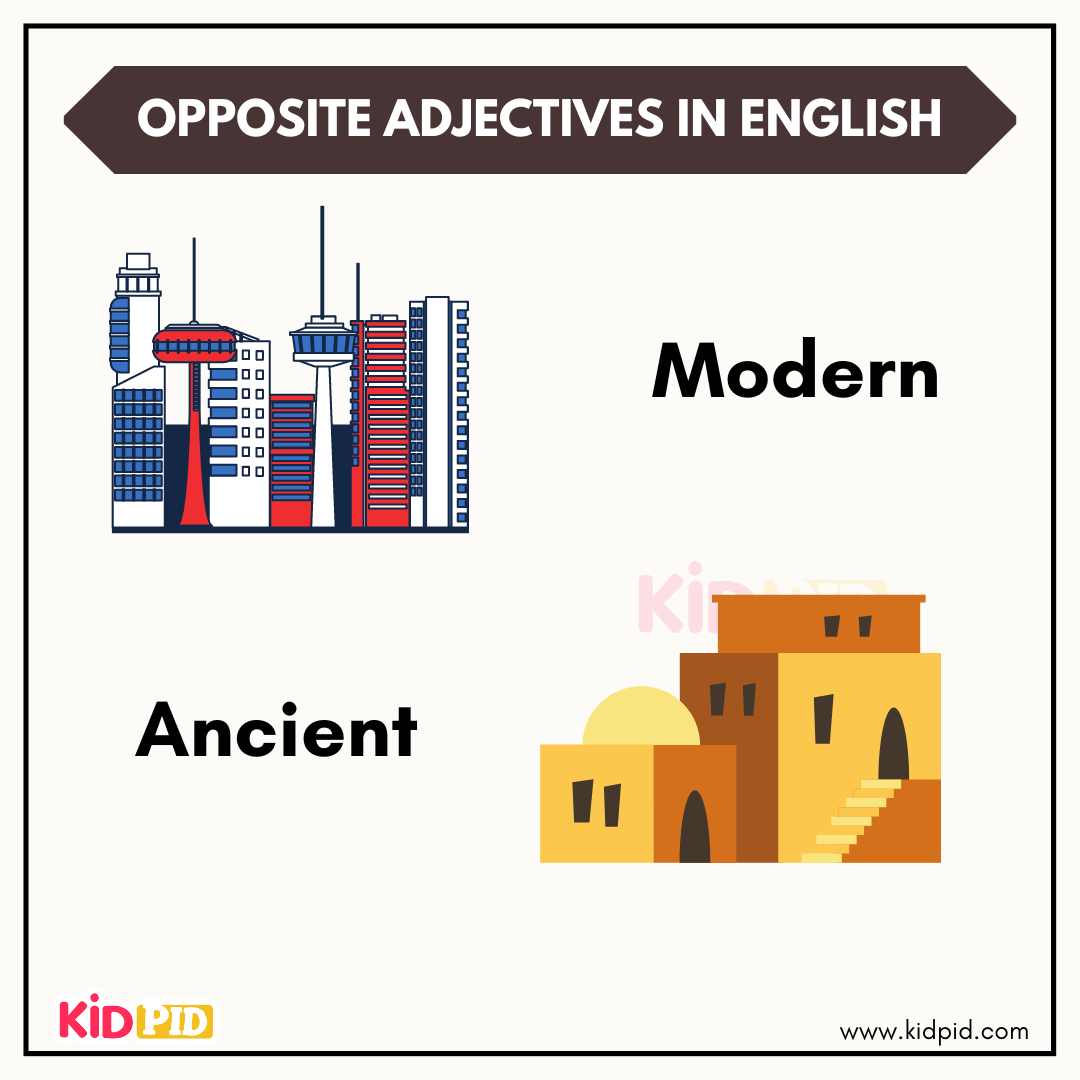
Modern and ancient – opposite adjectives in English
Delicious vs Awful
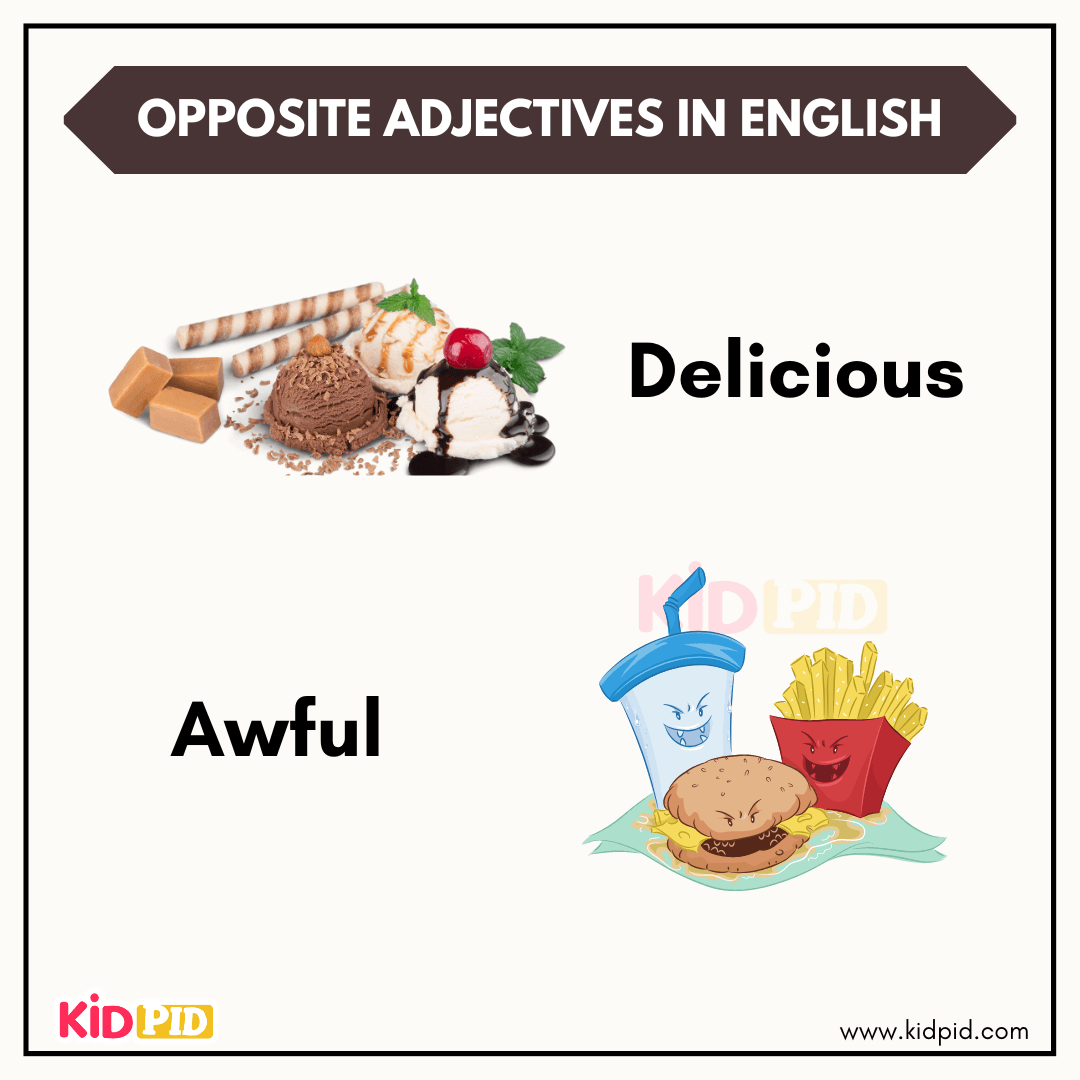
Opposite adjectives – delicious and awful examples
Wide vs Narrow
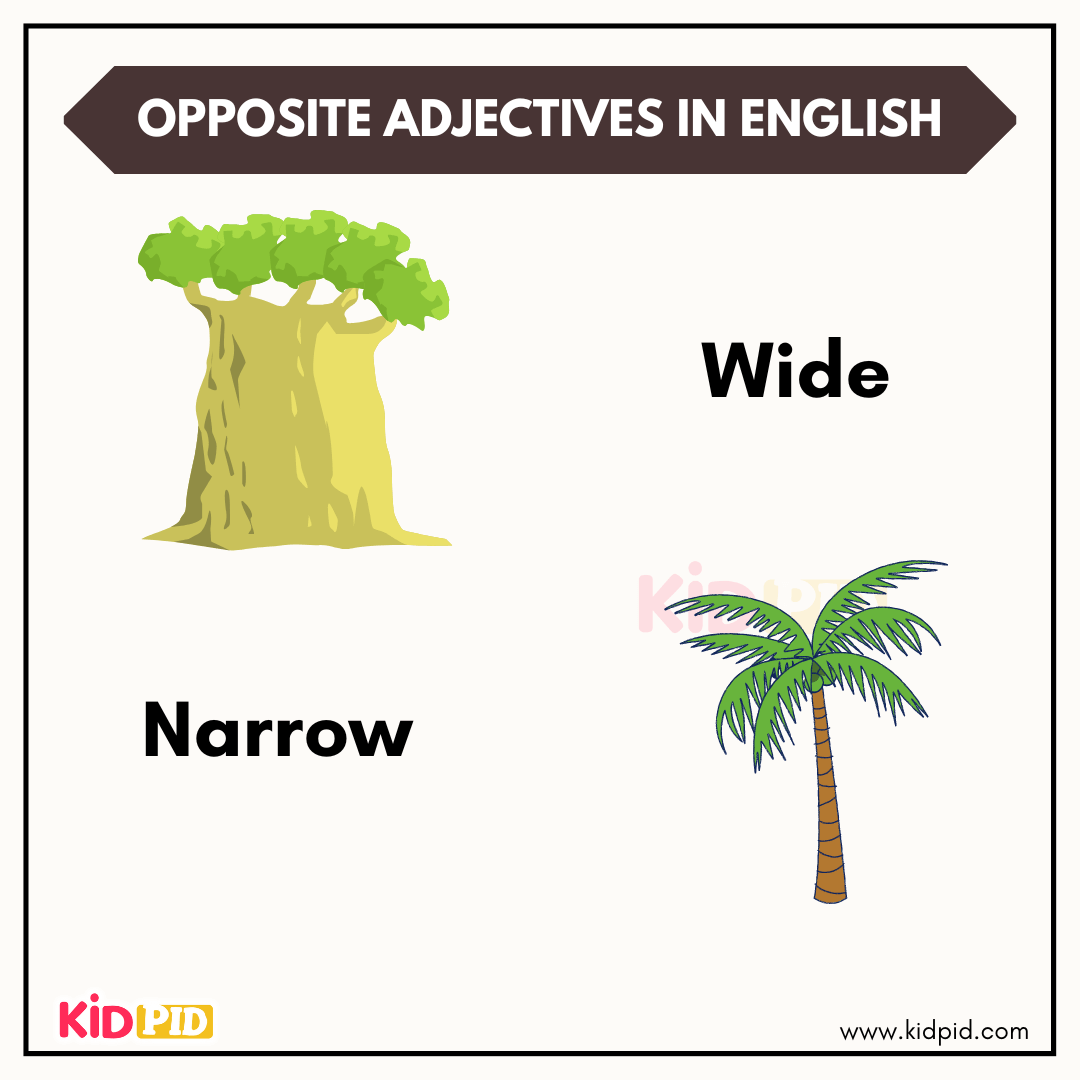
Learn adjectives – wide and narrow comparison
Talkative vs Taciturn
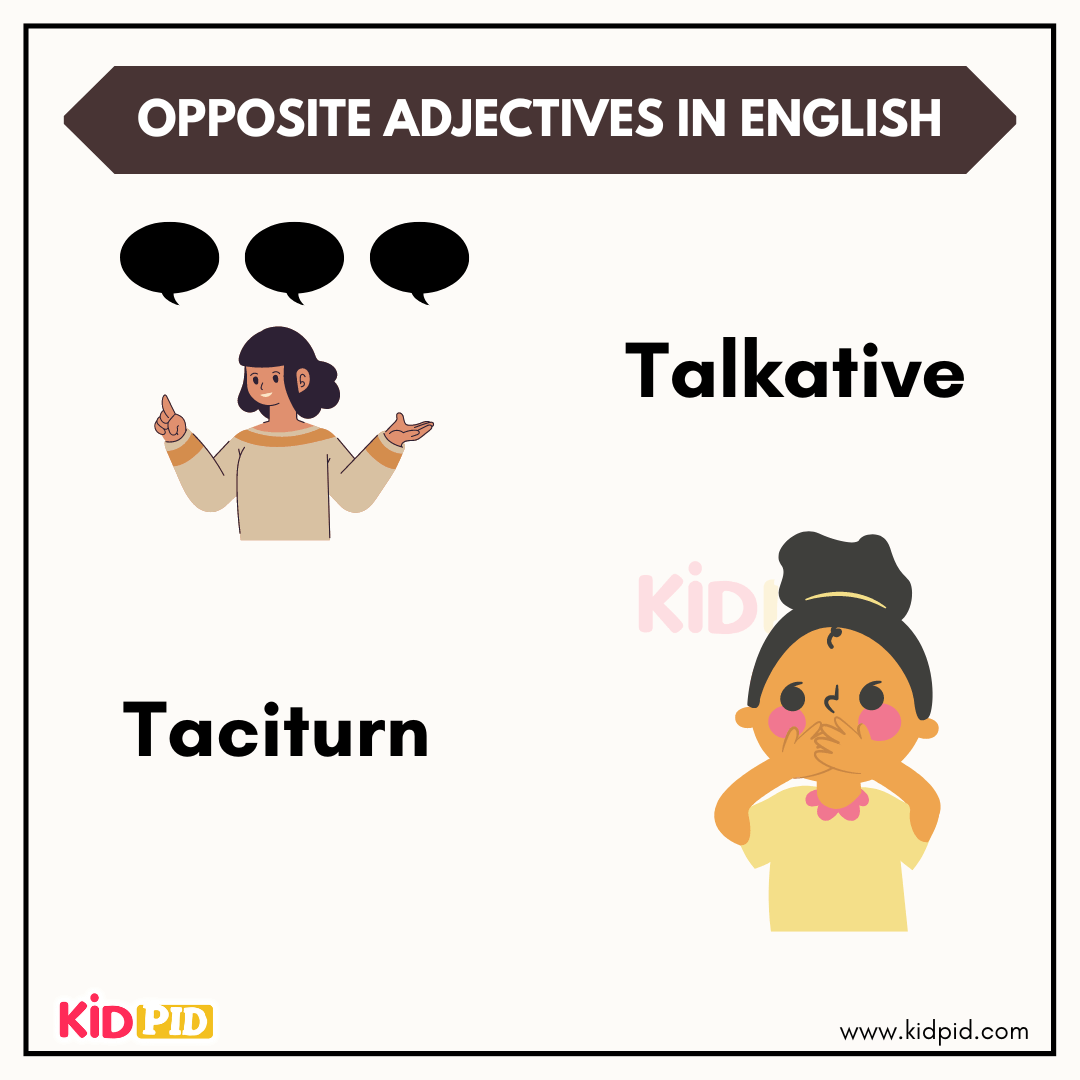
Talkative vs taciturn – opposite adjectives for students
Healthy vs Sick
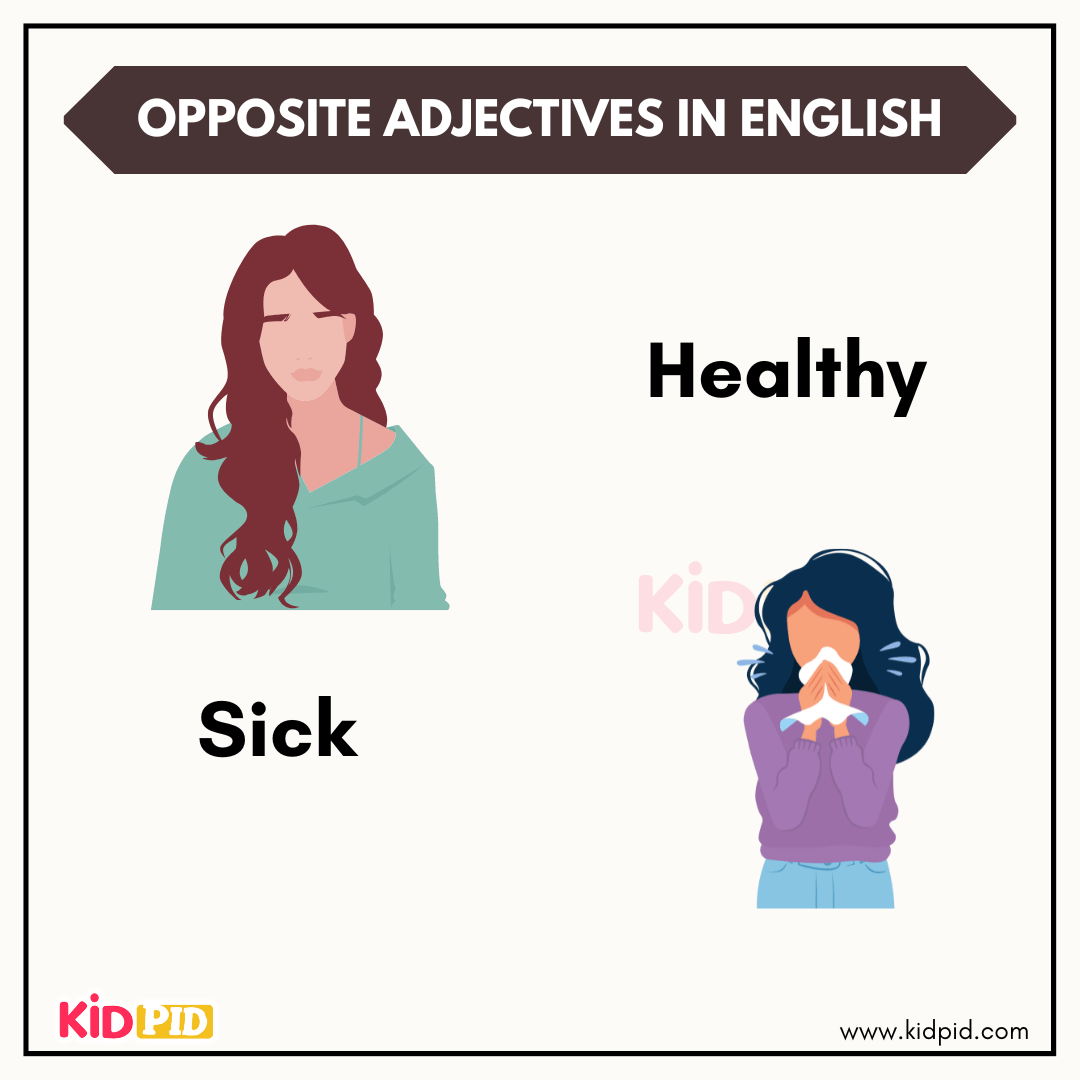
Opposite adjectives – healthy and sick examples
Careful vs Careless
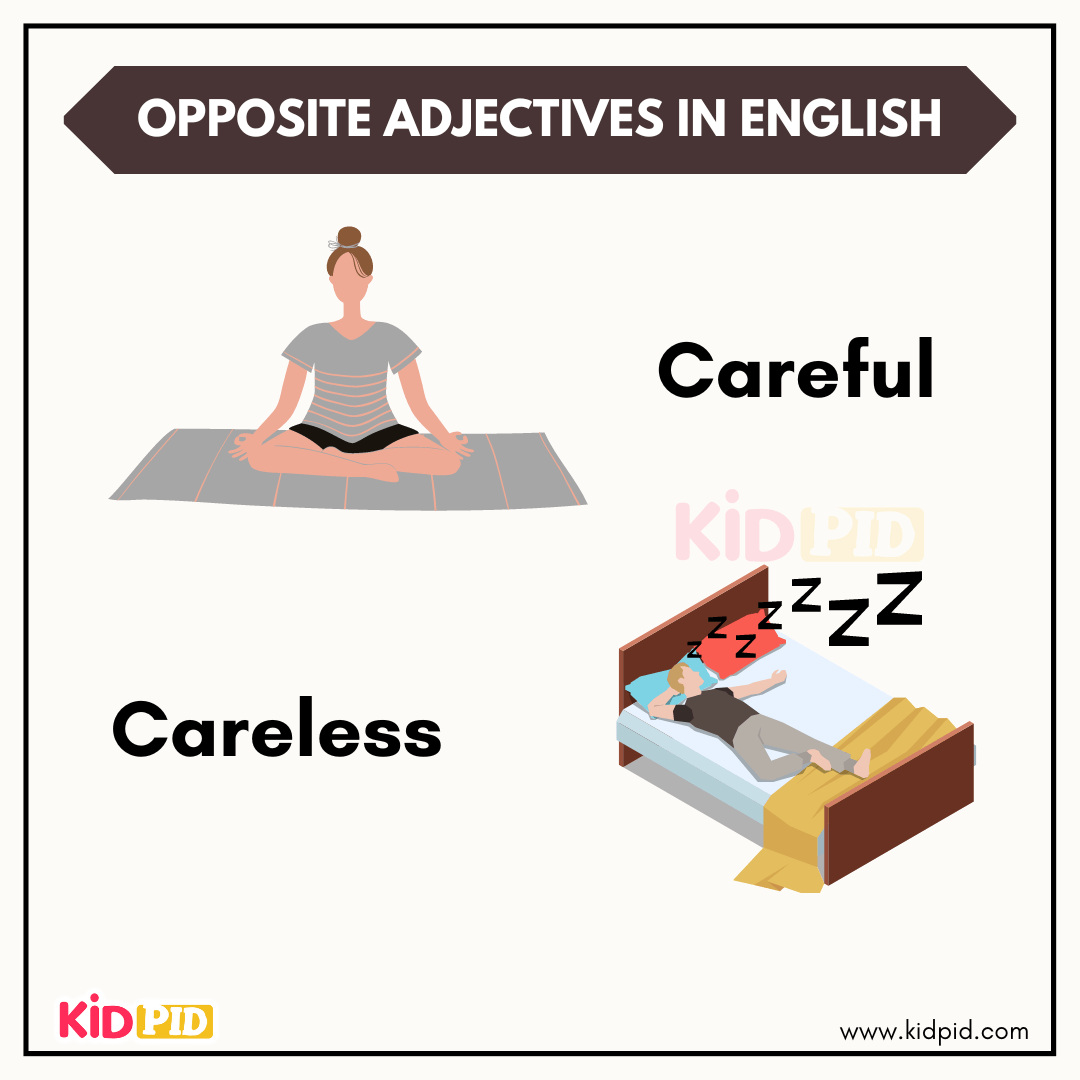
Learn careful and careless – opposite adjectives for kids
Pessimistic – Optimistic
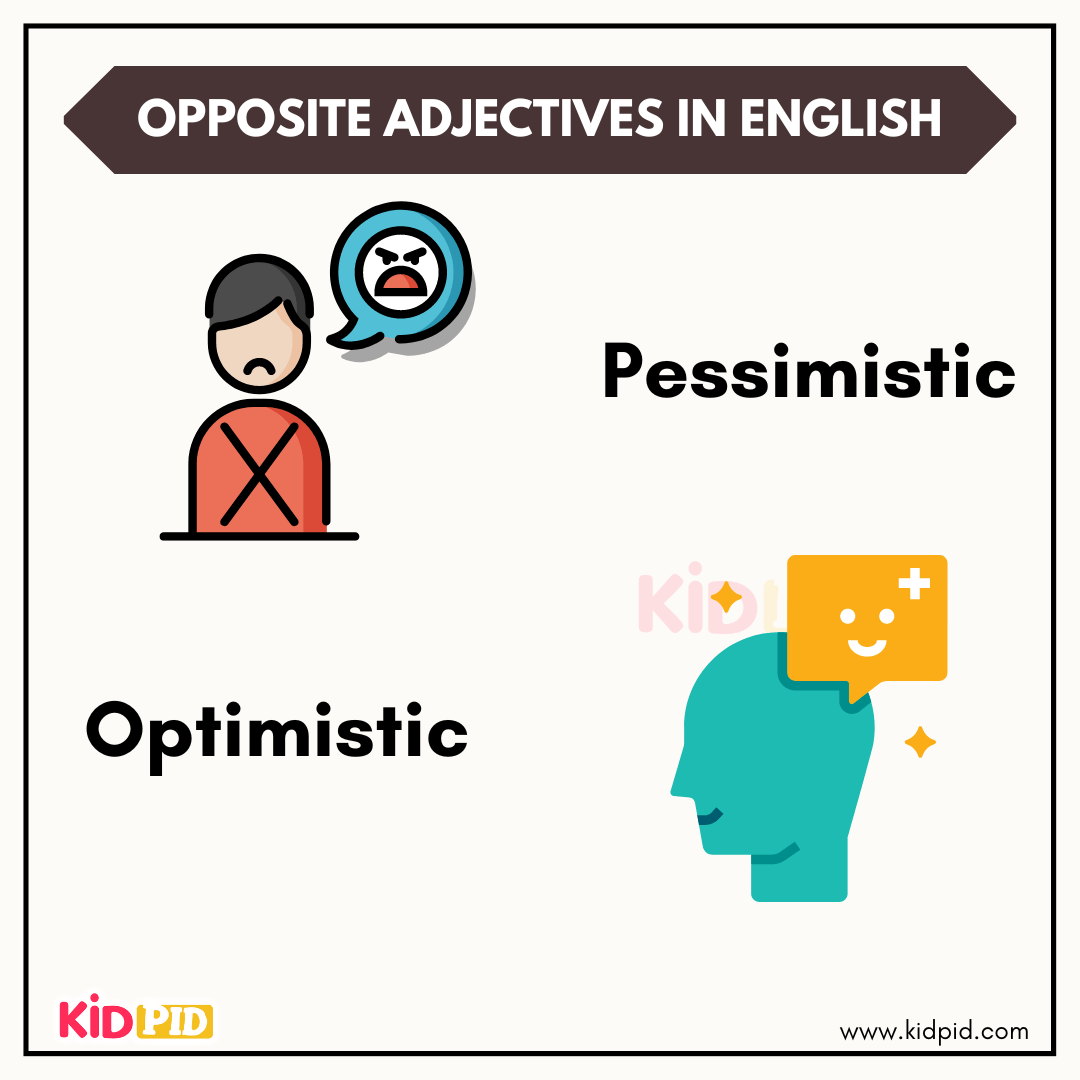
Opposite adjectives – optimistic and pessimistic meaning
Tidy vs Messy
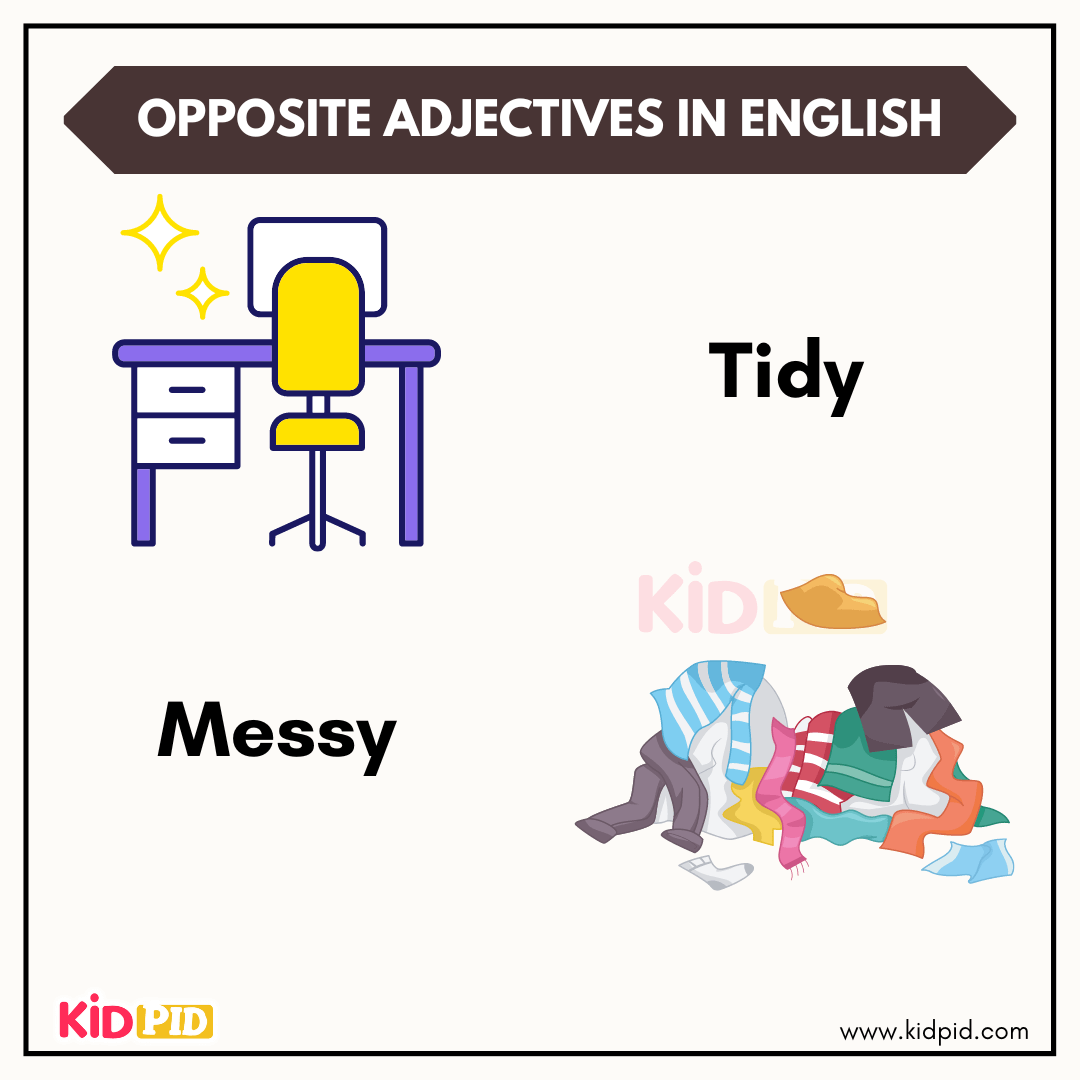
Learn opposite adjectives – tidy and messy comparison
Patient vs Impatient
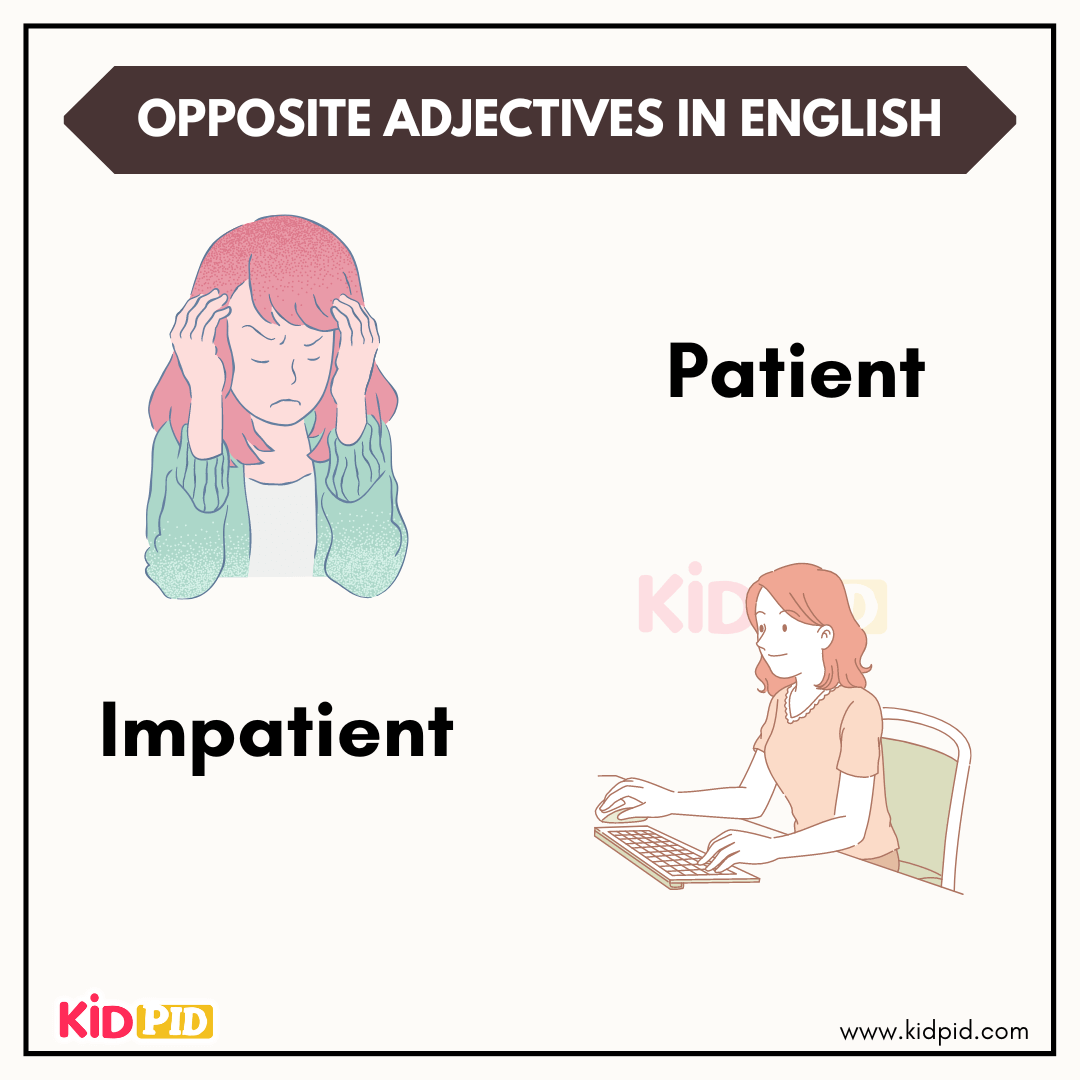
Learn opposite adjectives – patient and impatient
Friendly vs Unfriendly
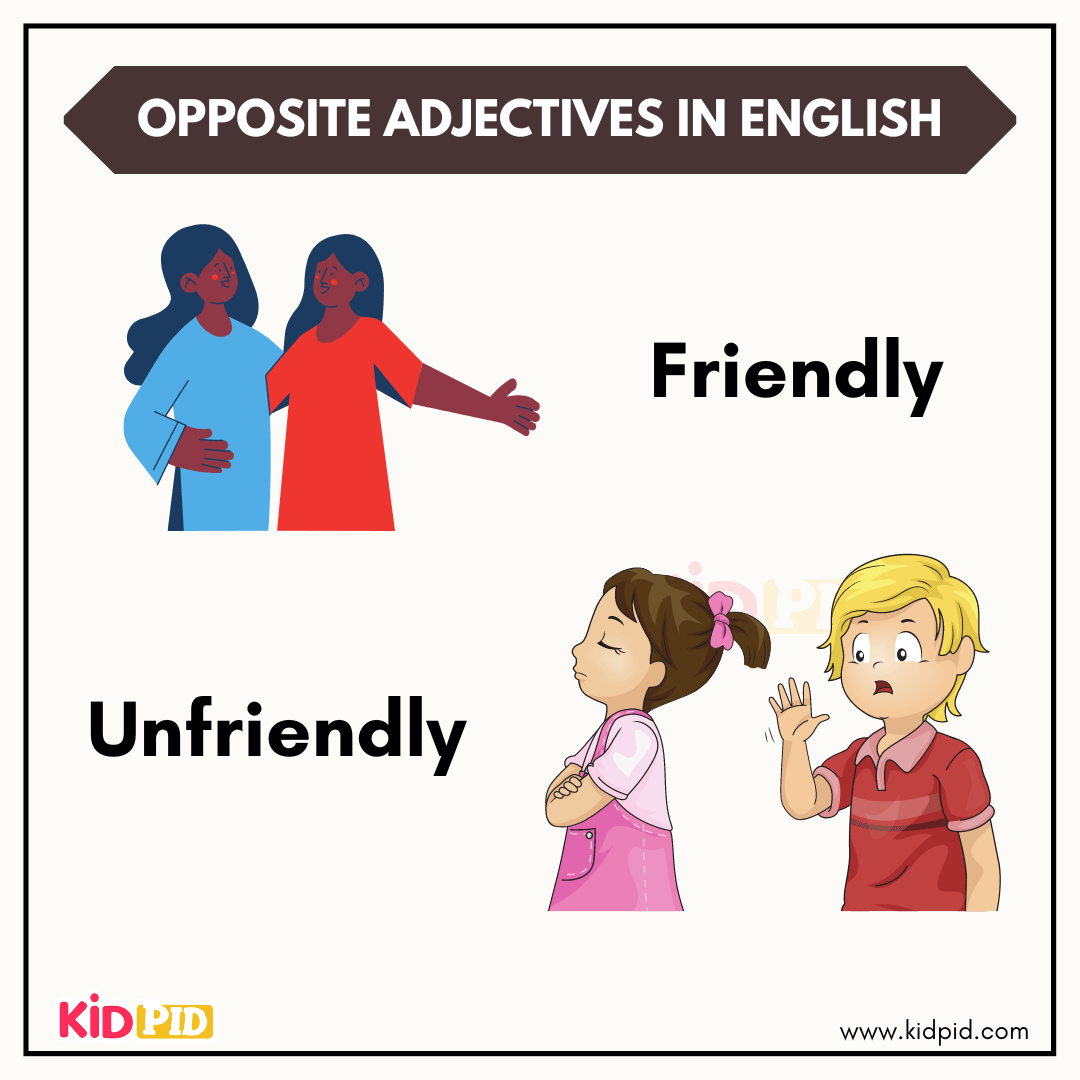
Friendly vs unfriendly – opposite adjectives in English
Hot vs Cold
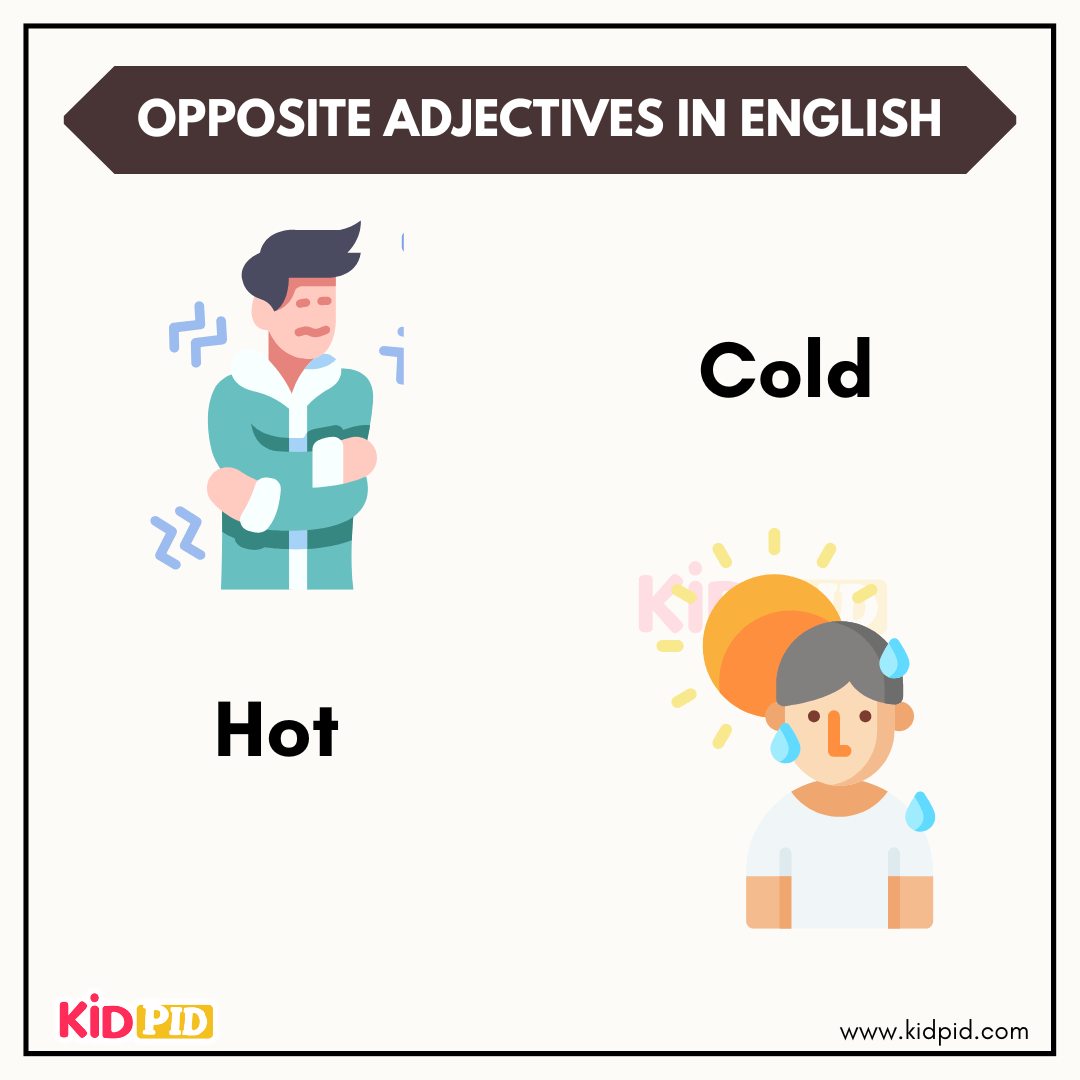
Learn opposite adjectives – hot and cold comparison
Happy vs Sad
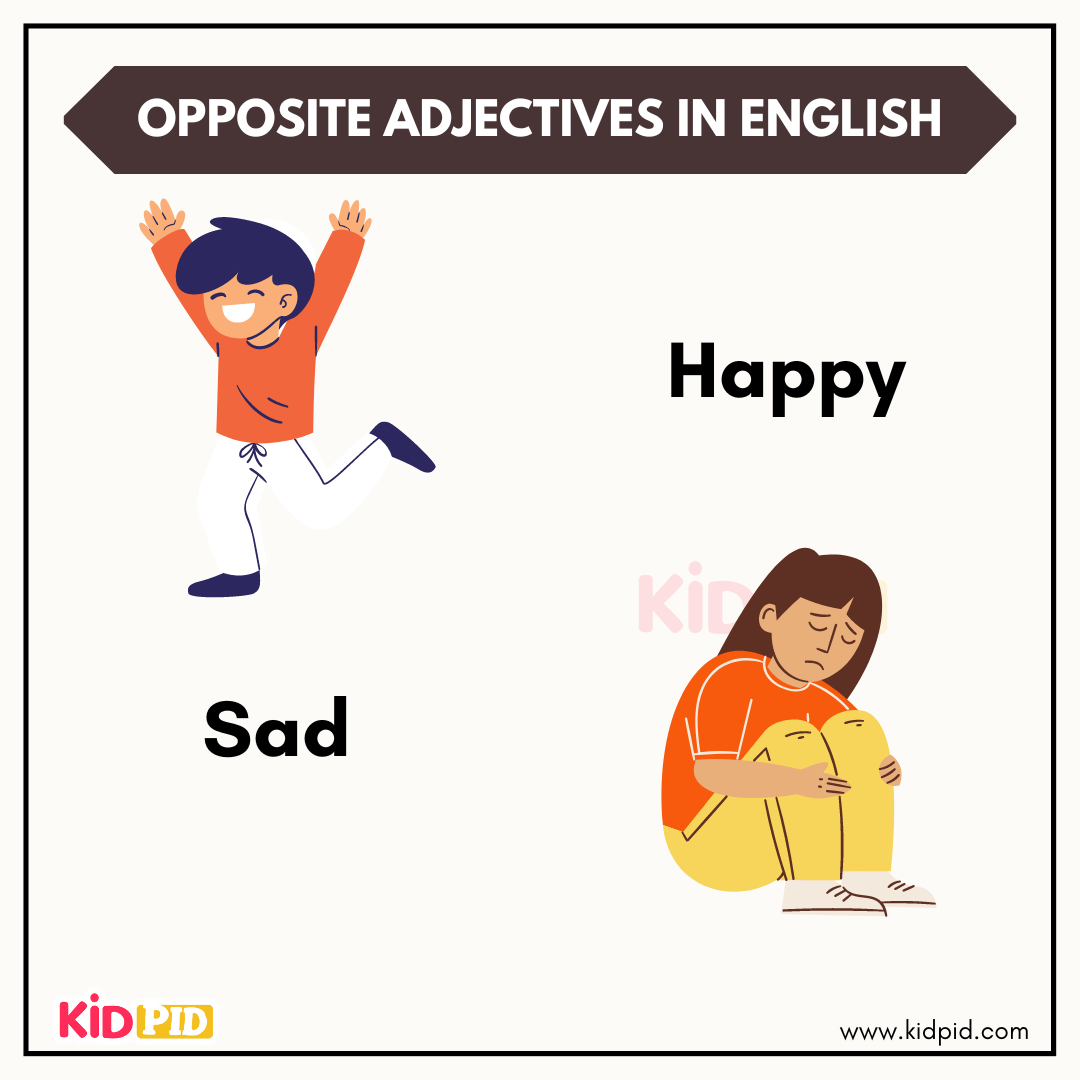
Learn adjectives – happy and sad opposites
Generous vs Selfish

Opposite adjectives – generous and selfish examples
Why Learning Opposite Adjectives Is Important
- Enrich your English vocabulary
- Speak and write with clarity and confidence
- Improve your English grammar and comprehension
- Strengthen your ability to describe and compare things effectively
More Common Opposite Adjectives in English
- Big – Small
- Fast – Slow
- Young – Old
- Tall – Short
- Easy – Difficult
- Clean – Dirty
- Good – Bad
- Rich – Poor
- Early – Late
- Light – Heavy
- Strong – Weak
- Beautiful – Ugly
- Full – Empty
- New – Old
- Right – Wrong
- Open – Closed
- Wet – Dry
- Hard – Soft
- Loud – Quiet
- Fat – Thin
- Kind – Mean
- Long – Short
- Sweet – Bitter
- Up – Down
- Safe – Dangerous
- Lazy – Active
- True – False
- Confident – Shy
- Honest – Dishonest
- Sunny – Cloudy
Learning opposite adjectives in English helps improve your vocabulary and communication skills. Practice them daily to express ideas clearly and confidently. Start using opposite adjectives today to speak better English! Connect with us on Facebook, Pinterest, YouTube & Telegram to discover free kids’ learning printables, interactive worksheets, and engaging classroom activities! Join our Telegram group for exclusive printable resources, teacher guides, and fun educational materials that make learning enjoyable and effective for children.
Read More: