Have you ever imagined what it would be like if humans could breathe underwater, just like fish? Let’s dive into this exciting idea and explore what could happen!
- Why can’t we Breathe Underwater: Our lungs are made for breathing air, while fish have special gills to take oxygen from water.
- What Would We Need: Humans would need gills and other changes to survive underwater.
- Challenges Underwater: Staying warm without much body fat or hair.
- Cool Possibilities if We Could: Explore coral reefs, shipwrecks, and ocean animals up close.
- Why Is It Important: Learning about underwater life helps us take better care of our oceans and protect our planet.
Contents
- What If Humans Could Breathe Underwater?
- Related MCQ’S
- 1. Why can’t humans breathe underwater like fish?
- 2. What helps fish absorb oxygen from water?
- 3. What challenges would humans face even if they could evolve to breathe underwater?
- 4. What could be one benefit of humans being able to breathe underwater?
- 5. Why should safety always be a priority in underwater activities?
- You may like these:
What If Humans Could Breathe Underwater?

Related MCQ’S
1. Why can’t humans breathe underwater like fish?
A. Humans do not have gills.
B. Humans have smaller lungs than fish.
C. Water does not contain oxygen.
D. Humans cannot hold their breath for long.
Answer: A. Humans do not have gills.
Explanation: Fish have gills that extract oxygen dissolved in water, while humans have lungs that are designed to extract oxygen only from the air.
2. What helps fish absorb oxygen from water?
A. Their fins
B. Their gills
C. Their tails
D. Their scales
Answer: B. Their gills
Explanation: Fish use gills, which have thin filaments with a large surface area, to absorb oxygen dissolved in water.
3. What challenges would humans face even if they could evolve to breathe underwater?
A. Hypothermia and dehydration
B. Difficulty swimming efficiently
C. Challenges with vision underwater
D. All of the above
Answer: D. All of the above
Explanation: Humans would face multiple challenges underwater, including maintaining body temperature, efficient swimming, and clear vision in different water conditions.
4. What could be one benefit of humans being able to breathe underwater?
A. Reduced risk of drowning
B. Easier access to coral reefs and shipwrecks
C. Enhanced emergency response for underwater rescues
D. All of the above
Answer: D. All of the above
Explanation: Breathing underwater would open up opportunities for exploration, safety, and new technological advancements.
5. Why should safety always be a priority in underwater activities?
A. Underwater activities are always safe.
B. Breathing underwater is easy for humans.
C. Without proper gear and training, it can be life-threatening.
D. Humans can adapt to underwater conditions quickly.
Answer: C. Without proper gear and training, it can be life-threatening.
Explanation: The content emphasizes that underwater activities require proper equipment and training to avoid risks.
You may like these:
How can fishes breathe under water?
Fish have gills that extract oxygen from water, allowing them to breathe without needing lungs, which works by filtering oxygen-rich water over gill membranes.
Why can’t I breathe underwater?
Humans lack gills to extract oxygen from water, relying on lungs that need air, not water, for oxygen absorption, preventing underwater breathing.
Do fish drink water?
Fish do drink water, but the method varies: freshwater fish absorb it through their skin, while saltwater fish actively drink to maintain balance.
How Breathing Works?
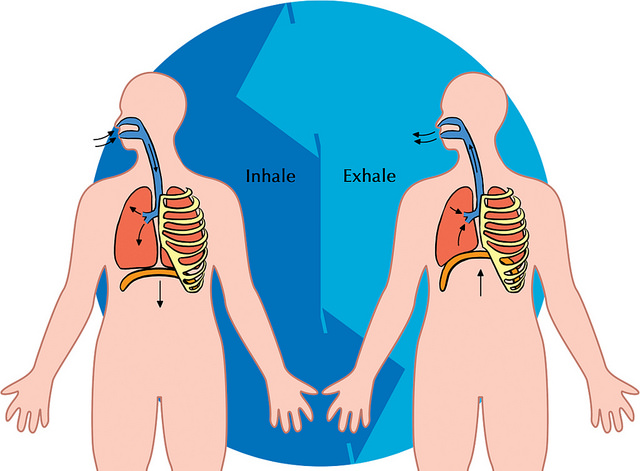

Breathing works by inhaling oxygen into the lungs, where it enters the bloodstream and releases carbon dioxide out when exhaling, sustaining cellular processes.