
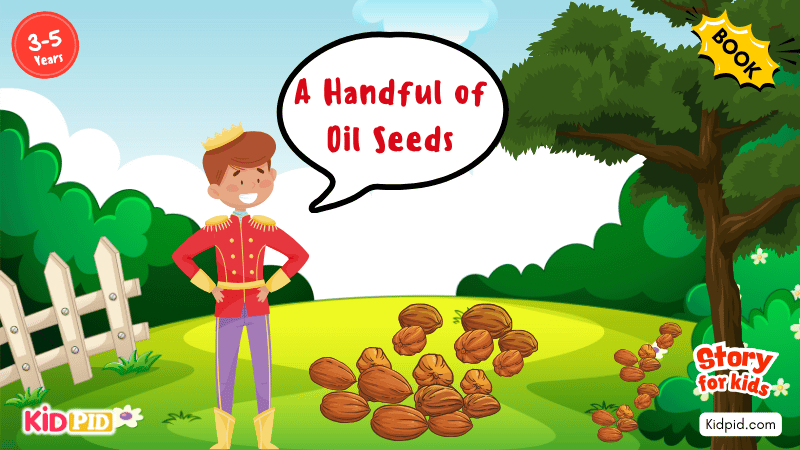
Oil seeds may be tiny, but they hold great value. From cooking oils to cosmetics and health products, these seeds power many aspects of daily life. This story explores how a simple handful of oil seeds can make a big difference, teaching us about nature’s hidden treasures and human effort.
[Scroll Down for Download Link]
Contents
A Handful of Oil Seeds – Moral Book Story Book
Read More: Blue Aquarium Fish Math Game Worksheets for Kids


Once there was a king in the city of Varanasi. He had a son whom he wanted to receive the best education.
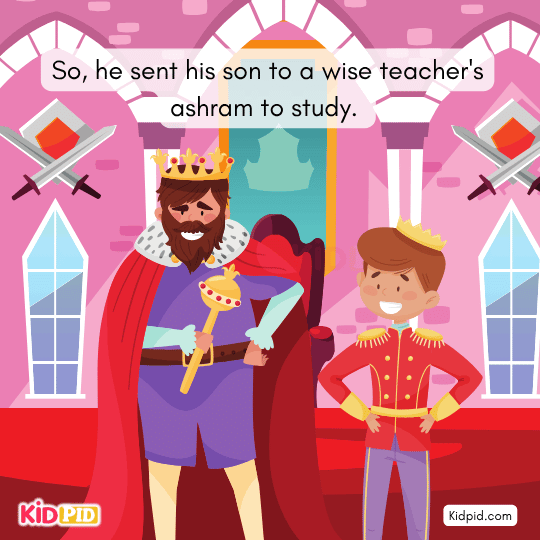
So, he sent his son to a wise teacher’s ashram to study.
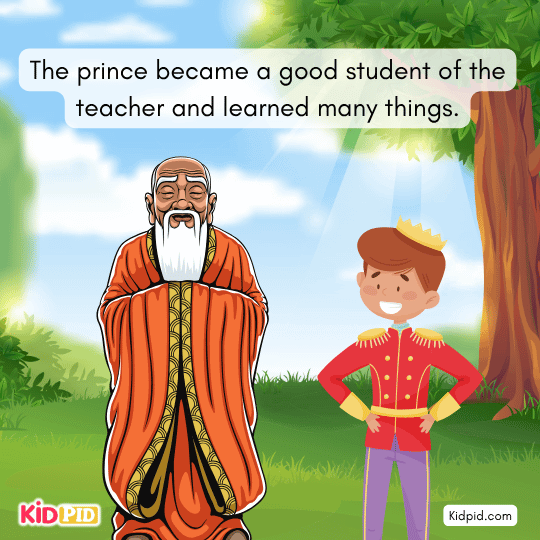
The prince became a good student of the teacher and learned many things.
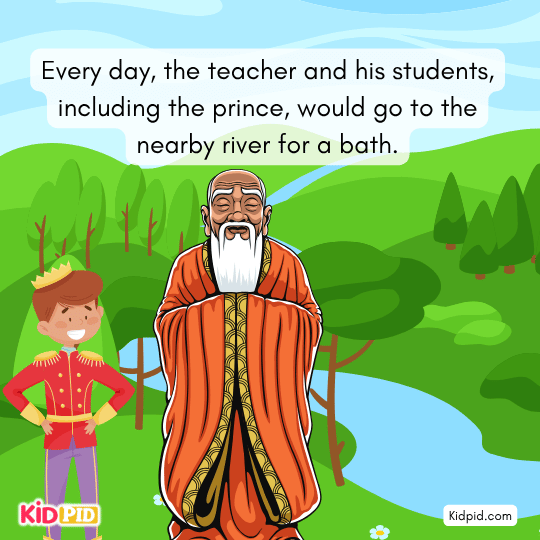
Every day, the teacher and his students, including the prince, would go to the nearby river for a bath.
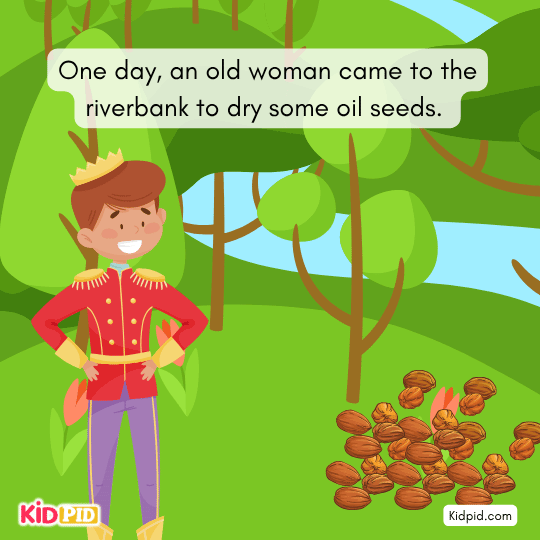
One day, an old woman came to the riverbank to dry some oil seeds.
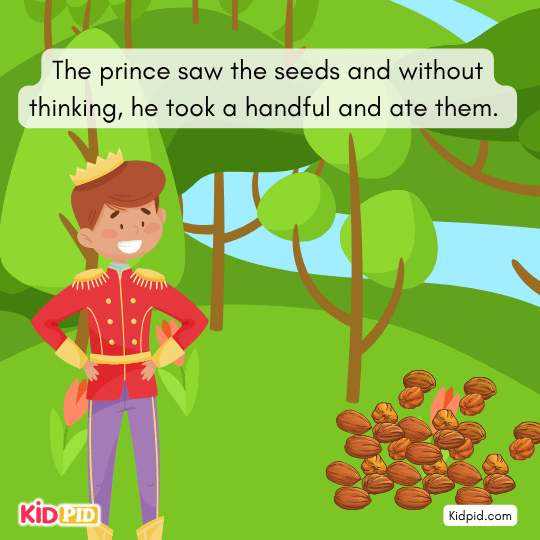
The prince saw the seeds and, without thinking, he took a handful and ate them.
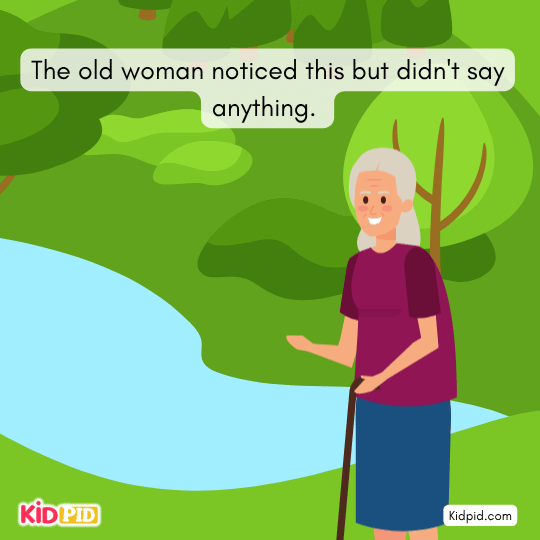
The old woman noticed this but didn’t say anything.
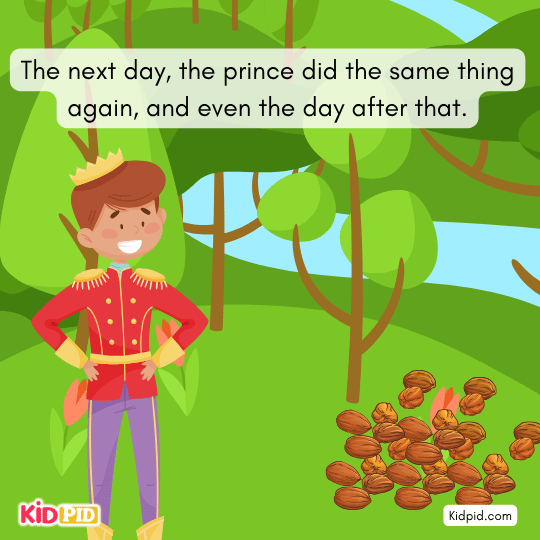
The next day, the prince did the same thing again, and even the day after that.
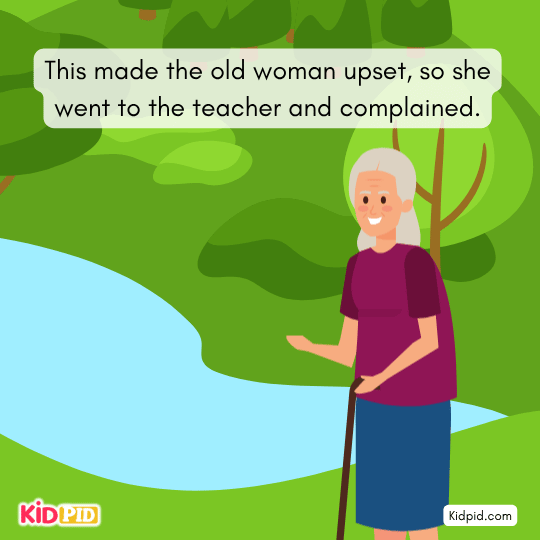
This made the old woman upset, so she went to the teacher and complained.
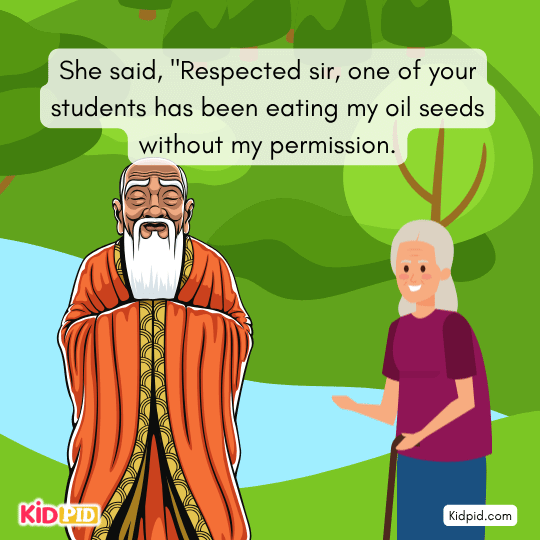
She said, “Respected sir, one of your students has been eating my oil seeds without my permission.
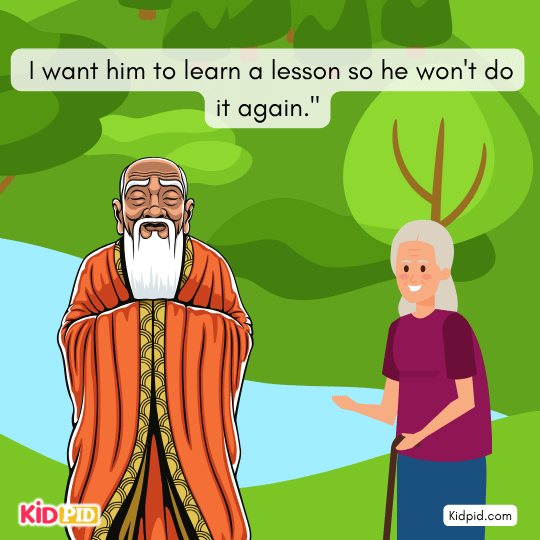
I want him to learn a lesson so he won’t do it again.”
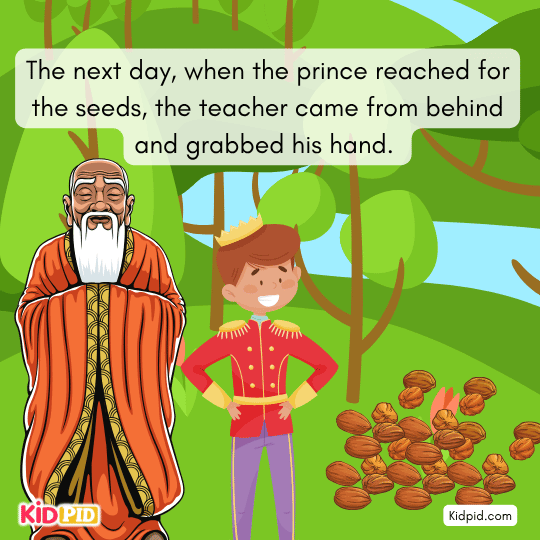
The next day, when the prince reached for the seeds, the teacher came from behind and grabbed his hand.
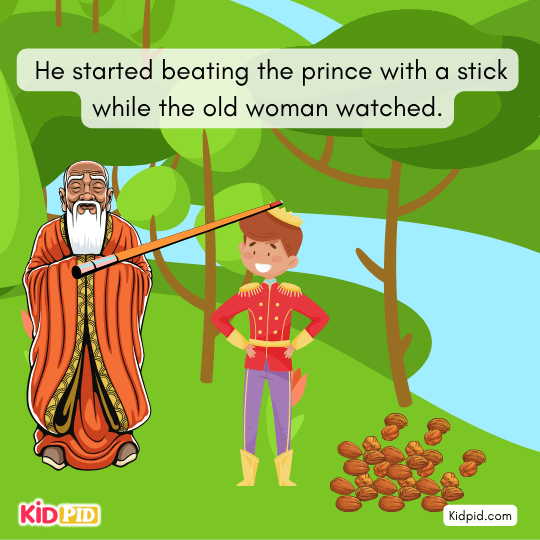
He started beating the prince with a stick while the old woman watched.
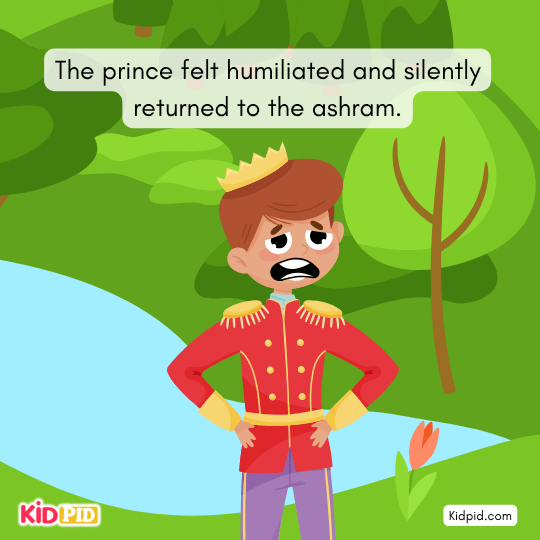
The prince felt humiliated and silently returned to the ashram.
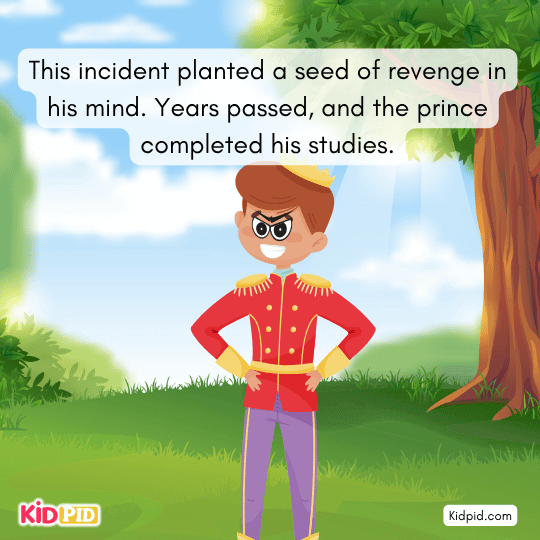
This incident planted a seed of revenge in his mind. Years passed, and the prince completed his studies.
Over time, he became the king of Varanasi.
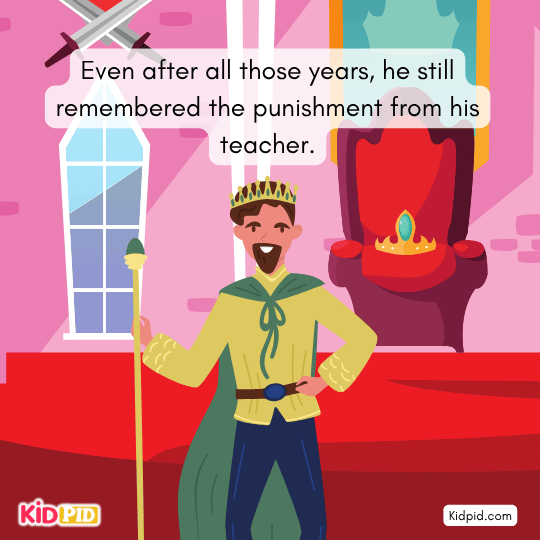
Even after all those years, he still remembered the punishment from his teacher.
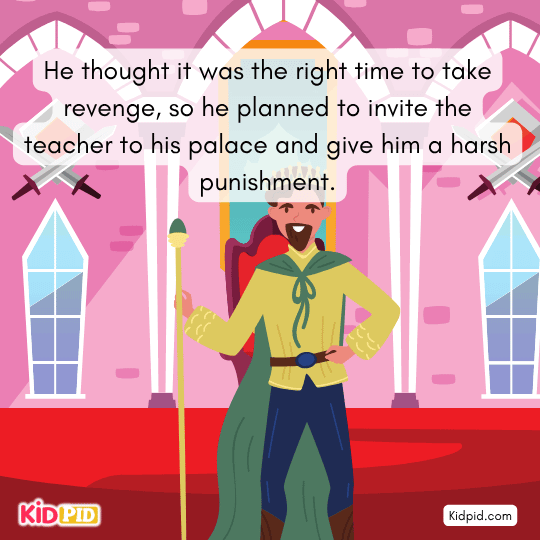
He thought it was the right time to take revenge, so he planned to invite the teacher to his palace and give him a harsh punishment.
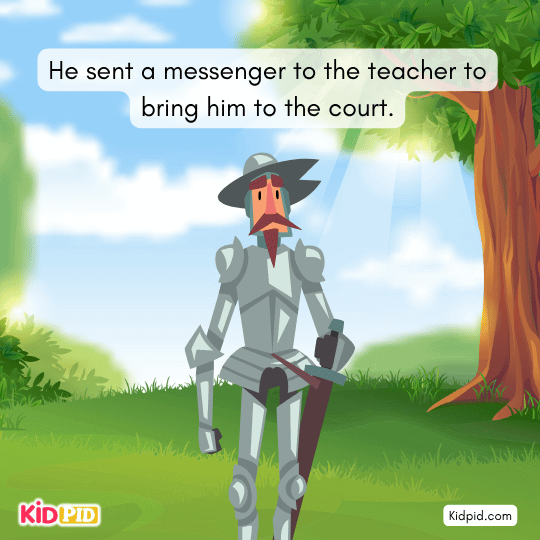
He sent a messenger to the teacher to bring him to the court.
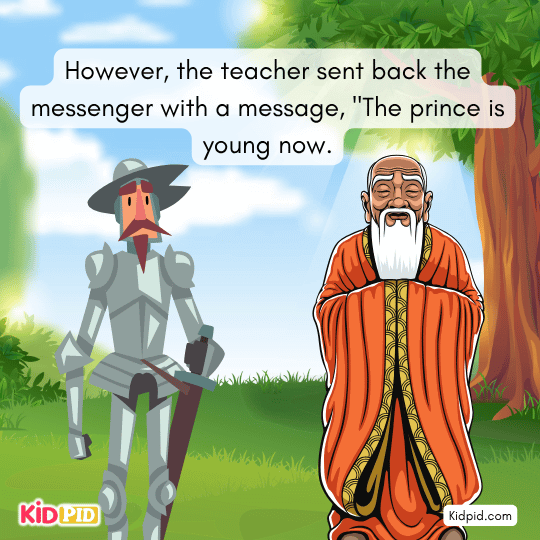
However, the teacher sent back the messenger with a message, “The prince is young now.
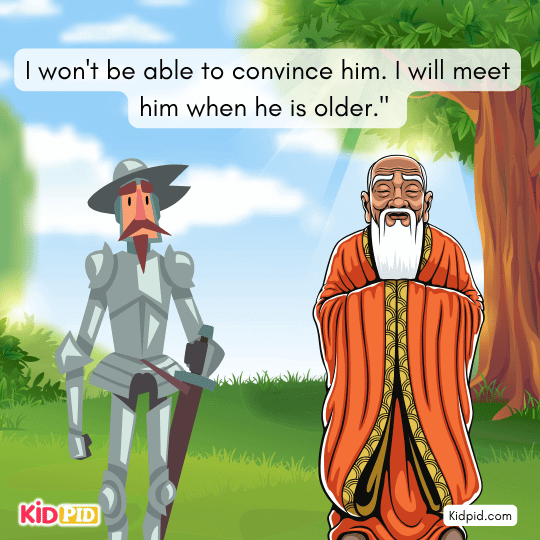
I won’t be able to convince him. I will meet him when he is older.”
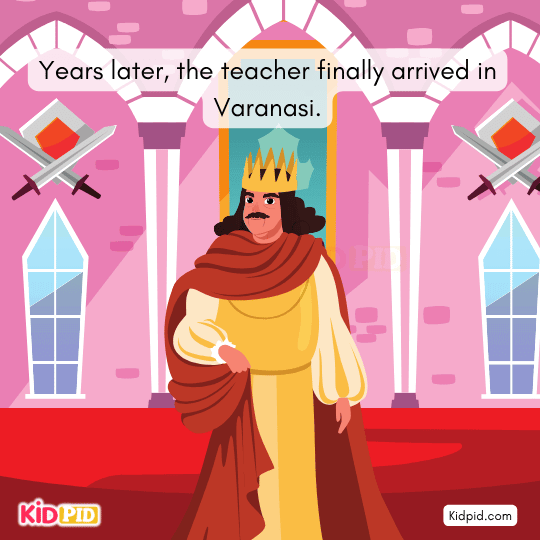
Years later, the teacher finally arrived in Varanasi.
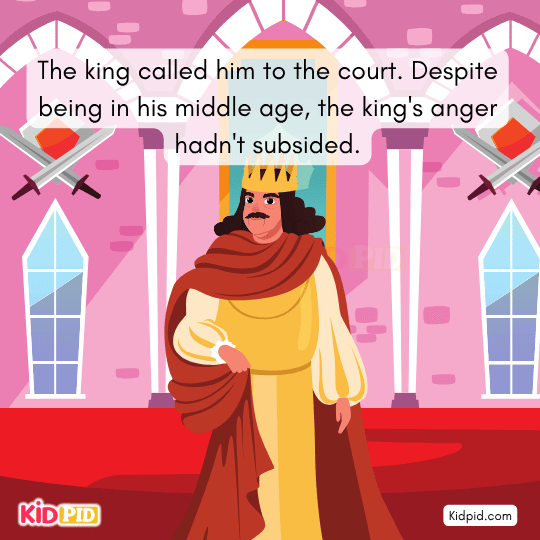
The king called him to the court. Despite being in his middle age, the king’s anger hadn’t subsided.
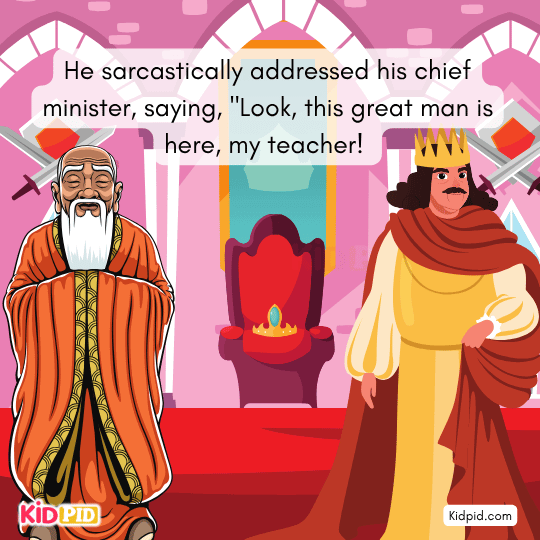
He sarcastically addressed his chief minister, saying, “Look, this great man is here, my teacher!
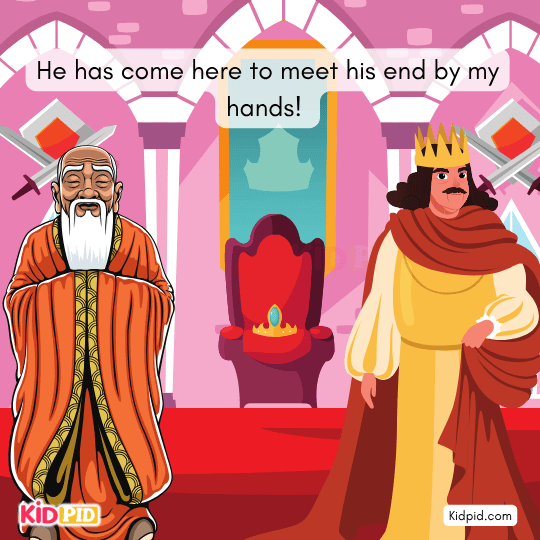
He has come here to meet his end at my hands!
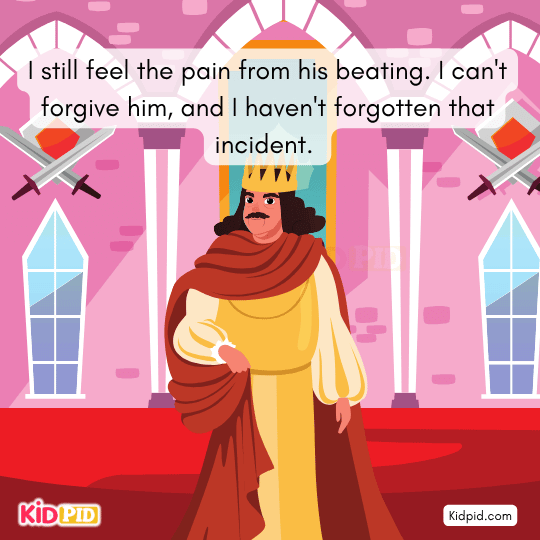
I still feel the pain from his beating. I can’t forgive him, and I haven’t forgotten that incident.
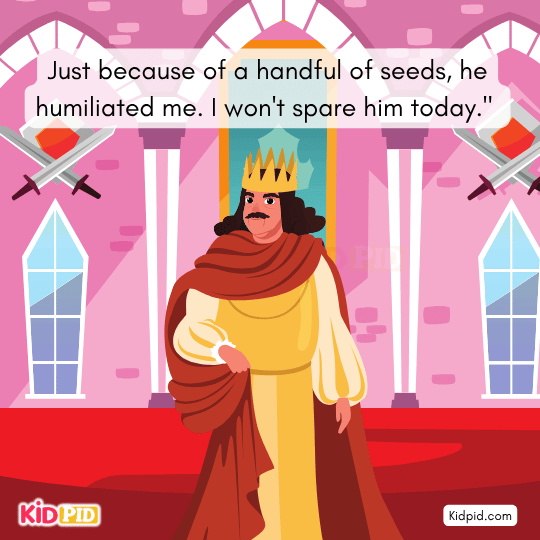
Just because of a handful of seeds, he humiliated me. I won’t spare him today.”
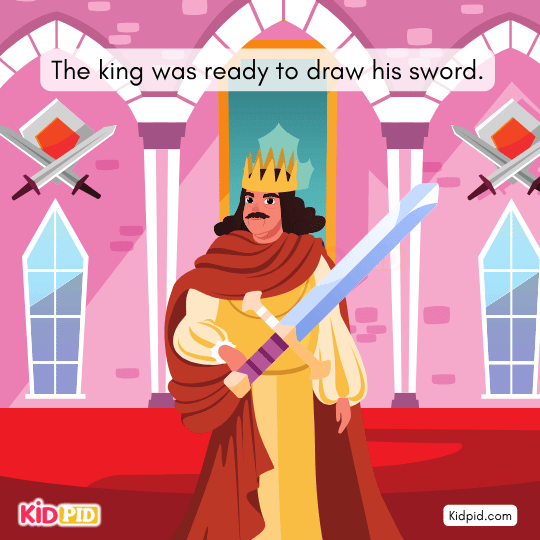
The king was ready to draw his sword.
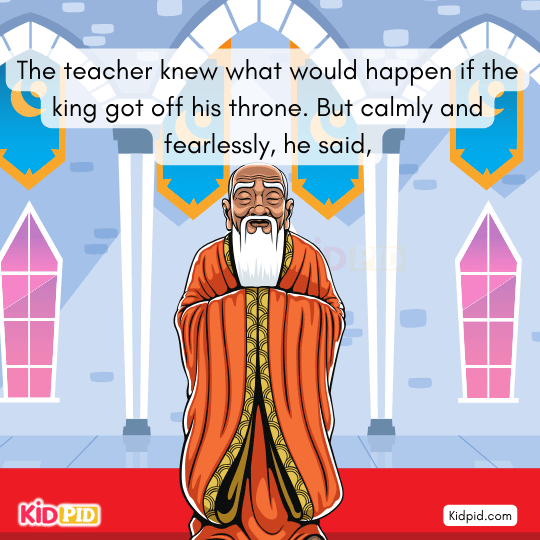
The teacher knew what would happen if the king got off his throne. But calmly and fearlessly, he said,
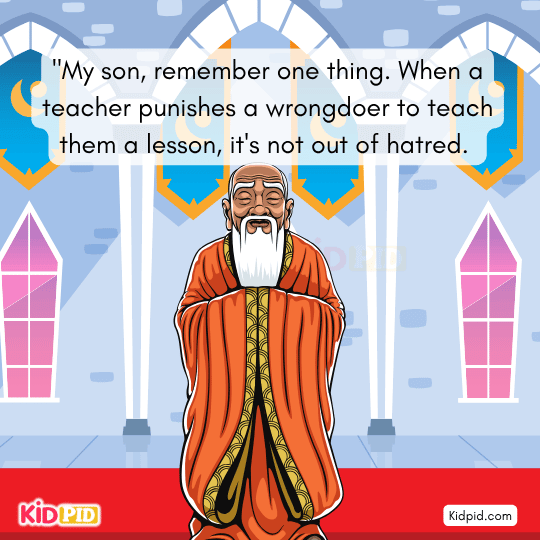
“My son, remember one thing. When a teacher punishes a wrongdoer to teach them a lesson, it’s not out of hatred.
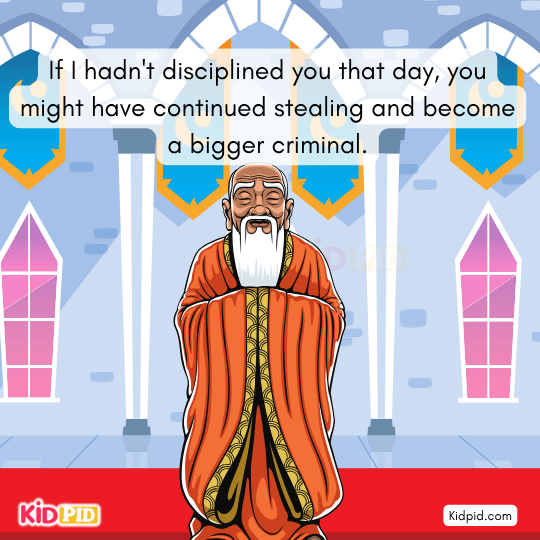
If I hadn’t disciplined you that day, you might have continued stealing and become a bigger criminal.
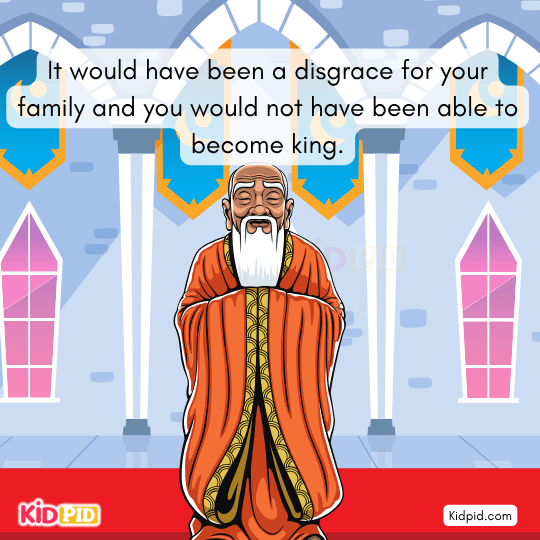
It would have been a disgrace for your family, and you would not have been able to become king.
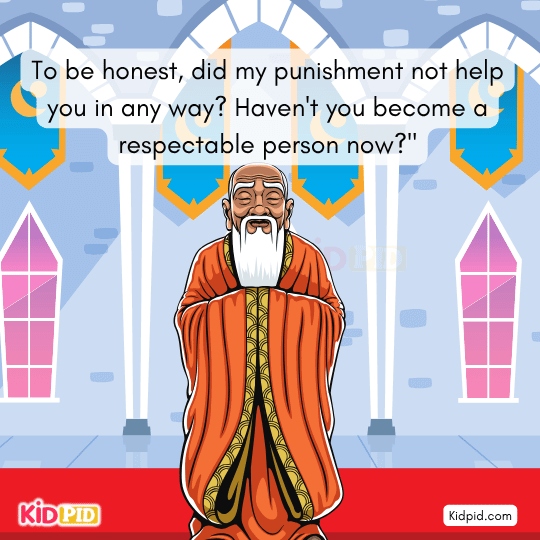
To be honest, did my punishment not help you in any way? Haven’t you become a respectable person now?”
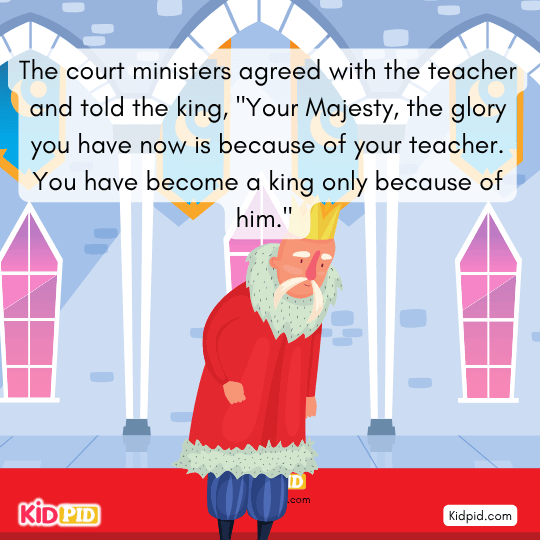
The court ministers agreed with the teacher and told the king, “Your Majesty, the glory you have now is because of your teacher. You have become a king only because of him.”
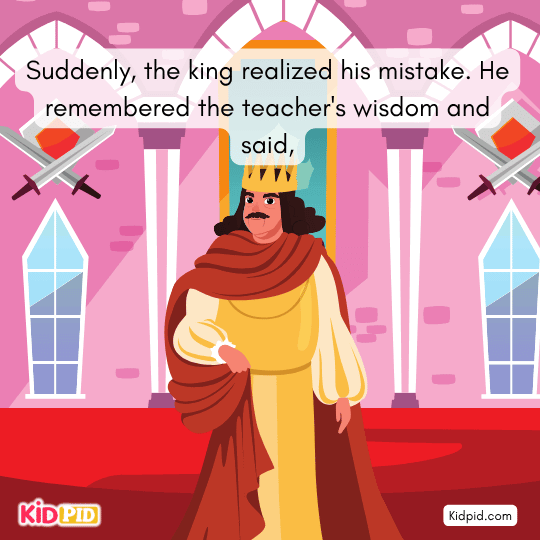
Suddenly, the king realized his mistake. He remembered the teacher’s wisdom and said
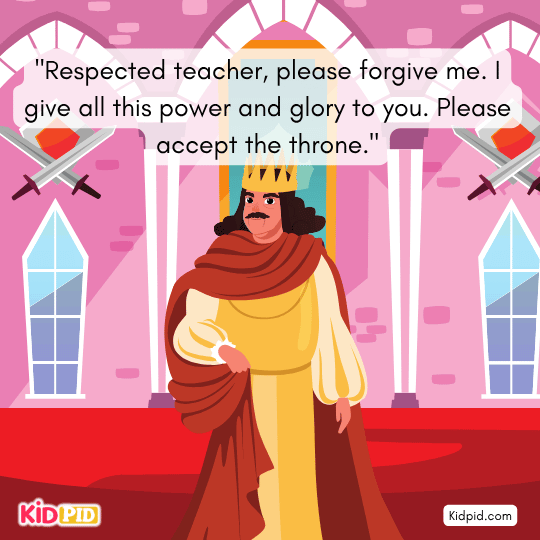
“Respected teacher, please forgive me. I give all this power and glory to you. Please accept the throne.”
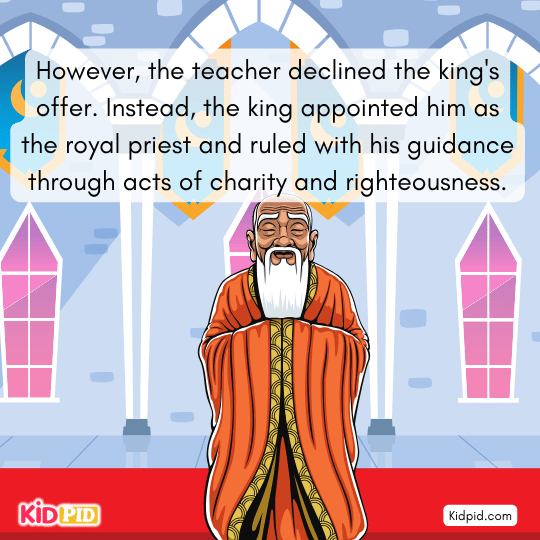
However, the teacher declined the king’s offer. Instead, the king appointed him as the royal priest and ruled with his guidance through acts of charity and righteousness.
Moral: A teacher’s punishment is a reward for the student.


A handful of oil seeds may seem small, but they hold great value. These tiny seeds provide essential nutrients, cooking oil, and support livelihoods. From farms to kitchens, they play an important role in our daily lives, proving that even the smallest things can have a big impact.
You may like this:
How do fish make electricity?


Interactive article explaining how fish generate electricity: explores electric organs, specialized cells (electrocytes), navigation, communication, and defense.
Do fish sleep?
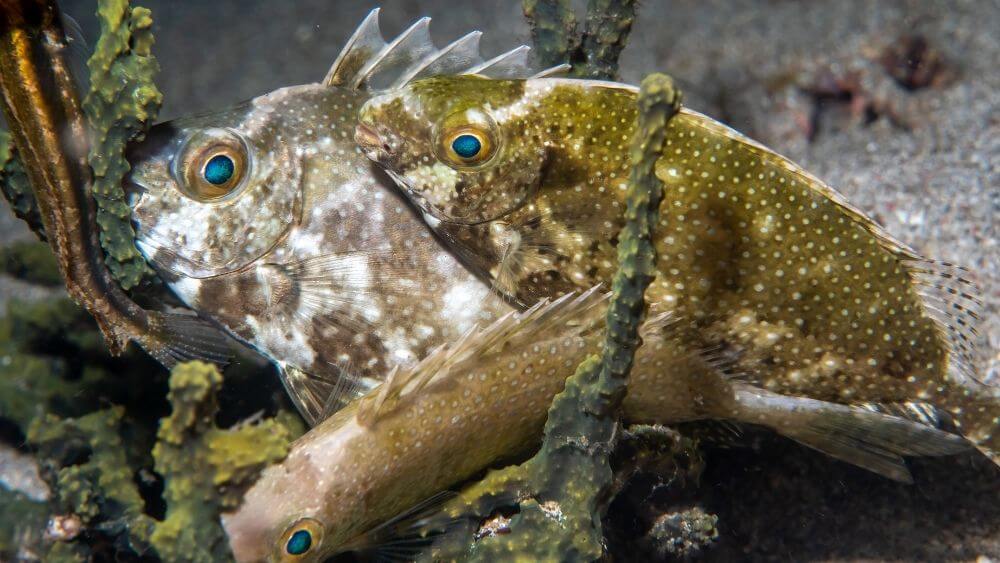
Engaging article “Do Fish Sleep?”: explores how fish rest, different sleep patterns, brain activity, underwater behavior, and species variations.
How can fishes breathe under water?
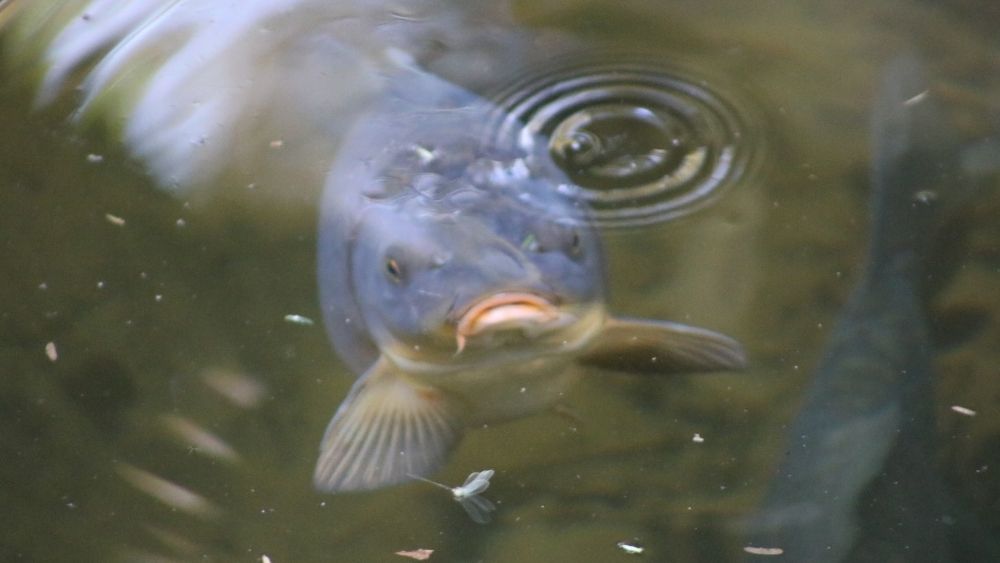
Engaging article “How Can Fish Breathe Under Water?”: explains gills, oxygen absorption, water flow, respiration mechanics, and adaptations for aquatic life.
Paragraph on ‘How Do Seeds Travel?’ Best vacation packages


Engaging paragraph on “How Do Seeds Travel?”: explores seed dispersal by wind, water, animals, humans; mechanisms, adaptations, plant propagation strategies.
Seeds And Seeds
Engaging visual guide “Seeds and Seeds”: vibrant images paired with various seed types, growth stages, and planting basics for young learners.


