Plants absorb water from the ground through their roots. The roots have tiny hair-like structures that take up water and nutrients from the soil. This water then moves up through the plant’s stem to the leaves in a process called transpiration.

Contents
- MCQs
- 1. What process helps plants pull water from the roots up to the leaves?
- 2. What part of the plant acts like a straw, moving water from the roots to the rest of the plant?
- 3. What is the name of the tiny hair-like parts of the root that absorb water?
- 4. Which of these is not a way plants use water?
- 5. How does water move against gravity from the roots to the leaves?
- You may like these:
MCQs
1. What process helps plants pull water from the roots up to the leaves?
A) Photosynthesis
B) Transpiration
C) Respiration
D) Condensation
Answer: B) Transpiration
Explanation: Transpiration is the process by which moisture is carried through plants from roots to small pores on the underside of leaves, where it changes to vapor and is released into the atmosphere.
2. What part of the plant acts like a straw, moving water from the roots to the rest of the plant?
A) The leaves
B) The stem
C) The flowers
D) The seeds
Answer: B) The stem
Explanation: The stem acts like a straw, using tubes called xylem to transport water from the roots to the rest of the plant.
3. What is the name of the tiny hair-like parts of the root that absorb water?
A) Stems
B) Root hairs
C) Petals
D) Leaves
Answer: B) Root hairs
Explanation: Root hairs are tiny hair-like extensions of the root that greatly increase its surface area, making it more efficient at absorbing water and nutrients from the soil.
4. Which of these is not a way plants use water?
A) To make food
B) To cool down
C) To grow flowers
D) To walk around
Answer: D) To walk around
Explanation: Plants use water to make food through photosynthesis, cool down through transpiration, and grow flowers for reproduction. They do not use water to walk around because plants are stationary.
5. How does water move against gravity from the roots to the leaves?
A) Magic
B) Through a pump system
C) Capillary action
D) By wind
Answer: C) Capillary action
Explanation: Capillary action, along with transpiration pull, helps water move against gravity from the roots up through the plant’s stem to the leaves. It involves the movement of water within the spaces of porous materials due to the forces of adhesion, cohesion, and surface tension.
You may like these:
The Essence of Water


Water is the foundation of life, sustaining ecosystems, health, and the environment. Its unique properties make it indispensable for survival, growth, and the balance of natural systems.
Water: A Valuable Resource

Water is essential for drinking, agriculture, and industry. Its scarcity demands conservation, as it supports life, economies, and ecosystems, making it one of Earth’s most precious resources.
Why is Ice Solid and Water Liquid?
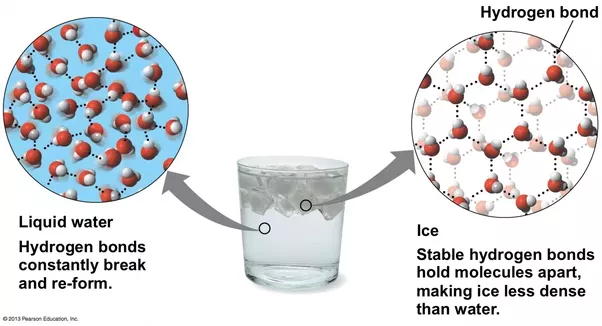

Ice is solid because its molecules are locked in a fixed structure, while water’s molecules move freely. Temperature changes alter their state, showcasing water’s adaptability in nature.
Forms of Water


Water exists in three states: solid (ice), liquid (water), and gas (vapor). These forms shift with temperature, demonstrating water’s dynamic role in the environment and daily life.
Why is Water Important?
Water is vital for survival, regulating body functions, supporting ecosystems, and enabling agriculture and industry. It sustains all forms of life and ensures environmental and economic stability.