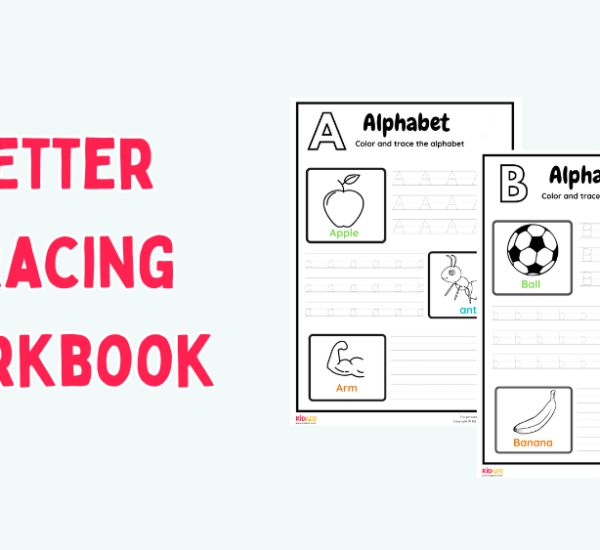
Welcome to the middle sound isolation worksheet for kindergarten kids. Middle sound means the vowel sound occurs in the middle of the word. Students must identify each picture’s middle sound from the following table. This activity will enhance the children’s vocabulary and recognition skills. So check out these worksheets and build your knowledge about middle sound isolation.

[Scroll Down for Download Link]

Identify The Middle Sound Isolation Worksheets For Kindergarten

Read More: Why do my ears pop?Middle Phoneme Isolation Worksheet For Kindergarten

  • Log
  • Run
  • Boy
  • Hen
  • Pig
  • Pen
  • Bus
  • Cup
  • Can

In this middle sound isolation worksheet, students will identify the middle sound of each picture name from the following table and write the correct vowel in the box. It also consists of an answer key for students to complete the worksheet effectively and accurately.

Middle Phoneme Isolation Worksheet For Kindergarten

  • Bed
  • Hat
  • Toy
  • Aeroplane
  • Cat
  • Dog
  • Bat
  • Mouse
  • Zip

This worksheet includes words like bed, hat, toy, cat, etc. Students must identify the middle sound for each picture and its name, and write it in the box from the following table. It includes an answer key for the students to correct their mistakes and complete the worksheet.

Key Facts About Middle Phoneme Isolation Worksheets

  • Target Audience: Kindergarten students (ages 5–6).
  • Core Skill: Phonemic awareness, a foundational pillar of literacy.
  • Primary Objective: Isolate and identify the “medial” (middle) vowel sound in CVC words.
  • Cognitive Benefit: Strengthens auditory processing and sound-symbol correspondence.
  • Educational Foundation: Aligns with standard early childhood ELA curricula.

Parts and Examples

  • Worksheet Components:
    • Visual Prompts: Illustrations to link sounds to concrete items.
    • Identification Box: Space to write the vowel letter.
    • Reference Table: A guide or word bank to assist learning.
    • Answer Key: Included for self-correction and guidance.
  • Common Word Patterns (CVC):
    • Short ‘a’: cat, hat, can
    • Short ‘e’: bed, hen, pen
    • Short ‘i’: pig, zip
    • Short ‘o’: dog, toy
    • Short ‘u’: bus, cup

How It Works

This activity utilizes a scaffolded approach:

  1. Visual Recognition: The child identifies the object in the image.
  2. Auditory Analysis: The child says the word aloud, stretching the sounds (e.g., “p-i-g”) to isolate the middle sound.
  3. Mapping: The child matches the sound to the corresponding vowel letter.
  4. Application: The child writes the letter in the box to connect the phoneme to the grapheme.

Benefits

  • Reading Fluency: Mastering internal sounds helps children decode words faster.
  • Spelling Readiness: A necessary step toward spelling CVC words correctly.
  • Phonological Awareness: Strengthens the ability to manipulate sounds—a key predictor of reading success.
  • Confidence Building: Independent completion fosters a sense of accomplishment.

Learning Objectives

  • Differentiate between short vowel sounds in the medial position.
  • Accurately isolate middle phonemes in simple words.
  • Improve fine motor skills through handwriting.
  • Apply phonics knowledge to identify new words in context.

Instructions

  1. Introduction: Clearly state the object’s name, emphasizing the middle sound.
  2. Sound Identification: Ask the child to listen for the vowel in the middle.
  3. Reference Check: Use the worksheet’s table to verify the sound.
  4. Completion: Write the correct vowel in the box.
  5. Review: Use the answer key to discuss and reinforce accuracy.

Key Concepts

  • Phoneme: The smallest unit of sound in a language.
  • Isolation: The ability to pull out a single sound from a word.
  • Medial: Situated in the middle.
  • CVC Words: Consonant-Vowel-Consonant words.
  • Grapheme: The written representation of a phoneme (a letter).

FAQs

Q1. At what age should a child start?

Answer: Typically, age 5, once they have grasped basic letter-sound recognition.

Q2. How can I help my child if they struggle?

Answer: Try “stretching” the word out (e.g., “d-ooo-g”) to make the middle sound more prominent.

Q3. Why are these effective?

Answer: They combine visual and auditory learning, which is proven to be effective for cognitive development.

Exploring these Middle Phoneme Isolation worksheets helps kindergarten children identify middle sounds, strengthen phonemic awareness, improve listening abilities, and build essential reading and spelling skills through enjoyable, hands-on practice. Explore creative learning resources featuring printable worksheets, interactive resources, quizzes, paragraphsflashcards, and essay educational activities. Follow us on FacebookTelegram, and YouTube.

Our Content Team created this worksheet to improve students’ learning outcomes.

Reviewed By Komal Singh

Read More:

About the Author

Content Team

Kidpid Content Team is a team of experienced educators, curriculum researchers, and child-focused content creators specializing in early childhood and primary education. The team develops high-quality, research-based worksheets, learning activities, and educational articles aligned with age-appropriate learning standards. Every resource is carefully reviewed to ensure accuracy, clarity, and educational value, making Kidpid a trusted platform for parents, teachers, and schools worldwide.

View All Articles