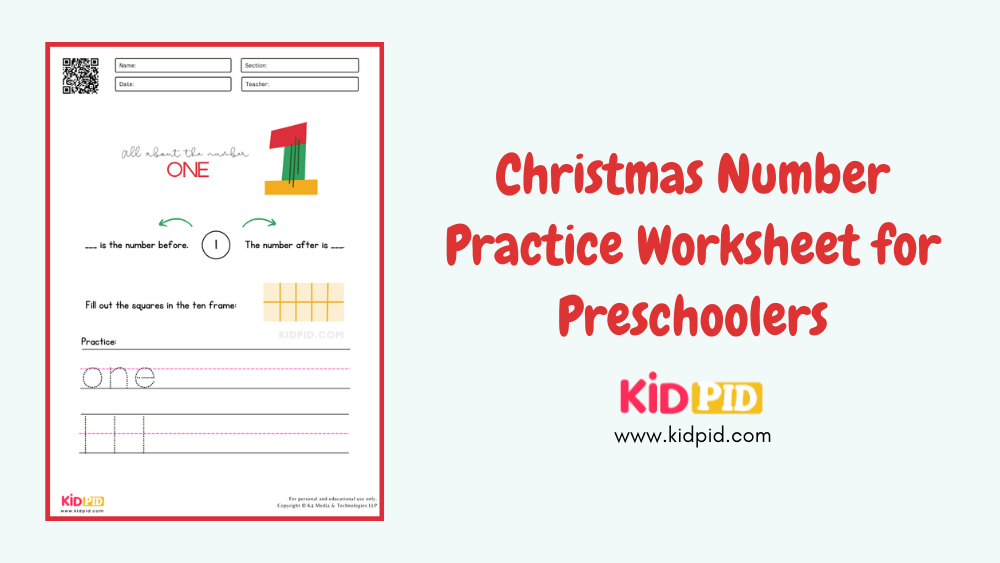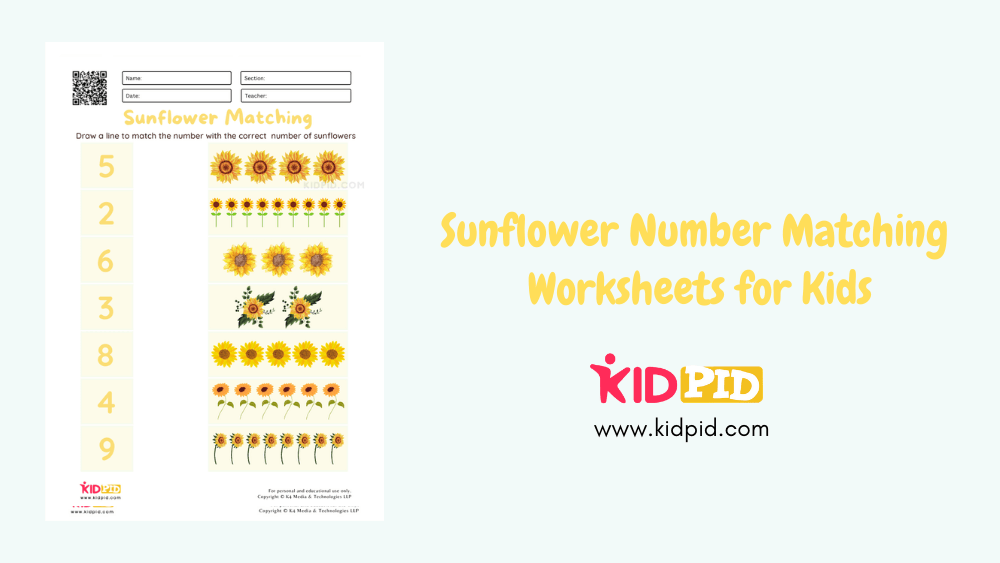
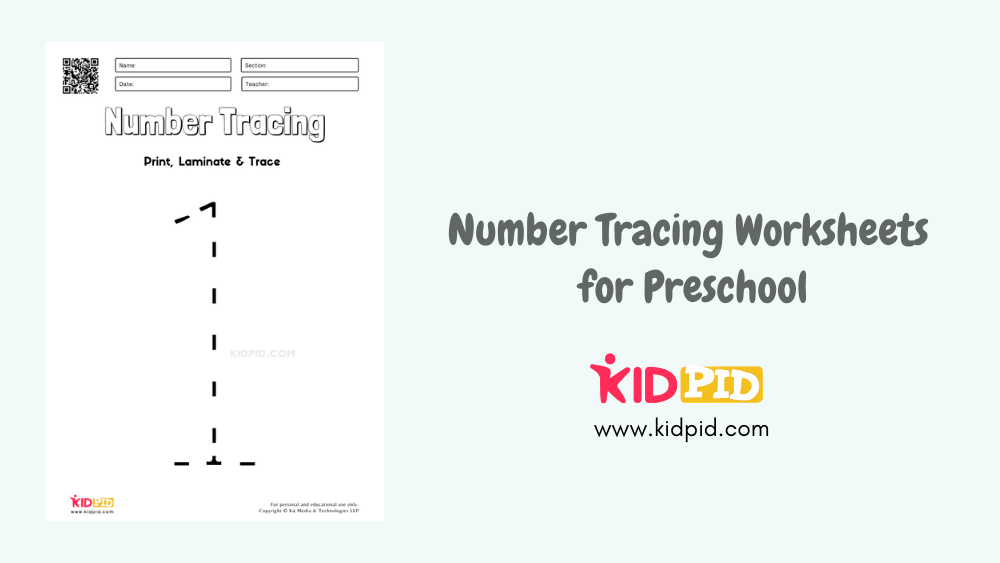
Number tracing worksheets can be very useful if your child is learning to write numbers. These worksheets are an excellent source for your child to utilize his/her summer to learn numbers.
You can print them over and over again until your child is confident in writing numbers. Or you can laminate them and use them with washable or dry markers. These kinds of number tracing worksheets are a perfect activity for kindergarten kids.
Contents
- Number Tracing Worksheets for Preschool
- Key Facts About Number Tracing Worksheets for Preschool
- Parts/Types/Examples of Number Tracing Worksheets for Preschool
- How Do Number Tracing Worksheets for Preschool Work?
- Benefits of Learning About Number Tracing Worksheets for Preschool
- Learning Objectives
- Worksheet Instructions
- Interesting Facts About Number Tracing Worksheets for Preschool
- Real-Life Applications
- FAQs
- Q1. At what age are number tracing worksheets suitable for?
- Q2. Why are number tracing worksheets important?
- Q3. How often should preschoolers practice number tracing?
- Q4. Do number tracing worksheets improve handwriting?
- Q5. Can number tracing worksheets teach counting skills?
- Q6. What numbers should preschoolers learn first?
- Q7. Are number tracing worksheets useful for homeschooling?
- Q8. How can parents make number tracing more engaging?
- Read More:
How should I introduce numbers to kids?
As kids are new learners, you can introduce numbers with number rhymes, do some number activities and games like telling them to count apples, teaching them to count using fingers, or drawing a number or crafting number art.
These are some activities that can be used for introducing numbers to your kids.
How to teach a kid to identify numbers?
There are many ways to teach a kid to identify numbers. By using an abacus, by recognizing numbers in day-to-day activities, for eg: how many chocolates I ate today, etc., repeating numbers and rhymes, and playing number games like Housie. These activities are very helpful for identifying numbers.
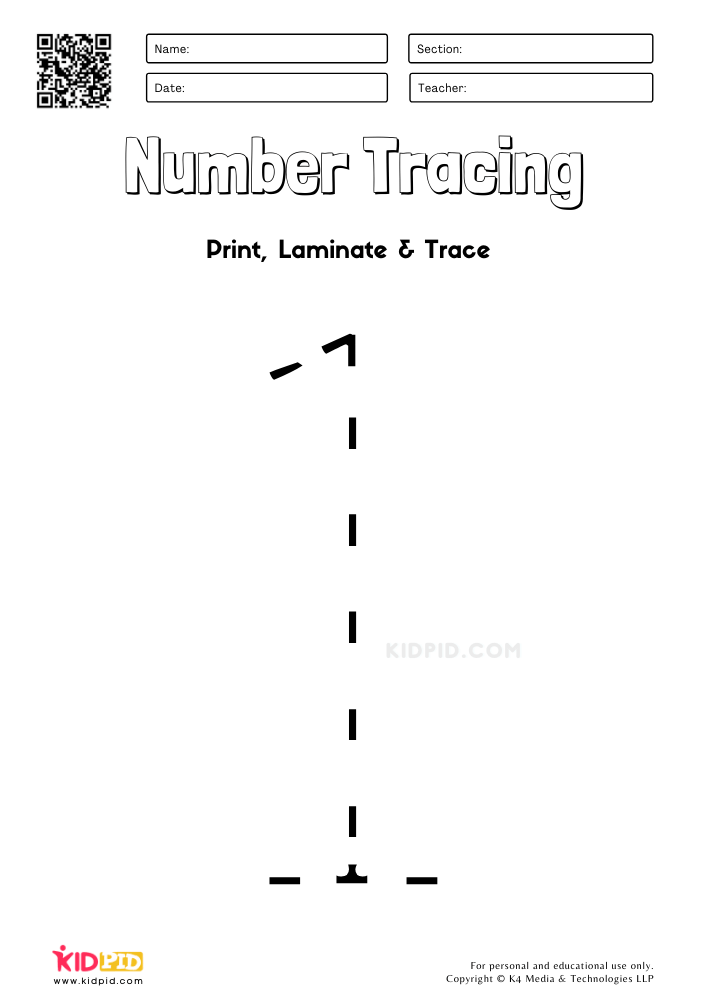
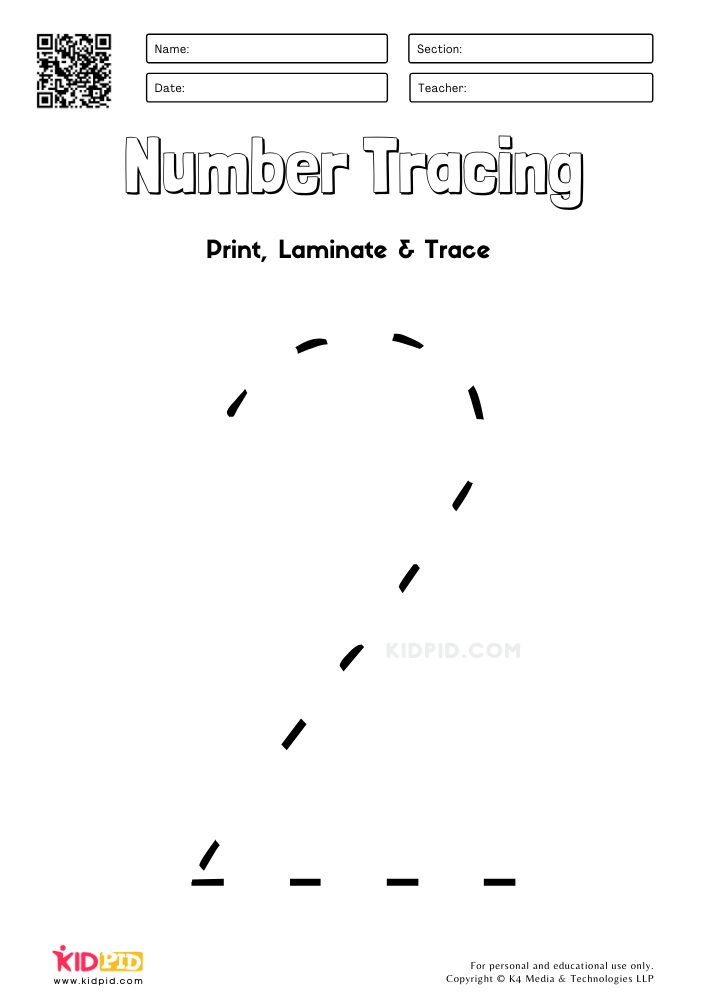
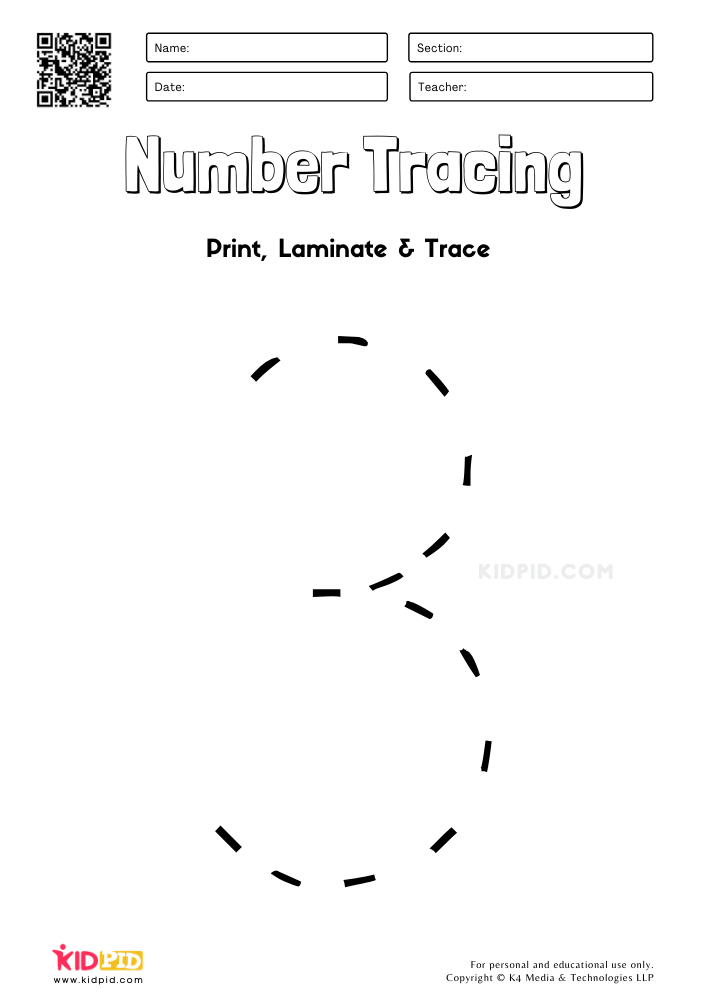
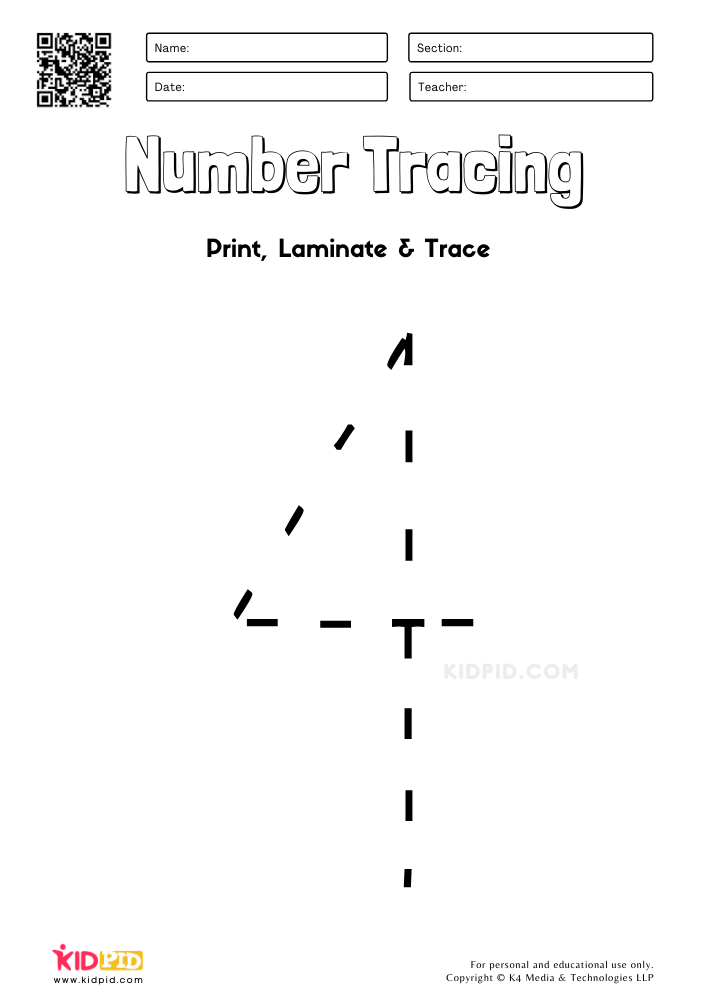
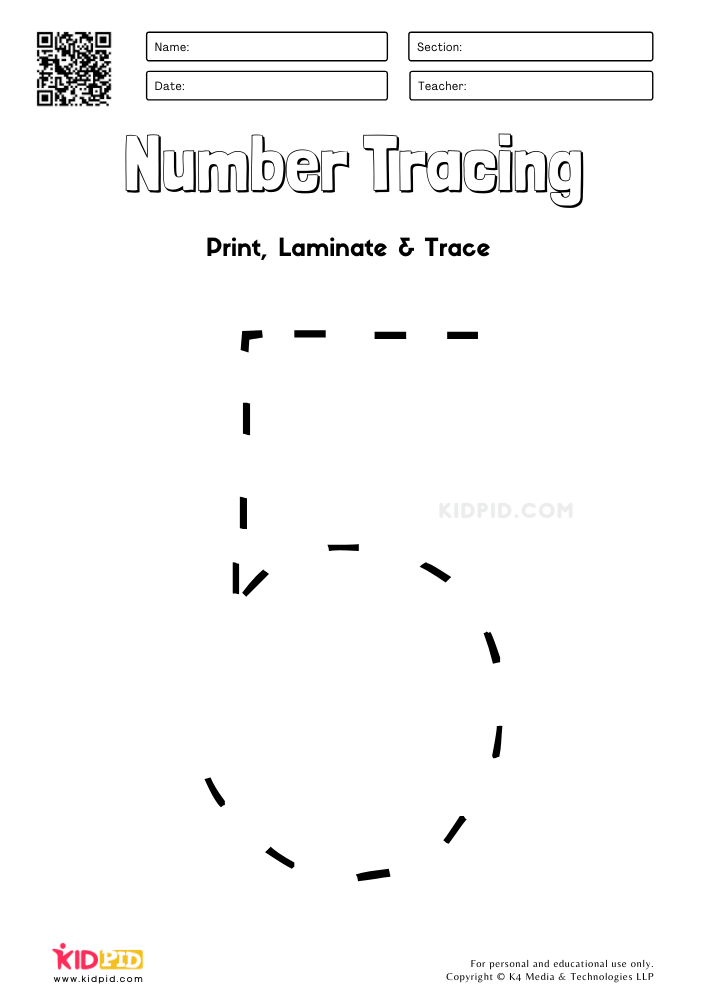
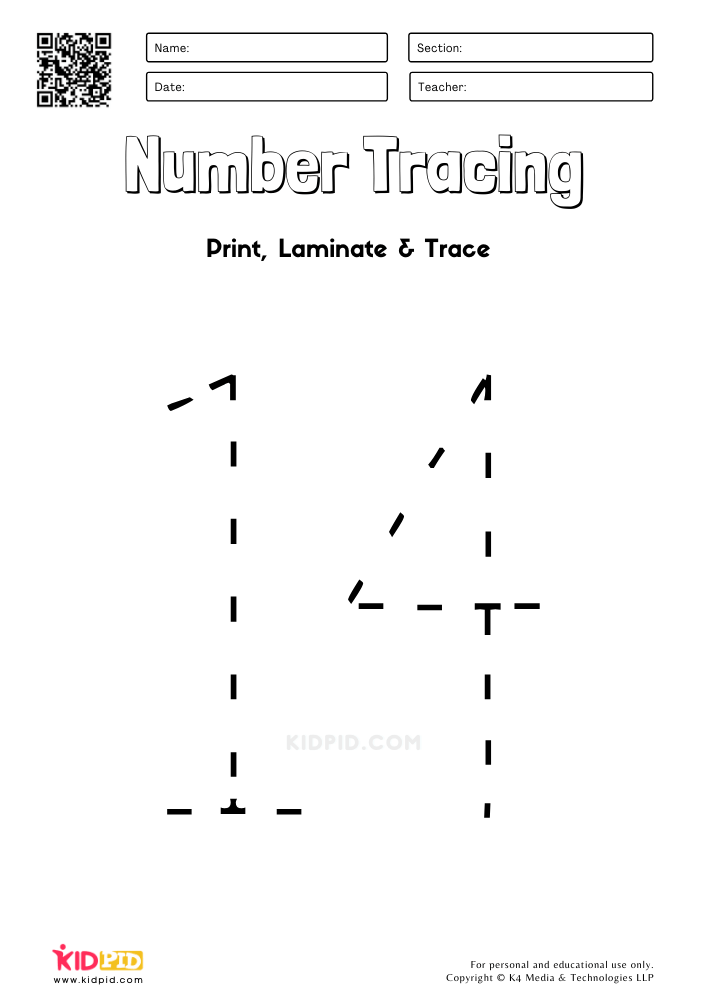
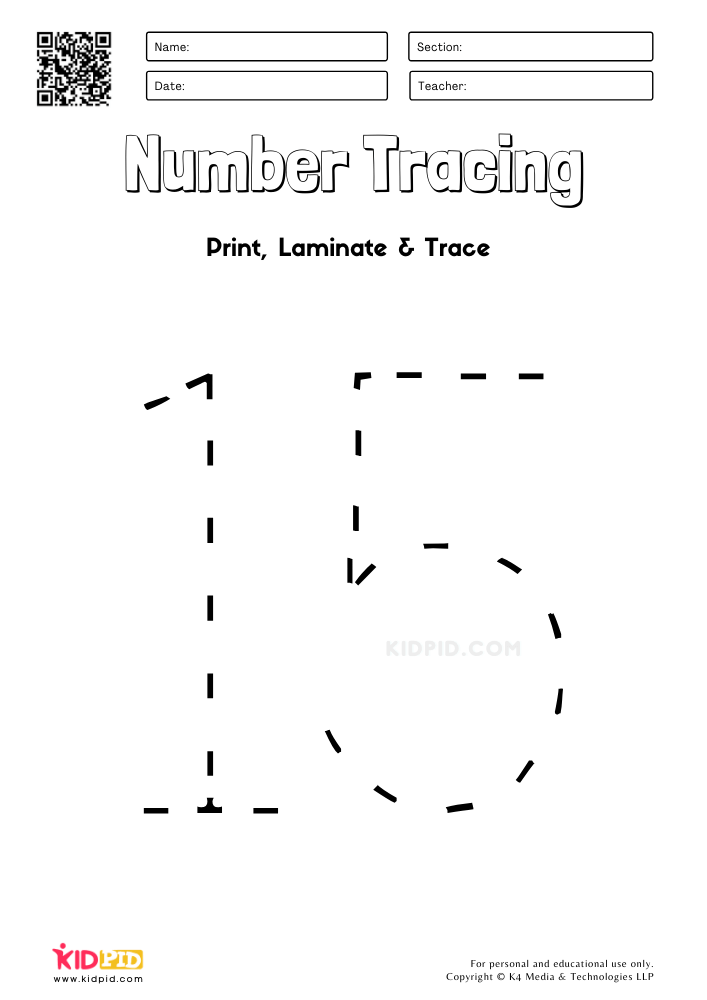
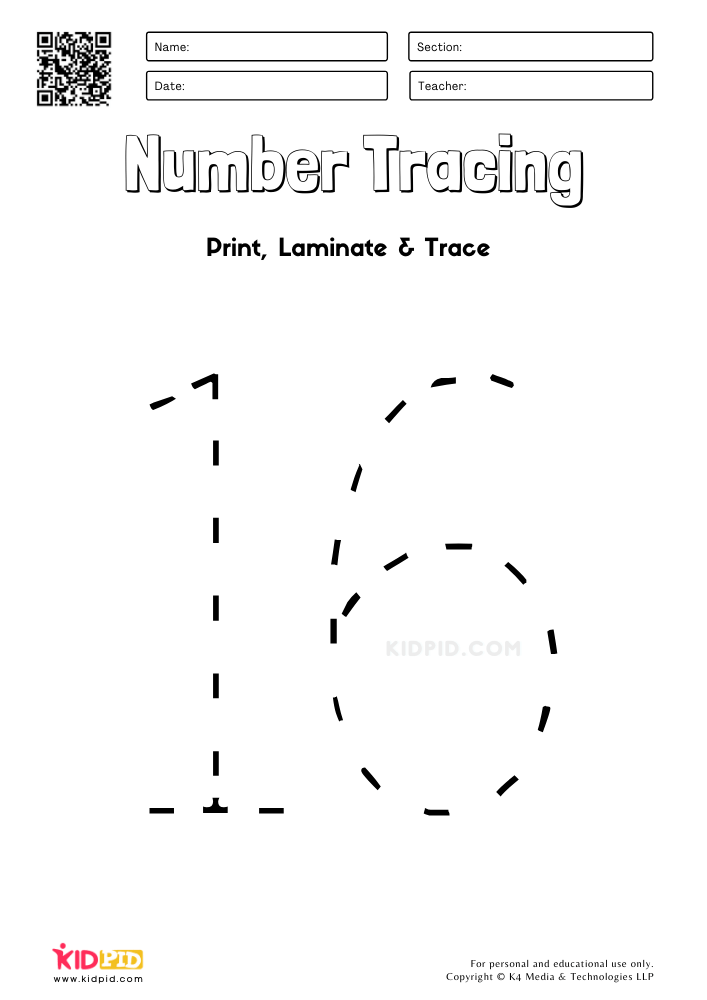
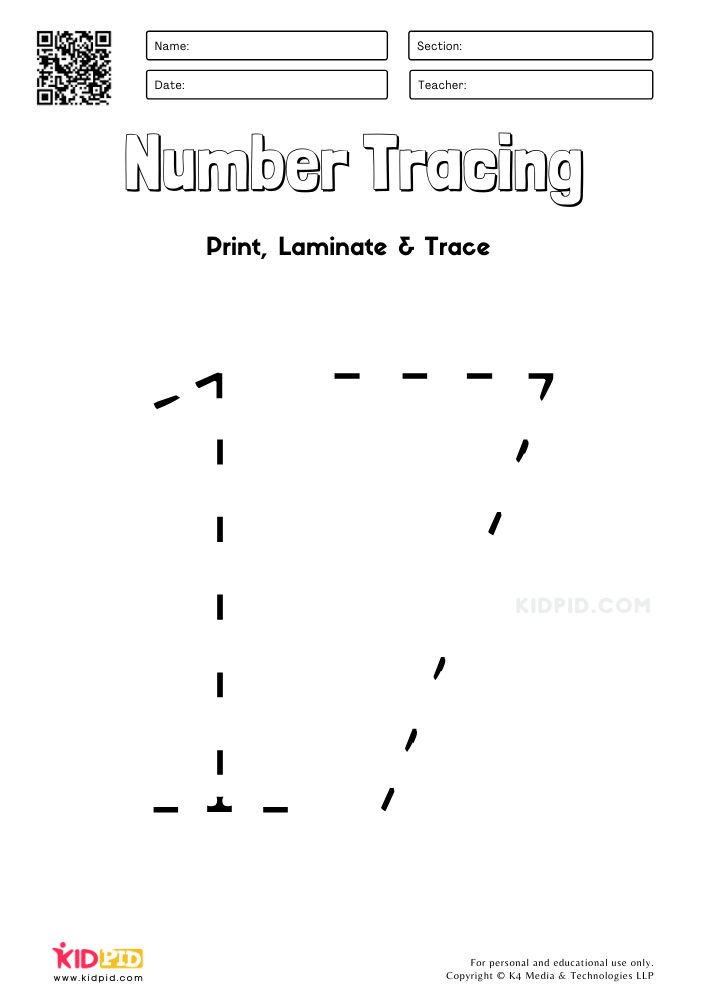
Here is a preview of how this tracing worksheets look like. Worksheets contain a total of 20 pages, each with one number.
Number Tracing Worksheets for Preschool

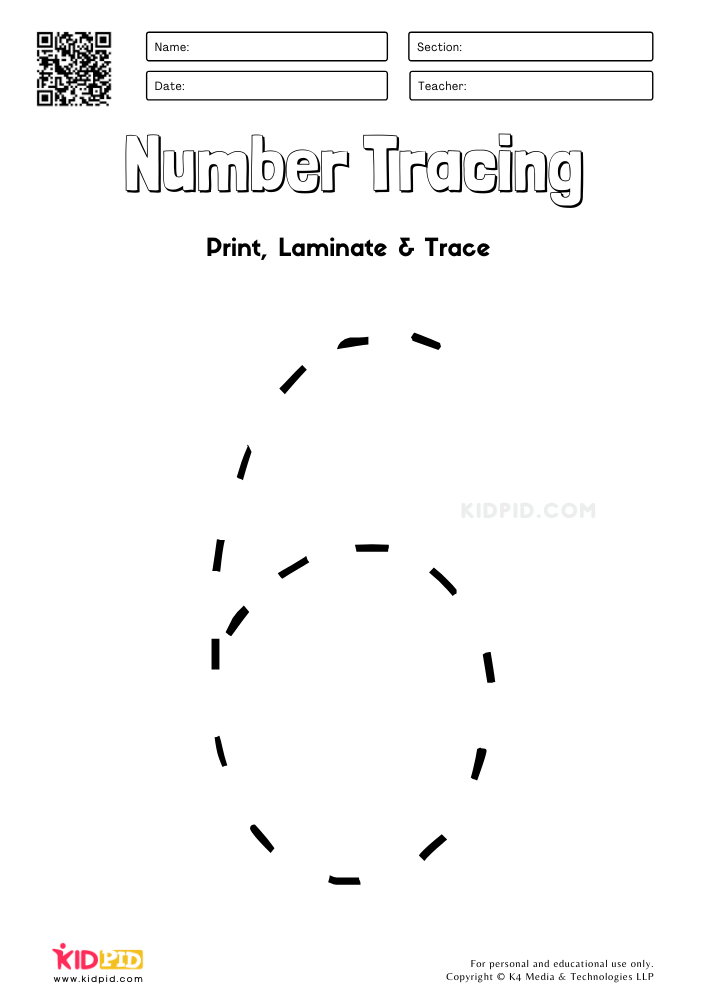
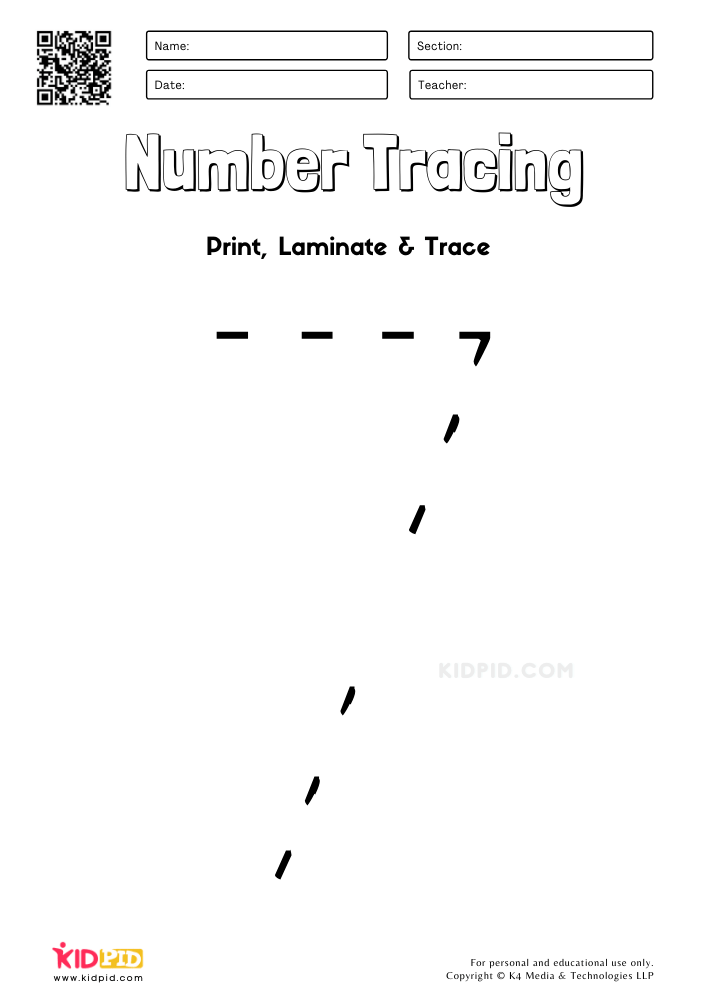
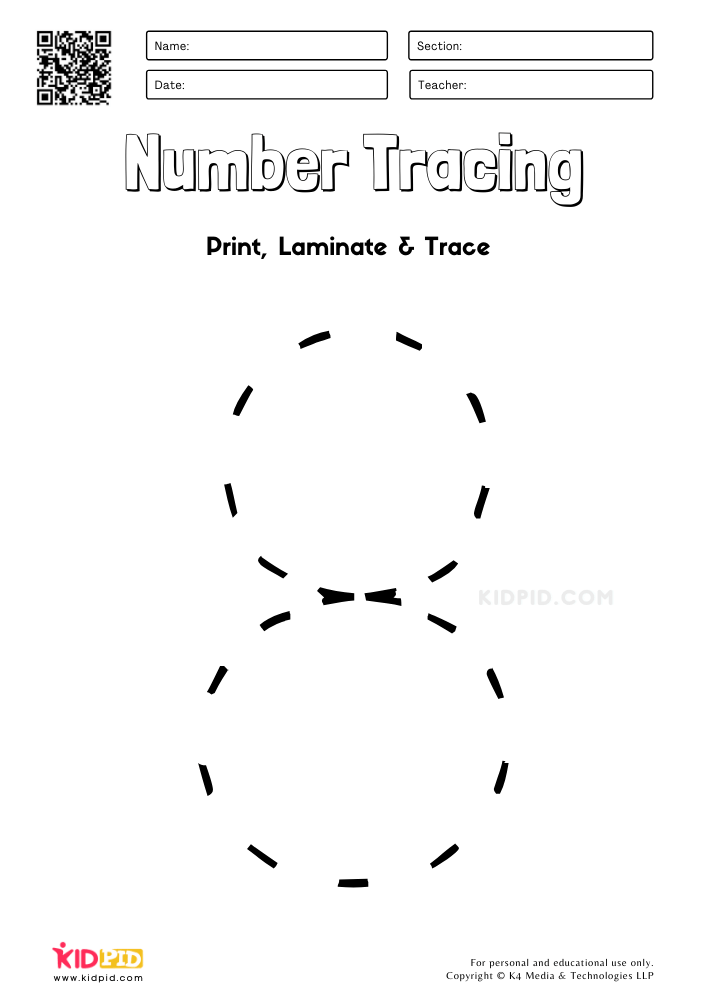
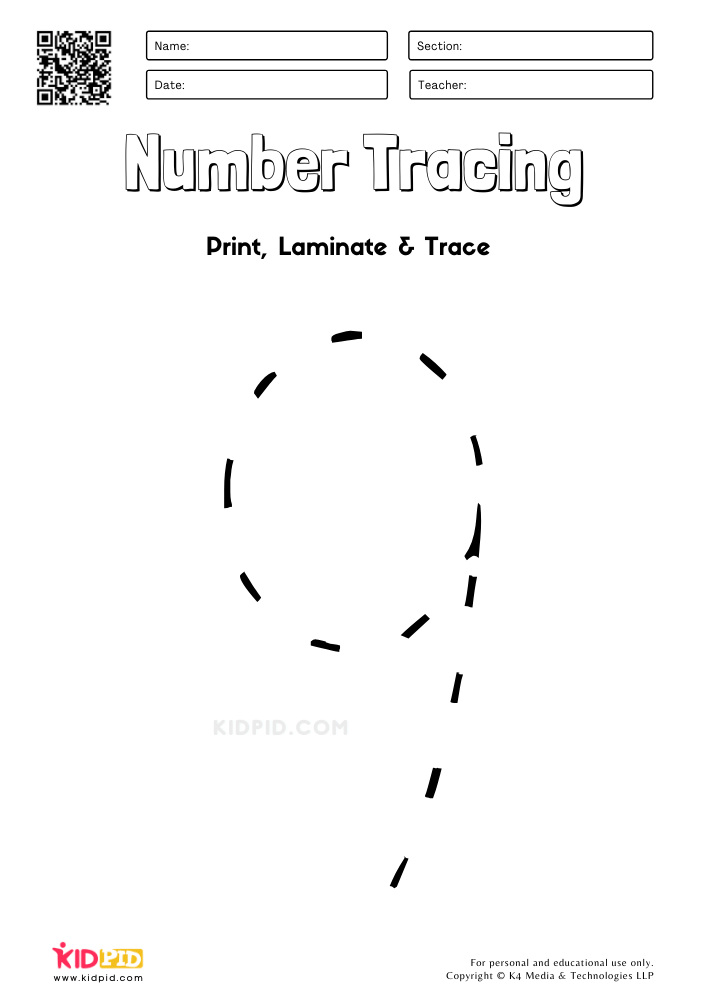
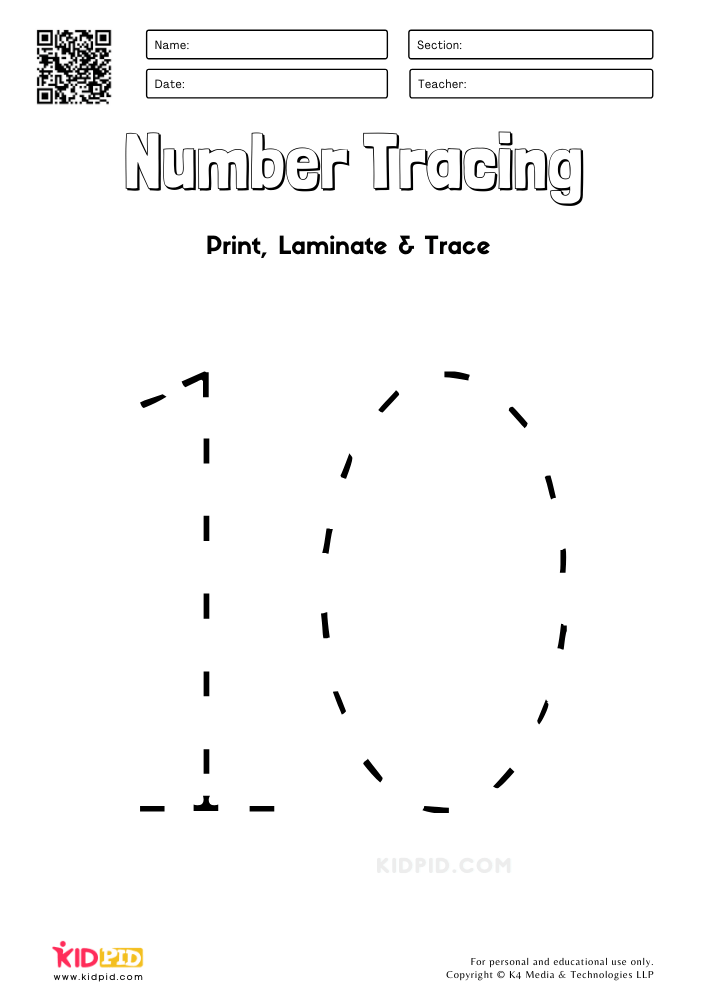
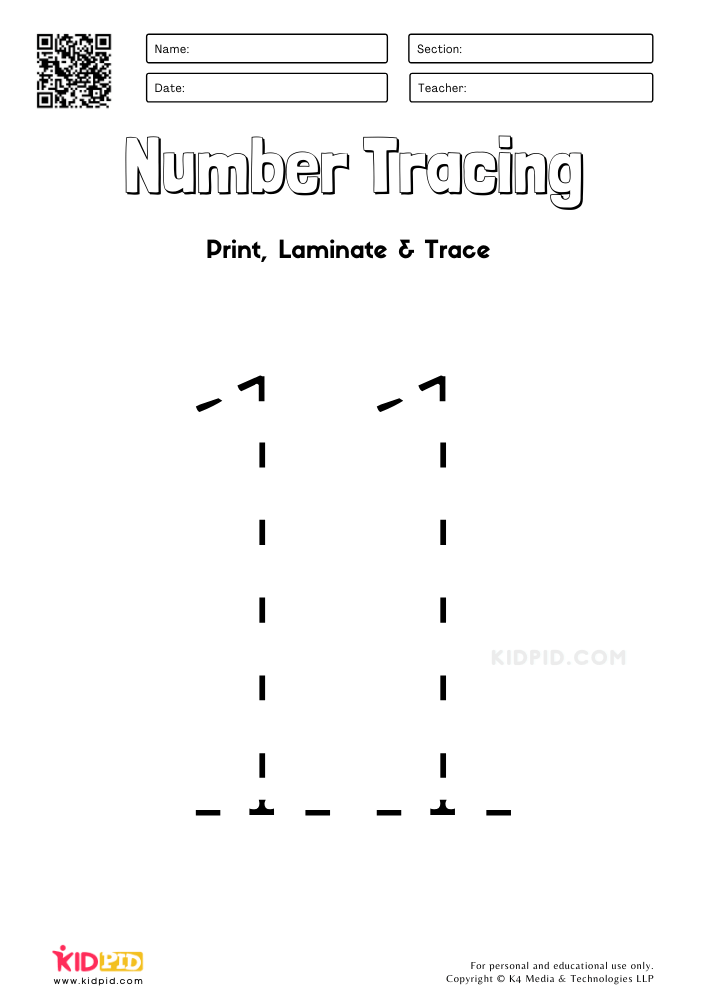
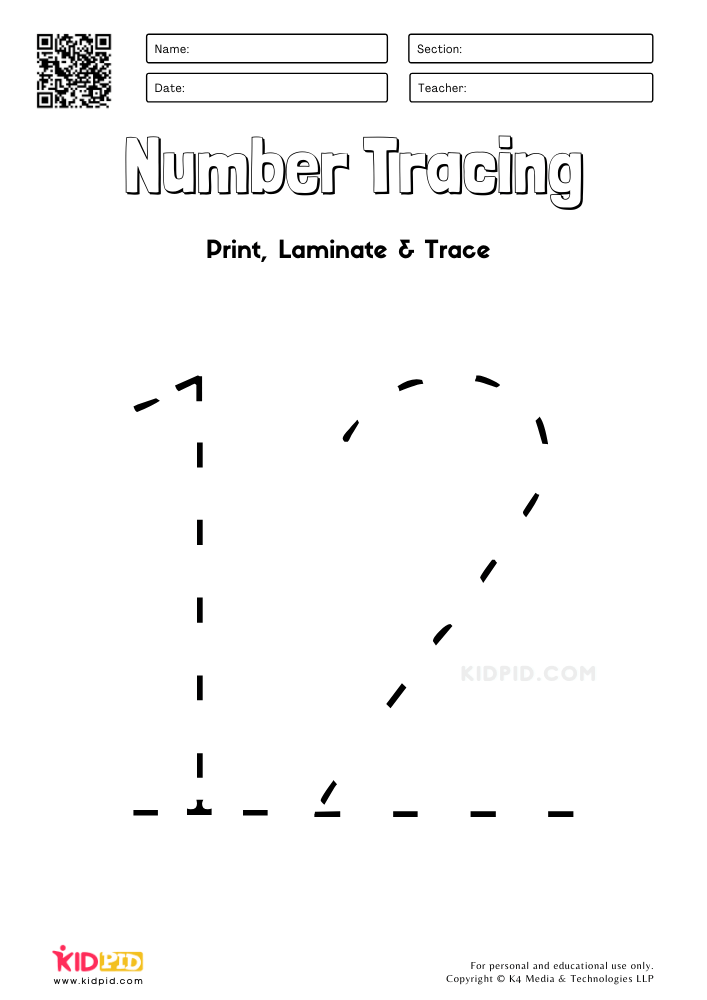
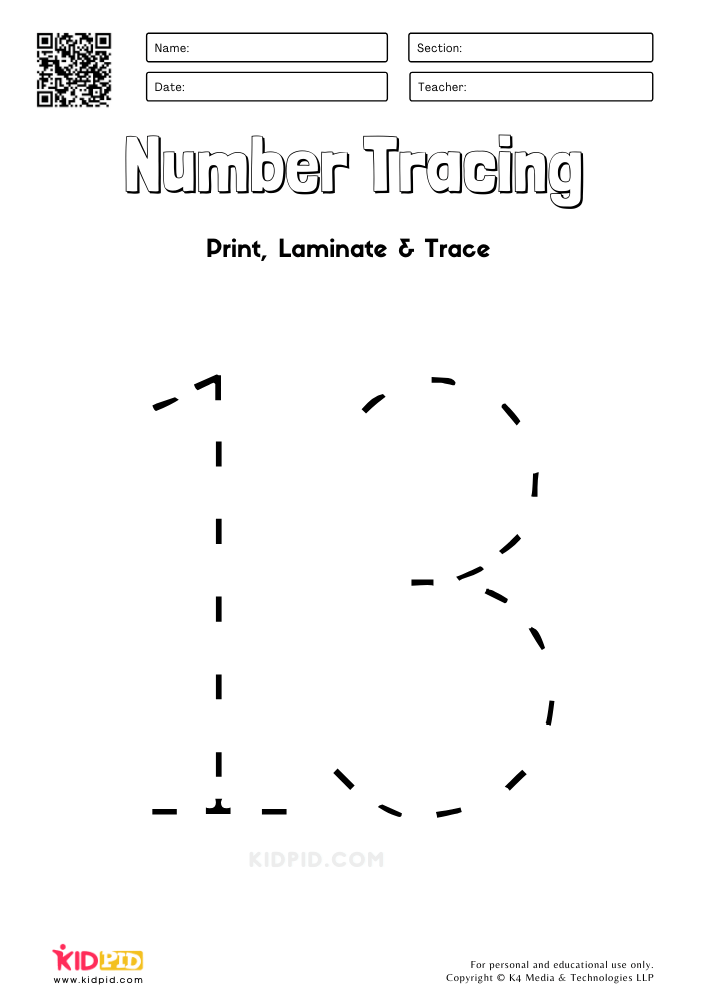
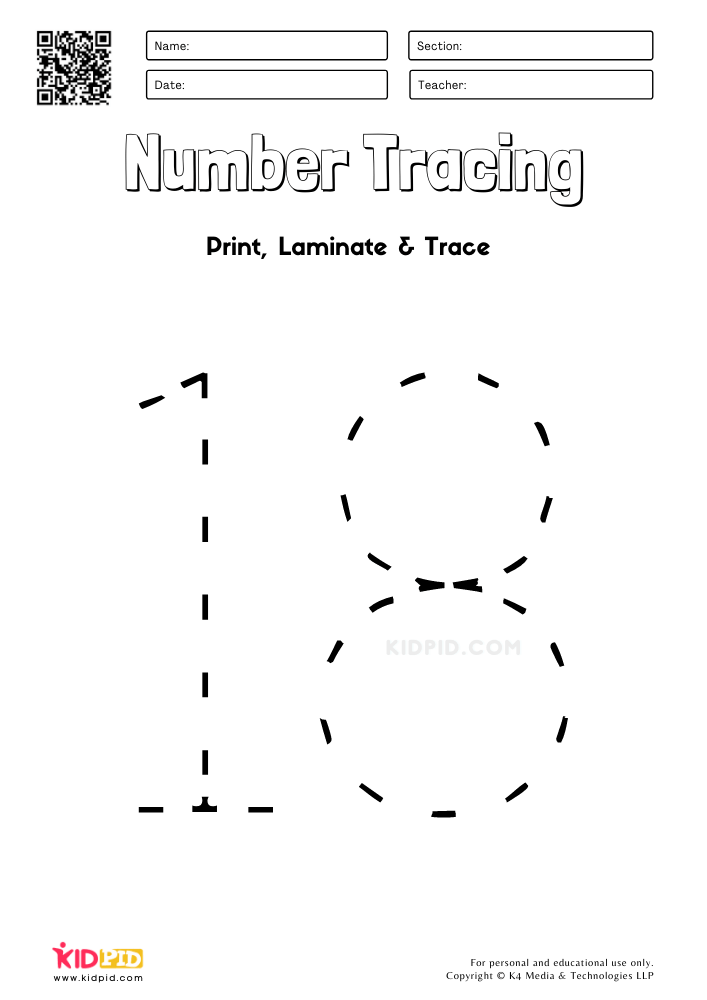
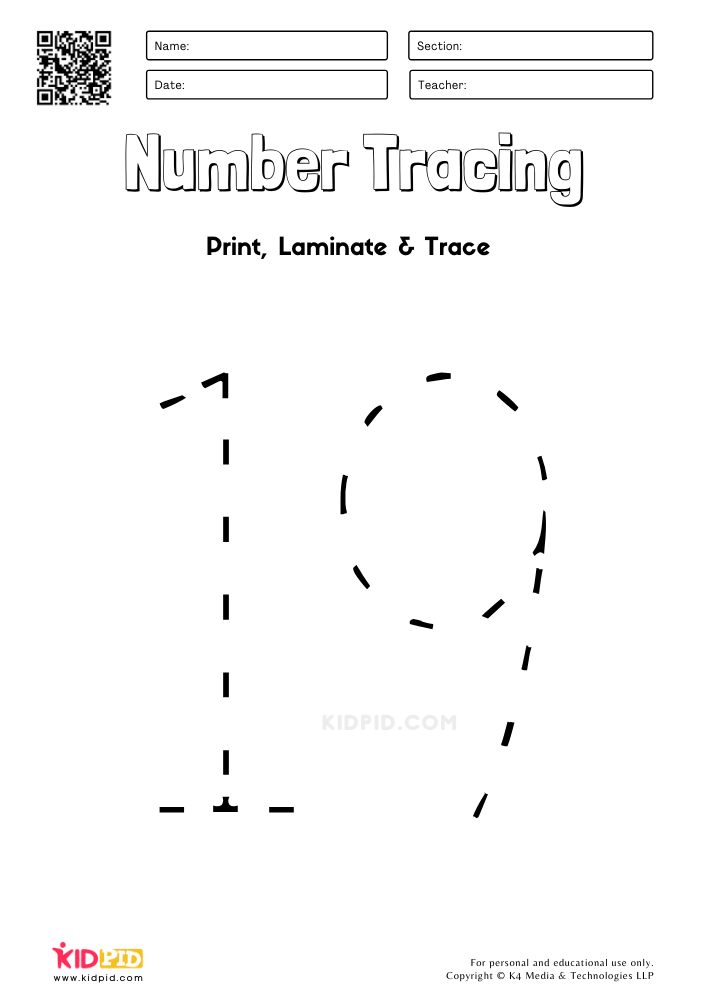
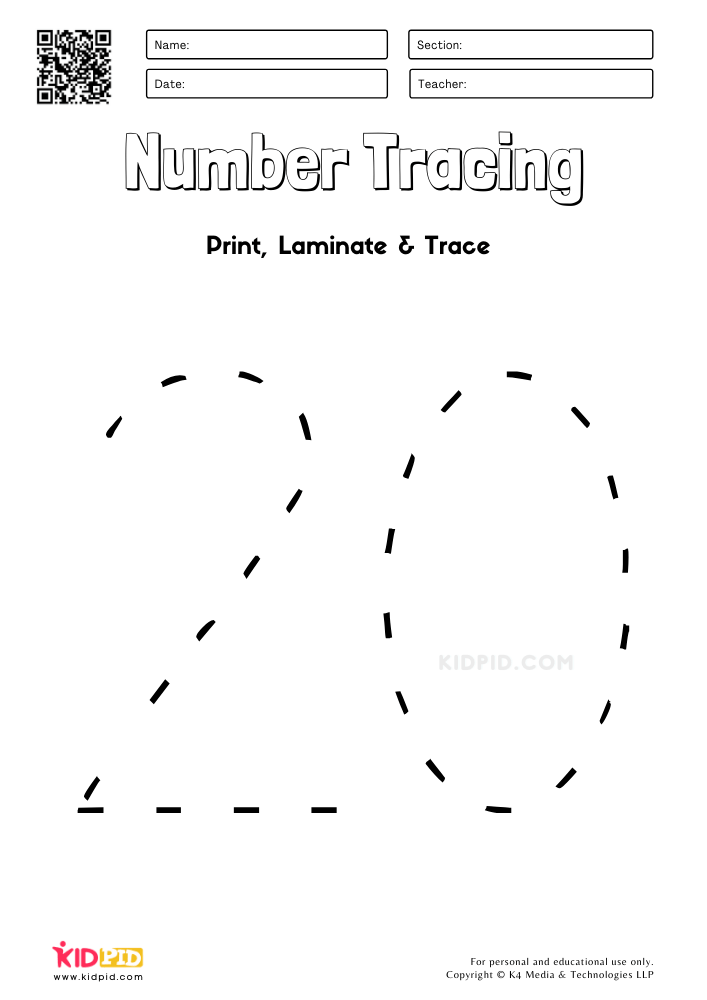
Key Facts About Number Tracing Worksheets for Preschool
Number Tracing Worksheets for Preschool are educational resources designed to help young children learn how to recognize, write, and understand numbers. These worksheets introduce preschoolers to number formation through guided tracing activities that strengthen fine motor skills and handwriting readiness. Children gradually gain confidence in identifying numbers and associating them with quantities. Number tracing exercises support early math development and prepare learners for kindergarten-level counting and arithmetic concepts.
Key Facts:
- Suitable for children aged 3–5 years.
- Focuses on numbers 0–10, 0–20, or higher.
- Improves pencil control and hand-eye coordination.
- Supports number recognition and counting skills.
- Encourages independent learning and practice.
- Builds a strong foundation for future mathematics learning.
Parts/Types/Examples of Number Tracing Worksheets for Preschool
Number tracing worksheets come in various formats to meet different learning needs and skill levels.
Types of Number Tracing Worksheets:
- Single Number Tracing Worksheets
- Practice one number per page.
- Example: Tracing the number 5 repeatedly.
- Sequential Number Tracing Worksheets
- Trace numbers in order from 1–10 or 1–20.
- Number and Quantity Worksheets
- Trace the number and count matching objects.
- Dotted Number Worksheets
- Follow dotted outlines to form numbers correctly.
- Color and Trace Worksheets
- Combine coloring activities with number practice.
- Number Maze and Tracing Activities
- Interactive worksheets that make learning fun.
Examples:
- Trace and write the number 7.
- Count 8 apples and trace the number 8.
- Complete the sequence from 1 to 10.
How Do Number Tracing Worksheets for Preschool Work?
Number tracing worksheets work by guiding children through the correct formation of numbers using dotted or outlined patterns. Preschoolers trace over the provided number shapes multiple times, helping them develop muscle memory and writing confidence.
Learning Process:
- Identify the number shown on the worksheet.
- Follow directional arrows or dotted lines.
- Trace the number carefully.
- Practice writing the number independently.
- Count objects associated with the number.
- Repeat for reinforcement and mastery.
This structured approach combines visual, tactile, and cognitive learning to improve number recognition and writing skills.
Benefits of Learning About Number Tracing Worksheets for Preschool
Number tracing activities offer numerous educational and developmental benefits for young learners.
Benefits:
- Enhances number recognition skills.
- Develops proper number formation habits.
- Strengthens fine motor and pencil-grip skills.
- Improves hand-eye coordination.
- Encourages concentration and patience.
- Builds confidence in early math activities.
- Supports kindergarten readiness.
- Helps children connect numbers with quantities.
- Creates a strong foundation for counting and arithmetic.
Learning Objectives
By completing Number Tracing Worksheets for Preschool, children will be able to:
- Recognize and identify numbers correctly.
- Trace and write numbers with confidence.
- Improve pencil control and handwriting readiness.
- Develop fine motor coordination.
- Count objects accurately.
- Understand number order and sequencing.
- Associate numbers with real-world quantities.
- Build early mathematical thinking skills.
Worksheet Instructions
Follow these simple instructions to complete the worksheet successfully:
- Look carefully at the number displayed.
- Start tracing at the indicated point.
- Follow the dotted lines slowly and carefully.
- Repeat tracing until comfortable with the number shape.
- Try writing the number independently in the blank spaces.
- Count any objects shown and match them to the number.
- Review your work for neatness and accuracy.
Interesting Facts About Number Tracing Worksheets for Preschool
- Children learn number writing more effectively through repeated tracing practice.
- Number tracing develops the small hand muscles needed for future writing tasks.
- Preschoolers often learn numbers faster when tracing is combined with counting activities.
- Early number-writing practice supports stronger math performance in later grades.
- Tracing activities engage visual, motor, and cognitive skills simultaneously.
- Consistent practice helps children remember number shapes more easily.
- Number tracing can be combined with games, coloring, and puzzles for enhanced engagement.
Real-Life Applications
Number tracing skills are useful in everyday situations and future learning experiences.
Examples:
- Writing age on forms.
- Recognizing house and phone numbers.
- Counting toys, snacks, and classroom materials.
- Understanding prices while shopping.
- Reading calendars and dates.
- Participating in math activities at school.
- Recording scores in games and sports.
- Following numbered instructions and steps.
These practical applications help children see the importance of numbers in daily life.
FAQs
Q1. At what age are number tracing worksheets suitable for?
Answer: Number tracing worksheets are generally designed for preschool children aged 3–5 years.
Q2. Why are number tracing worksheets important?
Answer: They help children develop number recognition, handwriting skills, fine motor control, and early math readiness.
Q3. How often should preschoolers practice number tracing?
Answer: Short daily practice sessions of 10–15 minutes are usually effective for building confidence and skills.
Q4. Do number tracing worksheets improve handwriting?
Answer: Yes. Tracing strengthens pencil control, hand muscles, and proper number formation techniques.
Q5. Can number tracing worksheets teach counting skills?
Answer: Yes. Many worksheets combine tracing activities with counting objects to reinforce number concepts.
Q6. What numbers should preschoolers learn first?
Answer: Most children begin with numbers 1–10 before progressing to larger numbers and number sequences.
Q7. Are number tracing worksheets useful for homeschooling?
Answer: Absolutely. They provide structured, easy-to-follow activities that support early math learning at home.
Q8. How can parents make number tracing more engaging?
Answer: Parents can combine tracing activities with counting games, coloring exercises, songs, and hands-on learning experiences to keep children motivated.
Build strong early math skills with these Number Tracing Worksheets for Preschool. Engaging printable activities help children trace numbers, improve number recognition, strengthen fine motor skills, develop pencil control, and build counting confidence through hands-on practice. Boost your learning journey with our website’s worksheets, paragraphs, essays, flashcards, quizzes, and interactive resources. Follow us on YouTube & Facebook.
Hope you liked these number tracing worksheets. Please check out our collection of worksheets for creative learning.
This worksheet is crafted by the Content Team to enhance student progress.
Reviewed By Kartik
Read More: