

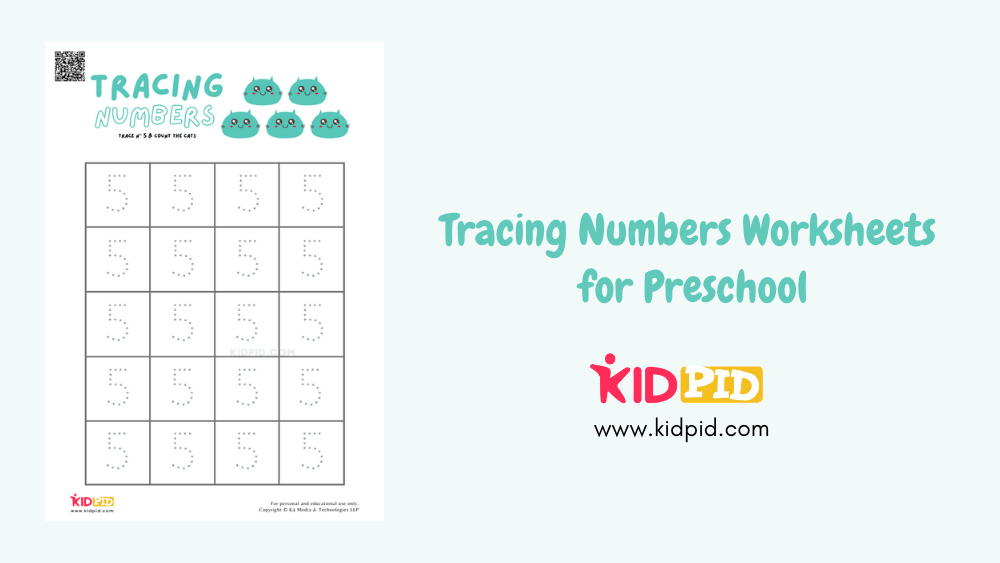
Here is an amazing worksheet on tracing for kids in grade 1. It includes tracing of numbers, which will help the kid learn how to write numbers. These tracing worksheets are for beginners aged 3 to 5. It will help in writing the numbers without tracing once they practice these worksheets. These worksheets are given together for practice of numbers that are from 1 to 9.
[Scroll Down for Download Link]
Contents
- Tracing Numbers Worksheets for Preschool
- Key Facts About Tracing Numbers Worksheets for Preschool
- Parts/Types/Examples of Tracing Numbers Worksheets for Preschool
- How Do Tracing Numbers Worksheets for Preschool Work?
- Benefits of Learning About Tracing Numbers Worksheets for Preschool
- Learning Objectives
- Worksheet Instructions
- Interesting Facts About Tracing Numbers Worksheets for Preschool
- Real-Life Applications
- FAQs
- Q1. At what age are tracing numbers worksheets suitable for?
- Q2. Why are number tracing worksheets important?
- Q3. Should children trace numbers before writing independently?
- Q4. How often should preschoolers practice number tracing?
- Q5. Can tracing worksheets improve handwriting?
- Q6. Do number tracing worksheets help with counting skills?
- Q7. Are tracing numbers worksheets useful for homeschooling?
- Q8. What skills do children develop through number tracing?
Tracing Numbers Worksheets for Preschool
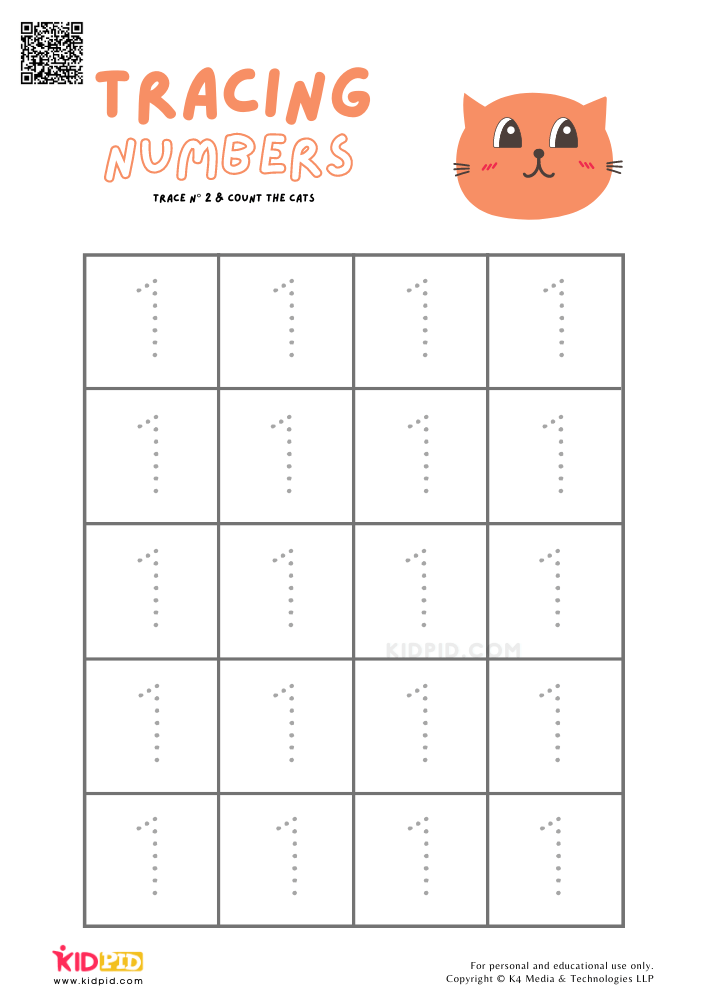
This is the first worksheet that includes the number 1. It is the first number in counting. The kid is required to trace these dots to write the number 1. It will help him write the number without these dots if he or she practices these worksheets regularly.
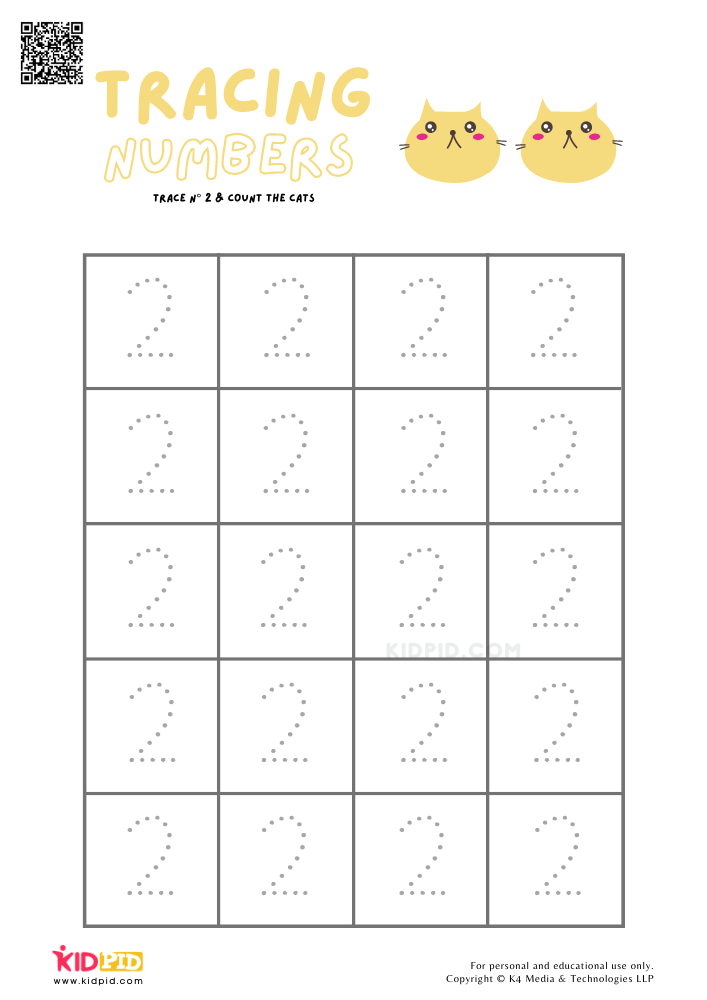
This is the second most common worksheet on the concept of tracing. It includes the number 2. It is the second most common number in counting. The child is supposed to trace this number after number 1. Counting goes in series and cannot be unordered. Regular practice of these exercises will help the kid learn fast and easily.
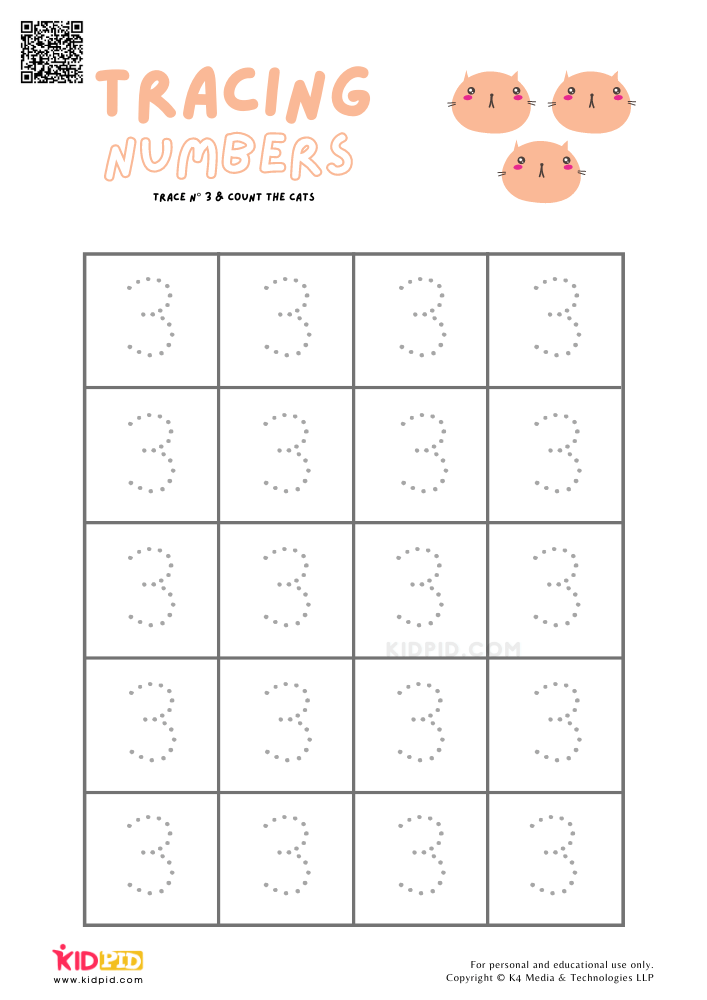
This is the third worksheet on the concept of tracing. This worksheet includes the tracing of the number 3. The next number after 2 is No.3. The kid is supposed to trace the number 3 after 2. It will help the kid know counting in order.

This is the fourth worksheet with the number 4. This worksheet includes the next number, which is no. 4. Now, the kid should trace these worksheets so that he can write them without dots in the future. Practice is key to success. If the kid practices these worksheets regularly, he or she will learn fast.
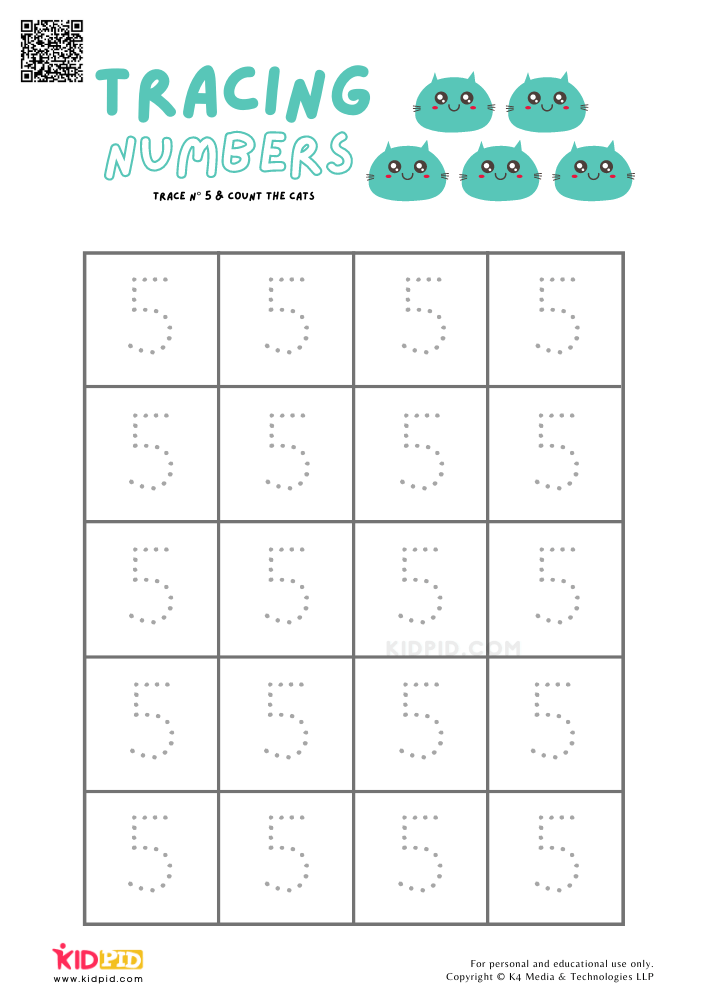
This is the fifth worksheet. It includes the tracing exercise for No.5. The kid will trace the fifth number in the counting, which is 5. The more you practice, the more you learn.
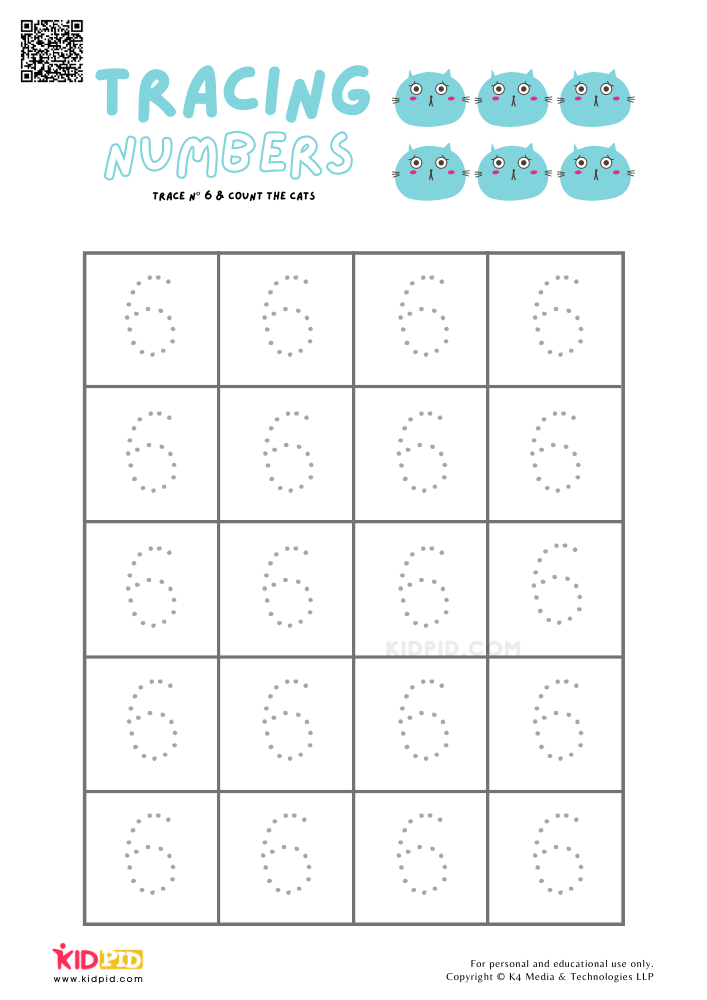
This is the sixth worksheet. It includes the exercise of tracing No.6. After number 5, No. 6 comes. These worksheets are given in a format and order that will help the kid and parent to perform the exercises and learn more efficiently.
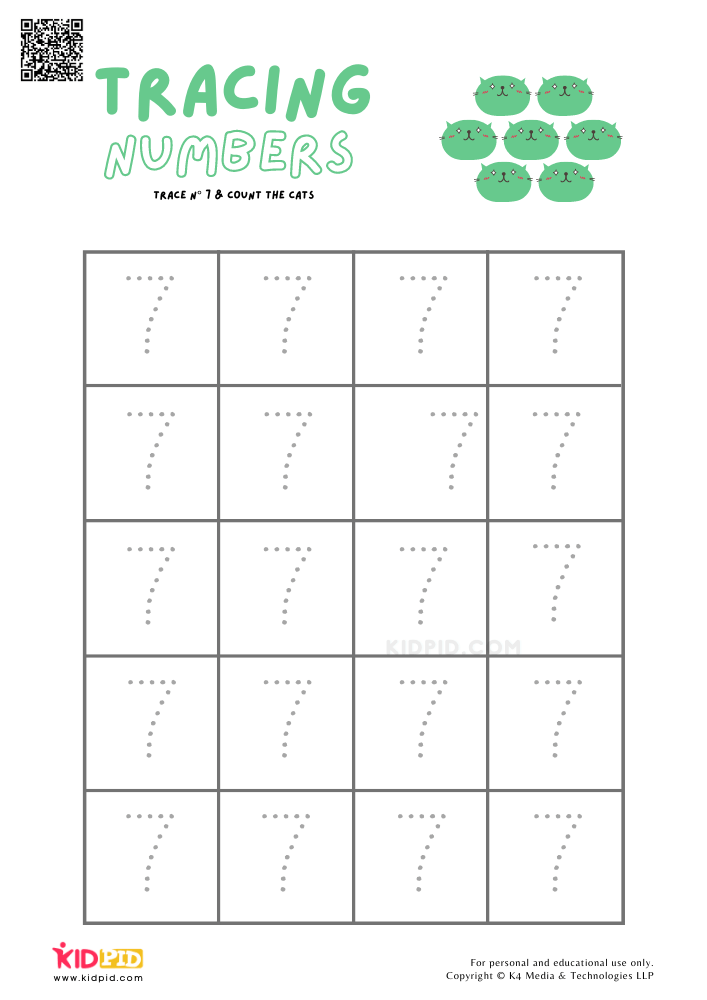
This is the seventh most common worksheet on the concept of tracing numbers. It includes the tracing of the no. 7. This worksheet is for the kid for no. 7. This worksheet gives systematic learning, which is one by one.
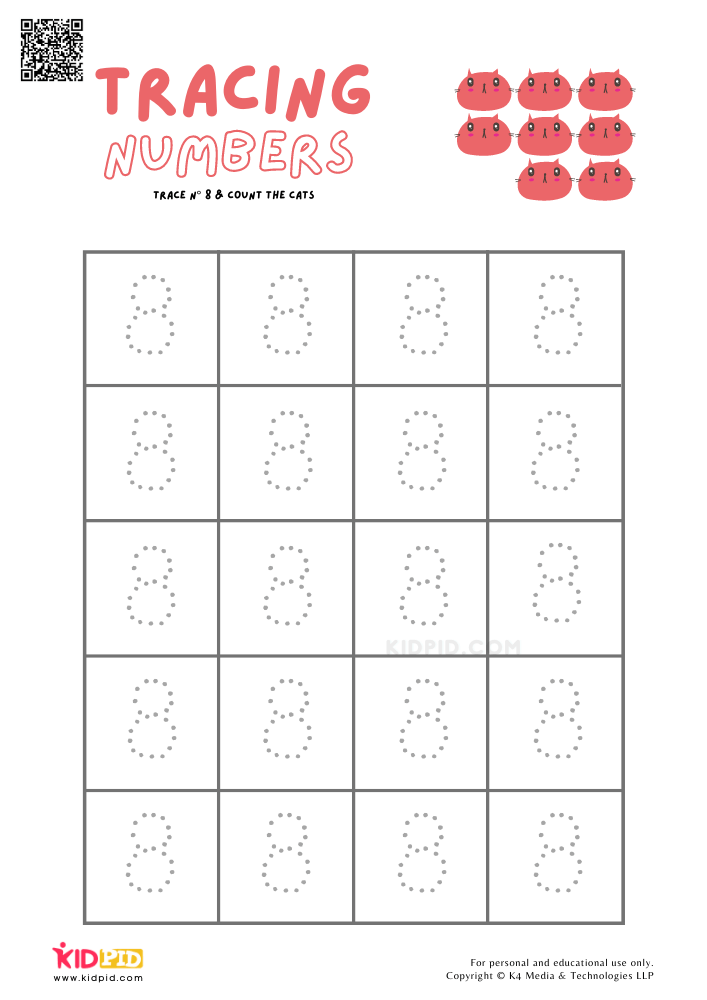
This is the eighth worksheet for the concept of tracing. This worksheet includes the tracing of the no.8. The kid needs to join the dots to make a number. It will lead to learning how to write numbers in a variety of ways.
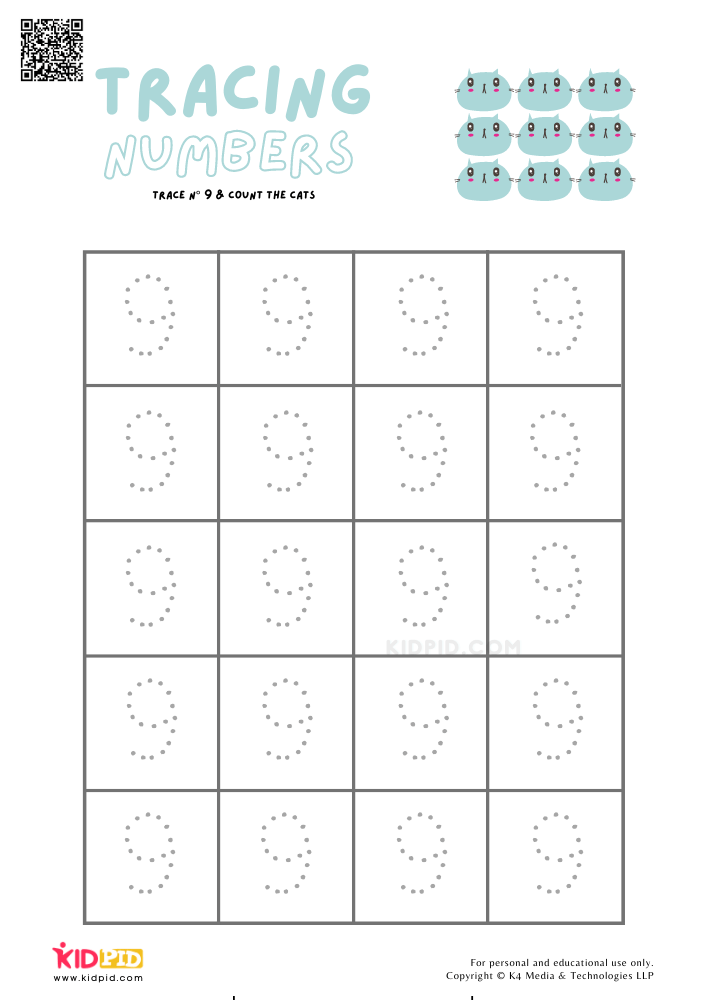
This is the ninth worksheet. It includes the tracing exercise for No.9. The kid will trace the ninth number in the counting, which is 9. The more you practice, the more you learn.
Key Facts About Tracing Numbers Worksheets for Preschool
Tracing Numbers Worksheets for Preschool are educational resources designed to help young children learn number formation, number recognition, and early writing skills. These worksheets introduce preschoolers to numbers through guided tracing activities that strengthen fine motor control and hand-eye coordination. Children practice tracing dotted numbers, counting objects, and connecting numbers with quantities, making learning interactive and enjoyable.
These worksheets are suitable for preschool, pre-kindergarten, kindergarten, homeschooling, and early childhood classrooms. They provide a structured approach to developing foundational math skills while building confidence in writing numbers independently.
Parts/Types/Examples of Tracing Numbers Worksheets for Preschool
Parts of a Number Tracing Worksheet:
- Dotted number outlines for tracing
- Number identification section
- Counting activities
- Object-number matching exercises
- Writing practice lines
- Visual illustrations and pictures
Types of Tracing Number Worksheets:
- Single-digit number tracing (1–10)
- Number tracing 1–20
- Number tracing 1–50
- Counting and tracing worksheets
- Color-and-trace number activities
- Number formation practice sheets
Examples:
- Trace and write the number 5 five times.
- Count apples and trace the matching number.
- Follow arrows to learn proper number formation.
- Trace, color, and identify numbers from 1 to 10.
How Do Tracing Numbers Worksheets for Preschool Work?
Tracing number worksheets guide children through repeated practice of writing numbers using dotted or outlined templates. Children begin by tracing the provided number shapes, helping them understand the correct stroke order and formation. As confidence grows, they gradually move from tracing to writing numbers independently.
Many worksheets combine tracing with counting activities, picture matching, and number recognition exercises. This multi-sensory approach helps children connect number symbols with their corresponding quantities while improving handwriting skills and mathematical understanding.
Regular practice enhances memory retention, pencil control, concentration, and readiness for more advanced math concepts.
Benefits of Learning About Tracing Numbers Worksheets for Preschool
- Improves number recognition skills.
- Develops fine motor and pencil control.
- Encourages correct number formation.
- Builds early math foundations.
- Enhances hand-eye coordination.
- Supports school readiness.
- Increases confidence in writing.
- Promotes independent learning habits.
- Strengthens concentration and focus.
- Makes learning numbers fun and engaging.
Learning Objectives
By completing tracing numbers worksheets, children will be able to:
- Recognize numbers accurately.
- Trace and write numbers correctly.
- Understand number sequencing.
- Associate numbers with quantities.
- Develop fine motor skills.
- Improve pencil grip and handwriting.
- Strengthen counting abilities.
- Build confidence in early mathematics.
- Follow instructions independently.
- Prepare for kindergarten math activities.
Worksheet Instructions
- Look at the number displayed on the worksheet.
- Use a pencil or crayon to trace the dotted number carefully.
- Follow the directional arrows if provided.
- Repeat tracing until comfortable with the number shape.
- Count the objects shown on the page.
- Match the correct number to the quantity.
- Practice writing the number independently on the blank lines.
- Review your work and correct any mistakes.
Interesting Facts About Tracing Numbers Worksheets for Preschool
- Number tracing combines writing practice with early mathematics learning.
- Repetition helps children remember number shapes more effectively.
- Fine motor skills developed through tracing support future handwriting success.
- Number recognition is one of the first foundational math skills children learn.
- Visual and hands-on activities improve memory retention in young learners.
- Tracing activities help children gain confidence before writing independently.
- Early number-writing practice supports later arithmetic and problem-solving skills.
Real-Life Applications
Tracing numbers and learning number recognition are valuable skills used every day.
- Reading house numbers and addresses
- Counting toys, books, and snacks
- Understanding prices while shopping
- Recognizing numbers on clocks and calendars
- Following numbered steps in activities
- Learning phone numbers
- Understanding sports scores
- Identifying page numbers in books
- Using measuring tools in cooking and crafts
- Building a strong foundation for future math learning
FAQs
Q1. At what age are tracing numbers worksheets suitable for?
Answer: Tracing numbers worksheets are generally designed for children aged 3 to 5 years, including preschool and pre-kindergarten learners.
Q2. Why are number tracing worksheets important?
Answer: They help children develop number recognition, handwriting skills, fine motor control, and early math understanding.
Q3. Should children trace numbers before writing independently?
Answer: Yes. Tracing provides guidance and helps children learn correct number formation before moving to independent writing.
Q4. How often should preschoolers practice number tracing?
Answer: Short daily practice sessions of 10–15 minutes are usually effective for building skills without causing frustration.
Q5. Can tracing worksheets improve handwriting?
Answer: Yes. Tracing activities strengthen pencil control, hand muscles, and proper writing habits, which contribute to better handwriting.
Q6. Do number tracing worksheets help with counting skills?
Answer: Absolutely. Many worksheets combine tracing with counting activities, helping children connect numerals with quantities.
Q7. Are tracing numbers worksheets useful for homeschooling?
Answer: Yes. They are excellent resources for homeschooling, classroom instruction, tutoring, and independent learning.
Q8. What skills do children develop through number tracing?
Answer: Children develop number recognition, fine motor skills, hand-eye coordination, concentration, counting abilities, and confidence in early math.
Build early math and handwriting skills with these Tracing Numbers Worksheets for Preschool. Fun printable activities help children trace numbers, improve number recognition, develop fine motor skills, strengthen pencil control, and build counting confidence. Explore a world of learning through our paragraphs, essays, worksheets, flashcards, quizzes, and interactive activities. Stay inspired on YouTube & Facebook.
The Content Team designed this worksheet to encourage academic improvement.
Reviewed By Riten
Read More:



Its realy easy to teach my children
Its realy easy to teach.