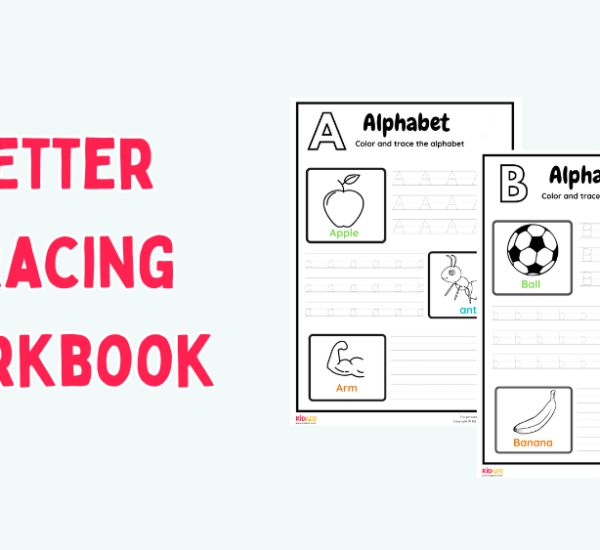
Introducing our Trace the Compound Words Worksheet for Kindergarten! This engaging activity helps young learners practice writing and recognizing compound words by tracing the second part of each word. Perfect for developing fine motor skills and enhancing vocabulary, this worksheet makes learning fun and interactive. Ideal for classroom or home use, it’s a great tool to support early literacy skills.
[Scroll Down for Download Link]
Contents
- Tracing Compound Word Worksheets Activity For Kindergarten
- Key Facts About Trace the Compound Words Worksheet
- Parts/Types/Examples of Trace the Compound Words Worksheet
- How Does the Trace the Compound Words Worksheet Work?
- Benefits of Learning About the Trace the Compound Words Worksheet for Kindergarten
- Learning Objectives
- Worksheet Instructions
- Interesting Facts About Compound Words Vocabulary Words
- Real-Life Applications
- FAQs
- Q1. What are compound words?
- Q2. Why should kindergarteners learn compound words?
- Q3. How does tracing help children learn compound words?
- Q4. What skills does this worksheet develop?
- Q5. Can this worksheet be used at home?
- Q6. Are pictures important in compound word worksheets?
- Q7. What age group is this worksheet designed for?
- Q8. How often should children practice compound words?
Tracing Compound Word Worksheets Activity For Kindergarten
Read More: Compound Words: Learn to Read (Book)


Key Facts About Trace the Compound Words Worksheet
The Trace the Compound Words Worksheet for Kindergarten is a fun early literacy resource designed to help young learners recognize, trace, read, and understand compound words. Compound words are formed by combining two smaller words to create a new meaning, such as “sunflower” (sun + flower) or “rainbow” (rain + bow). This worksheet strengthens handwriting, vocabulary development, phonics awareness, and reading readiness through engaging tracing activities.
Key Features:
- Suitable for kindergarten and early elementary learners.
- Introduces common compound words through tracing exercises.
- Improves pencil control and handwriting skills.
- Builds vocabulary and word recognition.
- Supports early reading and language development.
- Encourages independent learning and confidence.
Parts/Types/Examples of Trace the Compound Words Worksheet
The worksheet may include different sections that help children learn compound words effectively.
Parts of the Worksheet:
- Word tracing activities
- Picture-word matching
- Compound word identification
- Reading practice exercises
- Coloring and writing tasks
Types of Compound Words Featured:
- Closed compound words: notebook, sunflower, playground
- Open compound words: ice cream, post office
- Hyphenated compound words: mother-in-law, merry-go-round
Examples of Compound Words:
- Toothbrush
- Butterfly
- Rainbow
- Snowman
- Cupcake
- Football
- Bedroom
- Airplane
How Does the Trace the Compound Words Worksheet Work?
This worksheet introduces compound words through guided tracing activities. Children first observe the word, then trace the dotted letters, helping them become familiar with letter formation and word structure. Many worksheets include visual illustrations that connect words to their meanings, making learning easier and more engaging.
The tracing process reinforces spelling patterns, phonemic awareness, and vocabulary retention. Repeated exposure helps young learners recognize compound words quickly while improving handwriting fluency and reading confidence.
Benefits of Learning About the Trace the Compound Words Worksheet for Kindergarten
Learning compound words through tracing activities offers several educational advantages.
Benefits Include:
- Strengthens handwriting and fine motor skills.
- Expands vocabulary and language comprehension.
- Improves word recognition and reading fluency.
- Enhances spelling accuracy.
- Develops phonics and decoding skills.
- Encourages independent learning habits.
- Builds confidence in early literacy development.
- Supports kindergarten language standards.
Learning Objectives
By completing this worksheet, children will be able to:
- Identify common compound words.
- Trace words accurately and neatly.
- Understand how two words combine to form a new word.
- Improve letter formation and handwriting skills.
- Expand vocabulary knowledge.
- Develop reading readiness skills.
- Strengthen phonics and word-building abilities.
- Connect words with pictures and meanings.
Worksheet Instructions
- Look carefully at the compound word shown on the worksheet.
- Say the word aloud and identify the two smaller words that form it.
- Trace the dotted letters using a pencil.
- Repeat tracing until the word becomes easy to write.
- Observe the accompanying picture for better understanding.
- Read the completed word independently.
- Practice writing the word without tracing if space is provided.
- Review all words after finishing the worksheet.
Interesting Facts About Compound Words Vocabulary Words
- Compound words are made by joining two separate words.
- English contains thousands of compound words used every day.
- Some compound words create completely new meanings.
- Compound words help children understand word formation patterns.
- Many compound words describe familiar objects and places.
- Learning compound words improves reading comprehension.
- Children often encounter compound words in storybooks and conversations.
- Compound words make language more descriptive and expressive.
Real-Life Applications
Compound words are commonly used in everyday communication and reading materials.
Examples in Daily Life:
- Reading signs such as “playground” and “classroom.”
- Identifying objects like “toothbrush” and “backpack.”
- Understanding storybooks and educational texts.
- Following classroom instructions.
- Expanding speaking and writing vocabulary.
- Recognizing words used in games, labels, and advertisements.
Mastering compound words helps children become stronger readers and more effective communicators both inside and outside the classroom.
FAQs
Q1. What are compound words?
Answer: Compound words are words formed by combining two smaller words to create a new word with its own meaning, such as “sunflower” or “football.”
Q2. Why should kindergarteners learn compound words?
Answer: Learning compound words helps children build vocabulary, improve reading skills, and understand how words are formed.
Q3. How does tracing help children learn compound words?
Answer: Tracing improves handwriting, letter recognition, spelling awareness, and memory retention through repeated practice.
Q4. What skills does this worksheet develop?
Answer: The worksheet develops handwriting, vocabulary, phonics, reading readiness, spelling, and fine motor skills.
Q5. Can this worksheet be used at home?
Answer: Yes. Parents can use it as a fun educational activity to reinforce literacy skills outside the classroom.
Q6. Are pictures important in compound word worksheets?
Answer: Yes. Pictures help children connect words with meanings, improving comprehension and engagement.
Q7. What age group is this worksheet designed for?
Answer: It is primarily designed for kindergarten learners, typically ages 4–6, but can also benefit preschool and Grade 1 students needing additional practice.
Q8. How often should children practice compound words?
Answer: Regular practice, even 10–15 minutes a few times per week, can significantly improve vocabulary and word recognition skills.
 Trace the Compound Words Worksheets help kindergarten children practice handwriting while learning simple compound words. These engaging activities improve letter formation, vocabulary, reading readiness, fine motor skills, and confidence in writing. Visit our website to explore worksheets, essays, paragraphs, flashcards, quizzes, and interactive resources, and engaging interactive learning materials. Follow us on YouTube & Facebook.
The worksheet is prepared by the Content Team to enhance educational learning.
Reviewed By Srijony Das
Read More: