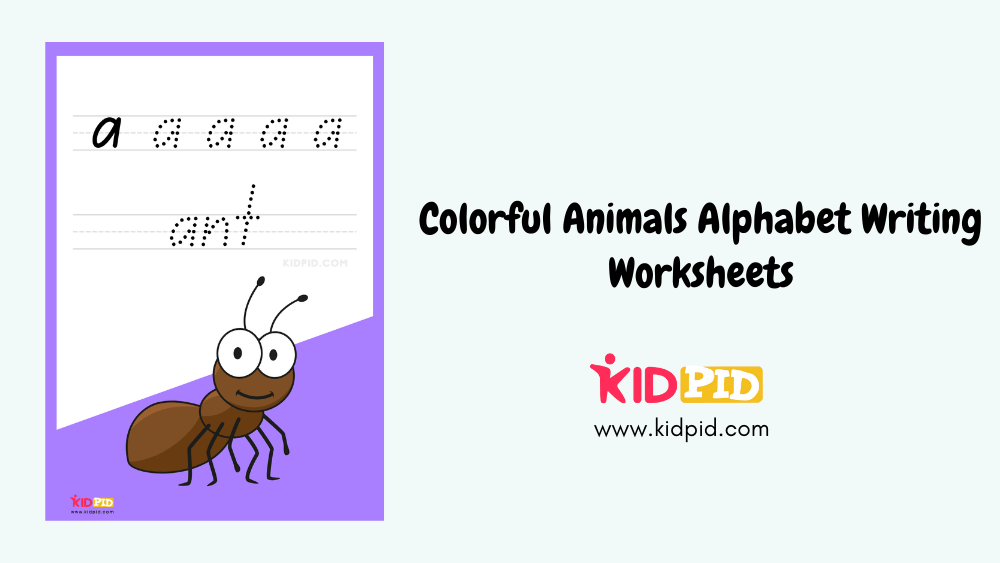
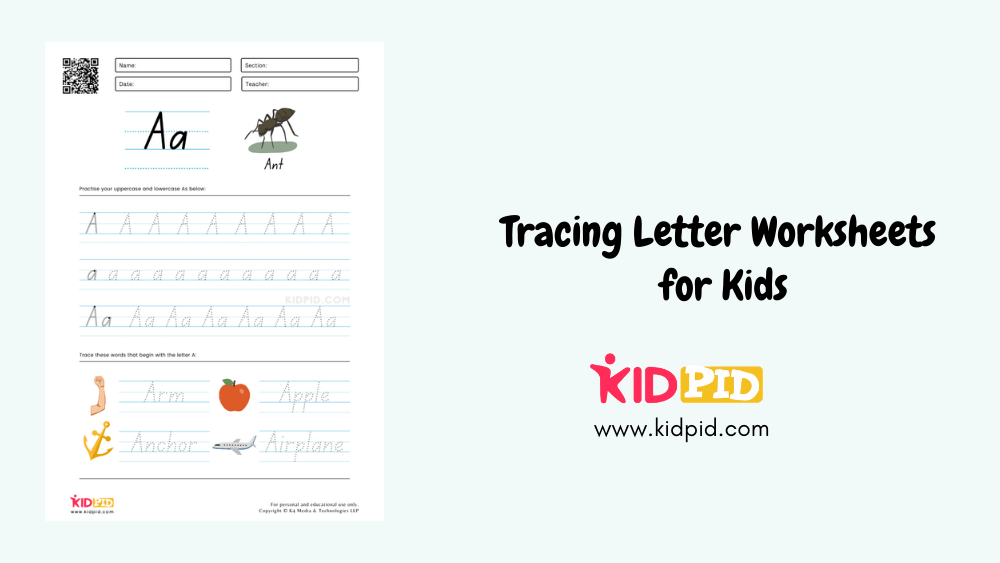
Since learning the alphabet is one of the first things children do when they begin their educational journey, we bring to you a set of alphabet worksheets. There are 26 pages, and each page contains one letter of the alphabet. The printable worksheet allows children to practice writing the alphabet and some words that start with the letters. Just take a printout of this worksheet and give it to your kid to get started.
Contents
- Letter Tracing Practice Worksheets
- Key Facts About Tracing Letter Worksheets for Kids
- Parts/Types/Examples of Tracing Letter Worksheets for Kids
- How Does Tracing Letter Worksheets for Kids Work?
- Benefits of Learning About Tracing Letter Worksheets for Kids
- Learning Objectives
- Worksheet Instructions
- Interesting Facts About Tracing Letter Worksheets for Kids
- Vocabulary Words
- Real-Life Applications
- FAQs
- Q1. At what age is best for tracing letter worksheets?
- Q2. Why are tracing worksheets important?
- Q3. Should children trace uppercase or lowercase letters first?
- Q4. How often should kids practice letter tracing?
- Q5. Can tracing worksheets improve reading skills?
- Q6. What materials are needed for tracing activities?
- Q7. Are tracing worksheets suitable for homeschooling?
- Q8. When should children stop tracing and start writing independently?
- You may like these:
- Tracing Simple Words – Items Corresponding to Each Letter of the Alphabet (A-Z)
- Alphabet Tracing Worksheet Designed for Kindergarten Students
- Printable Letter Tracing Worksheets for Preschool Children
- Lowercase Letter Tracing Worksheet for Preschoolers
- Cookie-Themed Alphabet Coloring Worksheets for Young Learners
Letter Tracing Practice Worksheets

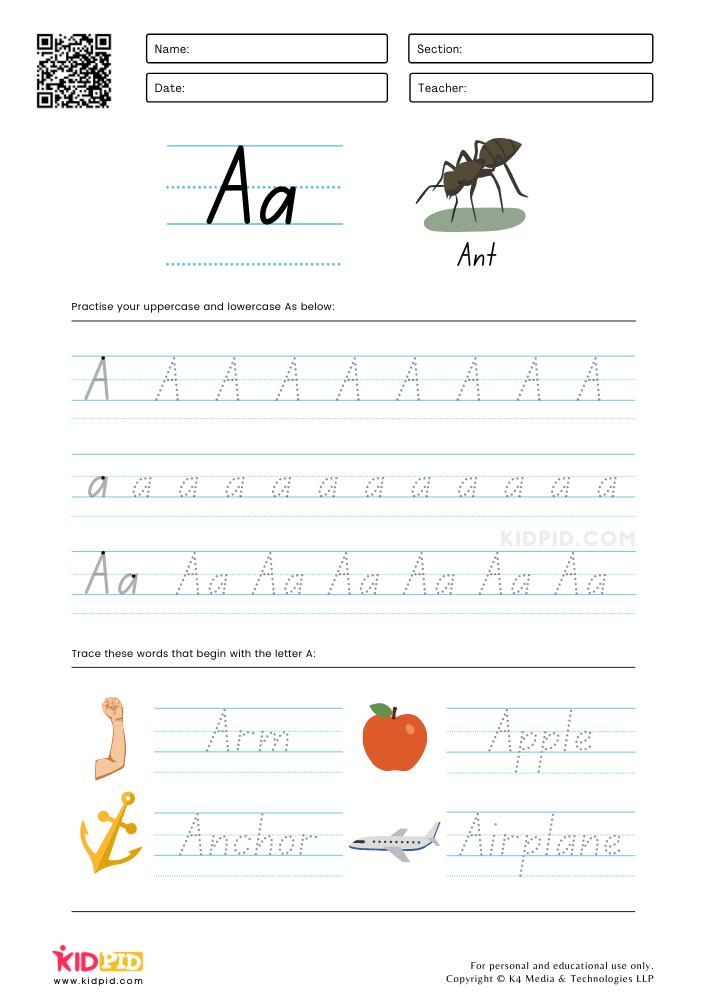
The letter ‘A’ is the first of the 26 letters in the English Language. Some words that start with “A” are –
- Ant
- Arm
- Apple
- Anchor
- Airplane
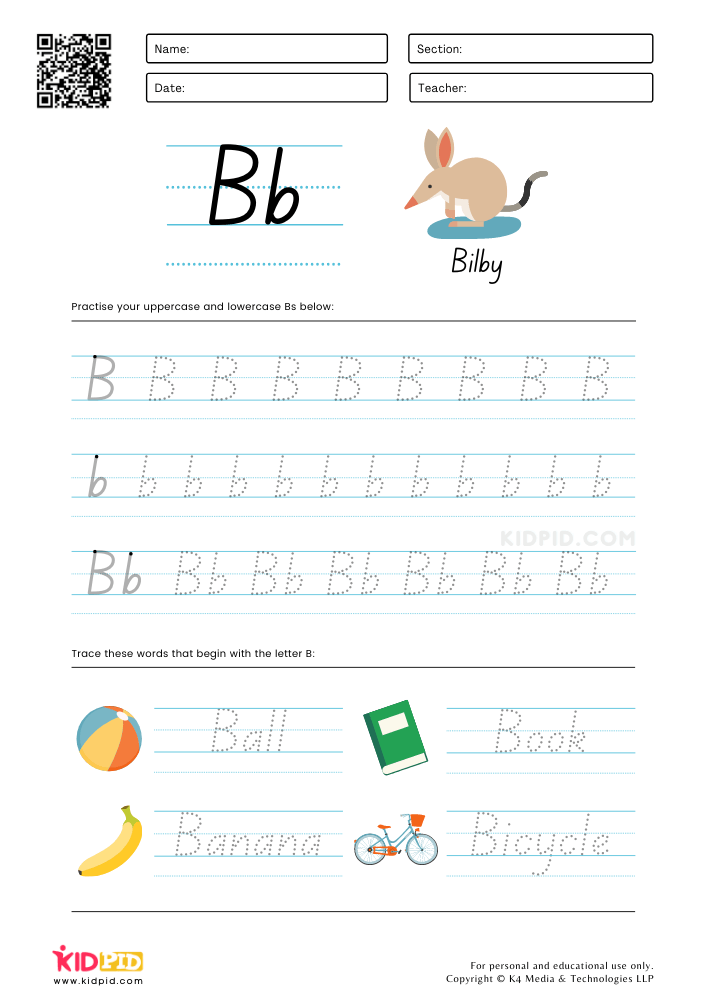
‘B’ is the second alphabet in the English Language. Some words that start with “B” are –
- Bilby
- Ball
- Book
- Banana
- Bicycle
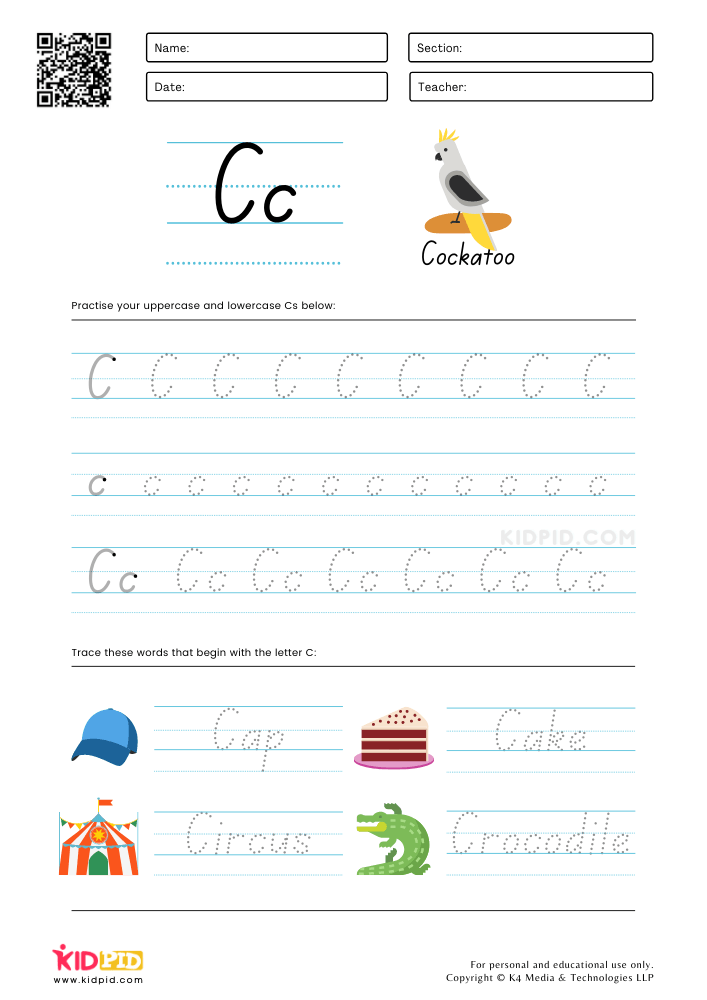
The letter ‘C’ is the third letter of the 26 letters in the English Language. Some words that start with “C” are –
- Cockatoo
- Cap
- Cake
- Circus
- Crocodile
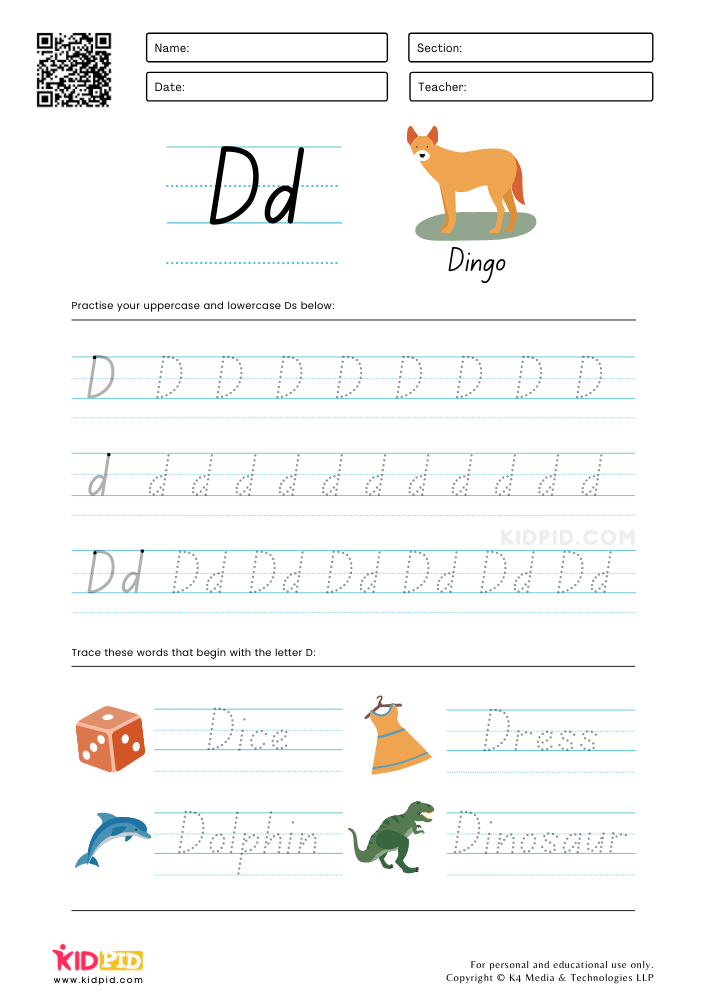
The letter ‘D ‘ is the fourth letter in the English alphabet. Some words that start with “D” are –
- Dingo
- Dice
- Dress
- Dolphin
- Dinosaur
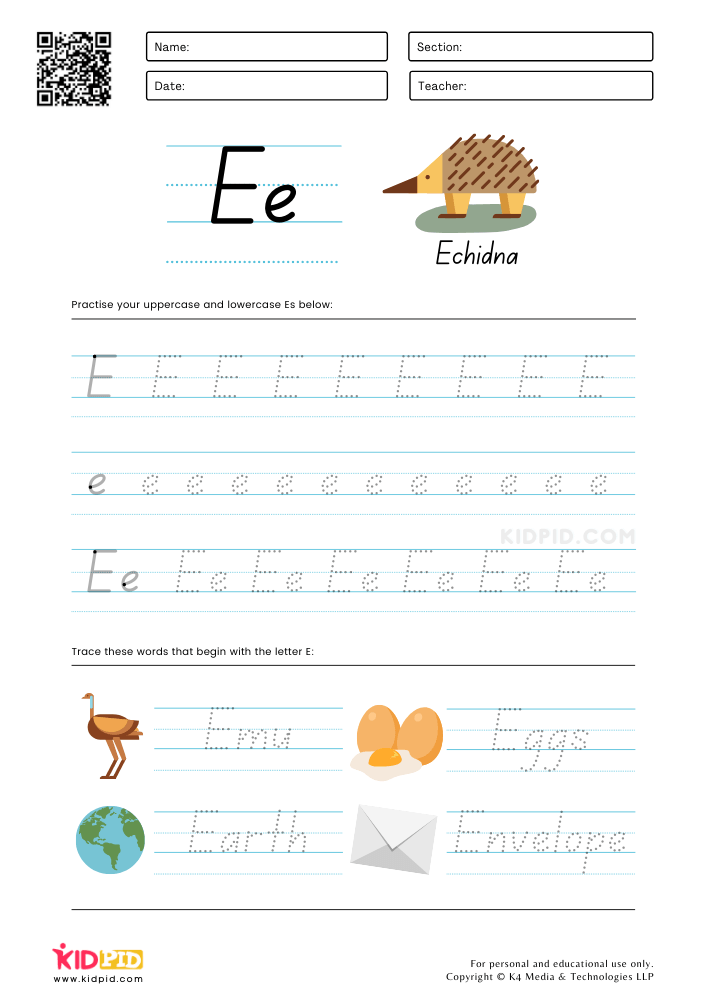
The letter ‘ E’ is the fifth letter in the English Language. Some words that start with “E” are –
- Echidna
- Emu
- Eggs
- Earth
- Envelope
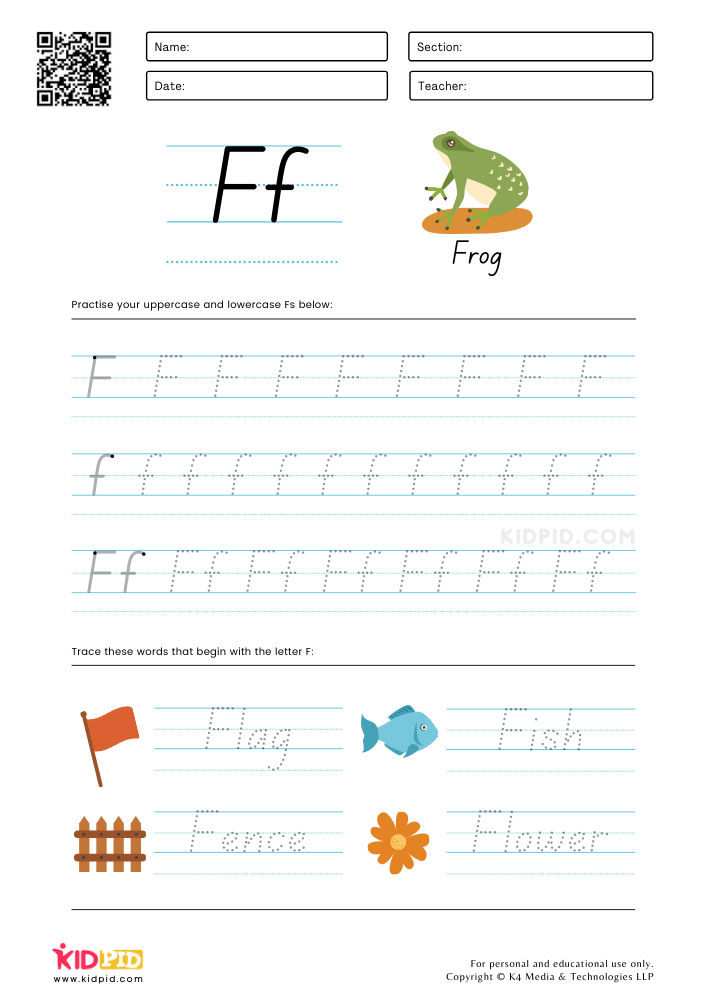
The letter ‘F ‘ is the sixth letter of the alphabet in the English Language. Some words that start with “F” are –
- Frog
- Flag
- Fish
- Fence
- Flower
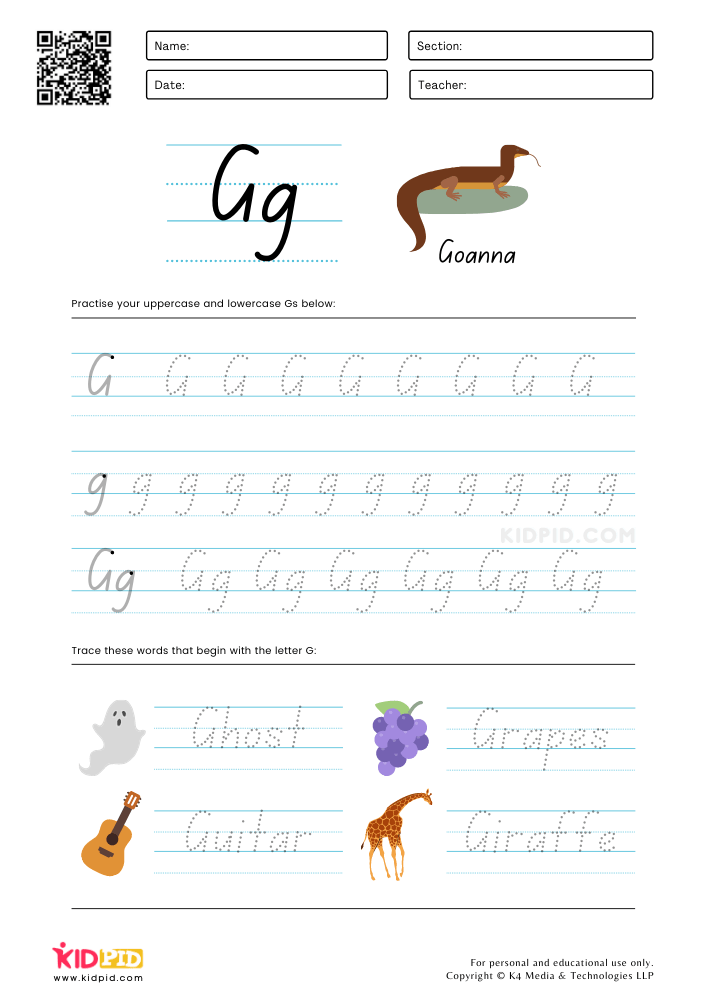
The letter ‘G ‘ is the seventh letter of the alphabet in the English Language. Some words that start with “G” are –
- Goanna
- Ghost
- Grapes
- Guitar
- Giraffe
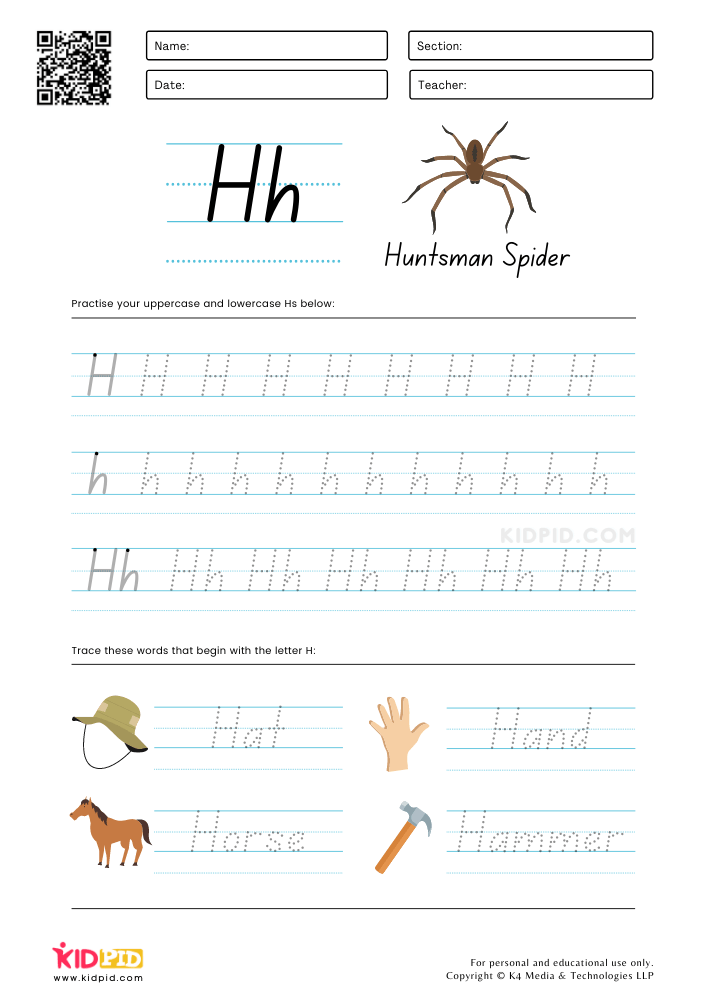
The letter ‘H ‘ is the eighth letter in the English Language. Some words that start with “H” are –
- Huntsman Spider
- Hat
- Hand
- Horse
- Hammer
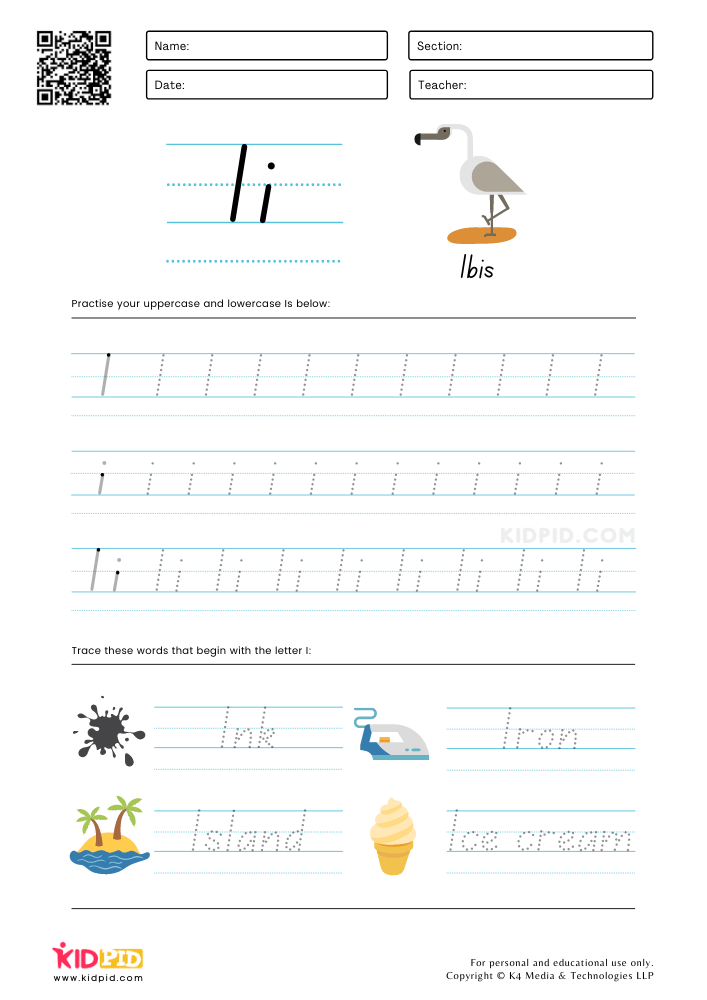
The letter ‘ I’ is the ninth letter of the alphabet in the English Language. Some words that start with “I” are –
- Ibis
- Iron
- Ink
- Island
- Ice-cream
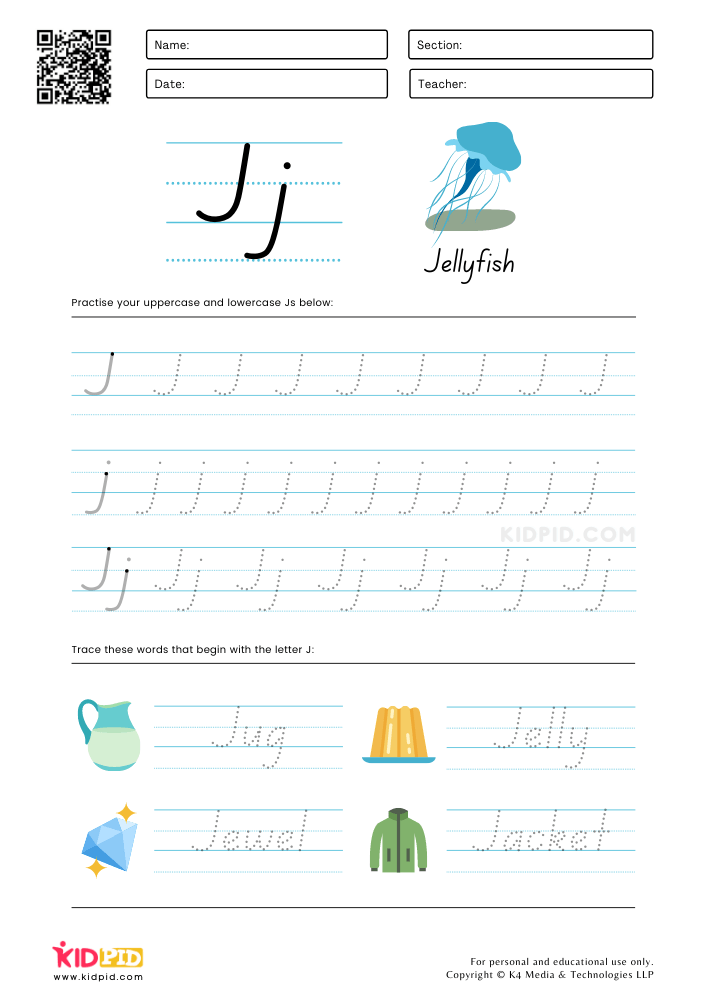
The letter ‘ J’ is the tenth letter of the alphabet in the English Language. Some words that start with “J” are –
- Jellyfish
- Jug
- Jelly
- Jewel
- Jacket
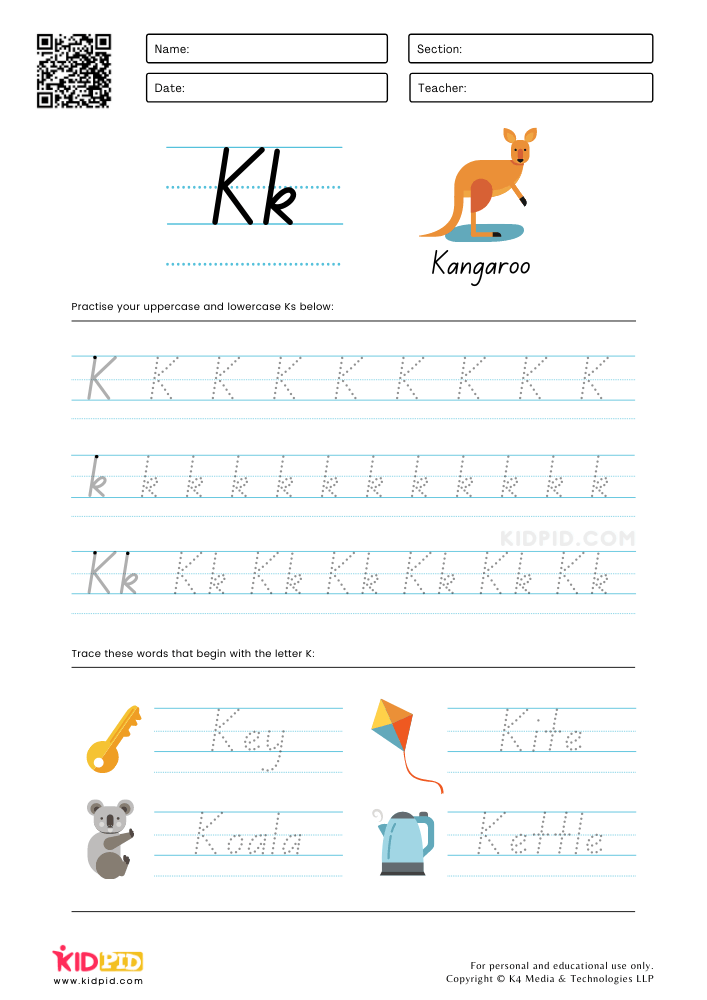
Some words that start with “K” are –
- Kangaroo
- Key
- Kite
- Koala
- Kettle
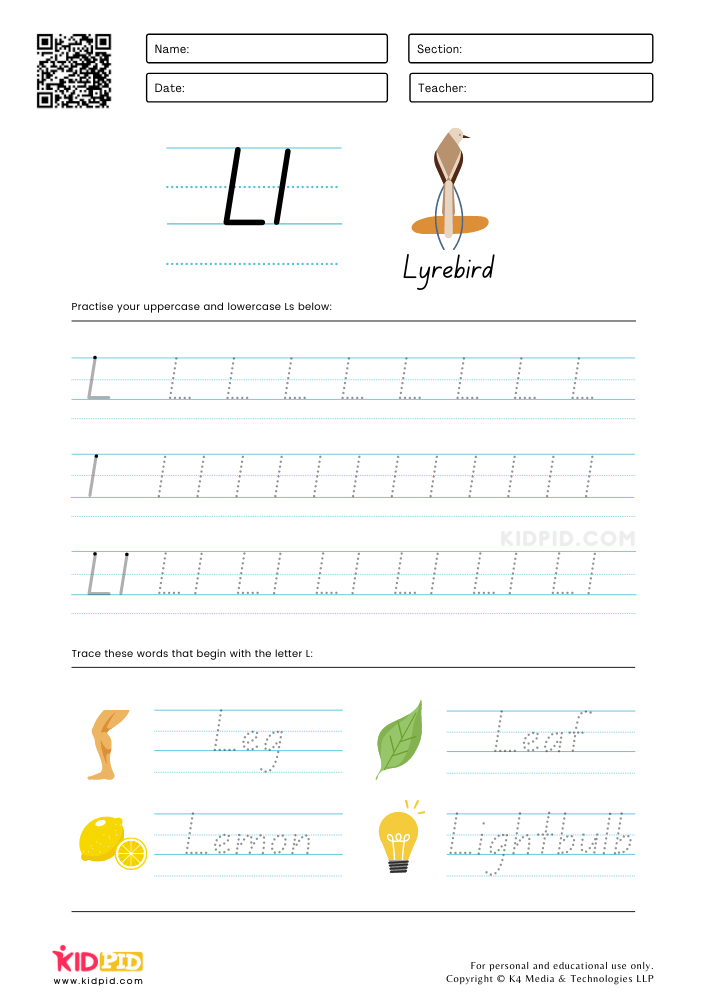
Some words that start with “L” are –
- Lyrebird
- Leg
- Leaf
- Lemon
- Lightbulb
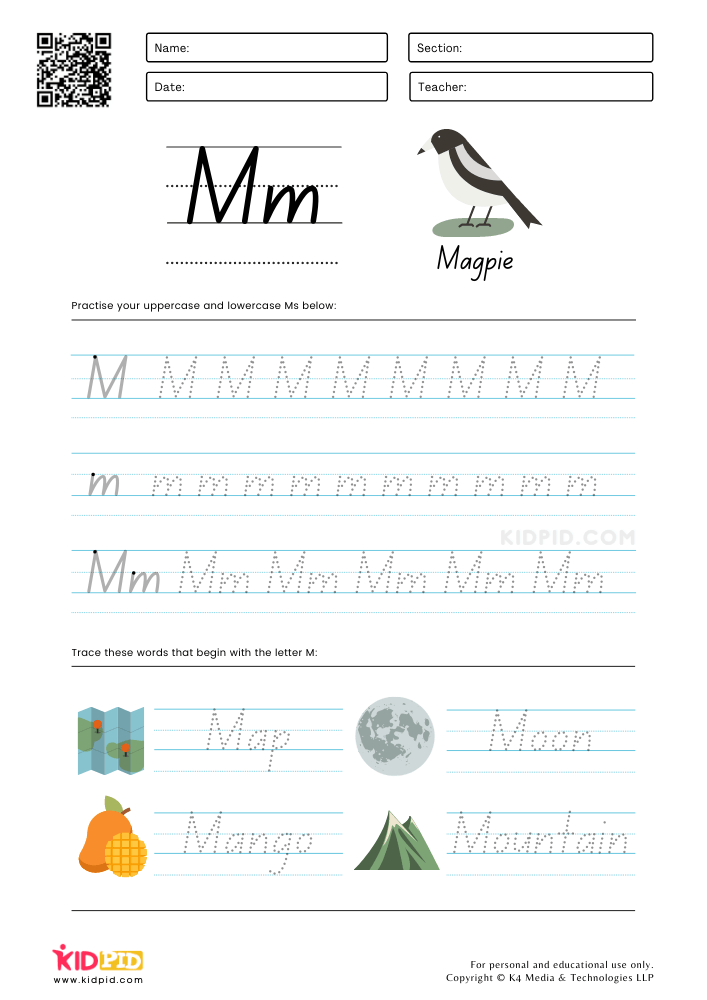
Some words that start with “M” are –
- Magpie
- Map
- Moon
- Mango
- Mountain
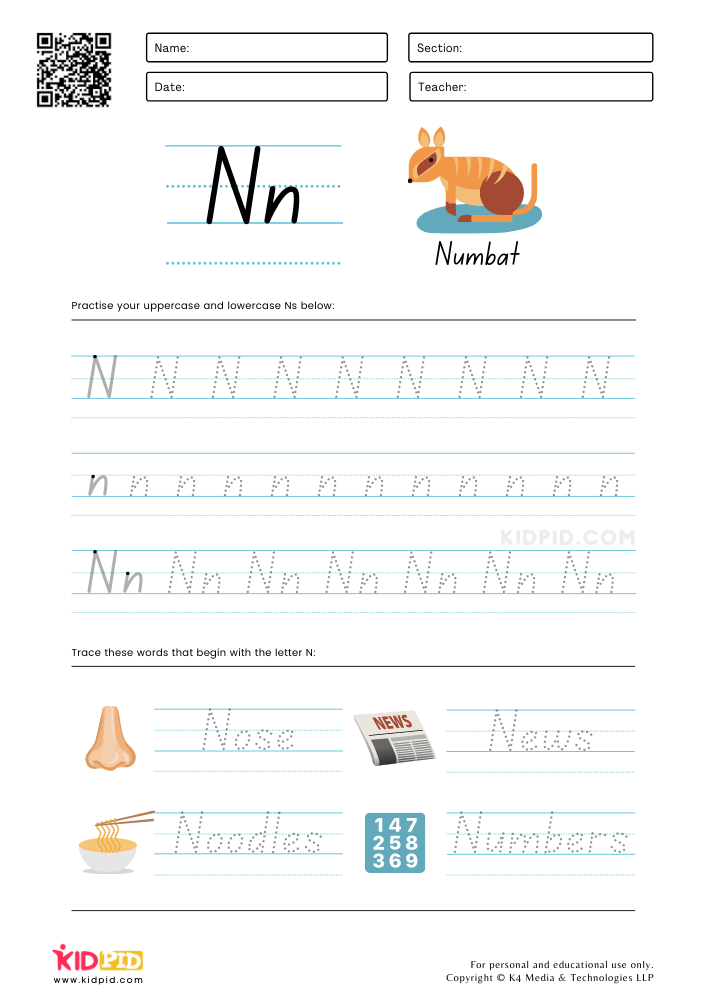
Some words that start with “N” are –
- Numbat
- Nose
- News
- Noodles
- Numbers
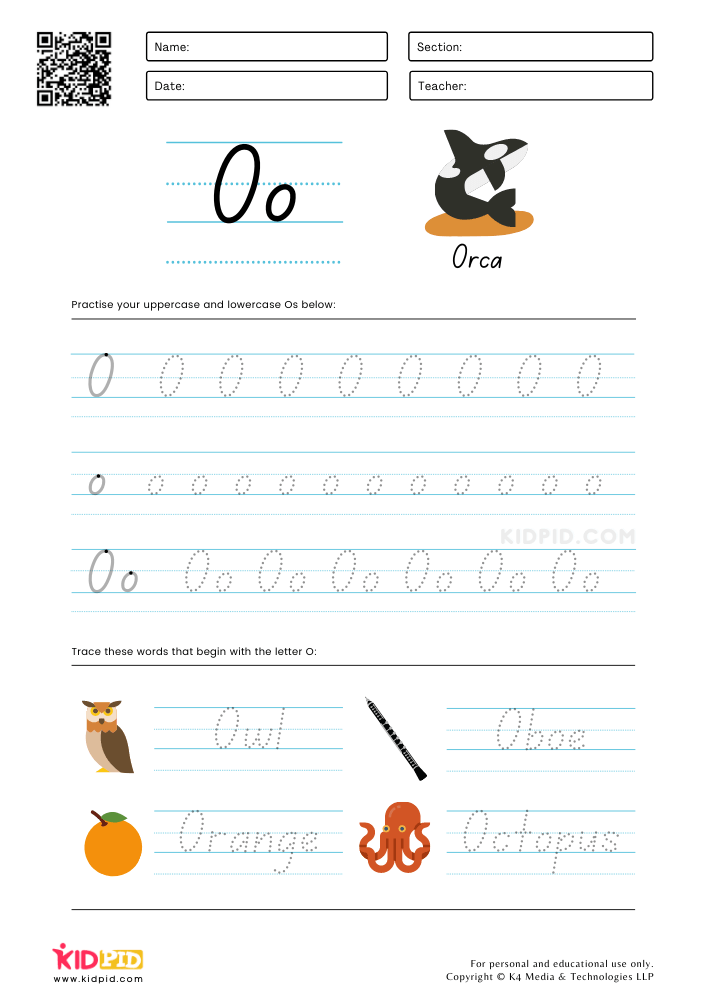
Some words that start with the letter “O” are –
- Orca
- Owl
- Oboe
- Orange
- Octopus
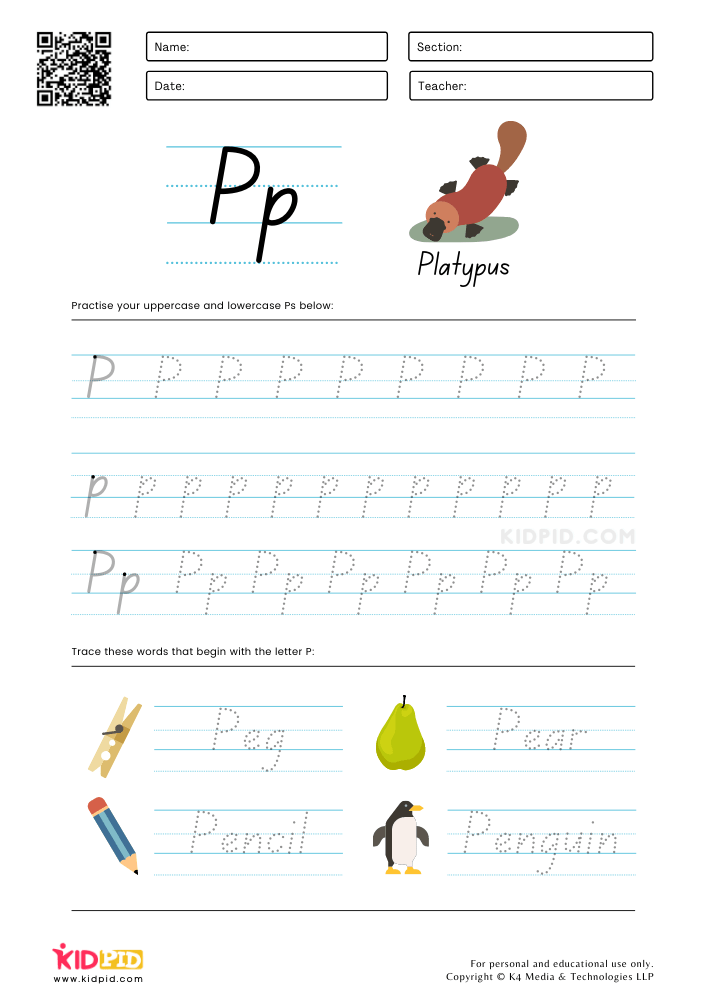
Some words that start with “P” are –
- Platypus
- Peg
- Pear
- Pencil
- Penguin
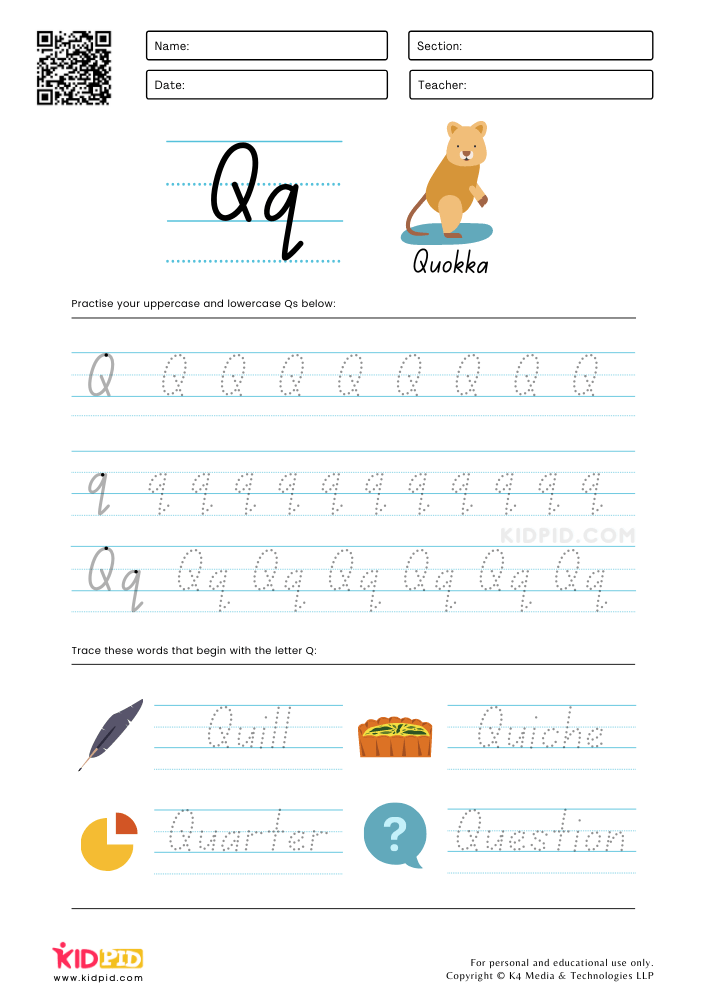
Some words that start with “Q” are –
- Quokka
- Quill
- Quarter
- Quiche
- Question
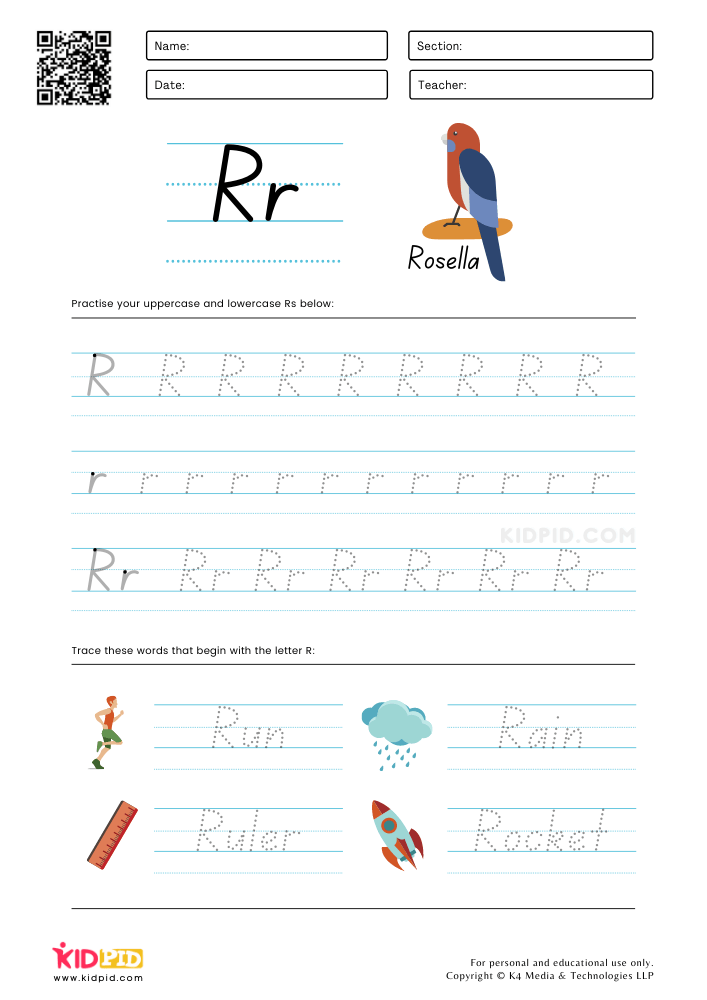
Some words that start with “R” are –
- Rosella
- Run
- Rain
- Rocket
- Ruler
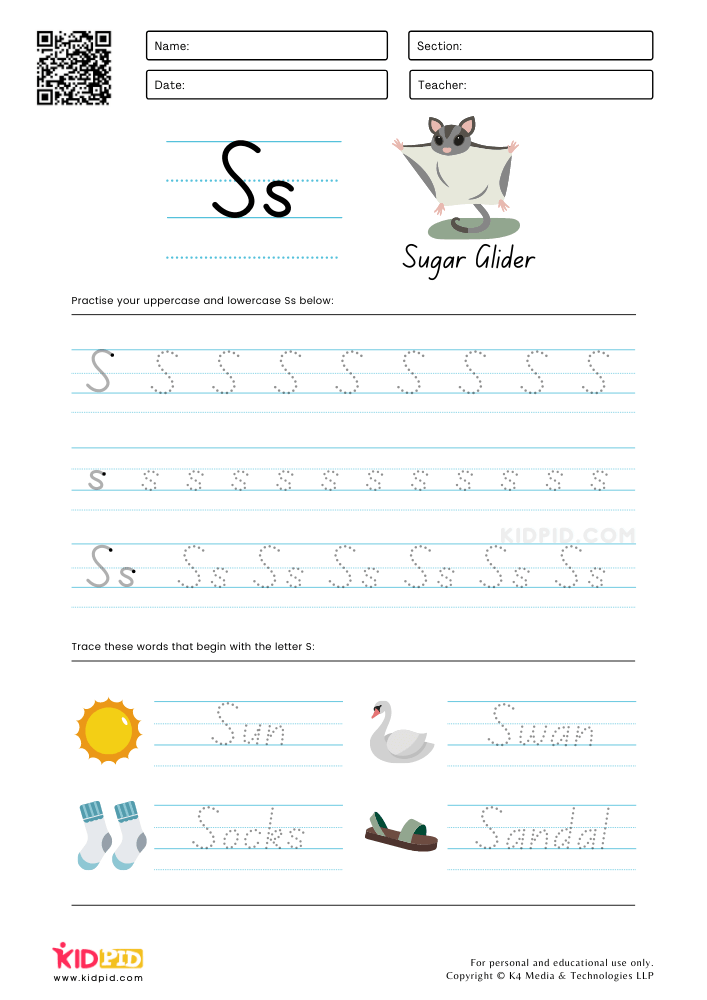
Some words that start with “S” are –
- Sugar Glider
- Sun
- Swan
- Socks
- Sandal
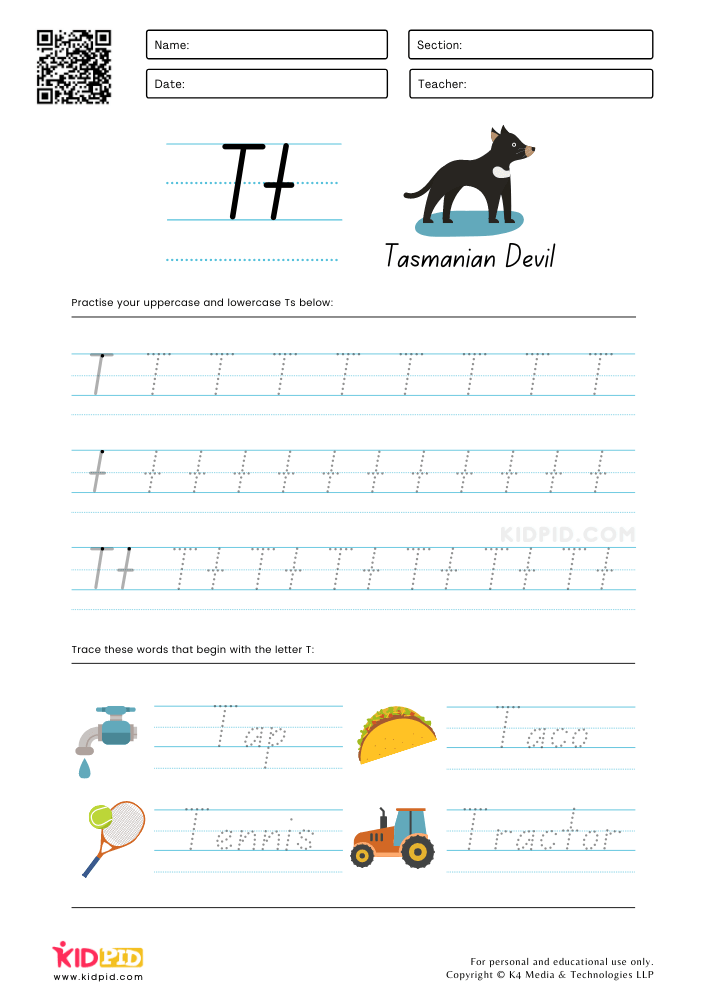
Some words that start with “T” are –
- Tasmanian Devil
- Tap
- Taco
- Tractor
- Tennis
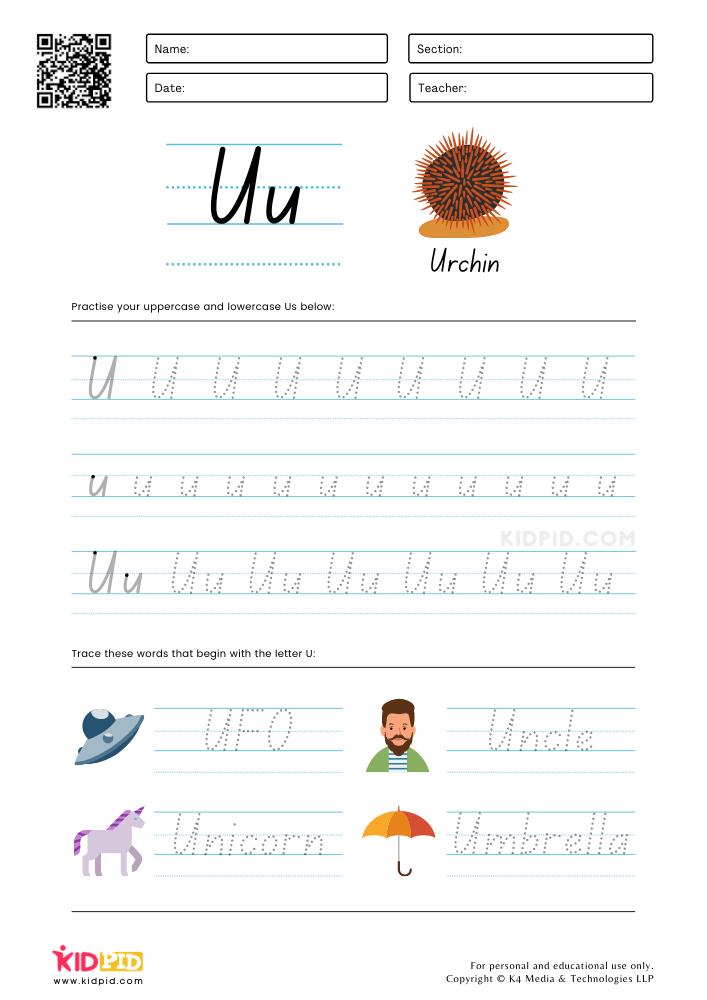
Some words that start with “U” are –
- Urchin
- UFO
- Uncle
- Unicorn
- Umbrella
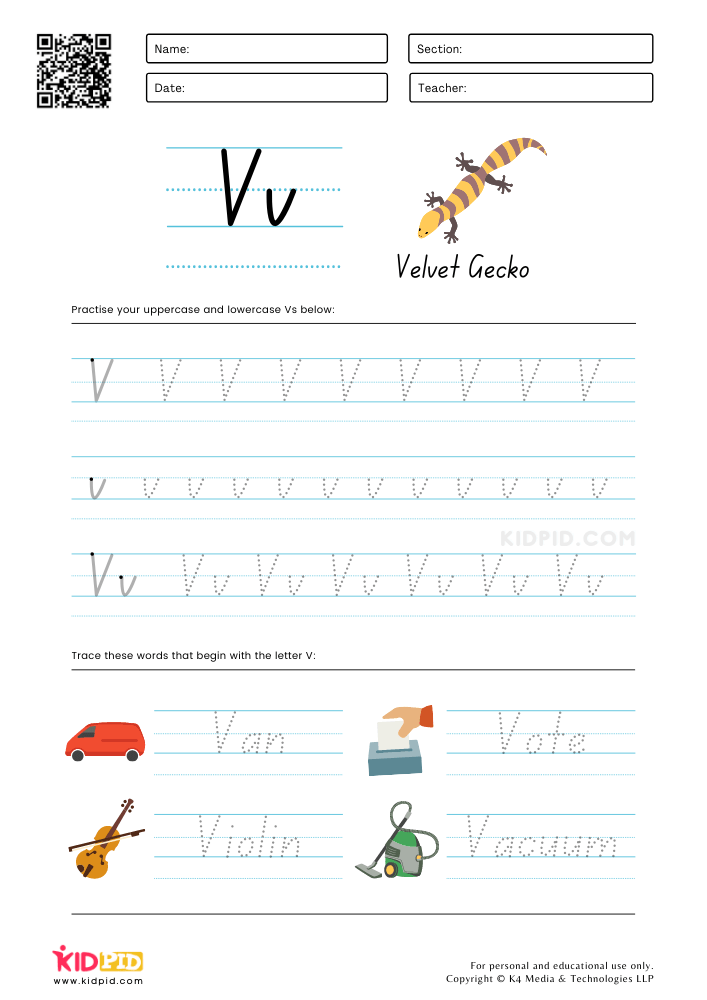
Some words that start with “V” are –
- Velvet Gecko
- Van
- Vote
- Violin
- Vacuum
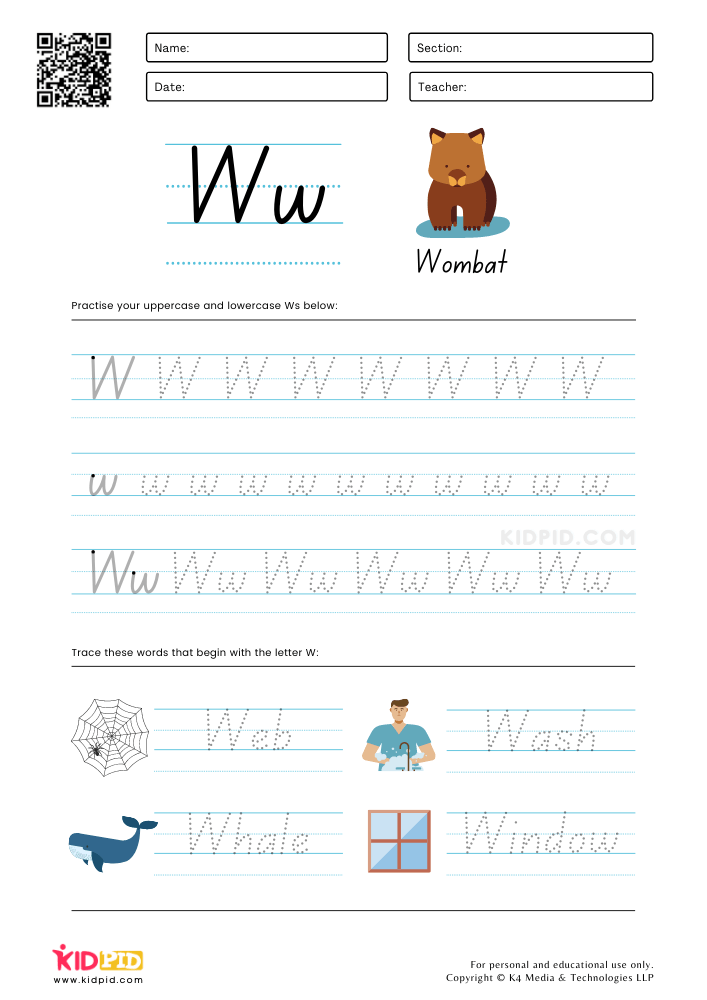
Some words that start with “W” are –
- Wombat
- Web
- Wash
- Whale
- Window
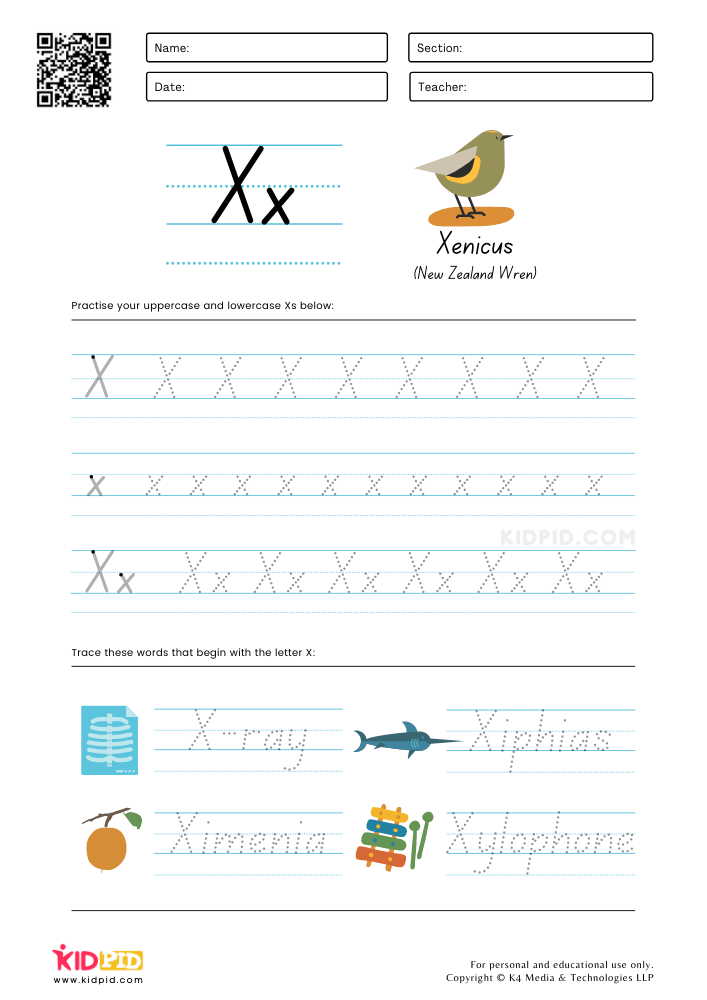
Some words that start with “X” are –
- Xenicus
- X-Ray
- Xiphias
- Ximenia
- Xylophone
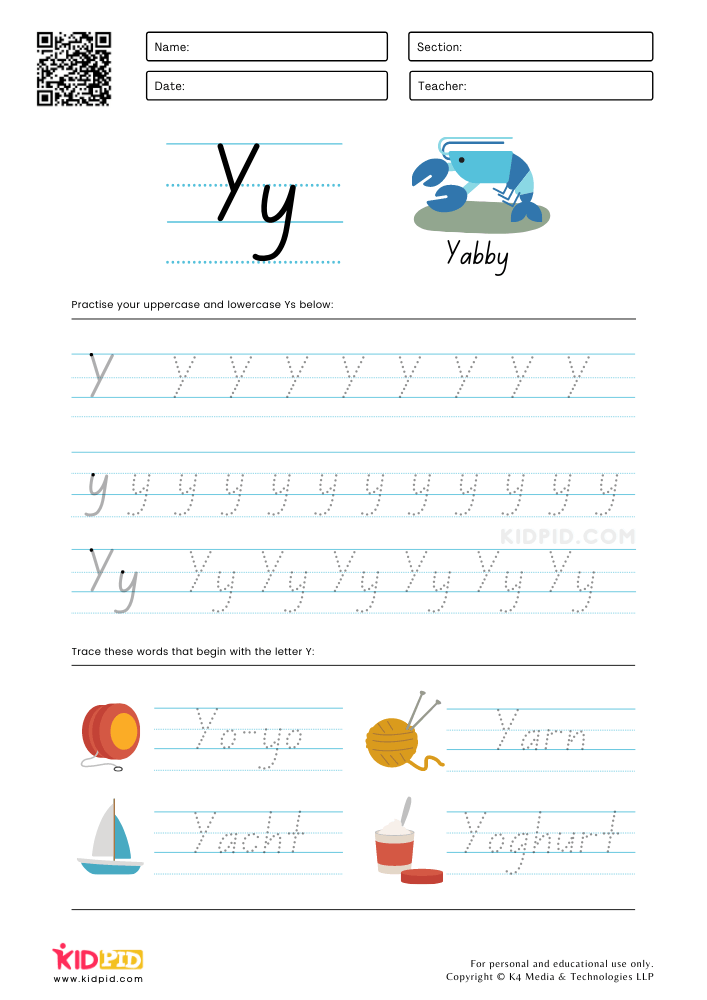
Some words that start with “Y” are –
- Yabby
- Yo-yo
- Yarn
- Yacht
- Yogurt
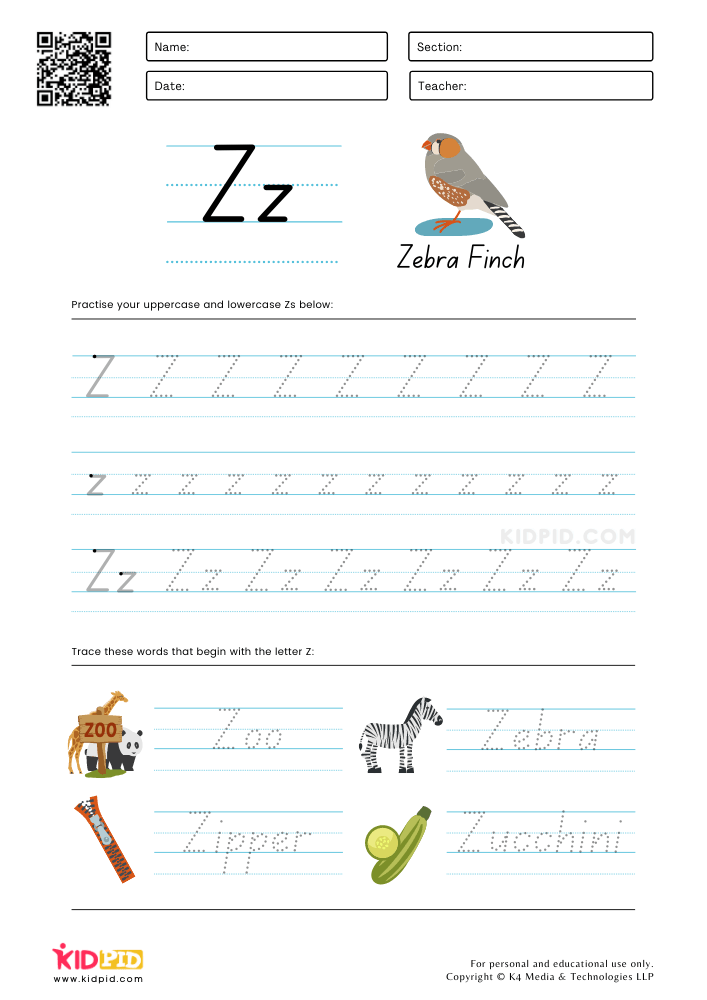
The letter ‘ Z ‘ is the twenty-sixth letter of the alphabet in the English Language. Some words that start with “Z” are –
- Zebra Finch
- Zoo
- Zebra
- Zipper
- Zucchini
Key Facts About Tracing Letter Worksheets for Kids
- Tracing letter worksheets help children learn how to write uppercase and lowercase letters correctly.
- These worksheets improve fine motor skills, pencil control, and hand-eye coordination.
- Letter tracing is often one of the first steps in early literacy development.
- Children typically begin tracing letters between the ages of 3 and 6 years.
- Repeated tracing activities help strengthen muscle memory for handwriting.
- Worksheets can include alphabet tracing, dotted-line letters, word tracing, and picture-based activities.
- They support preschool, kindergarten, homeschooling, and special education learning environments.
- Letter tracing activities prepare children for independent writing and reading success.
Parts/Types/Examples of Tracing Letter Worksheets for Kids
Parts of a Tracing Letter Worksheet
- Letter Guide: Shows the target letter to trace.
- Dotted Lines: Provide a path for children to follow.
- Directional Arrows: Indicate the correct stroke order.
- Practice Space: Allows children to write letters independently.
- Illustrations: Pictures connected to the letter sound (e.g., A for Apple).
Types of Tracing Letter Worksheets
- Uppercase Letter Tracing
- Lowercase Letter Tracing
- Alphabet A-Z Tracing
- Name Tracing Worksheets
- Sight Word Tracing
- Picture and Letter Matching Worksheets
- Cursive Letter Tracing Worksheets
Examples
- Trace the letter “A” and color an apple.
- Practice writing uppercase and lowercase “B.”
- Trace the word “Cat” after tracing the letter “C.”
- Connect pictures with the correct beginning letter.
How Does Tracing Letter Worksheets for Kids Work?
Tracing letter worksheets provide children with guided writing practice using dotted or outlined letters. Kids follow the lines with a pencil, crayon, or marker while learning proper letter formation. Repeated practice helps them recognize letter shapes, understand stroke patterns, and develop handwriting skills.
As children gain confidence, they move from tracing letters to copying them independently. Many worksheets also include pictures and words to strengthen phonics and letter-sound recognition. This multi-sensory approach supports both writing and reading readiness.
Benefits of Learning About Tracing Letter Worksheets for Kids
- Improves handwriting accuracy and neatness.
- Develops fine motor and finger-strength skills.
- Builds confidence in early writing activities.
- Enhances letter recognition and alphabet knowledge.
- Supports reading readiness and phonics development.
- Encourages concentration and attention to detail.
- Promotes independent learning habits.
- Provides a fun and engaging introduction to literacy.
Learning Objectives
By completing tracing letter worksheets, children will:
- Identify uppercase and lowercase letters.
- Practice correct letter formation and stroke order.
- Improve pencil grip and writing control.
- Strengthen hand-eye coordination.
- Build alphabet recognition skills.
- Develop early reading and phonics awareness.
- Gain confidence in writing independently.
- Prepare for kindergarten and elementary writing tasks.
Worksheet Instructions
- Look at the letter displayed on the worksheet.
- Follow the arrows to understand the correct writing direction.
- Trace the dotted letter carefully using a pencil or crayon.
- Repeat tracing each letter several times.
- Practice writing the letter in the blank spaces provided.
- Say the letter name and sound aloud while tracing.
- Complete any coloring or matching activities included.
- Review your work and celebrate your progress.
Interesting Facts About Tracing Letter Worksheets for Kids
- The English alphabet contains 26 letters that children learn through tracing activities.
- Handwriting practice activates multiple areas of the brain involved in learning.
- Tracing helps create muscle memory, making writing easier over time.
- Many early childhood educators use tracing before independent writing instruction.
- Letter tracing can improve both literacy and motor development simultaneously.
- Visual, tactile, and movement-based learning work together during tracing exercises.
- Children often learn letters faster when tracing is combined with phonics activities.
Vocabulary Words
| Word | Meaning |
|---|---|
| Alphabet | A set of letters used in a language |
| Trace | To follow a line or shape carefully |
| Letter | A symbol used in writing |
| Handwriting | Writing by hand with a pencil or pen |
| Uppercase | Capital letters such as A, B, C |
| Lowercase | Small letters such as a, b, c |
| Phonics | Learning letter sounds and sound patterns |
| Pencil Grip | The way a child holds a pencil |
| Stroke | A movement used to form a letter |
| Literacy | The ability to read and write |
Real-Life Applications
- Writing names on school assignments.
- Completing classroom worksheets and tests.
- Reading signs, labels, and books.
- Creating greeting cards and letters.
- Taking notes during lessons.
- Developing communication skills through writing.
- Building a strong foundation for future academic success.
- Using handwriting skills in everyday life and professional settings.
FAQs
Q1. At what age is best for tracing letter worksheets?
Answer: Most children begin tracing letters between ages 3 and 6, depending on their developmental readiness.
Q2. Why are tracing worksheets important?
Answer: They help children learn letter formation, improve handwriting, and develop fine motor skills needed for writing.
Q3. Should children trace uppercase or lowercase letters first?
Answer: Many educators introduce uppercase letters first because they are generally easier to form, followed by lowercase letters.
Q4. How often should kids practice letter tracing?
Answer: Short daily sessions of 10–15 minutes are usually effective for building handwriting skills without causing fatigue.
Q5. Can tracing worksheets improve reading skills?
Answer: Yes. Letter tracing strengthens letter recognition and phonics awareness, both of which support early reading development.
Q6. What materials are needed for tracing activities?
Answer: Children can use pencils, crayons, markers, or dry-erase markers with reusable worksheets.
Q7. Are tracing worksheets suitable for homeschooling?
Answer: Yes. They are widely used by parents, teachers, and homeschool educators as foundational literacy tools.
Q8. When should children stop tracing and start writing independently?
Answer: Once children can consistently form letters correctly, they can gradually transition from tracing to copying and independent writing practice.
Build early literacy skills with these Tracing Letter Worksheets designed for young learners. Children improve letter formation, hand coordination, and alphabet recognition through regular practice. These printable pages make handwriting development enjoyable while preparing preschoolers and kindergarteners for confident reading and writing. Browse our website for fun and educational paragraphs, essays, worksheets, flashcards, quizzes, and interactive resources. Follow us on YouTube & Facebook for more learning adventures.
The Content Team developed this worksheet to encourage student success.
Reviewed By Sanjana
You may like these:
Tracing Simple Words – Items Corresponding to Each Letter of the Alphabet (A-Z)
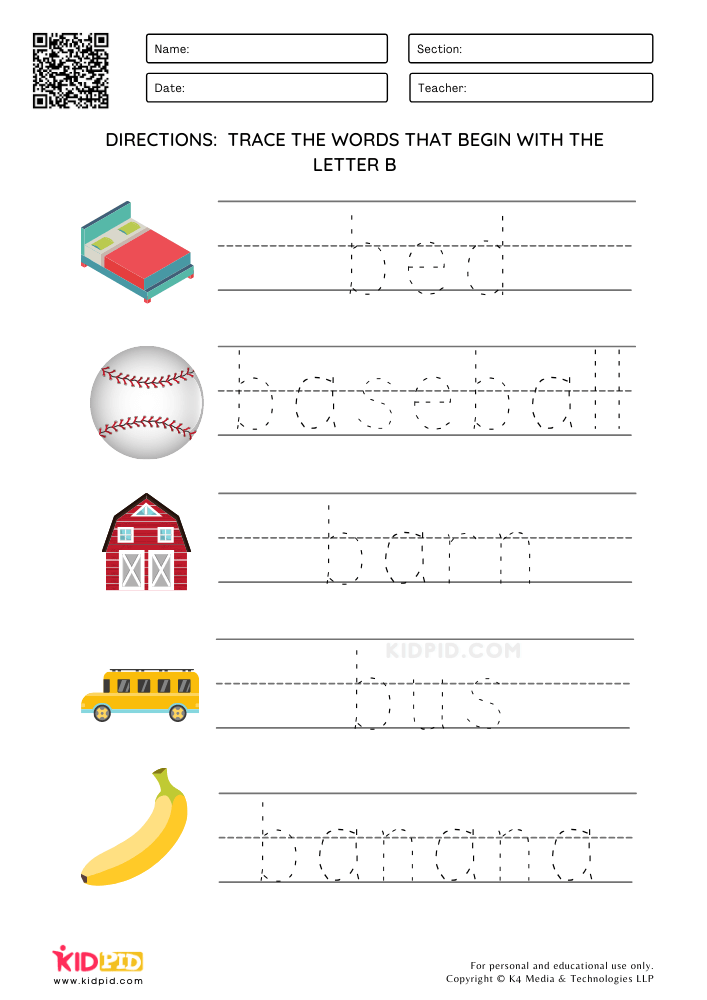
Children trace basic words associated with each letter, enhancing vocabulary, letter recognition, and handwriting skills through engaging and educational practice.
Alphabet Tracing Worksheet Designed for Kindergarten Students

Kindergarteners practice tracing uppercase and lowercase letters, improving fine motor skills and letter familiarity with structured, age-appropriate exercises.
Printable Letter Tracing Worksheets for Preschool Children
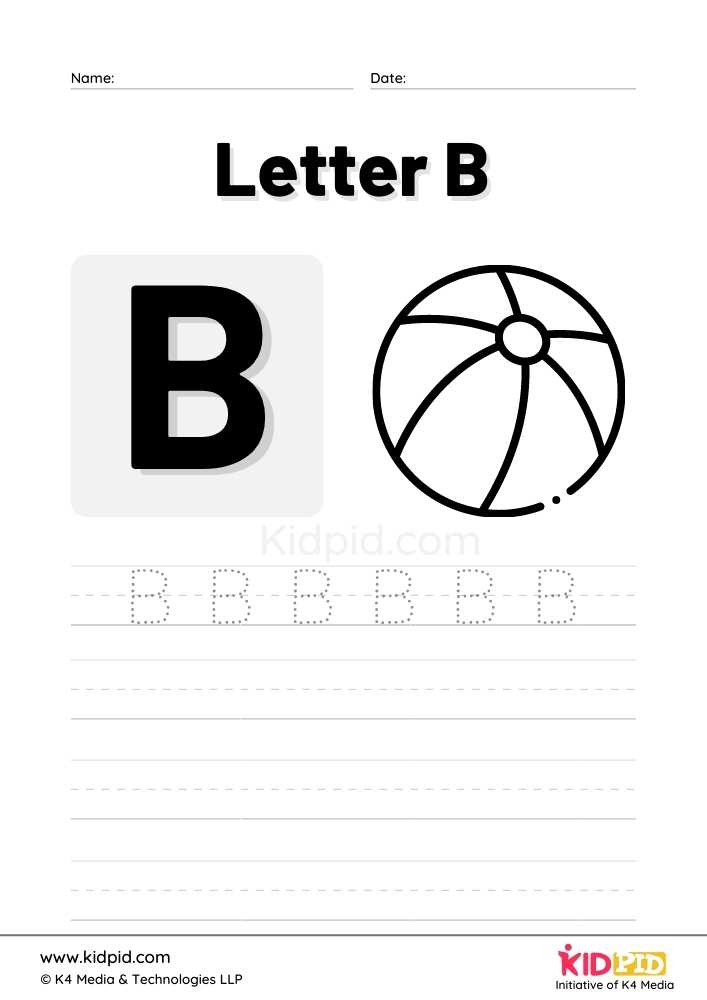
Preschoolers develop handwriting skills by tracing letters on printable sheets, offering a convenient and interactive way to master the alphabet.
Lowercase Letter Tracing Worksheet for Preschoolers

Focused on lowercase letters, these worksheets help preschoolers refine letter formation and recognition, building a strong foundation for early writing skills.
Cookie-Themed Alphabet Coloring Worksheets for Young Learners
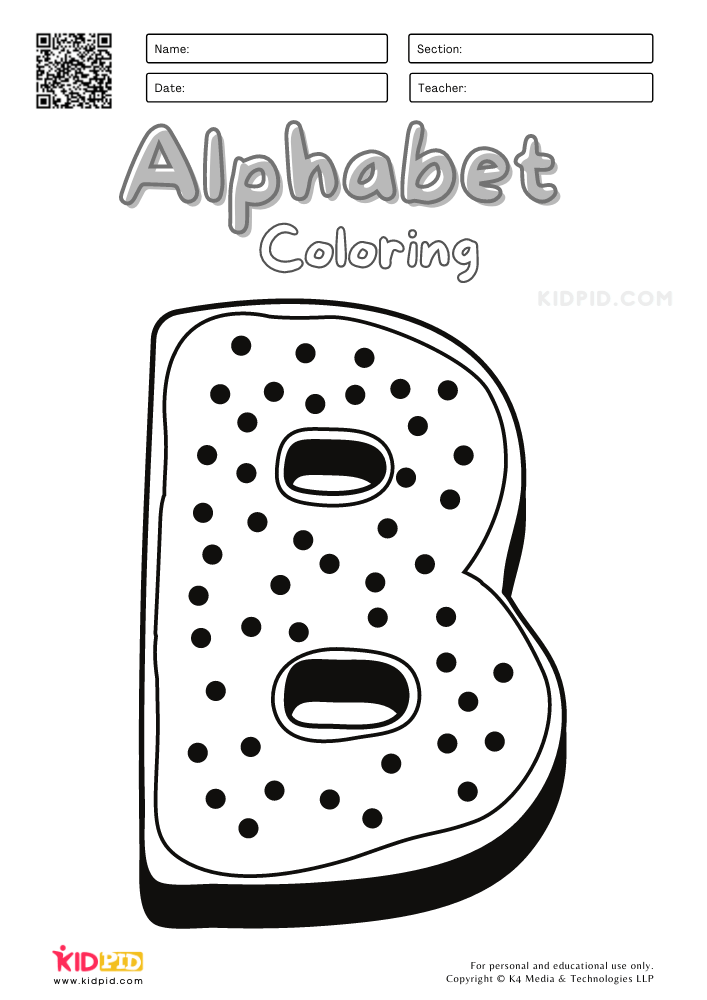
Young learners color cookie-shaped letters, combining creativity with alphabet learning in a fun, themed activity that makes letter practice enjoyable.