


This fun, colorful worksheet helps young children learn to match the letters of the alphabet with the names of different fruits. Kids will enjoy the visual pairing activity, building their letter recognition and vocabulary skills engagingly. The simple, interactive format makes it a great learning tool for preschoolers just starting to explore the alphabet.
[Scroll Down for Download Link]
Contents
- Matching Alphabet Fruit Worksheet For Preschoolers
- Key Facts About the Alphabet Fruit Matching Worksheet
- Parts and Types of Alphabet Fruit Matching Worksheets
- How Does the Alphabet Fruit Matching Worksheet Work?
- Benefits of Learning About the Alphabet with Fruits
- Learning Objectives
- Worksheet Instructions
- Vocabulary Words
- Real-Life Applications
- FAQs
- You may like these:
Matching Alphabet Fruit Worksheet For Preschoolers
Read More: Fruit Alphabet Book for Kids
A To D – Matching Alphabet Fruit Worksheet

E To H – Matching Alphabet Fruit Worksheet

I To L – Matching Alphabet Fruit Worksheet

M To P – Matching Alphabet Fruit Worksheet

Q To T – Matching Alphabet Fruit Worksheet

U To X – Matching Alphabet Fruit Worksheet

Y To Z – Matching Alphabet Fruit Worksheet

Key Facts About the Alphabet Fruit Matching Worksheet
Early childhood education relies heavily on multi-sensory and thematic learning. This printable resource bridges the gap between abstract letter shapes and concrete, real-world objects that children recognize from their daily lives.
- Target Age Group: Best suited for preschoolers, Pre-K students, and early kindergarteners (ages 3 to 5).
- Format: Multi-page, high-quality PDF printables broken down into manageable letter chunks (e.g., A to D, E to H) to avoid cognitive overload.
- Core Skill Focus: Dual-focus layout that targets both literacy (letter recognition) and cognitive categorization (identifying fruits).
- Visual Design: Highly colorful, clean illustrations designed to hold a 3-year-old’s limited attention span without unnecessary background clutter.
Parts and Types of Alphabet Fruit Matching Worksheets
To ensure a systematic approach to learning, the KidPid printable collection is strategically partitioned into distinct sections. This allows educators and parents to pace lessons according to a child’s individual learning speed:
- Segmented Letter Sets: The printables are organized into bite-sized milestones, including A to D, E to H, I to L, M to P, Q to T, U to X, and Y to Z.
- Uppercase Identification Panels: Prominent display of capital letters acting as the “anchors” for the matching game.
- Illustrated Fruit Tracing/Matching Nodes: Distinct visual icons representing recognizable fruits (like Apple for A, Banana for B) alongside written word labels to encourage print awareness.
- Guided Tracking Lines: Soft visual pathways or clear matching spaces that guide a child’s pencil from the letter to the corresponding fruit.
How Does the Alphabet Fruit Matching Worksheet Work?
The mechanics of this worksheet utilize a proven pedagogical concept: association-based recall.
- Visual Scan: The child scans the left column to identify an uppercase letter.
- Phonetic Cueing: The parent or teacher prompts the child to make the letter’s phonetic sound (e.g., “/b/”).
- Image Searching: The child looks across the row or page to find the fruit that starts with that specific sound (e.g., Banana).
- Physical Emulation: Using a crayon, pencil, or finger, the child draws a connecting line from the letter node to the fruit node, finalizing the mental and physical connection.
Benefits of Learning About the Alphabet with Fruits
Using food and fruits as a thematic anchor for literacy provides several unique developmental advantages:
- Strengthens Phonemic Awareness: Connecting a letter directly to a spoken word like “Apple” helps children understand that letters represent specific speech sounds.
- Refines Fine Motor Skills: Grip development and precision tracing are practiced as children navigate drawing lines between matching elements.
- Builds Vocabulary & Semantic Networks: Children expand their language skills beyond basic everyday nouns by discovering unique or exotic fruits assigned to uncommon letters.
- Encourages Healthy Eating Habits: Familiarizing children with a colorful variety of fruits through play subtly reinforces positive associations with nutritious foods.
Learning Objectives
By incorporating this worksheet into your lesson plan or home routine, children are expected to achieve the following developmental milestones:
- Identify and Name: Recognize uppercase letters of the alphabet out of sequence.
- Demonstrate Initial Sound Isolation: Identify the beginning letter sound of common fruits.
- Execute Spatial Coordination: Draw controlled lines from one designated point on a page to another.
- Enhance Visual Discrimination: Differentiate between distinct letter shapes (such as “B” and “D”) and varied fruit illustrations.
Worksheet Instructions
To get the most out of this printable resource, follow these simple, step-by-step directions with your child:
- Download and Print: Print out the specific letter segment you wish to practice today (starting with A to D is highly recommended).
- Review the Letters: Point to the first letter on the page. Ask your child to name the letter and make its sound.
- Identify the Fruits: Look at the pictures of the fruits together. Name each fruit out loud to ensure your child knows what it is.
- Draw the Connection: Instruct your child to hold their crayon or pencil comfortably, place it on the letter, and draw a steady line directly to the fruit that starts with that letter.
- Celebrate Progress: Praise their accuracy and move on to the next letter row!
Vocabulary Words
Enhance your preschooler’s language development by practicing these words found throughout the worksheets:
- Alphabet: The standard set of letters (A to Z) used to write our language.
- Match: Finding two things that belong together or share a special connection.
- Letter: A written symbol that stands for a sound in speech.
- Fruit: The sweet, fleshy product of a tree or plant that contains seeds and can be eaten.
- Initial Sound: The very first sound you hear when you say a word out loud.
Real-Life Applications
Learning shouldn’t stop when the worksheet is turned over. Turn this printable activity into real-world knowledge with these easy ideas:
- Grocery Store Scavenger Hunts: Bring your child to the produce aisle. Hold up a piece of fruit, say its name, and ask your child what letter it would match on their worksheet.
- Kitchen Snack Time Games: While prepping an afternoon snack, slice up apples or bananas and spell out the starting letter on their plate using small pieces of fruit.
- Tactile Playdough Modeling: Have your child shape letters out of playdough, then place the real corresponding fruit next to their creation.
FAQs
Q1. What is the ideal age for this alphabet matching worksheet?
Answer: This worksheet is ideally designed for children aged 3 to 5 years old (Preschool and Pre-K). However, toddlers showing early interest in letters or kindergarteners needing a gentle literacy review can also greatly benefit.
Q2. Should I teach uppercase or lowercase letters first?
Answer: Most educators recommend starting with uppercase letters (as shown in this worksheet) because their shapes are more distinct, structurally simpler, and easier for young eyes to identify and differentiate.
Q3. How can I make this worksheet reusable for a classroom setting?
Answer: To save paper and use these printables repeatedly, slip the printed pages into clear dry-erase pockets or laminate them. Children can use dry-erase markers to draw their matching lines and wipe them clean when finished.
Q4. What should I do if my child gets frustrated or struggles to match?
Answer: Keep it stress-free! If they cannot find the match, trace the line with your finger first and emphasize the starting sound: “Look, this is a /b/ /b/ sound. Do you see the /b/ /b/ Banana?” Early learning should always feel like a game.

This Alphabet Fruit Matching worksheet is a wonderful way to reinforce letter and vocabulary knowledge in a fun, hands-on activity. By matching the fruit names to their initial letters, children strengthen their reading readiness skills in a memorable, rewarding way. Completing this worksheet will leave young learners feeling proud of their progress and eager to continue exploring the wonders of the alphabet. Help children build confidence with engaging worksheets, essays, paragraphs, flashcards, quizzes, and interactive resources available on our website. Join our YouTube & Facebook community.
The Content Team created this worksheet to promote student learning success.
Reviewed By Chaitrali Shelar
You may like these:
Match Big and Small Letters A to Z – Preschool Fun!

Preschoolers match uppercase and lowercase letters, turning learning into a game. It’s a playful way to master the alphabet while having tons of fun!
Learn with Letters – A Fun Book for Kids!
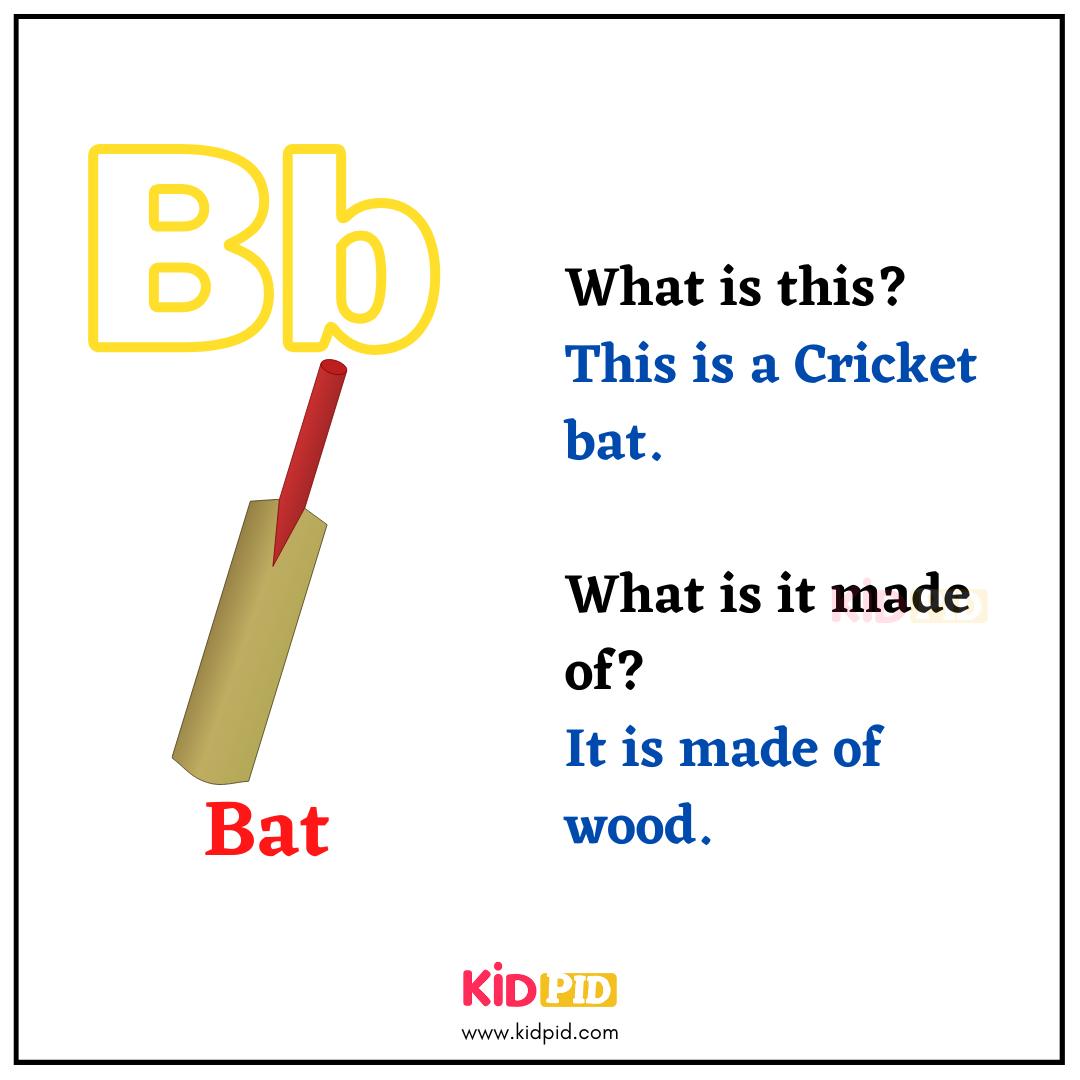
A colorful book full of stories and activities to teach kids the alphabet. Perfect for little learners ready to explore letters excitingly.
ABC Word Book – Free Pages to Print and Enjoy!
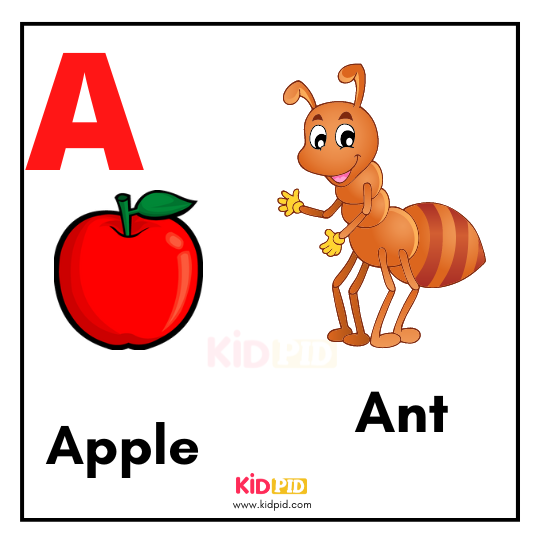
Free printable pages to help kids learn new words for each letter. Fun, simple, and perfect for building vocabulary while coloring and creating.
Fruit Alphabet Book – Sweet Learning for Kids!
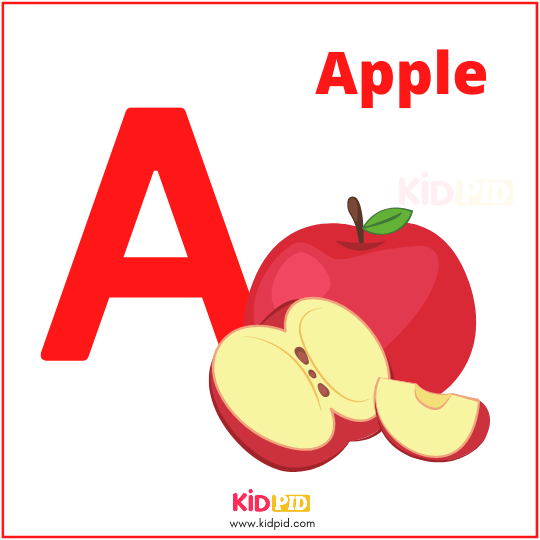
Learn the alphabet with apples, bananas, and more! This fruity twist on letter practice makes learning sweet, healthy, and super enjoyable for kids.
First Words Book (A to Z) – Perfect for Toddlers!
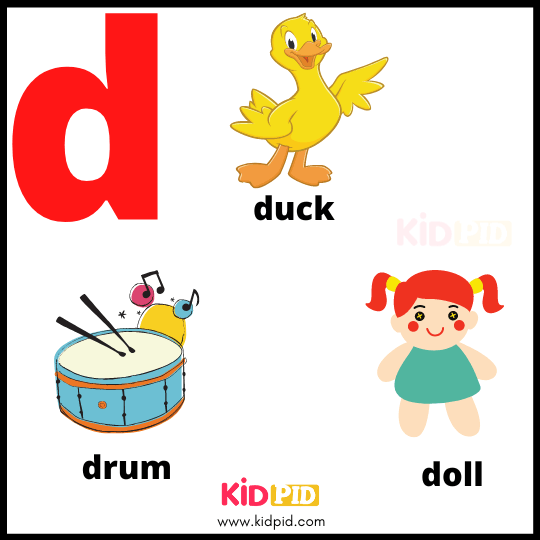
Toddlers discover simple words from A to Z with fun pictures. A perfect start to building vocabulary and playfully recognizing letters.



