
Stop making silly and common mistakes in English! This article will provide you with the mistakes you commonly make in your sentences and communication with their corrections as well! So you won’t get baffled finding where you made mistakes and you will easily be able to identify your mistakes and correct them! These will be given to you in the book of flashcards that we have mentioned below! On top of that, they are free and you can easily print them out and have a fun learning time or can also have a quiz anytime, anywhere by carrying these handy flashcards!
[Scroll Down for Download Link]
Contents
- Tips to Improve Your English Speaking Skills
- Common English-Speaking Mistakes
- Short Sentences
- Correct Usage – Wedding Anniversary vs Marriage Anniversary
- Common English Mistake – Of Course vs Ofcourse
- Correct English Phrase – Your Name vs Your Good Name
- Correct Grammar – People Are vs People Is
- Grammar Tip – I Had a Dream vs I Saw a Dream
- English Tip – Dress Sense vs Dressing Sense
- Polite English – Don’t Mention Sir vs Mention Not Sir
- English Correction – Thank You vs Thanks You
- Longer Sentences
- How to Avoid Common English-Speaking Mistakes
Tips to Improve Your English Speaking Skills
- Practice Speaking Every Day:- Speak English daily with friends, classmates, or online partners. The more you speak, the more confident you’ll become.
- Think in English:- Try not to translate from your native language. Thinking directly in English helps you speak faster and more naturally.
- Listen to Native Speakers:- Watch English movies, podcasts, or YouTube channels. Observe how words are pronounced and how sentences flow naturally.
- Read Aloud:- Reading aloud improves pronunciation, rhythm, and confidence. Start with short paragraphs or storybooks.
- Record Yourself Speaking:- Listen to your own recordings to identify pronunciation or grammar mistakes. It’s a great way to track improvement.
- Learn and Use New Vocabulary Daily:- Pick 3–5 new words daily and try to use them in real sentences. Repetition helps you remember them.
- Don’t Be Afraid to Make Mistakes:- Mistakes are part of learning. Each time you correct one, you improve your accuracy and fluency.
- Watch English with Subtitles:- It helps you connect spoken words with written forms and improves listening comprehension.
- Practice Pronunciation and Accent:– Use free tools like Google Translate or YouGlish to listen and repeat difficult words correctly.
Common English-Speaking Mistakes
Good communication skills are essential in today’s world, and mastering the English language is a great way to get ahead. However, English isn’t always easy to learn, and even native speakers can make mistakes. This article will discuss some of the most common English-speaking mistakes and how to avoid them.
Read More: Common Mistakes in English-Speaking
Short Sentences
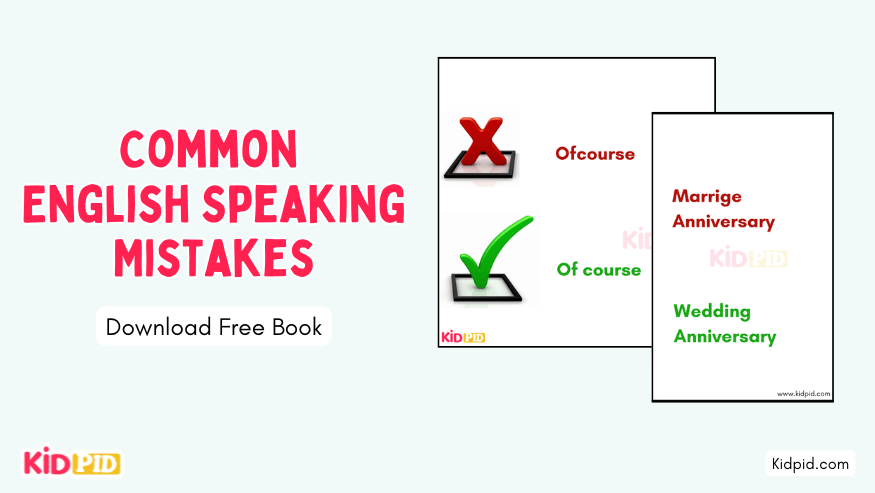

Correct Usage – Wedding Anniversary vs Marriage Anniversary


Learn the right phrase: Wedding Anniversary
Marriage Anniversary
Wedding Anniversary
Common English Mistake – Of Course vs Ofcourse
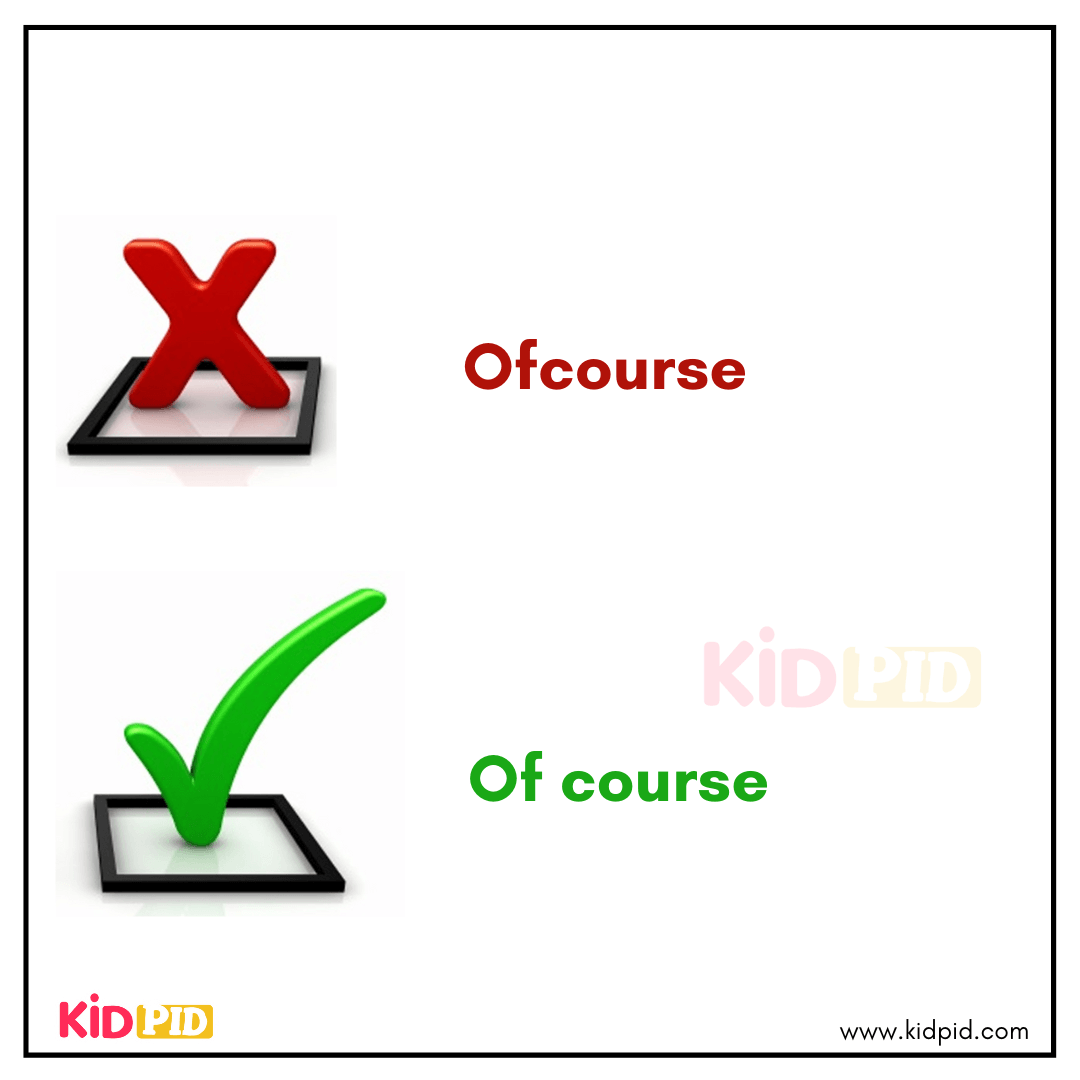
Use “Of course”, not “Ofcourse.”
Ofcourse
Of course
Correct English Phrase – Your Name vs Your Good Name
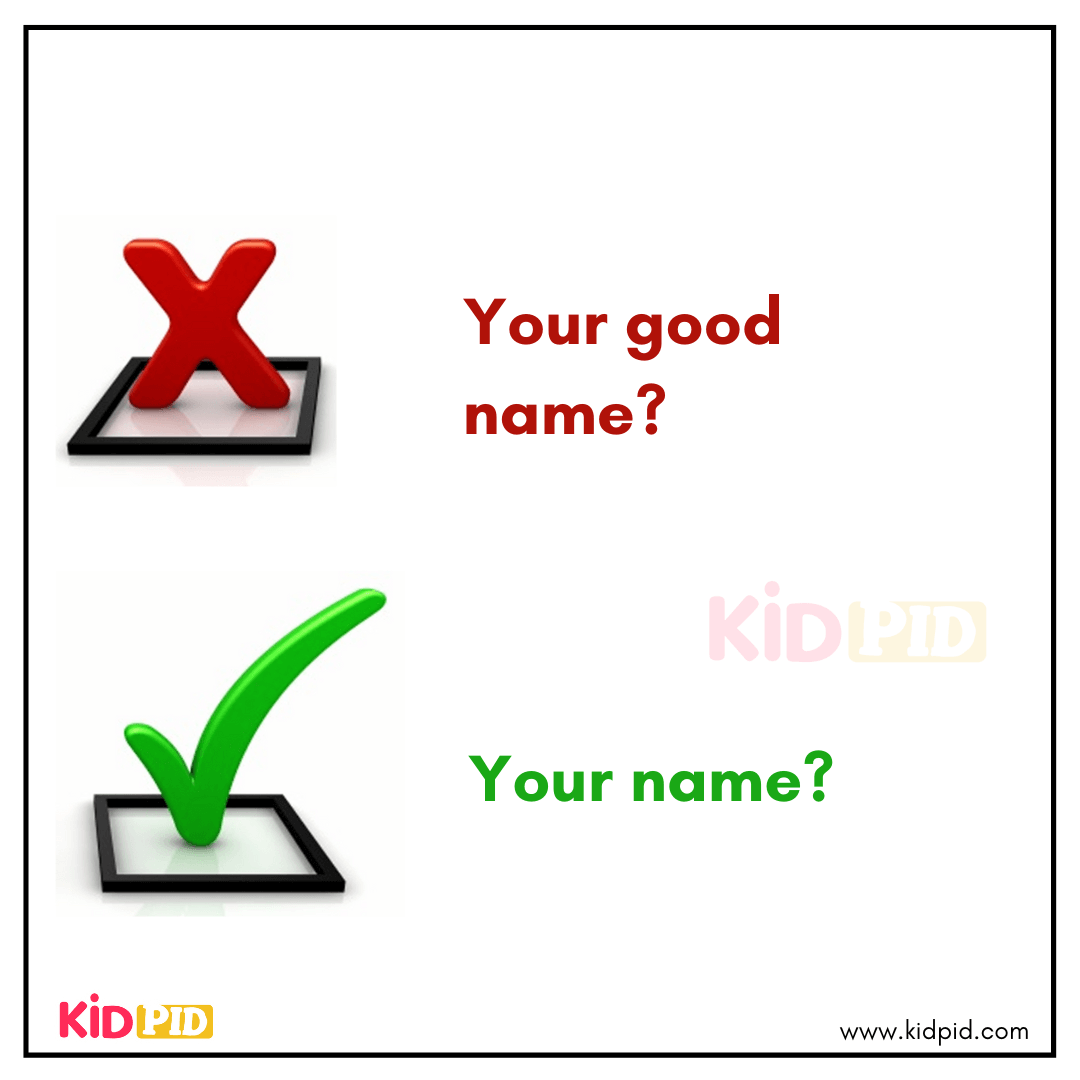
Say “Your name” instead of “Your good name.”
Your Good Name
Your Name
Correct Grammar – People Are vs People Is
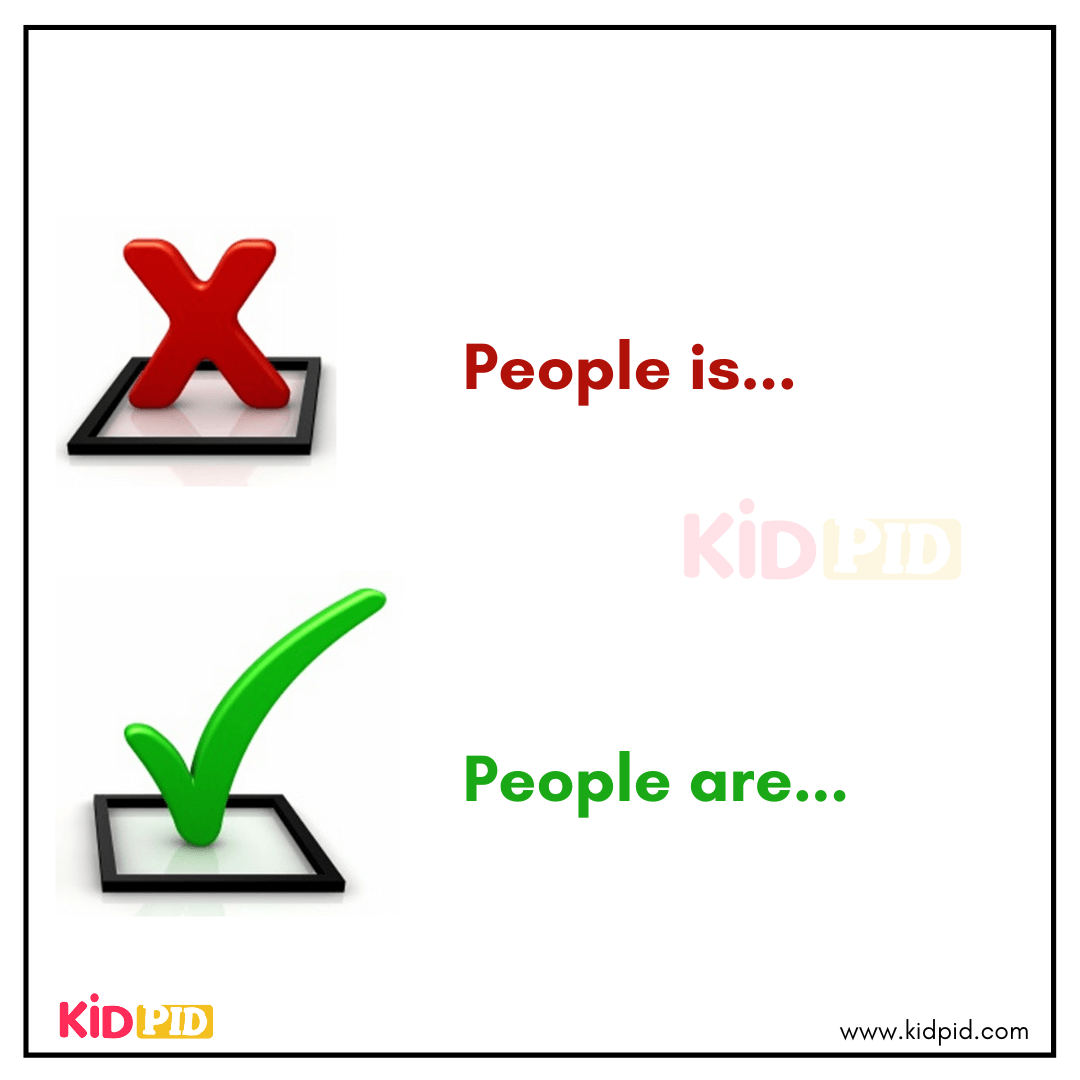
Remember: People are, not People is
People Is
People are
Grammar Tip – I Had a Dream vs I Saw a Dream

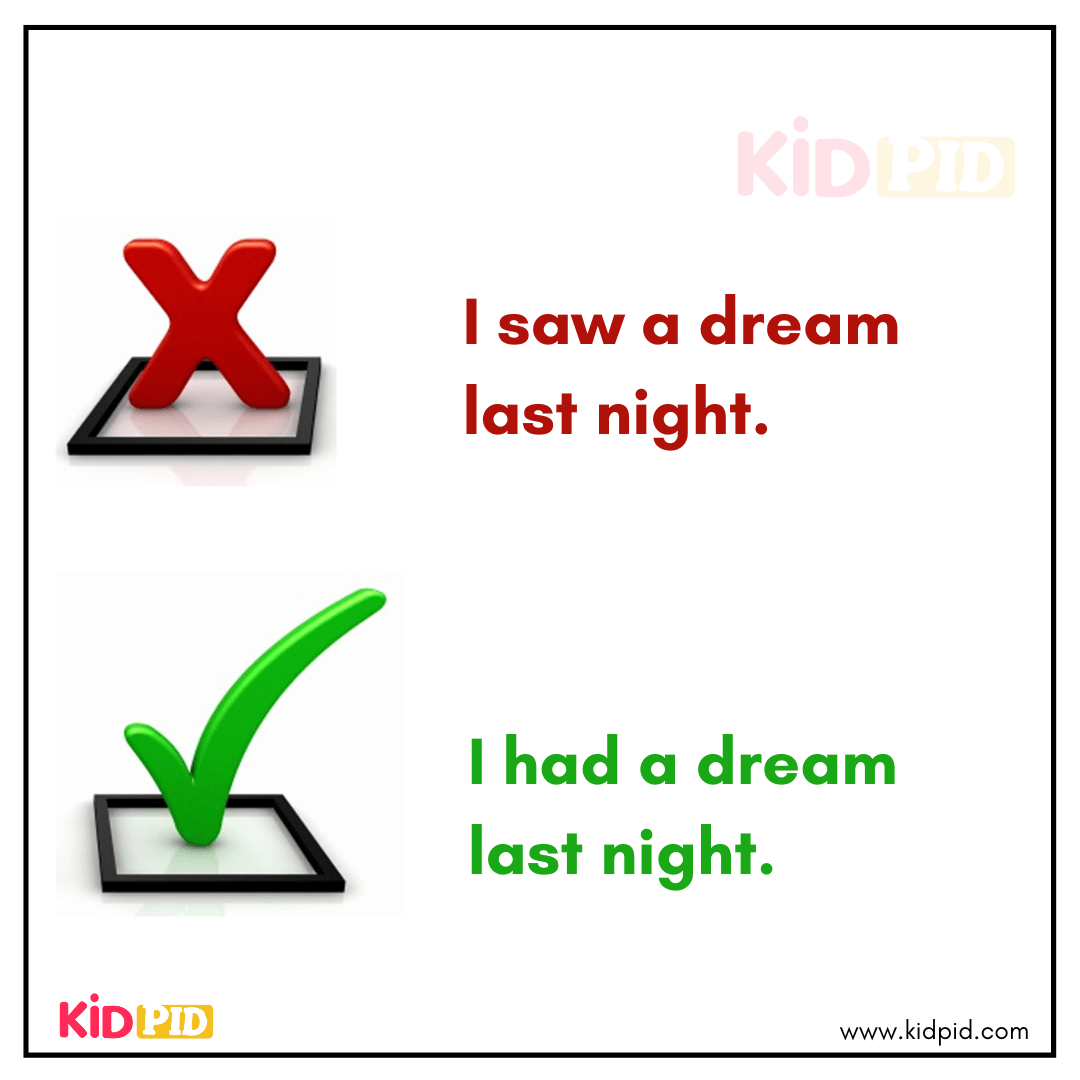
Correct phrase: I had a dream last night
I had a dream last night
I had a dream last night
English Tip – Dress Sense vs Dressing Sense
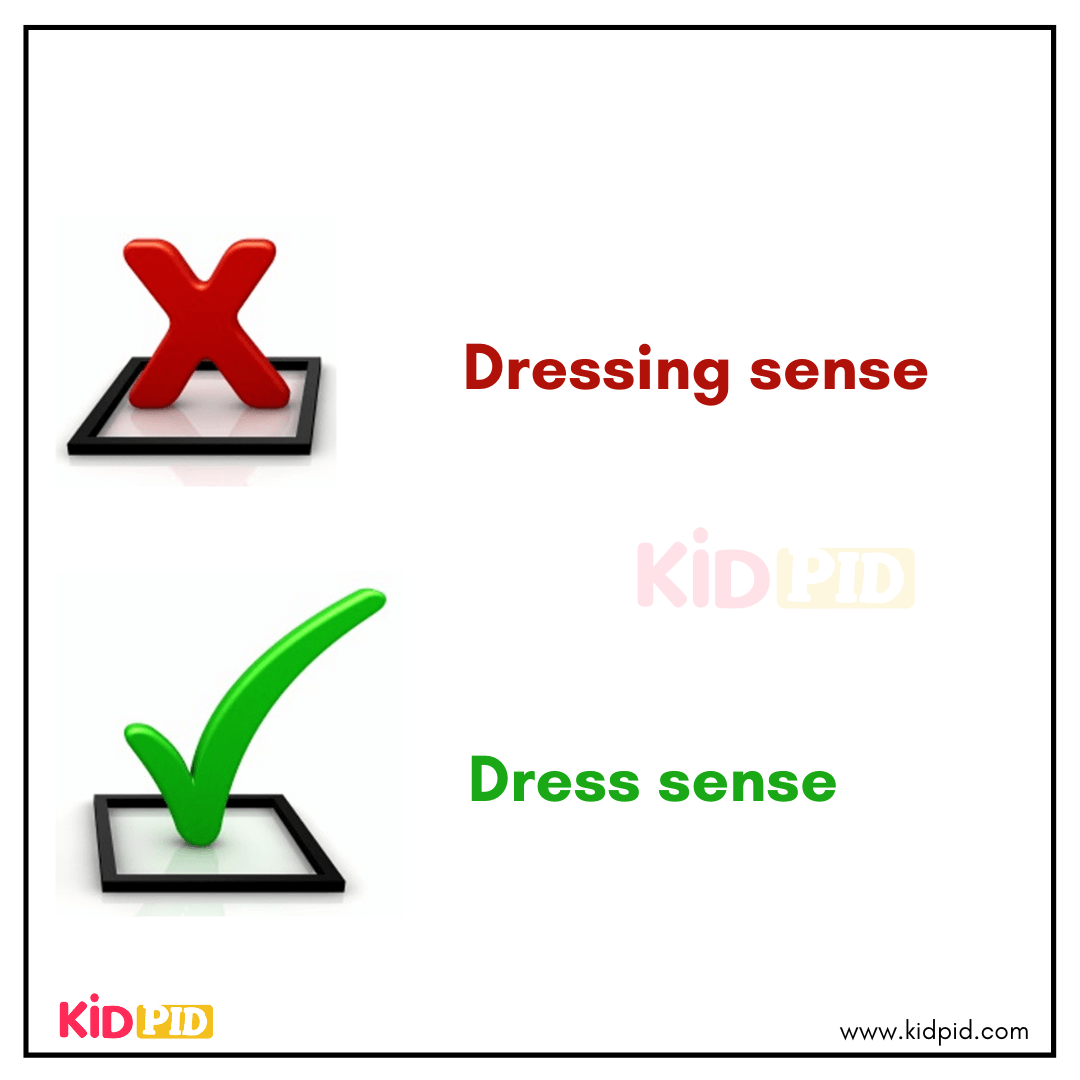
Correct phrase: Dress sense, not Dressing sense
Dressing sense
Dress sense
Polite English – Don’t Mention Sir vs Mention Not Sir
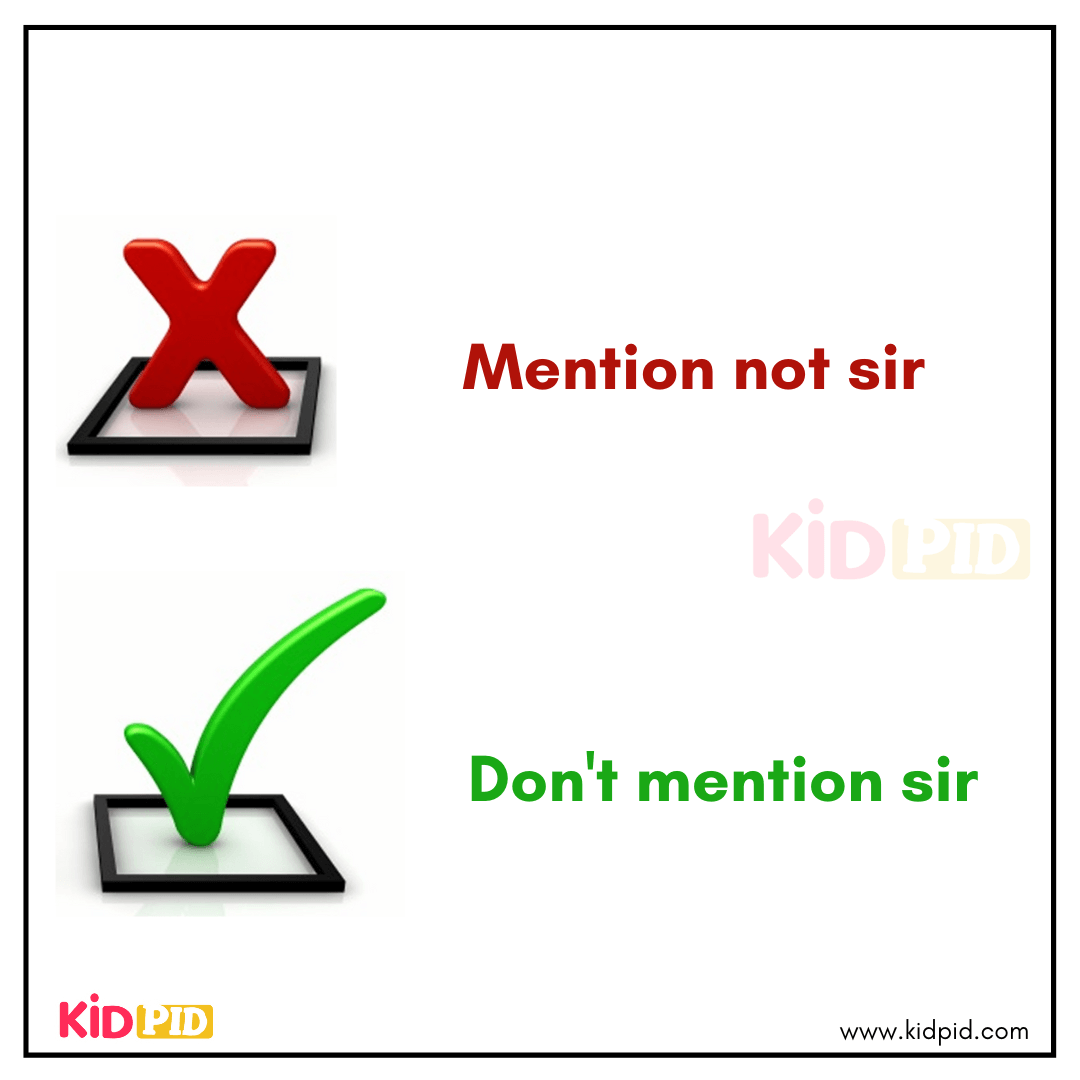
Say “Don’t mention, sir,” not “Mention not sir.”
Mention not sir
Don’t mention, sir
English Correction – Thank You vs Thanks You

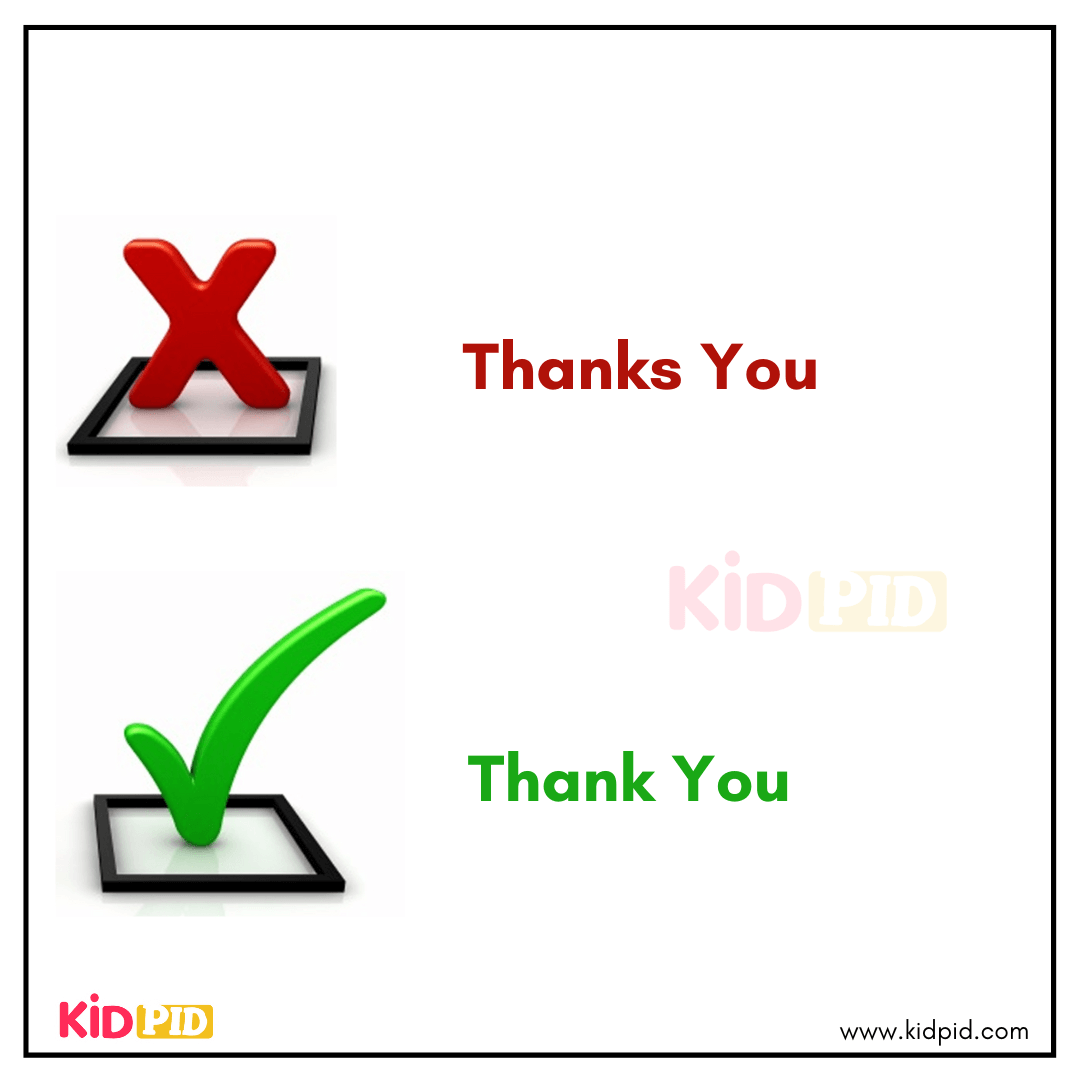
The correct way to say it: Thank You
Thanks You
Thank You
Longer Sentences
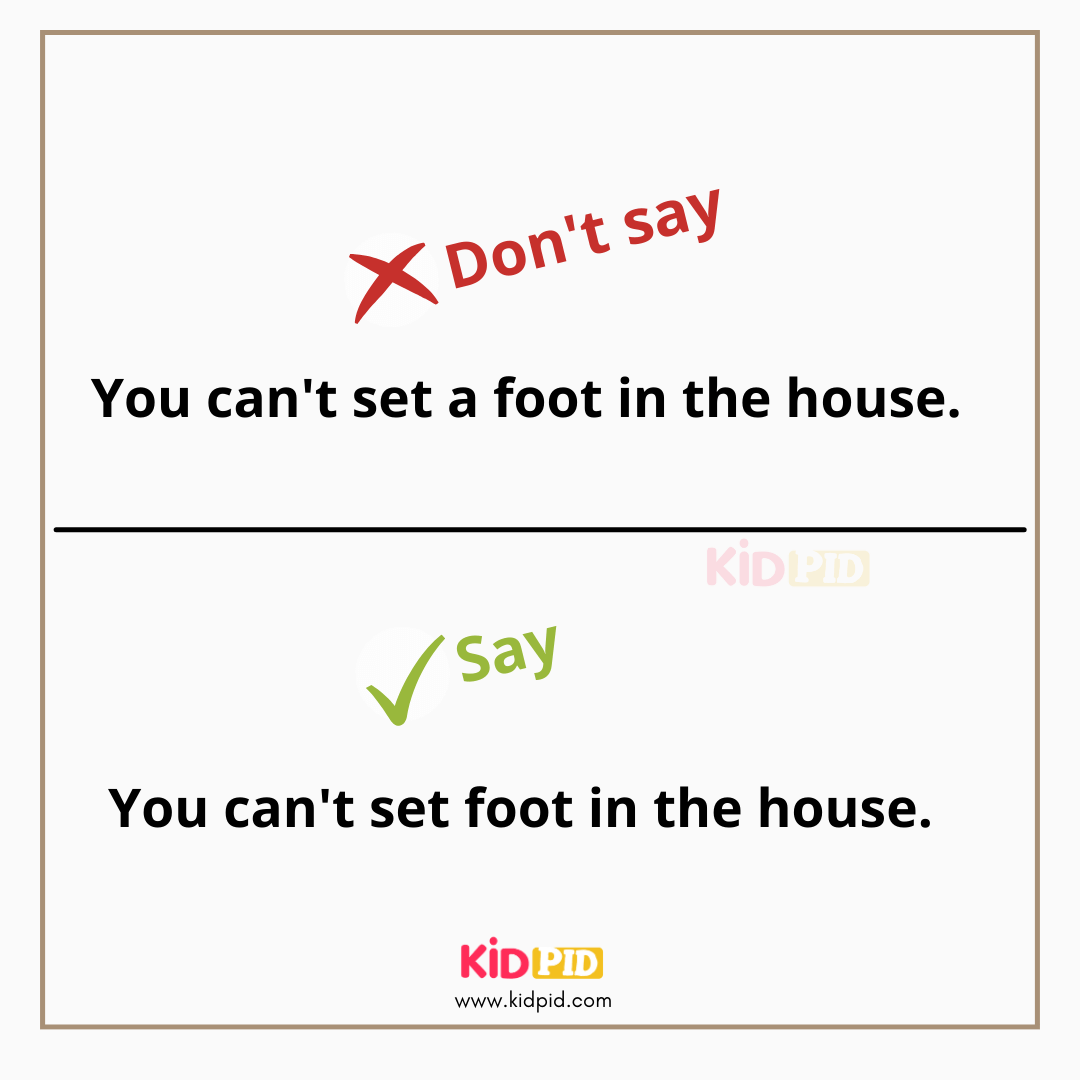
You can’t set a foot in the house.
Say:
You can’t set foot in the house.
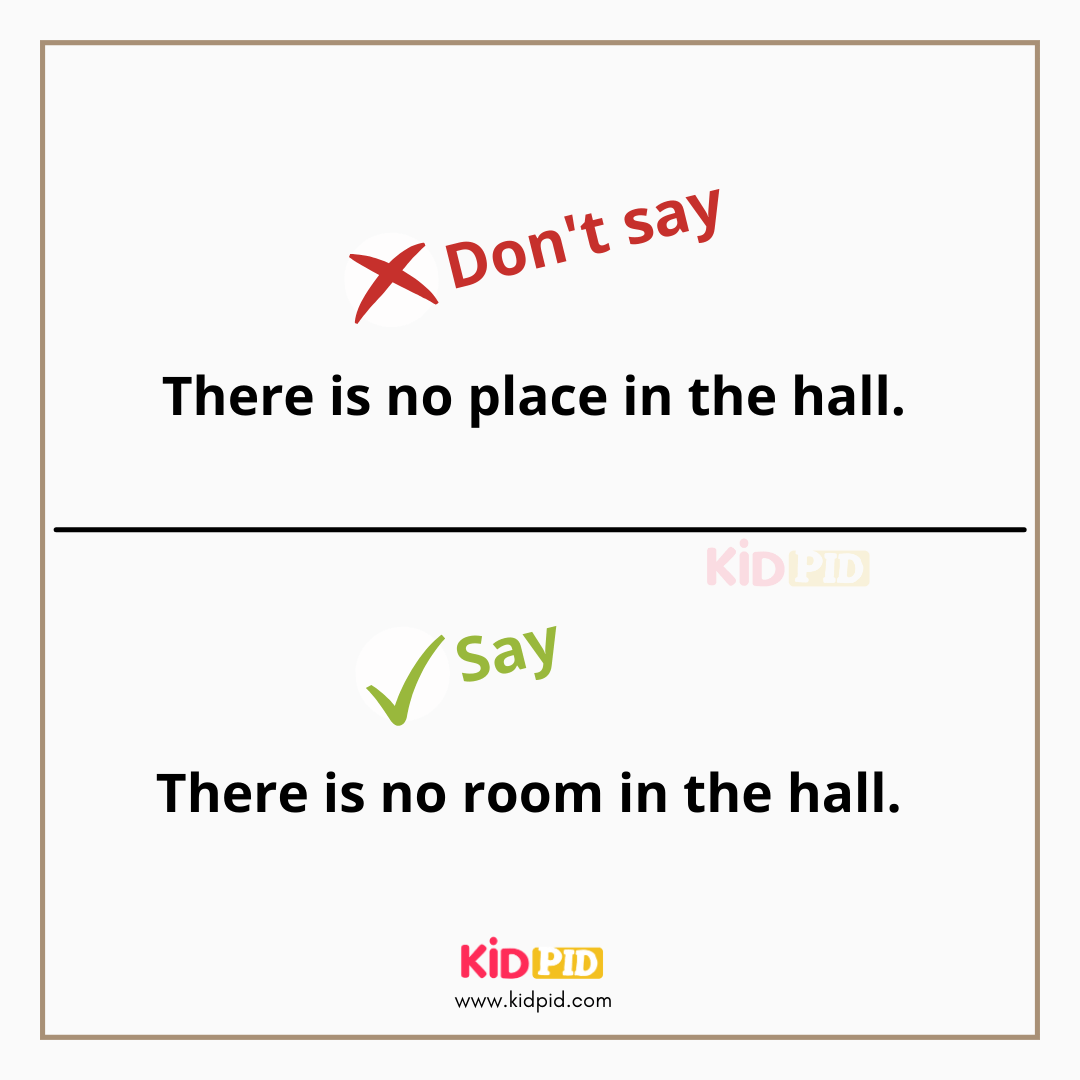
Don’t say:
There is no place in the hall.
Say:
There is no room in the hall.
Don’t say:
There is no place in the hall.
Say:
There is no room in the hall.
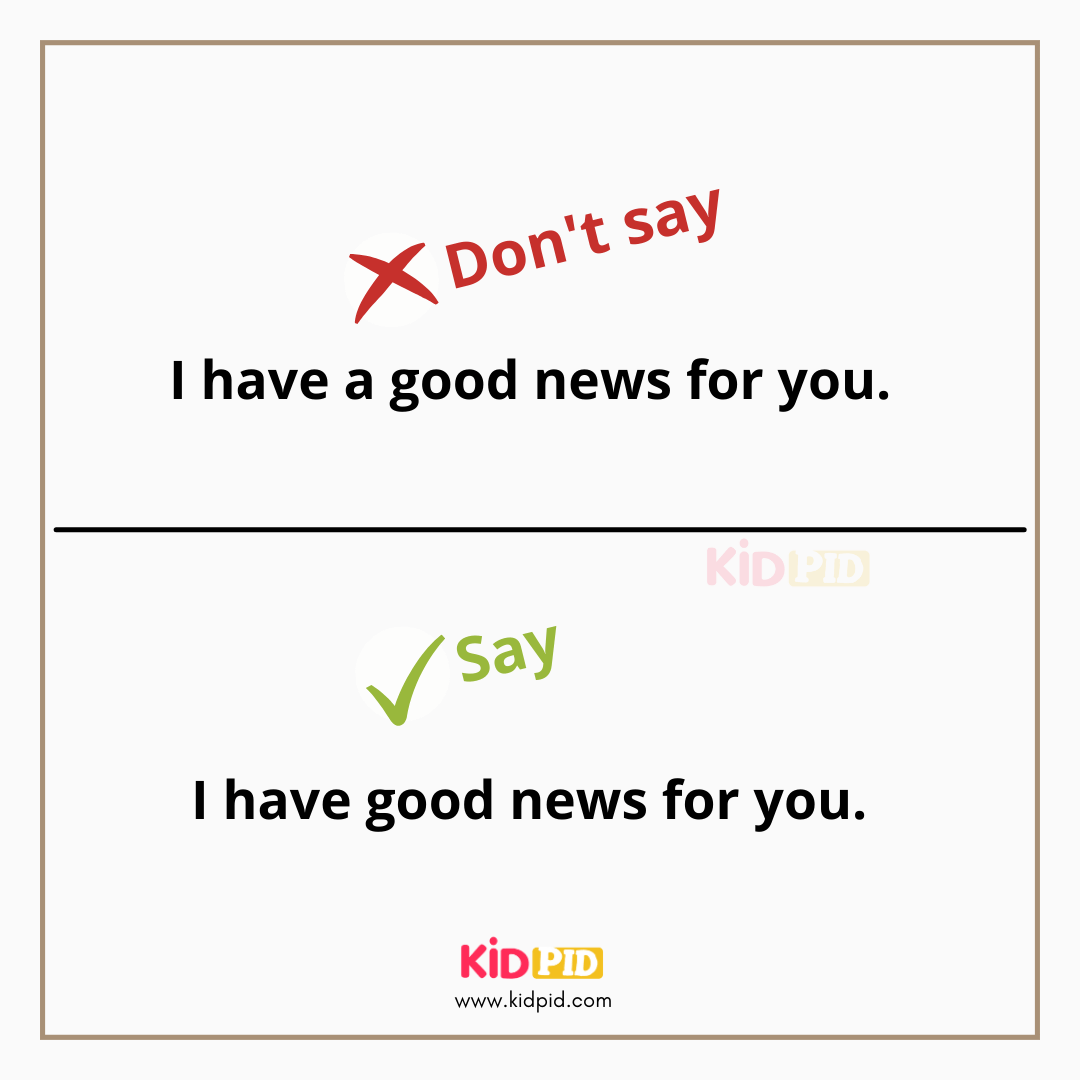
Don’t say:
I have a good news for you.
Say:
I have good news for you.
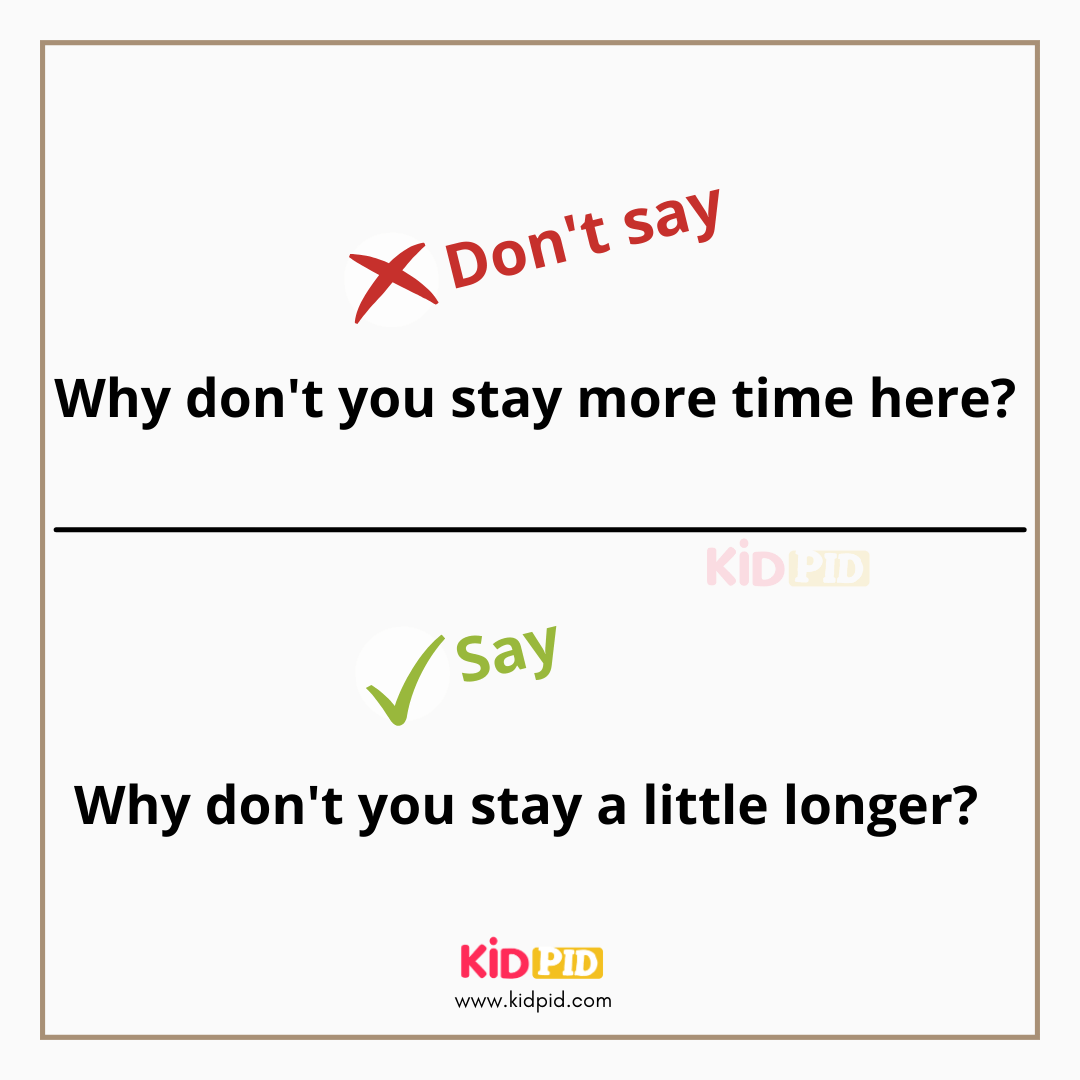
Don’t say:
Why don’t you stay more time here?
Say:
Why don’t you stay a little longer?
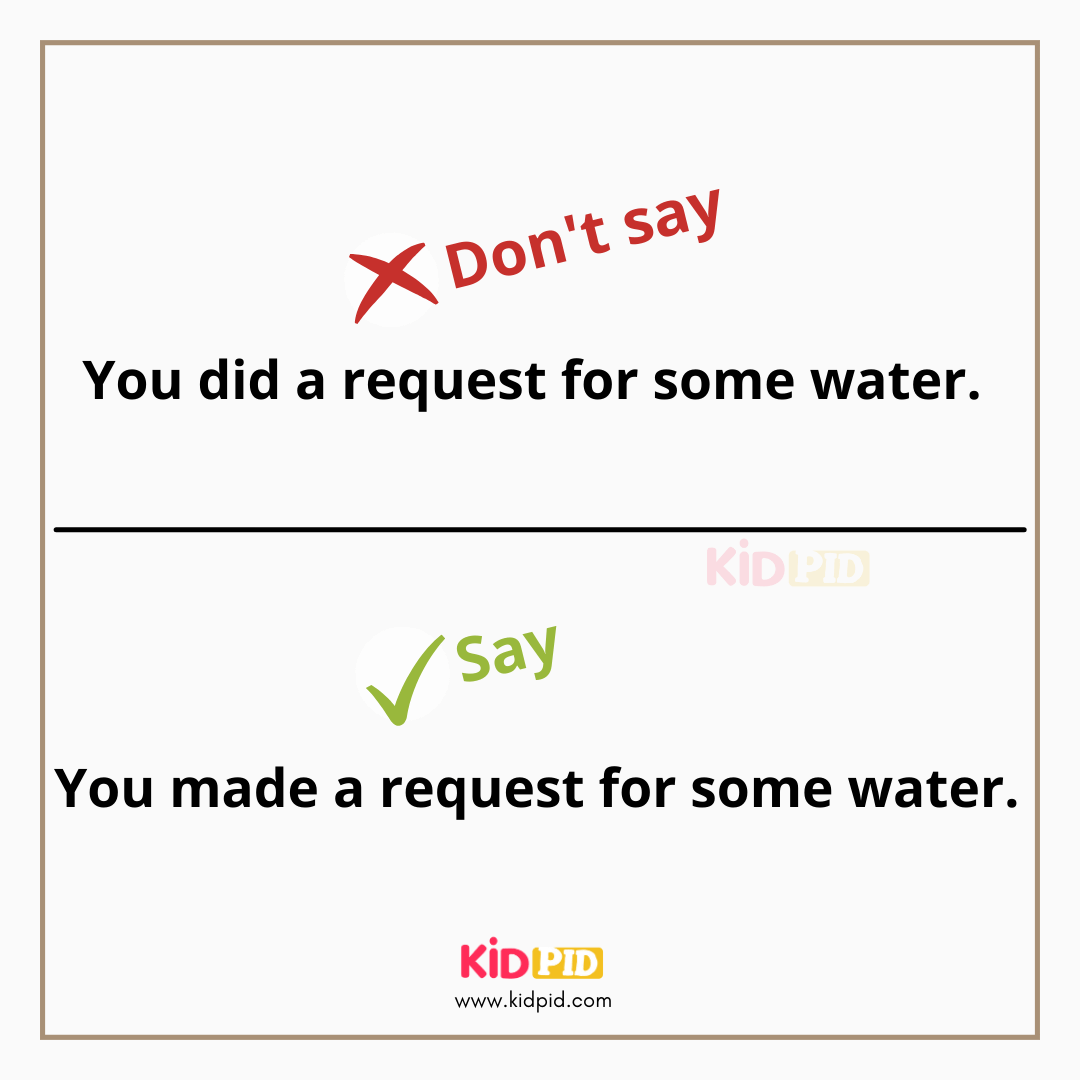
Don’t say:
You did a request for some water.
Say:
You made a request for some water.
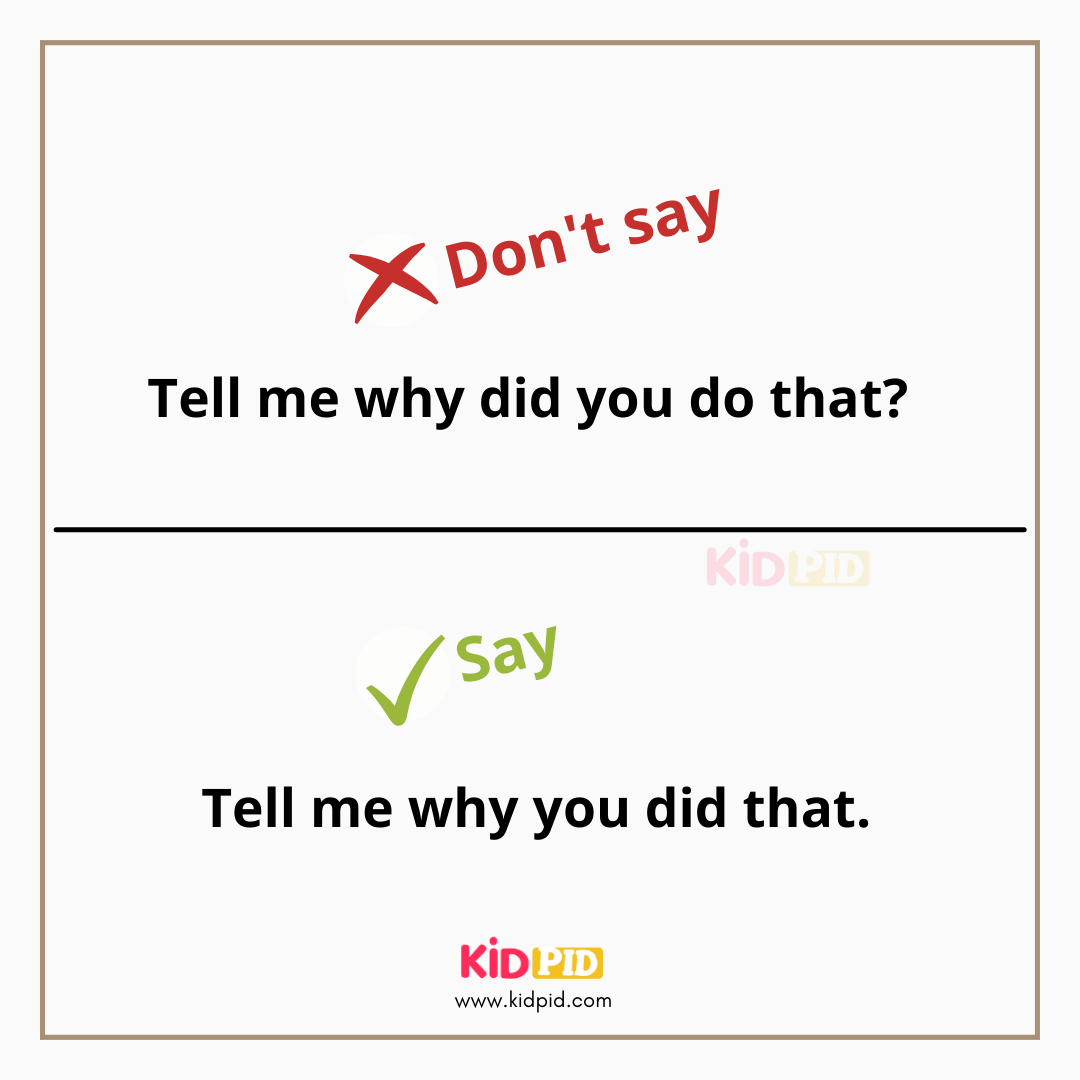
Don’t say:
Tell me why did you do that?
Say:
Tell me why you did that.
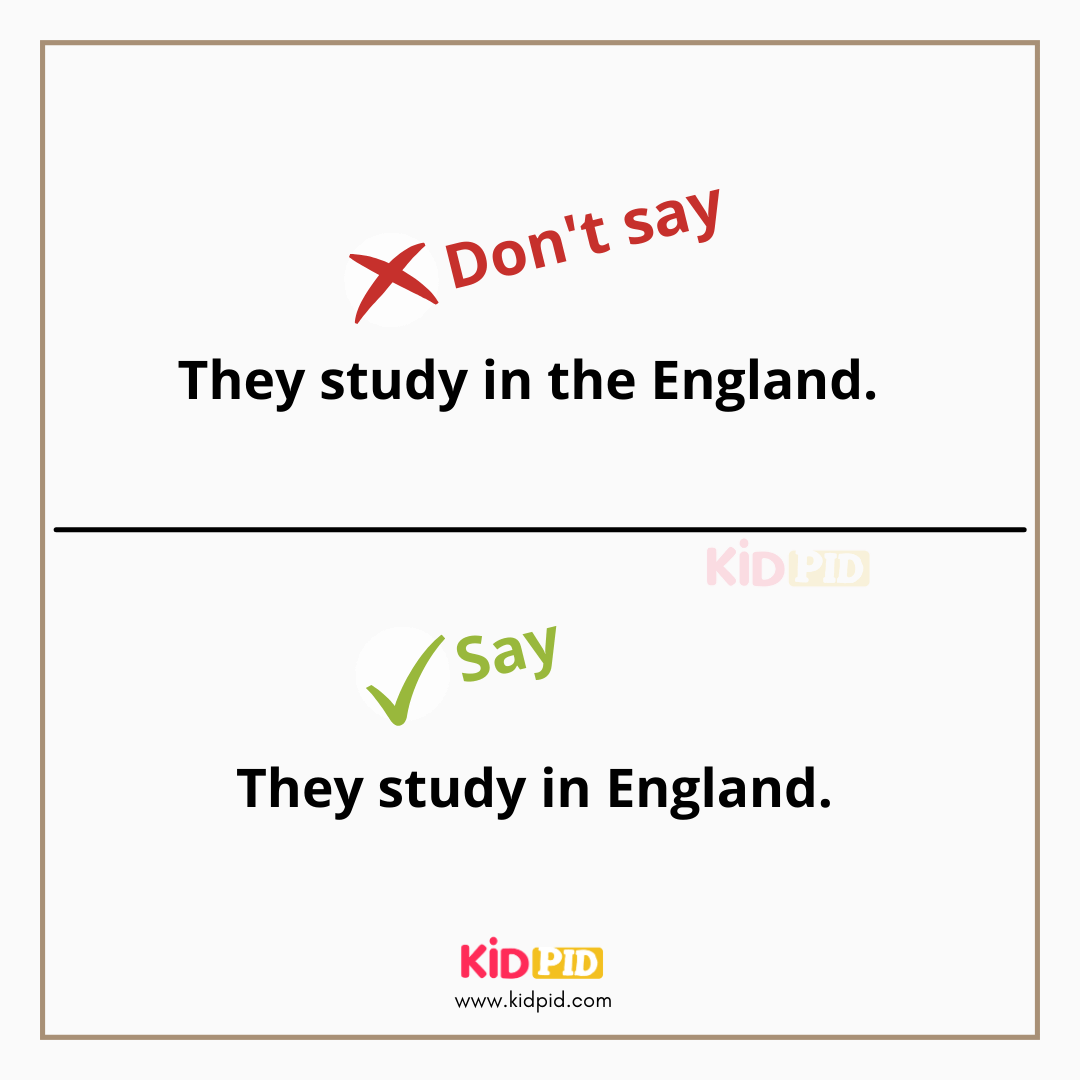
Don’t say:
They study in the England.
Say:
They study in England.
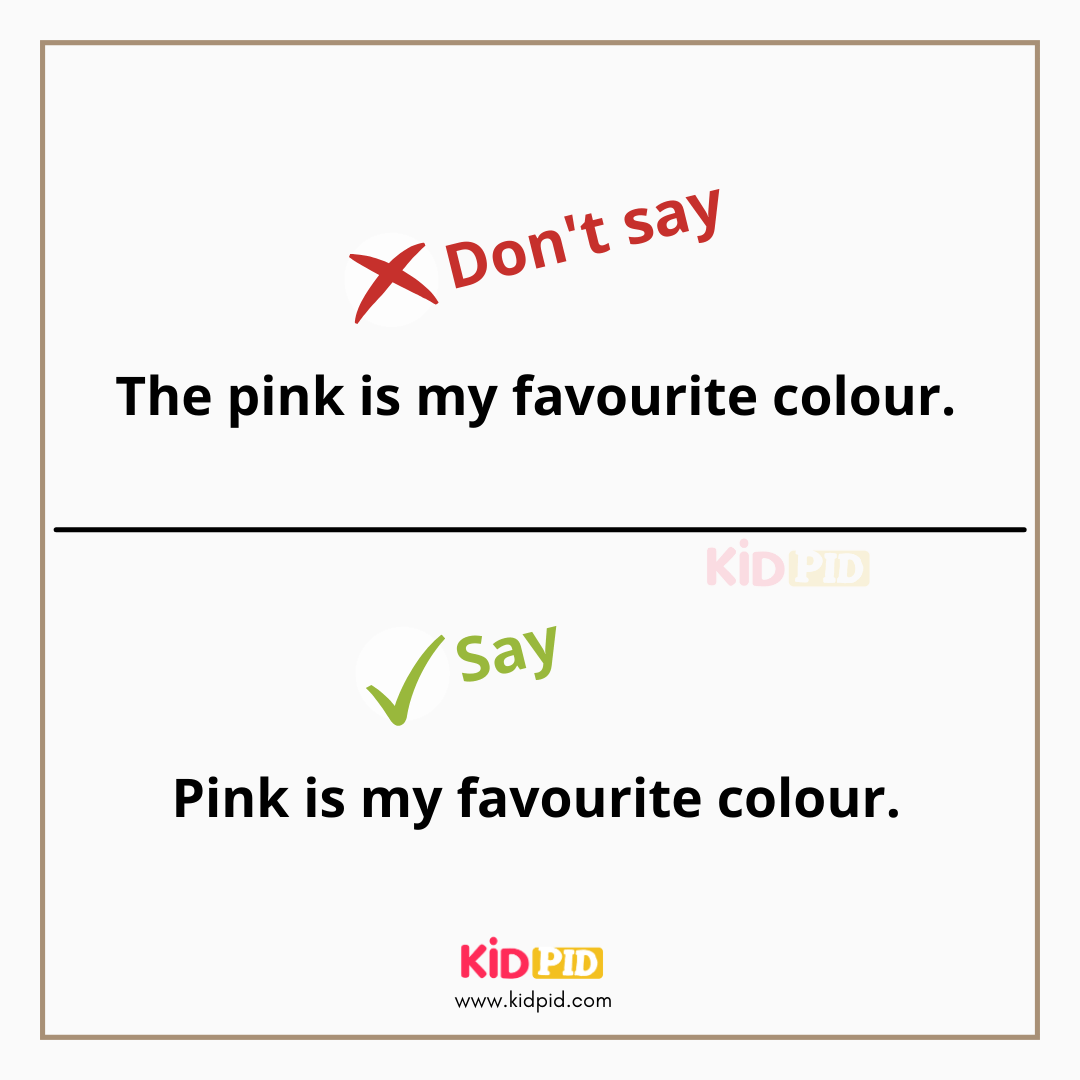
Don’t say:
The pink is my favourite colour.
Say:
Pink is my favourite colour.
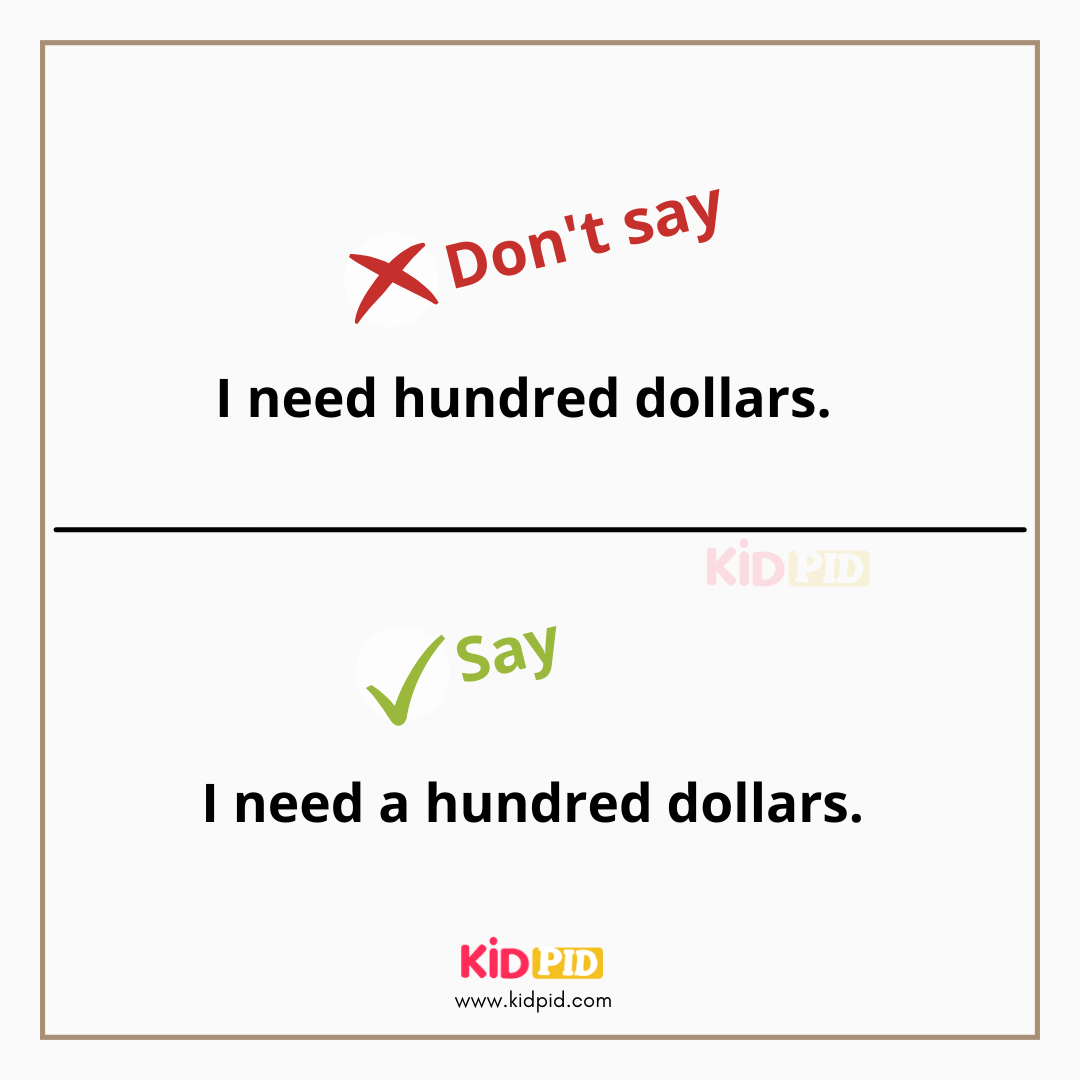
Don’t say:
I need hundred dollars.
Say:
I need a hundred dollars.
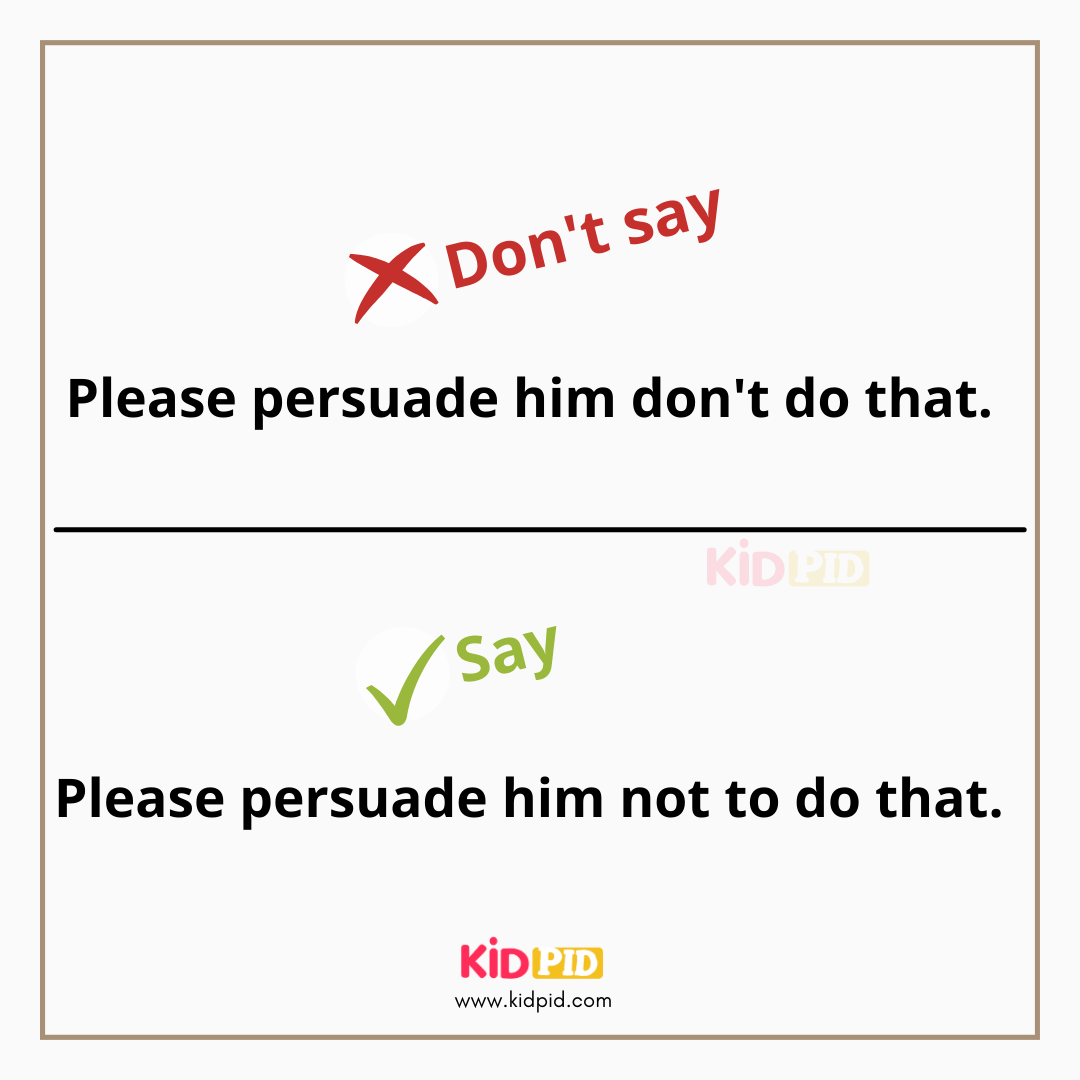
Don’t say:
Please persuade him don’t do that.
Say:
Please persuade him not to do that.
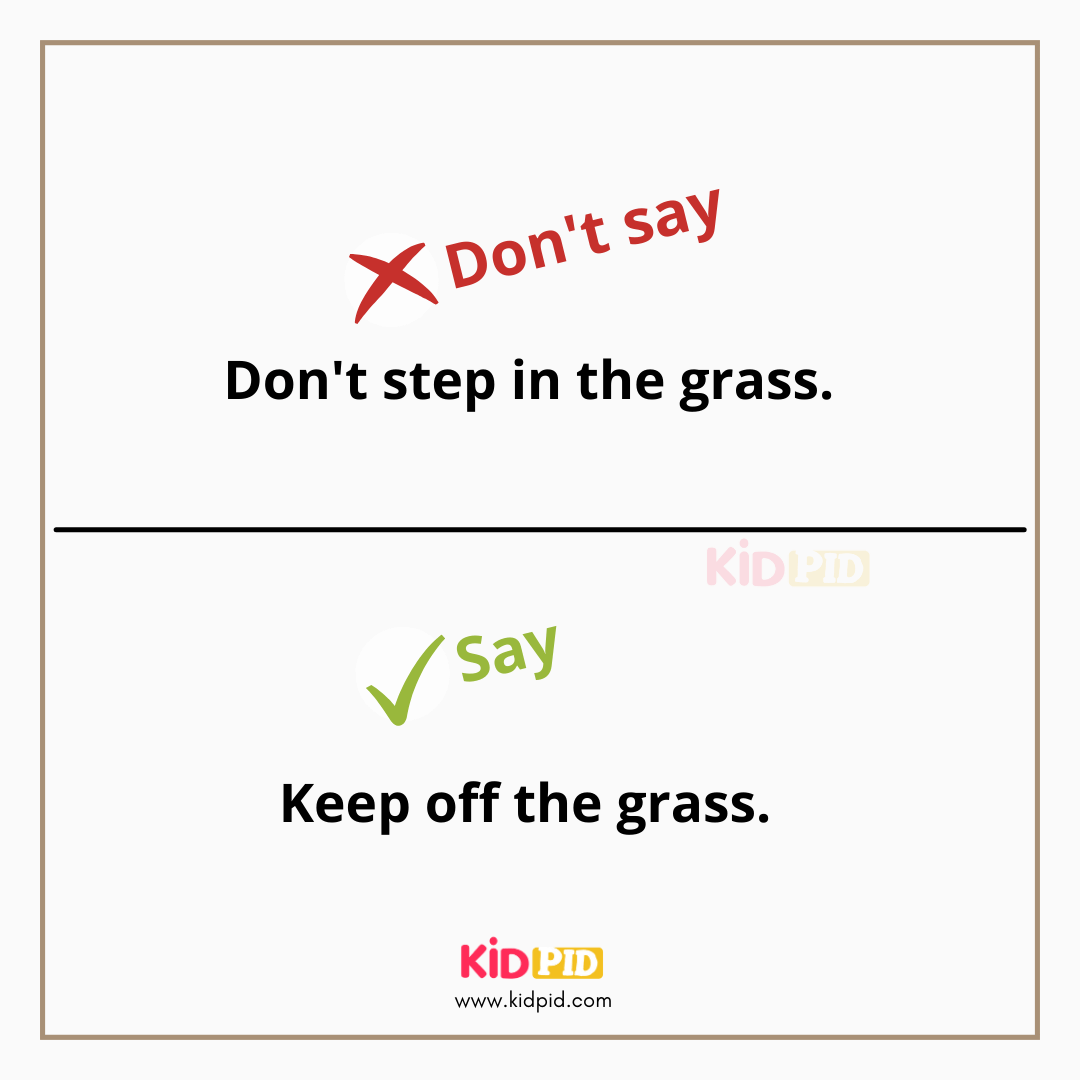
Don’t step in the grass.
Say:
Keep off the grass.
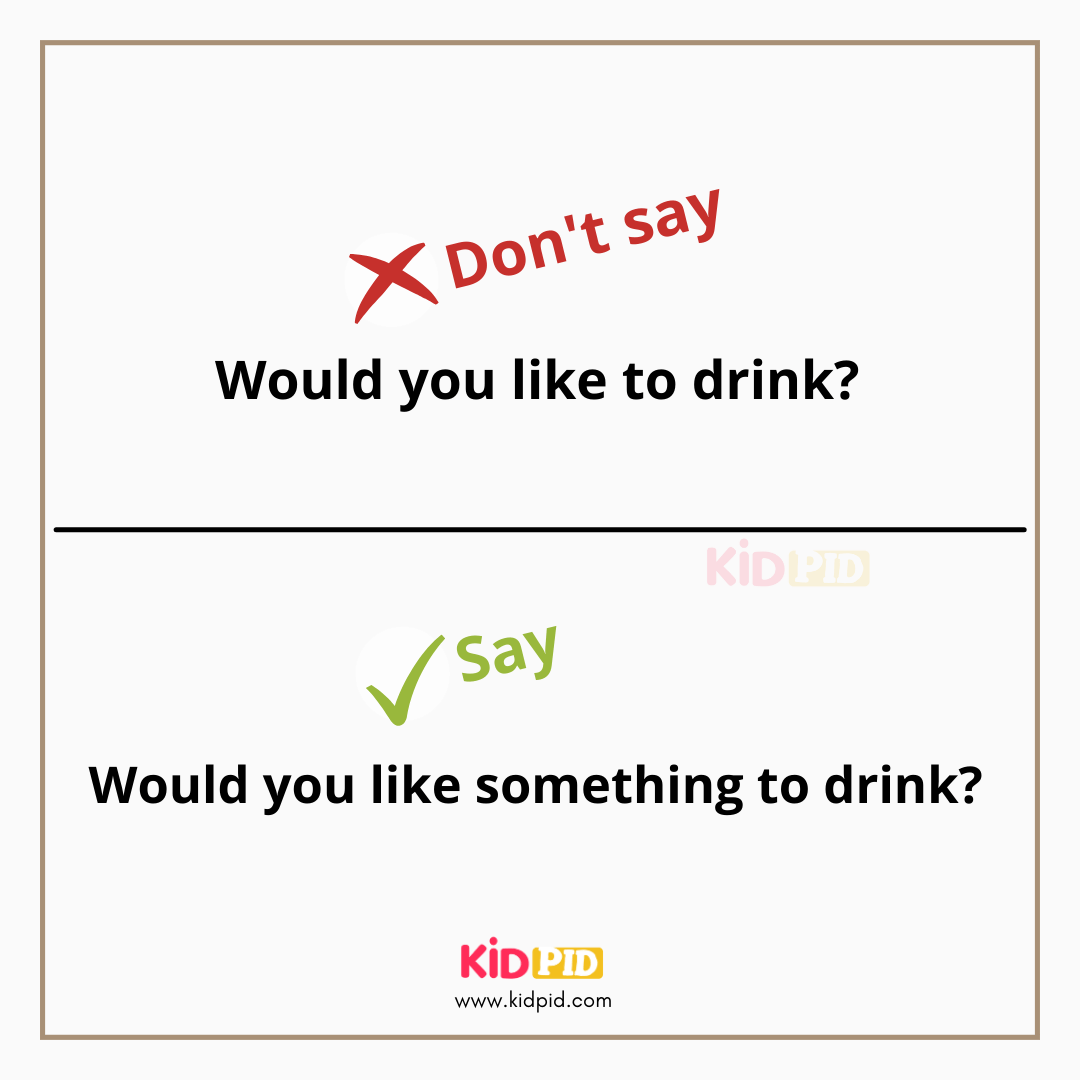
Don’t say:
Would you like to drink?
Say:
Would you like something to drink?
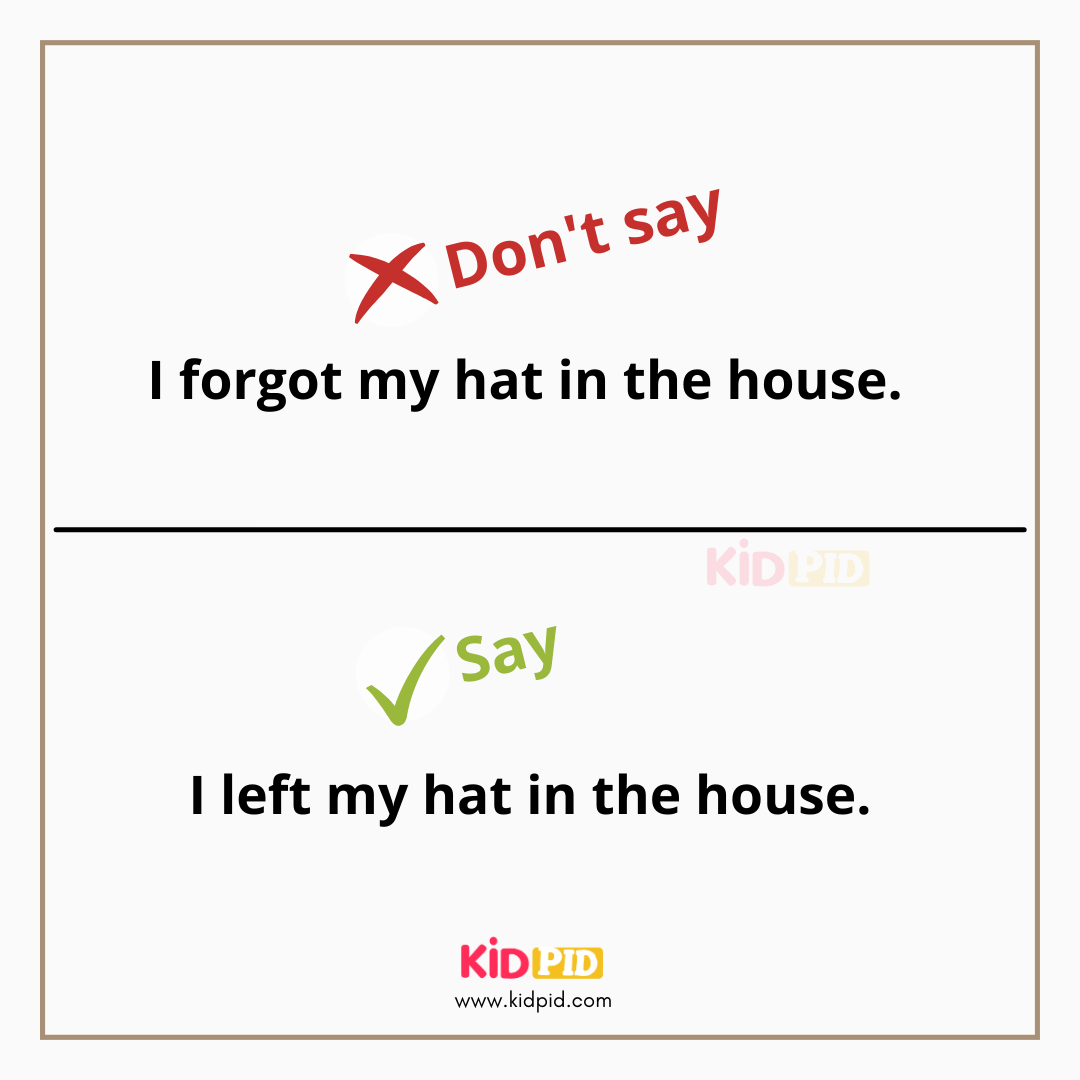
Don’t say:
I forgot my hat in the house.
Say:
I left my hat in the house.
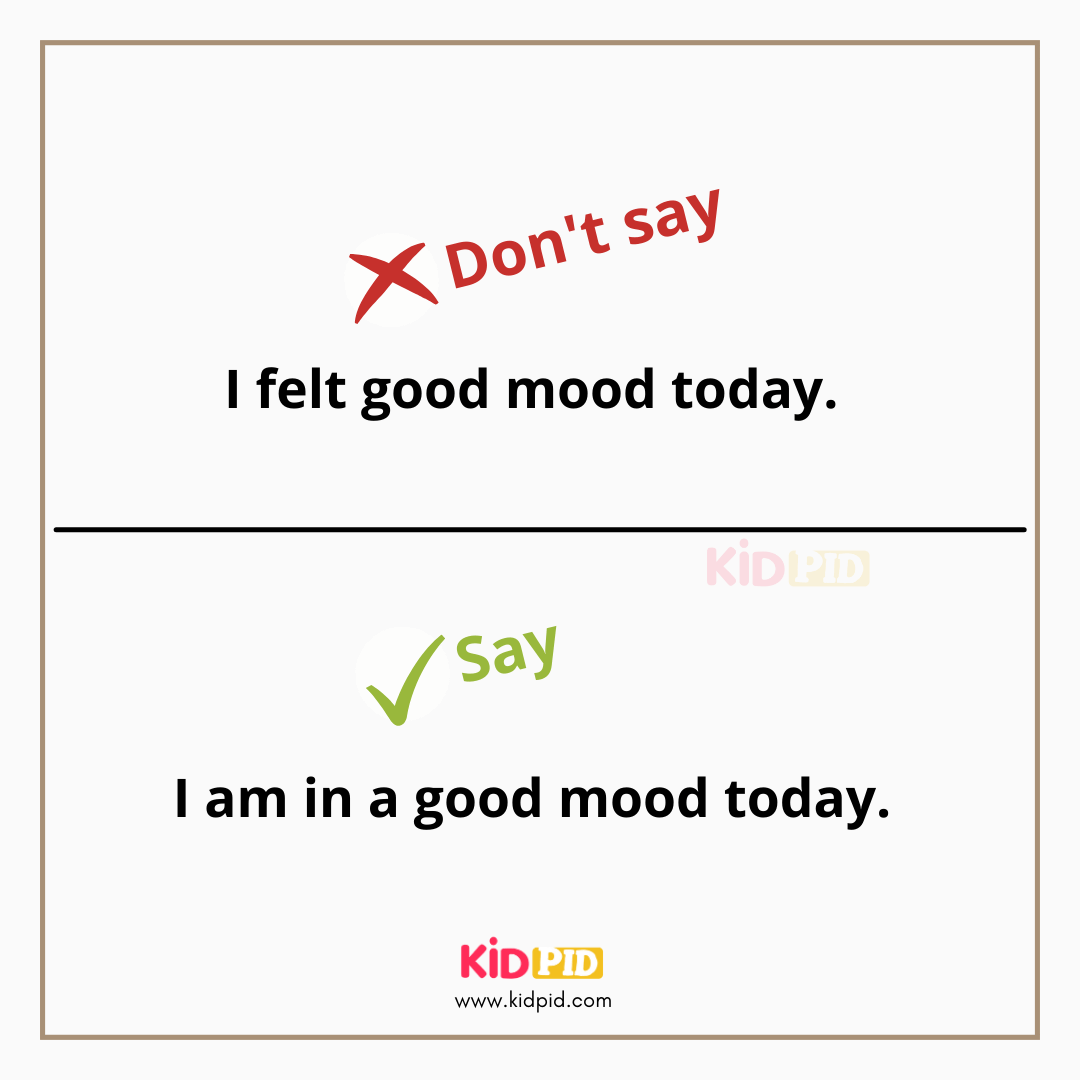
Don’t say:
I felt good mood today.
Say:
I am in a good mood today.
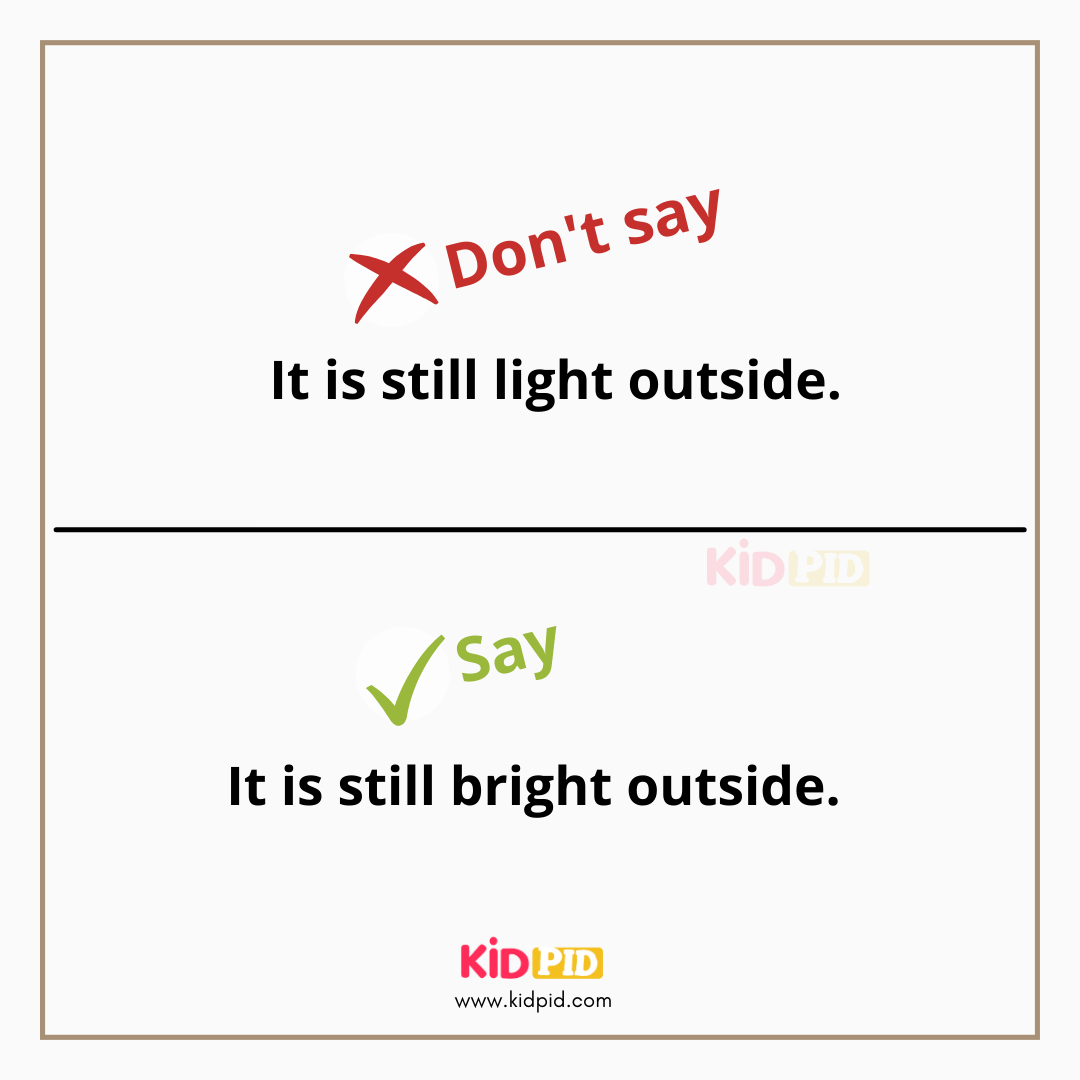
Don’t say:
It is still light outside.
Say:
It is still bright outside.
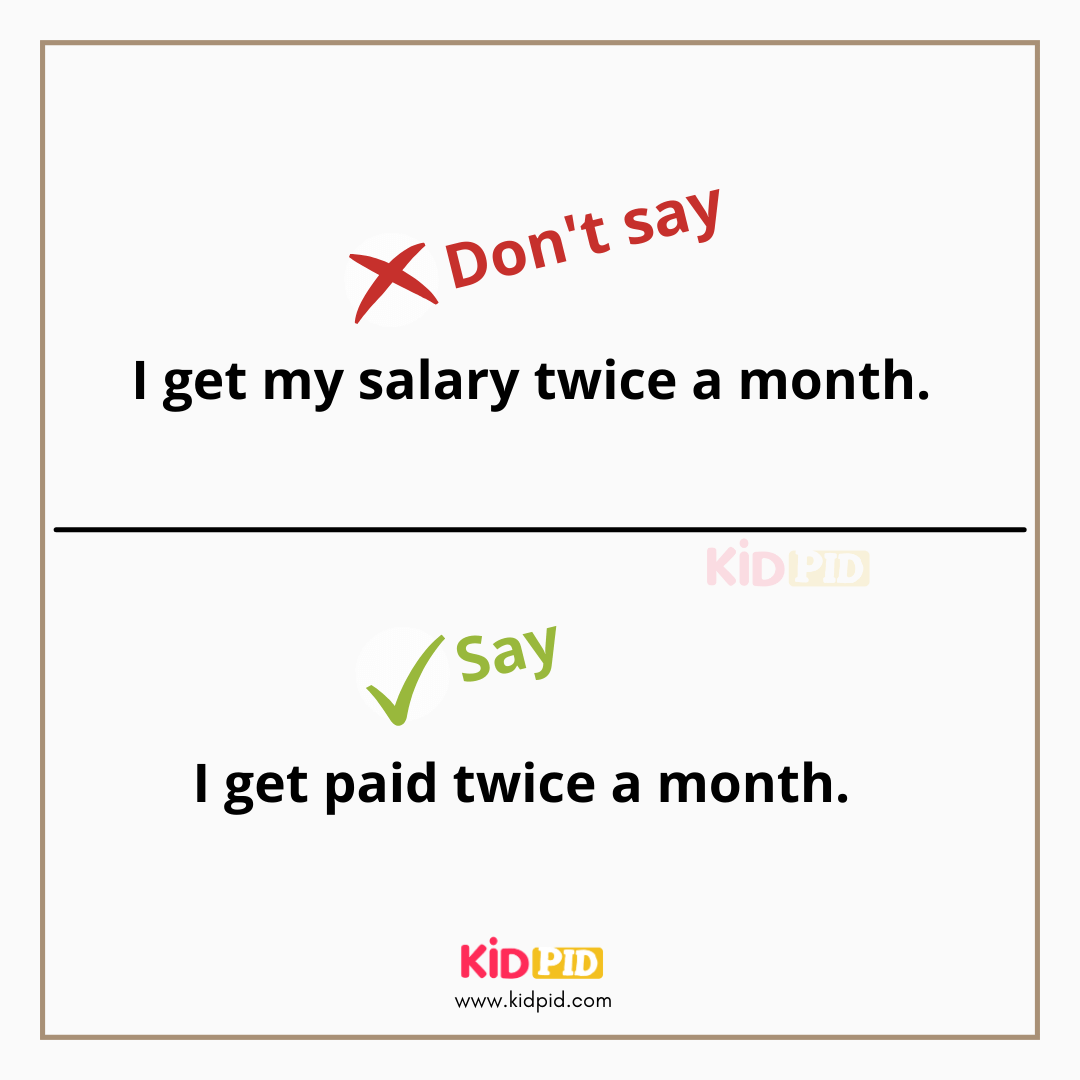
Don’t say:
I get my salary twice a month.
Say:
I get paid twice a month.
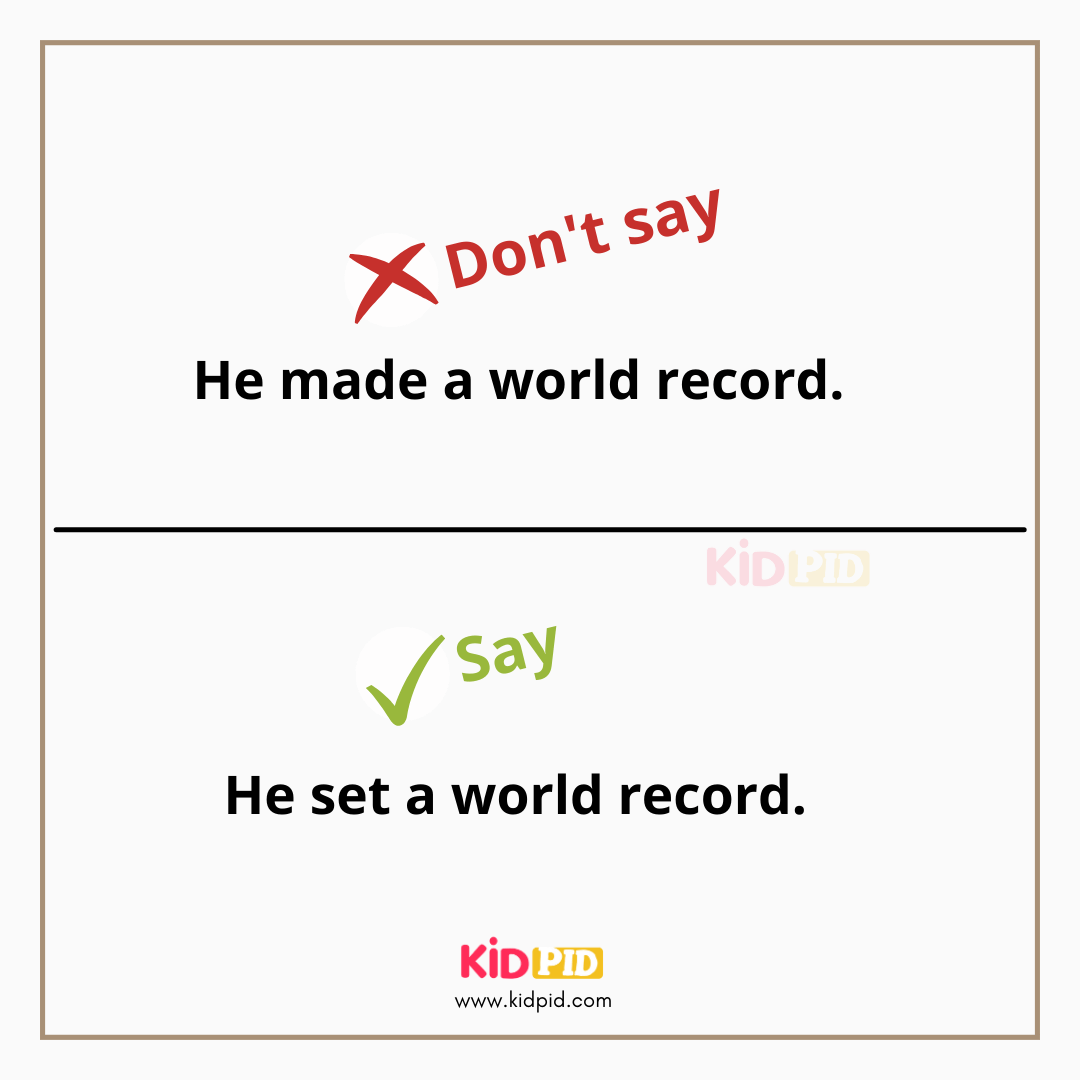
Don’t say:
He made a world record.
Say:
He set a world record.
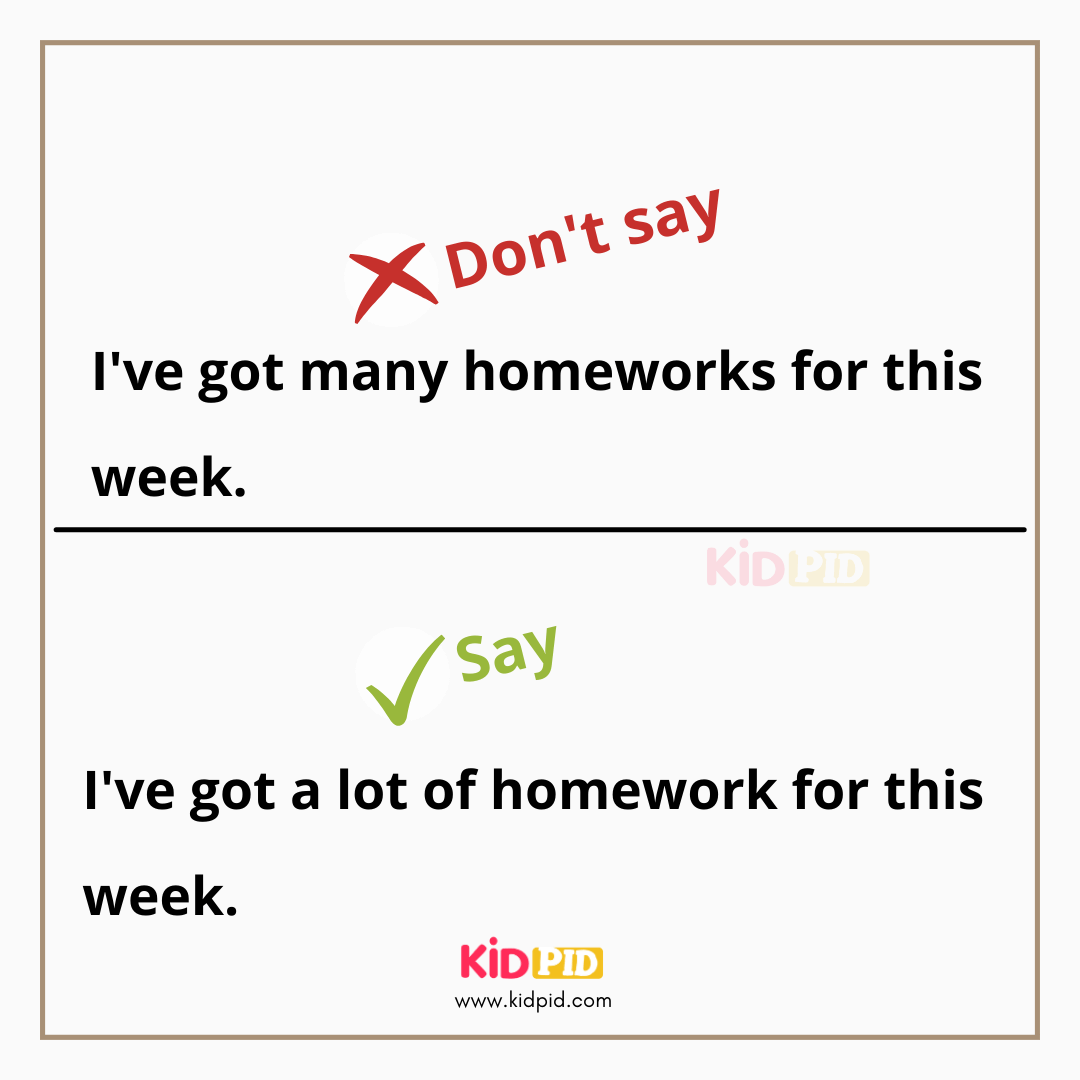
Don’t say:
I’ve got many homeworks for this week.
Say:
I’ve got a lot of homework for this week.
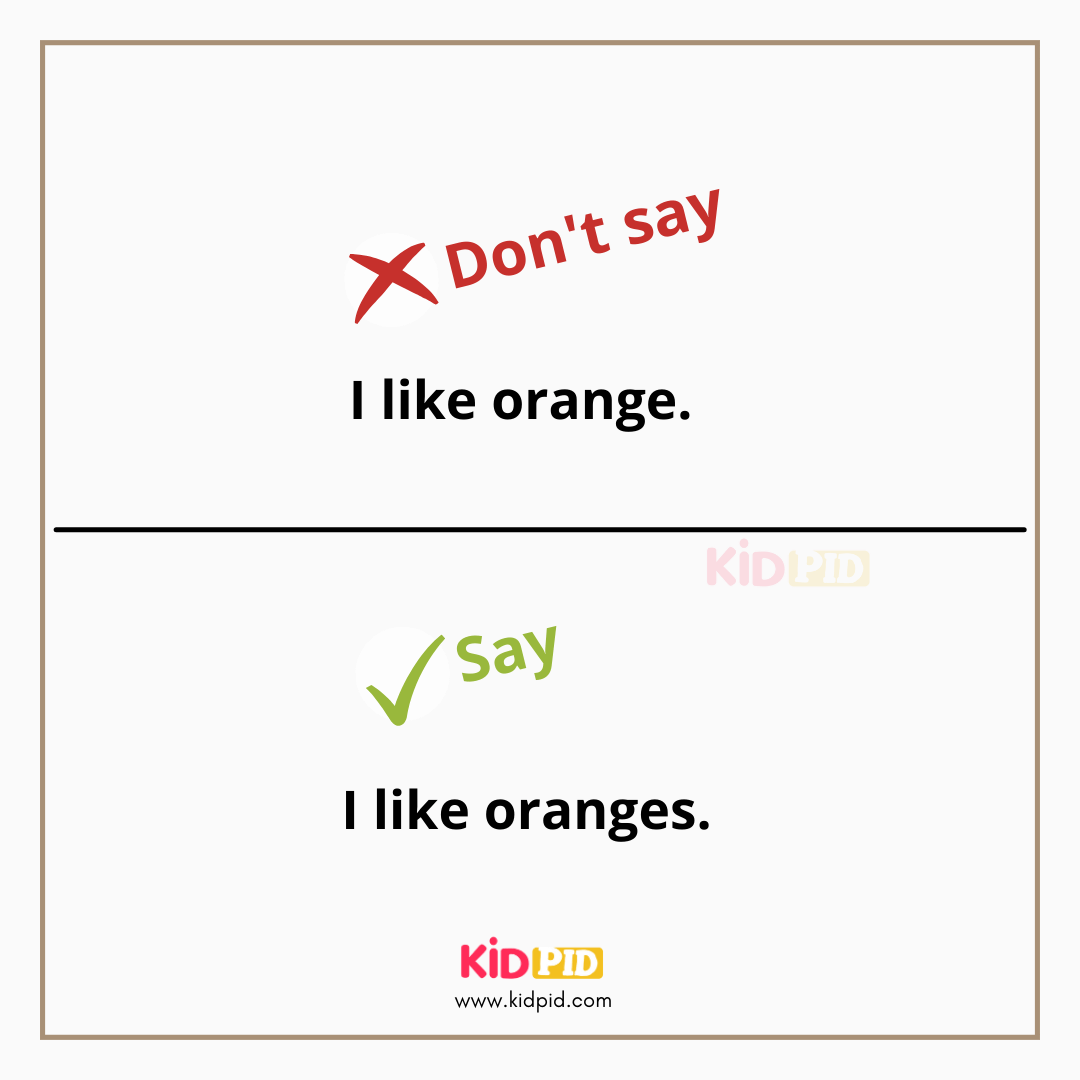
Don’t say:
I like orange.
Say:
I like oranges.
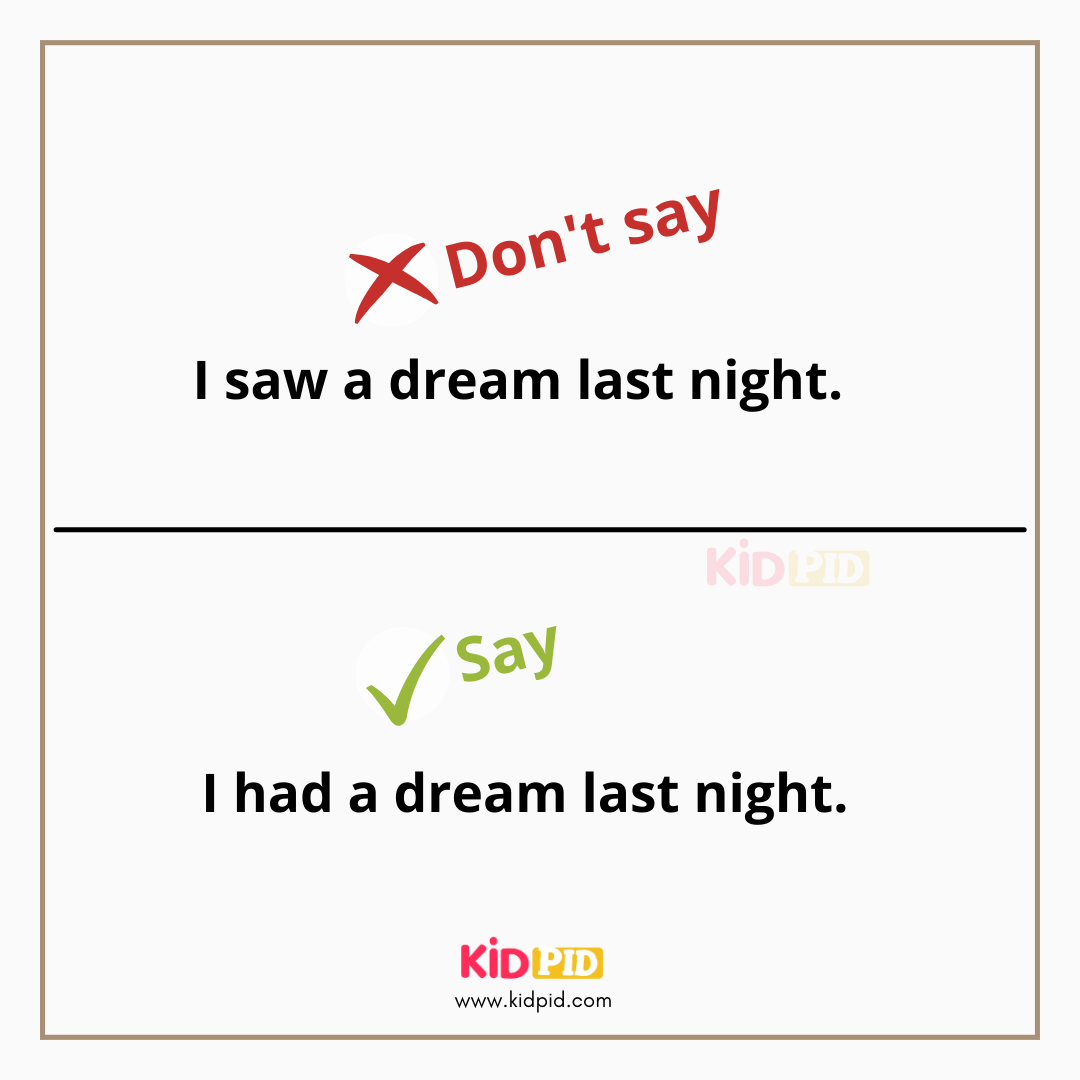
Don’t say:
I saw a dream last night.
Say:
I had a dream last night.
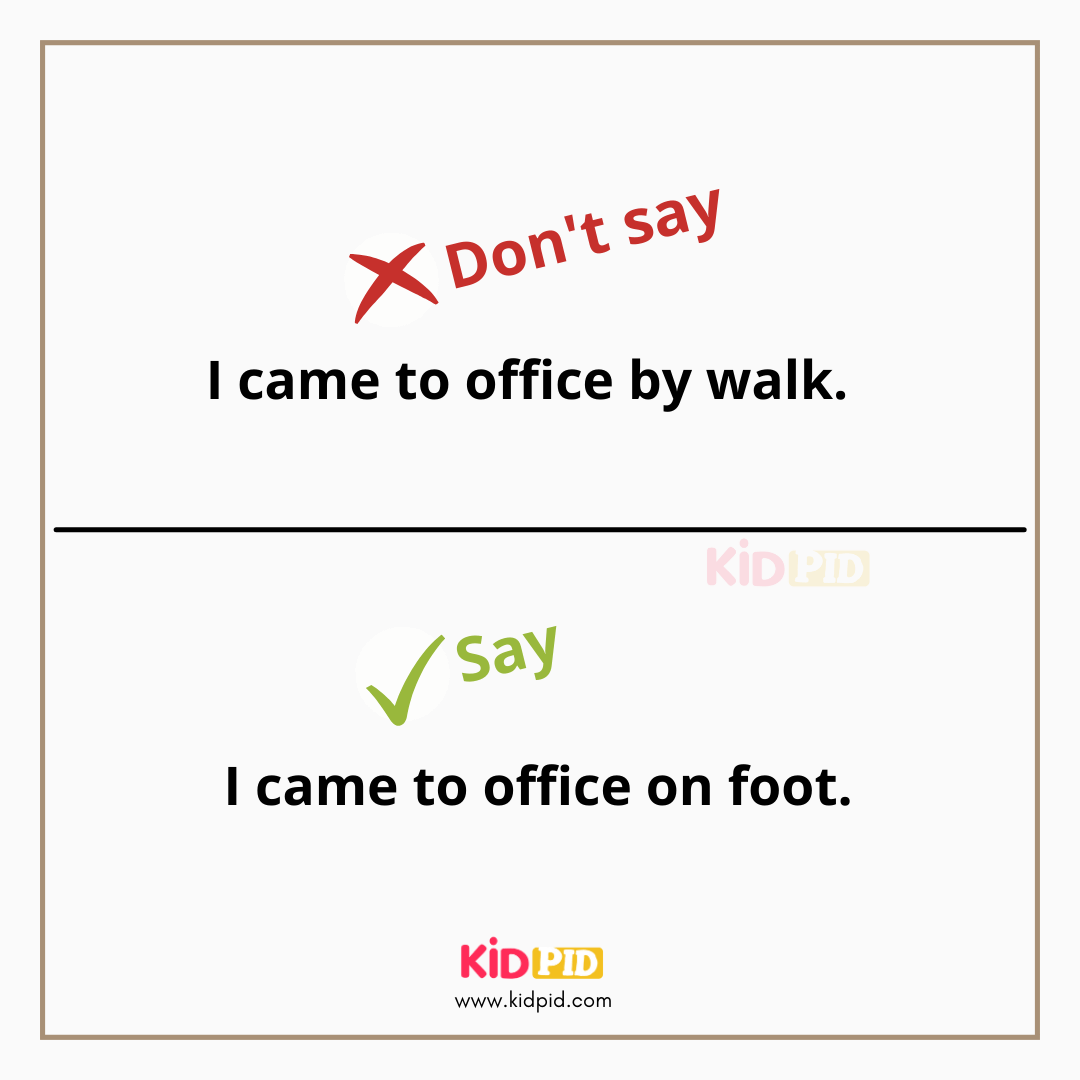
Don’t say:
I came to office by walk.
Say:
I came to office on foot.
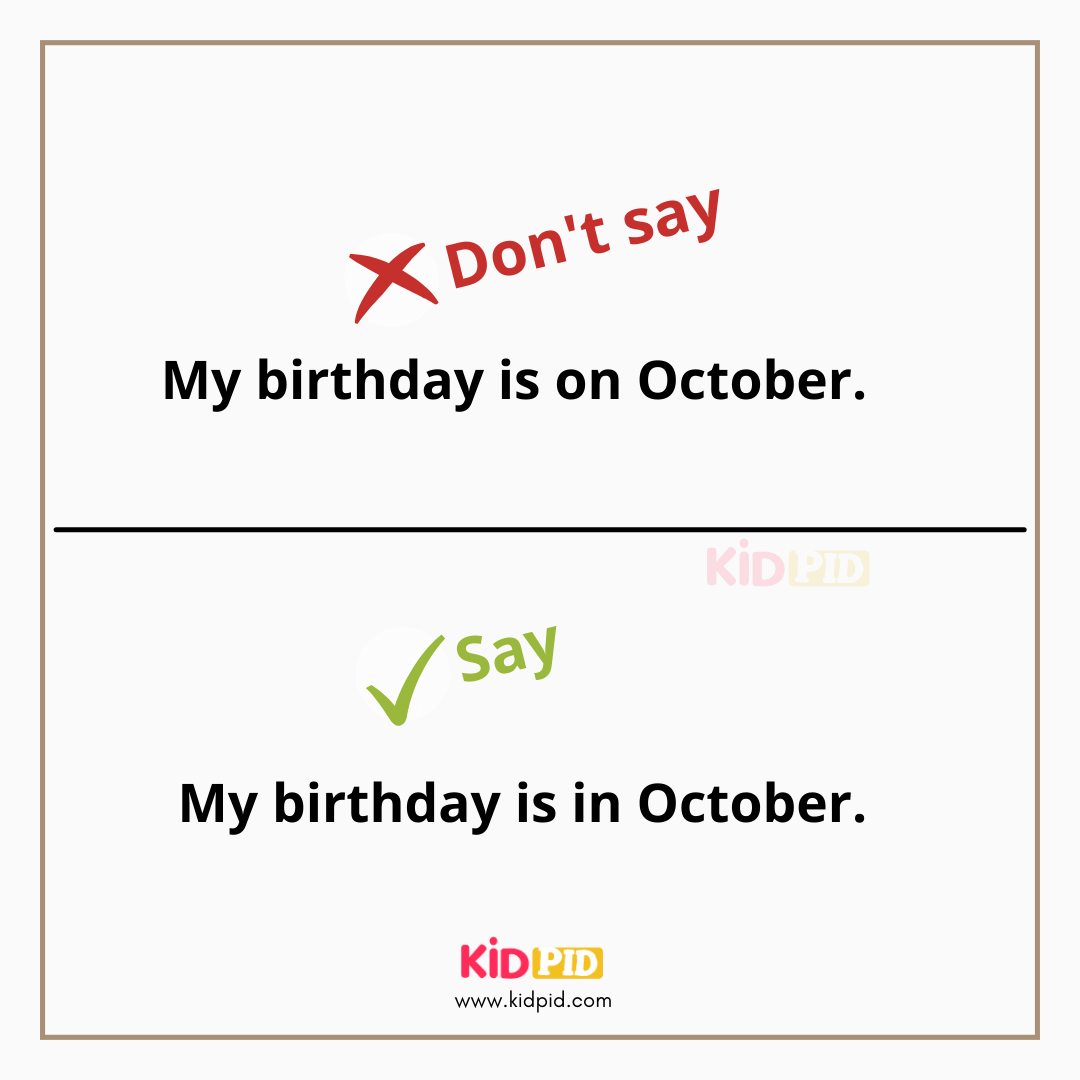
Don’t say:
My birthday is on October.
Say:
My birthday is in October.
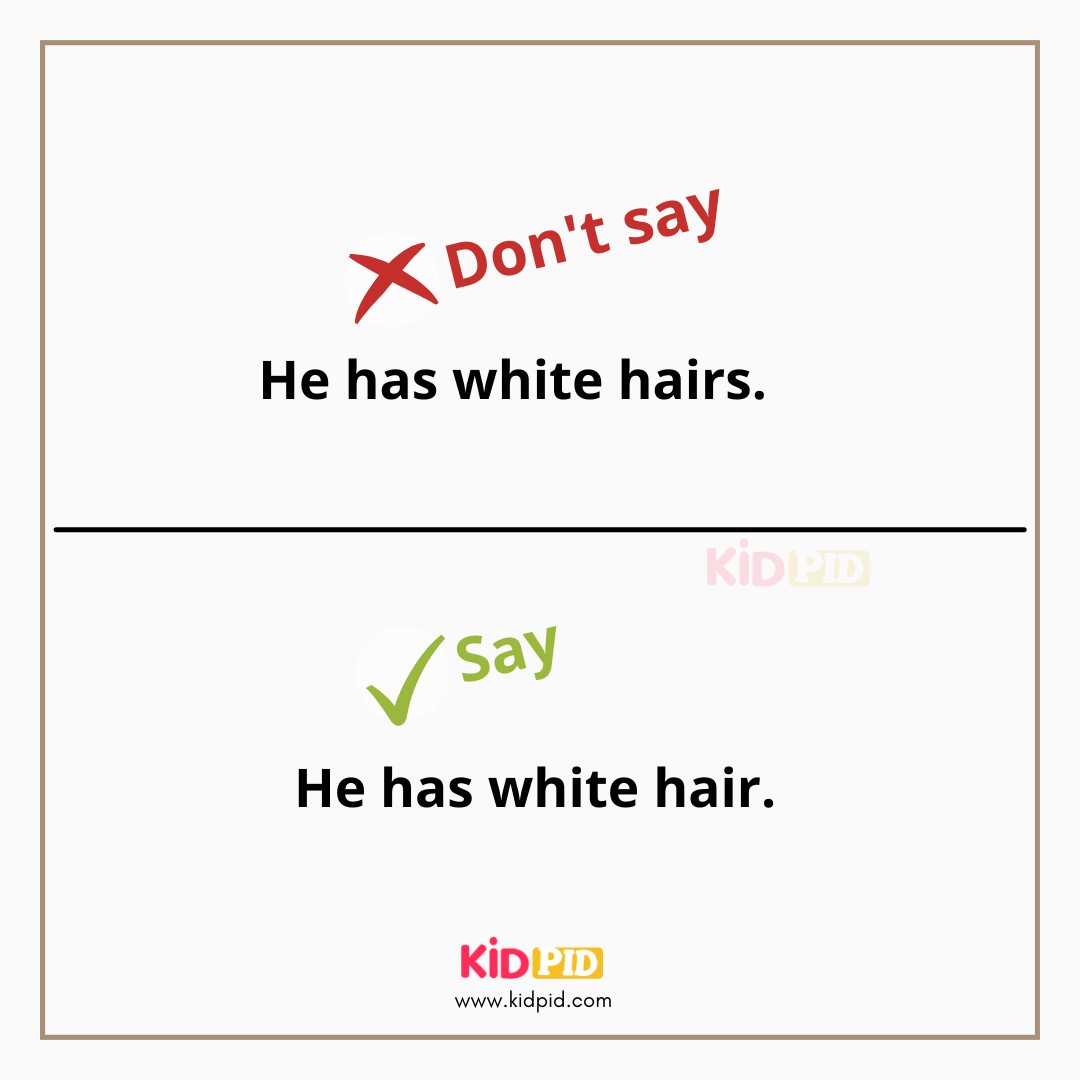
Don’t say:
He has white hairs.
Say:
He has white hair.
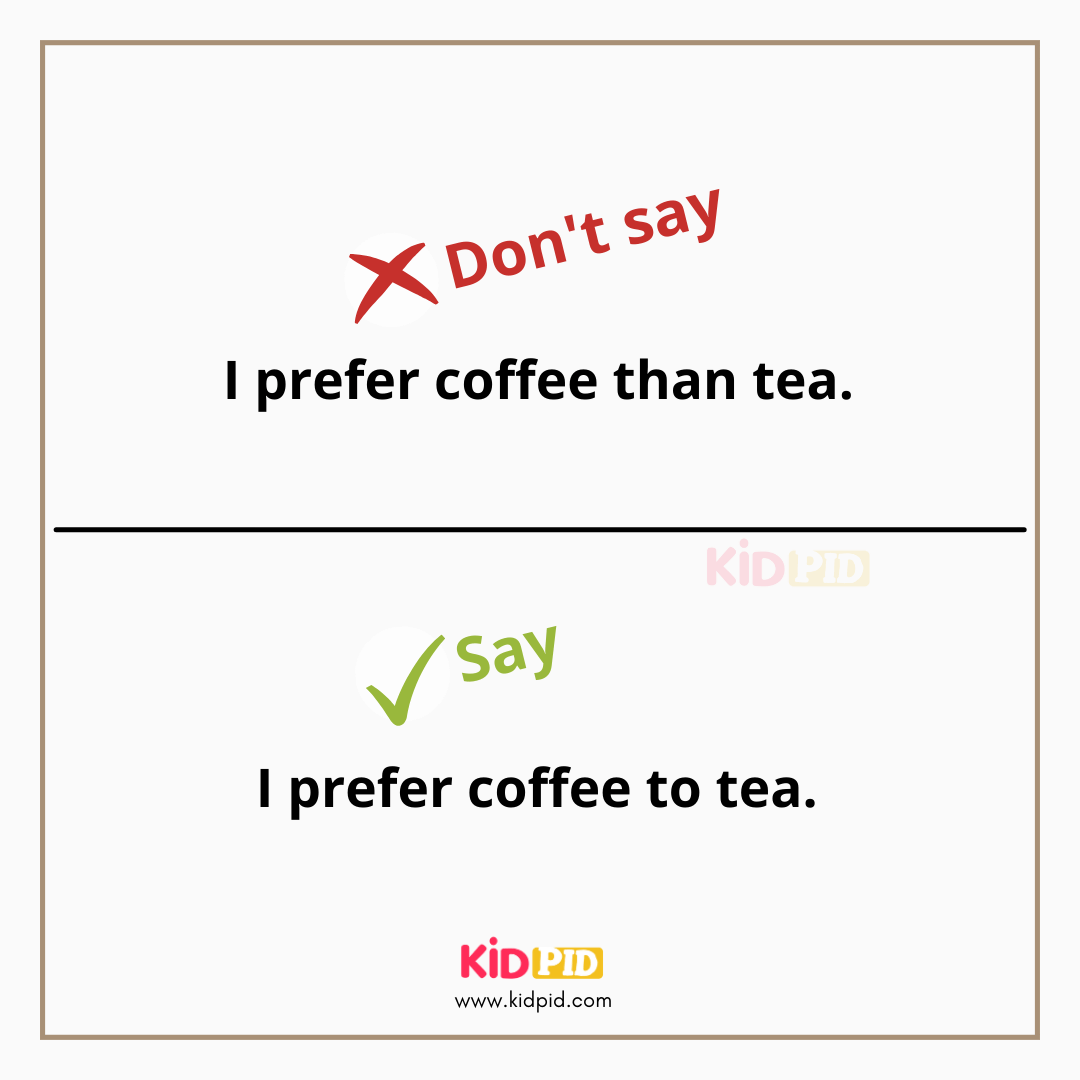
Don’t say:
I prefer coffee to tea.
Say:
I prefer coffee to tea.
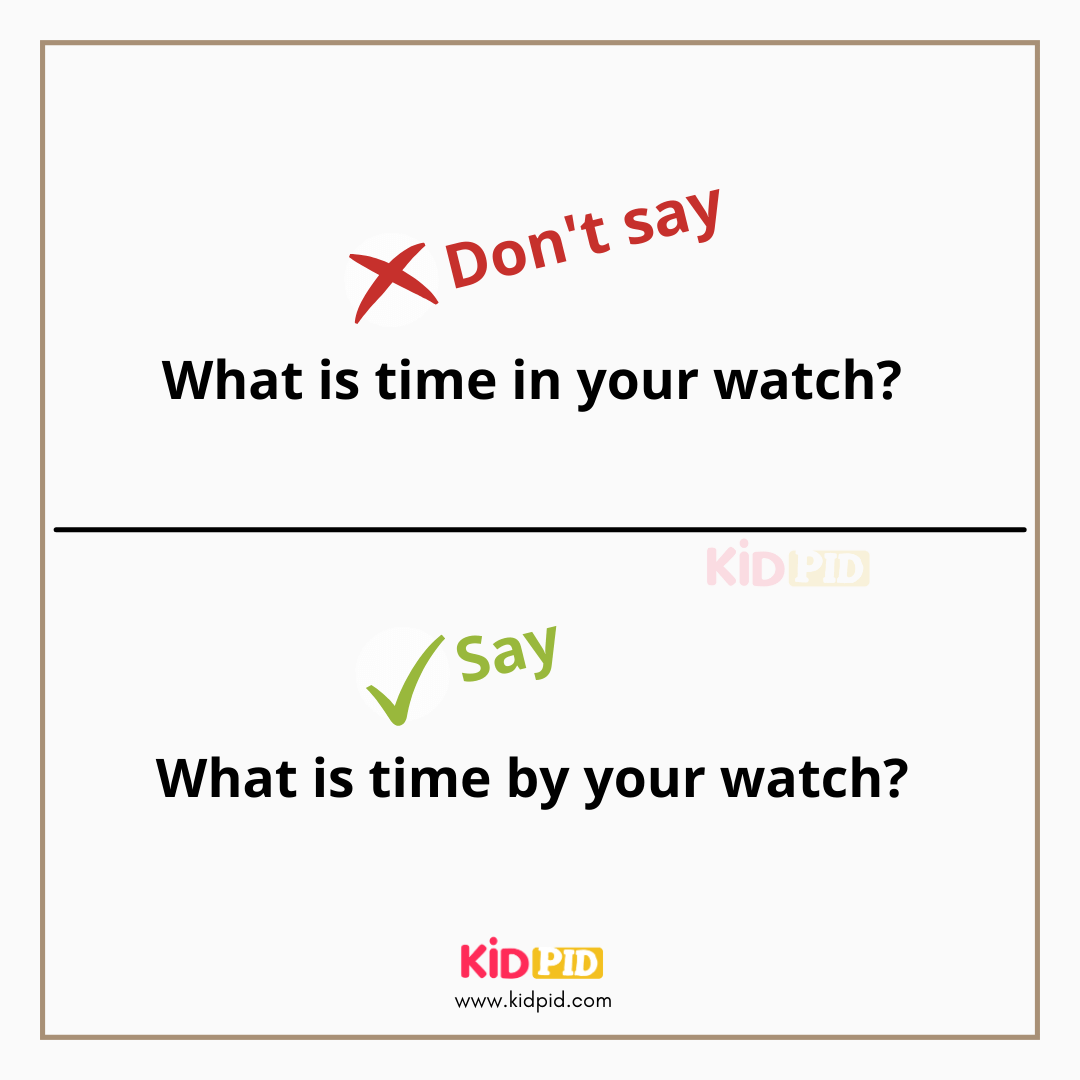
Don’t say:
What is time in your watch?
Say:
What is time by your watch?
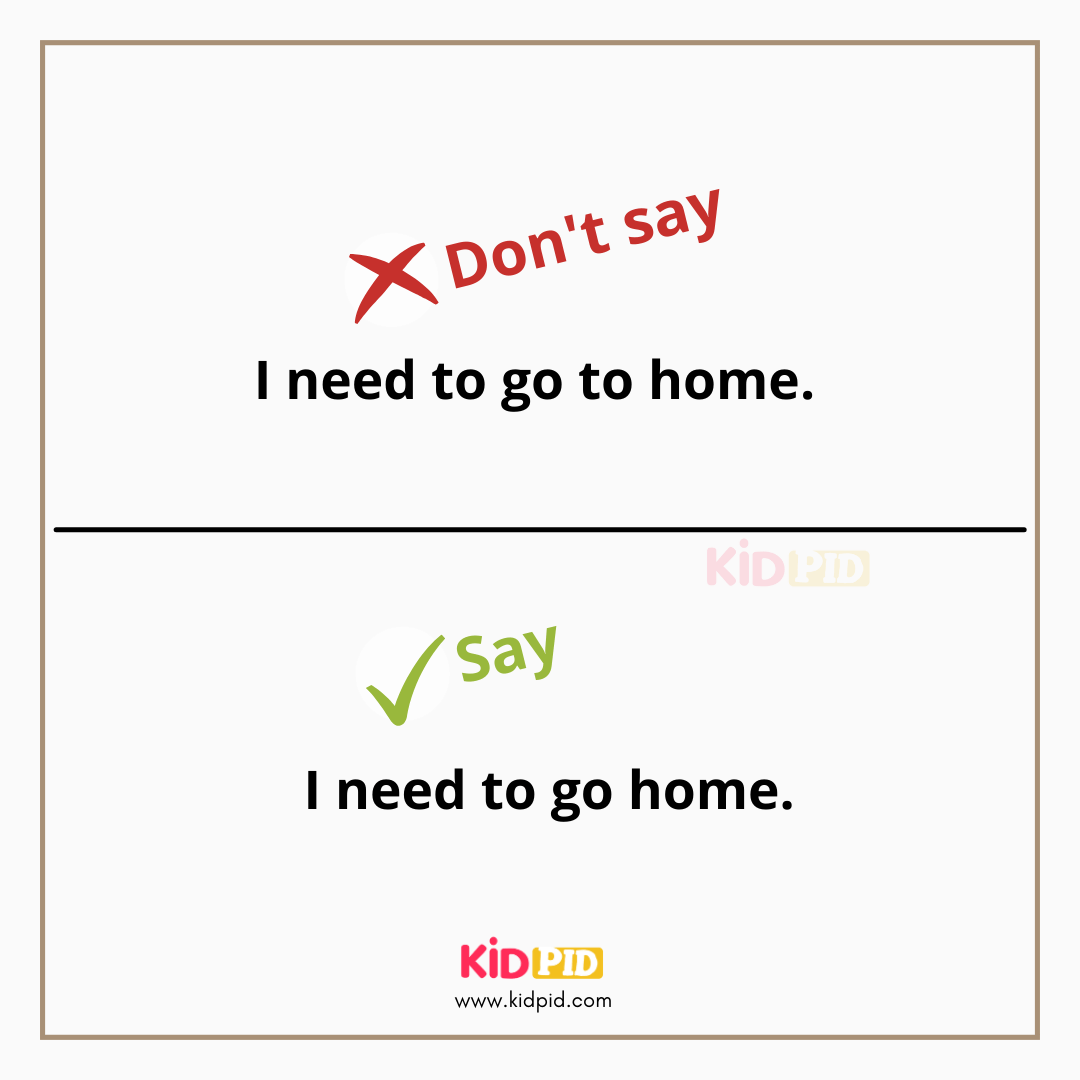
Don’t say:
I need to go to home.
Say:
I need to go home.
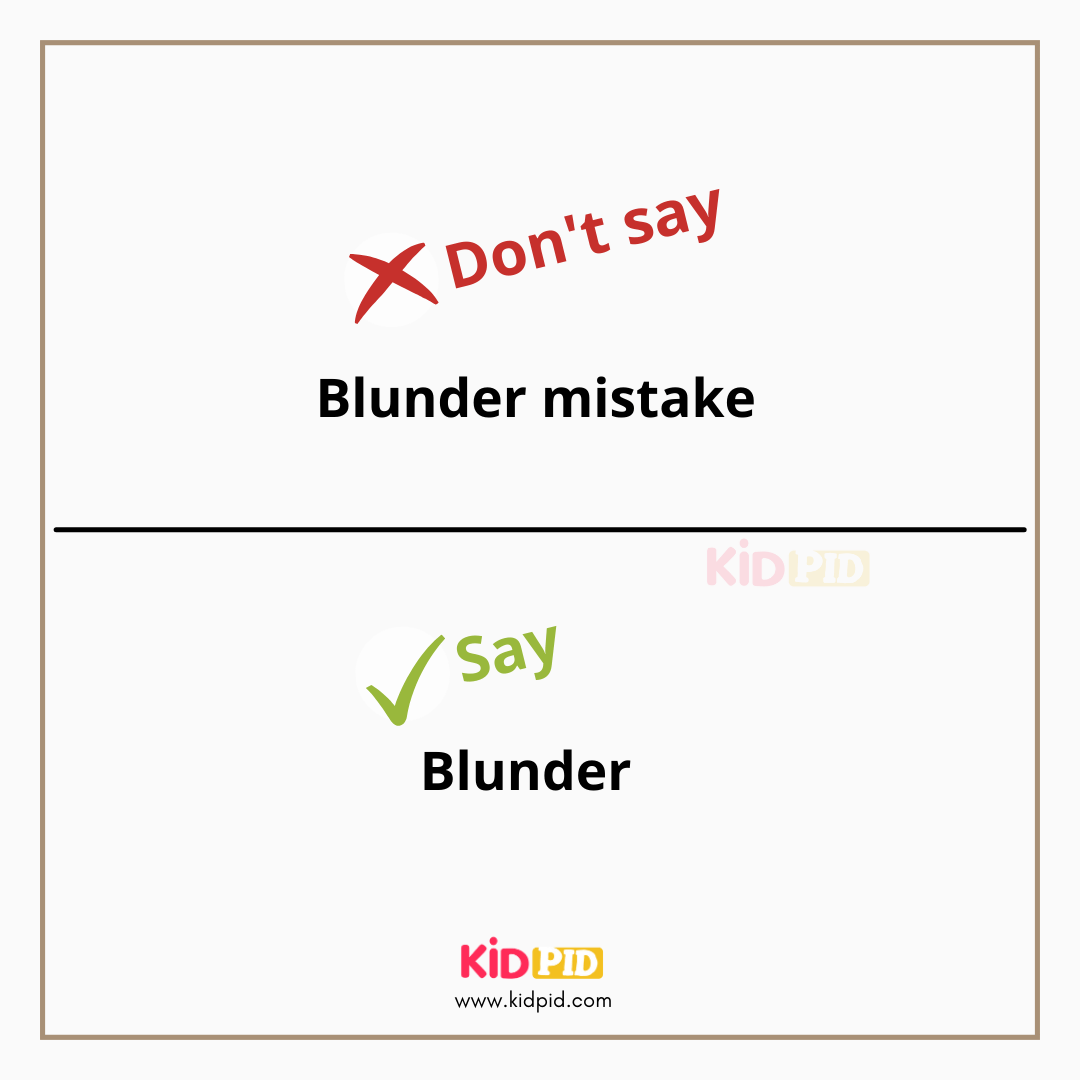
Don’t say:
Blunder mistake
Say:
Blunder
How to Avoid Common English-Speaking Mistakes
- Understand Grammar Rules Clearly: Learn basic grammar—tenses, articles, and subject-verb agreement. Grammar mistakes are the most common in speaking.
- Avoid Translating from Native Language: Direct translation can lead to errors in structure and meaning. Focus on English sentence patterns.
- Use Correct Verb Tenses: Always match your verbs with the correct time (past, present, or future). Example: “I saw, not ‘I see yesterday.”
- Pay Attention to Plural and Singular Forms: Example: Say “People are happy,” not “People is happy.”
- Learn Commonly Confused Words: Examples: Of course (not of course), Your name (not Your good name).
- Focus on Pronunciation: Mispronunciation can change meaning. Use phonetic dictionaries or apps to learn correct pronunciation.
- Avoid Overusing Fillers: Words like “uh,” “like,” and “you know” make speech unclear. Use pauses instead.
- Listen Before You Speak: Careful listening helps you understand tone, grammar, and pronunciation naturally.
- Get Feedback from Others: Ask teachers, friends, or language partners to point out your mistakes so you can fix them.
- Keep Learning from Mistakes: Note down frequent errors and practice them until you get them right — consistency is key.
In conclusion, avoiding common English-speaking mistakes helps improve fluency, confidence, and communication skills. Practice daily, listen carefully, and use correct grammar and pronunciation to speak English more naturally and effectively. Connect with us on Facebook, Pinterest, YouTube & Telegram for more inspiring ideas! Join our Telegram group for the newest updates, and be sure to create this fun craft and share your amazing artwork with us!

Read More:


