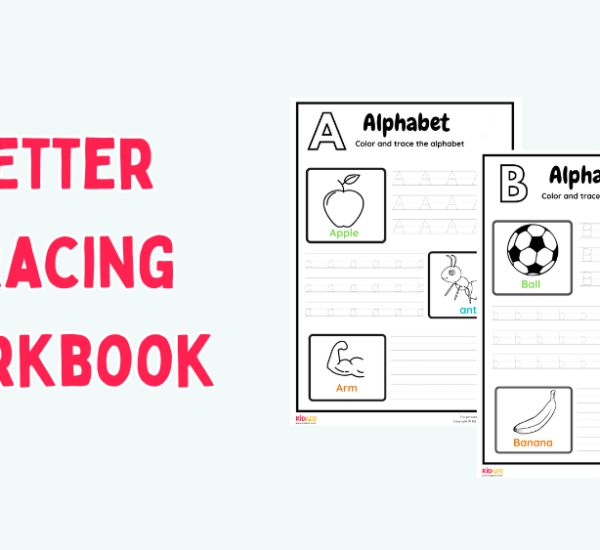
This is a tracing and identifying worksheet that not only helps kindergarten kids to identify color names but also teaches them how to read and write them accurately. These worksheets reinforce the child’s development towards the writing portion and generate literacy skills among them.
Contents
- Trace & Print The Color Worksheet Activities For Kindergarten
- Key Facts About Identify Colors Tracing Worksheet for Kindergarten
- Parts, Types, and Examples of Identifying Colors Tracing Worksheets
- How Does the Identify Colors Tracing Worksheet Work?
- Benefits of Learning About Identifying Colors Tracing Worksheets
- Learning Objectives
- Worksheet Instructions
- Interesting Facts About Colors
- Vocabulary Words
- Real-Life Applications
- FAQs
- Q1. What is an Identify Colors Tracing Worksheet?
- Q2. What age group is this worksheet suitable for?
- Q3. Why is color recognition important for children?
- Q4. How does tracing help kindergarten students?
- Q5. Can these worksheets be used at home?
- Q6. How often should children practice color tracing activities?
- Q7. What skills do children learn from these worksheets?
- Q8. Are color tracing worksheets suitable for classroom use?
- Read More:
Trace & Print The Color Worksheet Activities For Kindergarten
[Scroll Down for Download Link]
Read More: Lowercase Letter Tracing Worksheet For Preschool



Key Facts About Identify Colors Tracing Worksheet for Kindergarten
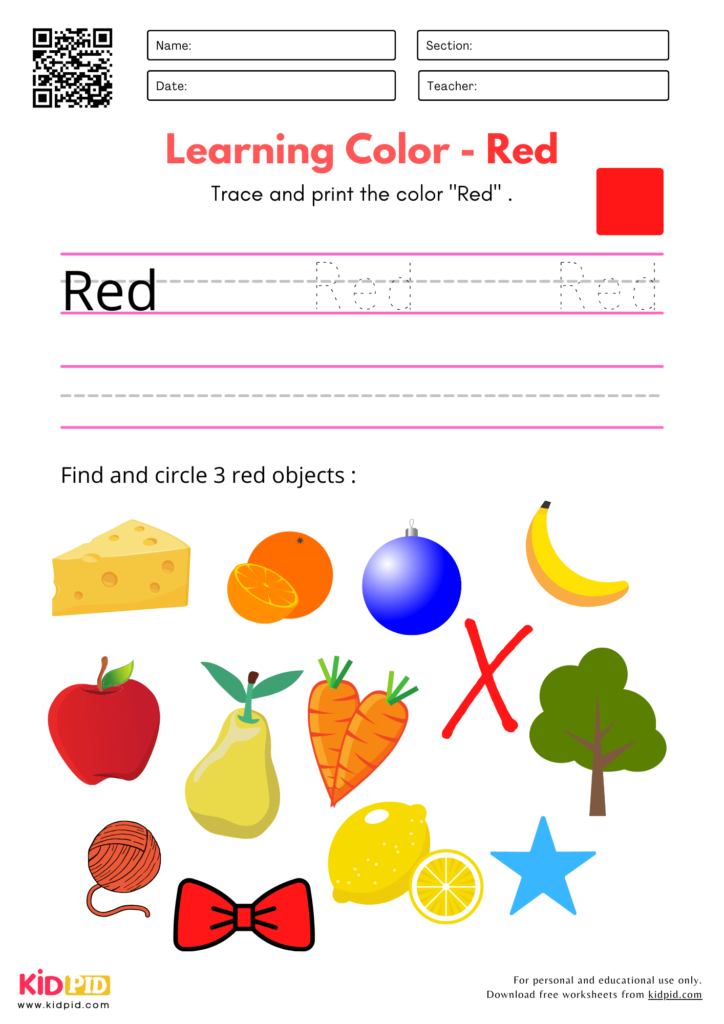
The Identify Colors Tracing Worksheet for Kindergarten is an engaging educational activity designed to help young learners recognize colors while improving their handwriting skills. These worksheets combine color identification with tracing exercises, making learning both fun and interactive.
Key Facts:
- Suitable for kindergarten and preschool children.
- Combines color recognition and fine motor skill development.
- Supports early handwriting practice.
- Uses colorful visuals to maintain children’s interest.
- Encourages visual discrimination and cognitive growth.
- Can be used at home, in classrooms, or for homeschooling activities.
Parts, Types, and Examples of Identifying Colors Tracing Worksheets
Parts of the Worksheet
- Color names for tracing.
- Colorful objects or illustrations.
- Tracing lines and letters.
- Identification exercises.
- Matching or coloring activities.
Types of Worksheets
- Basic color word tracing worksheets.
- Color-object matching worksheets.
- Color recognition and coloring pages.
- Rainbow color tracing activities.
- Shape and color combination worksheets.
Examples
- Trace the word “Red” and color the apple red.
- Trace the word “Blue” and identify blue objects.
- Match color names to the correct pictures.
- Trace color words and draw a related object.
How Does the Identify Colors Tracing Worksheet Work?
These worksheets introduce children to common colors through visual examples and tracing exercises. Students first observe the color displayed on the worksheet. They then trace the color name using dotted letters, helping them become familiar with spelling and letter formation.
Next, children identify objects that match the color and may complete coloring or matching tasks. This hands-on approach strengthens memory retention and improves both literacy and motor skills simultaneously.
Benefits of Learning About Identifying Colors Tracing Worksheets
- Improves color recognition abilities.
- Enhances pencil control and handwriting readiness.
- Strengthens hand-eye coordination.
- Builds vocabulary through color names.
- Encourages concentration and attention to detail.
- Supports early reading and spelling development.
- Increases confidence through independent learning.
- Makes learning enjoyable through interactive activities.
Learning Objectives
By completing this worksheet, children will be able to:
- Identify and name common colors.
- Trace and write color words correctly.
- Improve fine motor and pre-writing skills.
- Associate colors with everyday objects.
- Develop visual observation skills.
- Expand early vocabulary knowledge.
- Follow simple instructions independently.
Worksheet Instructions
- Look at the color shown on the worksheet.
- Say the color name aloud.
- Carefully trace the dotted color word.
- Identify the objects that match the color.
- Color the pictures using the correct color.
- Complete any matching or recognition activities.
- Review the color names after finishing the worksheet.
Interesting Facts About Colors
- The human eye can distinguish millions of different colors.
- Red, blue, and yellow are commonly taught as primary colors to children.
- Colors can influence emotions and moods.
- Rainbows contain seven visible colors.
- Different cultures may associate colors with different meanings.
- Many animals see colors differently from humans.
Vocabulary Words
Introduce children to these important color-related words:
- Color
- Red
- Blue
- Yellow
- Green
- Orange
- Purple
- Pink
- Brown
- Black
- White
- Trace
- Match
- Identify
- Crayon
- Rainbow
Real-Life Applications
Color recognition is an important everyday skill that helps children:
- Identify traffic signals and safety signs.
- Sort toys, clothes, and household items.
- Follow classroom instructions.
- Express creativity through art and crafts.
- Recognize fruits, vegetables, and objects.
- Improve communication by describing things accurately.
FAQs
Q1. What is an Identify Colors Tracing Worksheet?
Answer: It is an educational worksheet that teaches children to recognize colors while practicing tracing and handwriting skills.
Q2. What age group is this worksheet suitable for?
Answer: These worksheets are ideal for preschoolers and kindergarten students, typically ages 4–6.
Q3. Why is color recognition important for children?
Answer: Color recognition supports cognitive development, vocabulary growth, observation skills, and early learning readiness.
Q4. How does tracing help kindergarten students?
Answer: Tracing improves pencil control, hand strength, fine motor development, and letter formation skills.
Q5. Can these worksheets be used at home?
Answer: Yes. Parents can easily use them for homeschooling, homework practice, or extra learning activities.
Q6. How often should children practice color tracing activities?
Answer: Regular practice 2–3 times per week helps reinforce color recognition and handwriting development.
Q7. What skills do children learn from these worksheets?
Answer: Children develop color identification, vocabulary, handwriting readiness, concentration, visual discrimination, and fine motor skills.
Q8. Are color tracing worksheets suitable for classroom use?
Answer: Yes. Teachers frequently use them for centers, morning work, early finishers, and foundational learning activities.

Tracing and identifying colors together creates a fun learning experience for kindergarten learners, enhancing pencil control, color recognition, handwriting readiness, fine motor skills, and overall confidence through enjoyable practice activities. Make learning exciting with our collection of worksheets, essays, paragraphs, flashcards, quizzes, and interactive resources. Follow us on YouTube & Facebook for more.
This worksheet is thoughtfully developed by the Content Team to enhance learning engagement.
Reviewed By Minakshi
Read More: