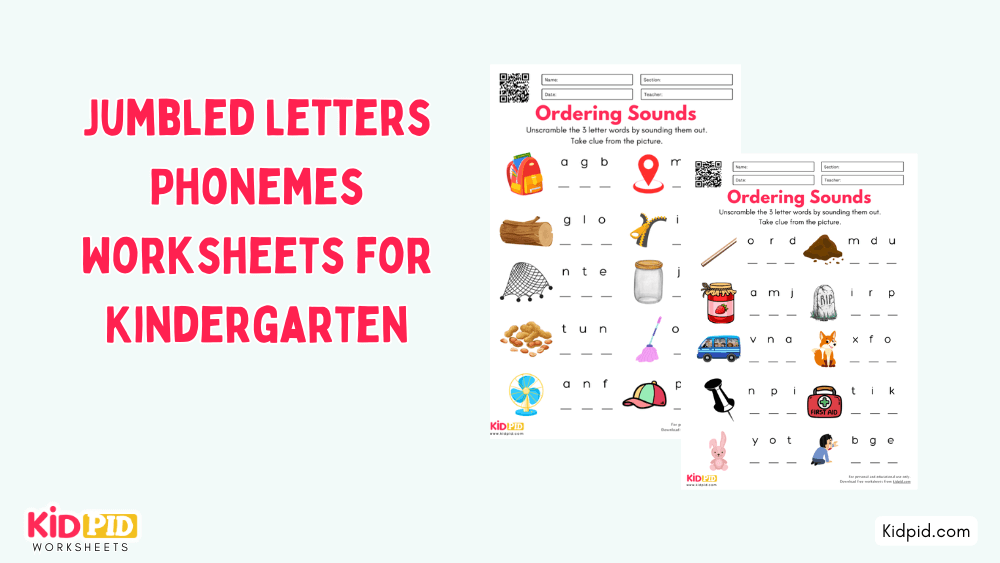

In today’s generation, language should not be a barrier for children to communicate. In building the roots of the English language among kids, vocabulary plays the most significant role. So here are some worksheets that help the child learn new words accurately. Kindergarten kids are 3 to 5 years old, and with the help of these activities, children will learn faster and more enjoyably. Check out these worksheets in which the kid has to find out the missing letter of the word. It will teach your children the correct spellings at an early age so that they won’t face problems in their teenage years.
Contents
- Missing Letter Vocabulary Words For Kindergarten
- Animal Vocabulary Worksheet For Kindergarten
- Color Vocabulary Worksheet For Kindergarten
- Direction Vocabulary Worksheet For Kindergarten
- Five Senses Vocabulary Worksheet for Kindergarten
- Math Vocabulary Worksheet for Kindergarten
- People Vocabulary Worksheet For Kindergarten
- Holidays Vocabulary Worksheet For Kindergarten
- Music Vocabulary Worksheet For Kindergarten
- Places Vocabulary Worksheet For Kindergarten
- Play Vocabulary Worksheet For Kindergarten
- Position Vocabulary Worksheet For Kindergarten
- School and Home Vocabulary Worksheet For Kindergarten
- Size Vocabulary Worksheet For Kindergarten
- Pet Vocabulary Worksheet For Kindergarten
- Season Vocabulary Worksheet For Kindergarten
- Key Facts About Kindergarten Vocabulary Worksheets
- Types of Kindergarten Vocabulary Worksheets
- How Do Kindergarten Vocabulary Worksheets Work?
- Benefits of Learning Vocabulary in Kindergarten
- Learning Objectives
- Worksheet Instructions
- Interesting Facts About Vocabulary Learning
- Vocabulary Words
- Real-Life Applications
- FAQ
- Q1. What are kindergarten vocabulary worksheets?
- Q2. At what age should children start vocabulary worksheets?
- Q3. How often should children practice vocabulary?
- Q4. Are vocabulary worksheets suitable for homeschooling?
- Q5. How can parents help children learn new vocabulary?
- Q6. Why are pictures important in vocabulary learning?
- Q7. Can vocabulary worksheets improve reading skills?
- Q8. Are these worksheets useful for English language learners?
- Read More:
Missing Letter Vocabulary Words For Kindergarten
Read More: Vocabulary: Words With Meaning and Example
Animal Vocabulary Worksheet For Kindergarten

- Grade Levels: Kindergarten
- Subjects: English Language Arts, EFL – ESL – ELD, Vocabulary, Writing
- Resource Type: Printables, Worksheets, Activities
- Formats Included: PDF
- Print Length: 7 pages
- Dimensions: 28.5 x 28.5 cm
- Language: English
Color Vocabulary Worksheet For Kindergarten

- Grade Levels: Kindergarten
- Subjects: English Language Arts, EFL – ESL – ELD, Writing, Vocabulary
- Resource Type: Printables, Worksheets, Activities
- Formats Included: PDF
- Print Length: 4 pages
- Dimensions: 28.5 x 28.5 cm
- Language: English
We all know that every child is fond of coloring. They are so interested and excited about colors and coloring on the drawings. So, to build the child’s interest, we have a worksheet in which the child has to write the missing letter of each color. Red and blue are the most loved ones. Yellow and black are average among the children. Orange and green are the patriotic ones.
Direction Vocabulary Worksheet For Kindergarten

- Grade Levels: Kindergarten
- Subjects: English Language Arts, EFL – ESL – ELD, Vocabulary
- Resource Type: Printables, Worksheets, Activities
- Formats Included: PDF
- Print Length: 4 pages
- Dimensions: 28.5 x 28.5 cm
- Language: English
Five Senses Vocabulary Worksheet for Kindergarten

- Grade Levels: Kindergarten
- Subjects: English Language Arts, EFL – ESL – ELD, Vocabulary
- Resource Type: Printables, Worksheets, Activities
- Formats Included: PDF
- Print Length: 2 pages
- Dimensions: 28.5 x 28.5 cm
- Language: English
The five senses are the first thing a child learns from their parents, as it is easy to learn them. So learning the spelling of these senses should also be the first one in kindergarten. We are here with the worksheet in which the kid has to write the first letter of the word to complete the whole word. These are smell, taste, hear, see, and touch. So help your kids to learn the spellings of the five senses.
Math Vocabulary Worksheet for Kindergarten

- Grade Levels: Kindergarten
- Subjects: Basic Operations. Math, Vocabulary
- Resource Type: Printables, Worksheets, Activities
- Formats Included: PDF
- Print Length: 5 pages
- Dimensions: 28.5 x 28.5 cm
- Language: English
Usually, maths is the most disliked subject among kids. They don’t like the subject,t but it is also the most important one, so building the basics is mandatory. You can get help with the worksheet so that the child can learn both spelling and some basic values of maths. Take out the fear of maths from the kid’s heart and let them do these types of worksheets.
People Vocabulary Worksheet For Kindergarten

- Grade Levels: Kindergarten
- Subjects: English Language Arts, EFL – ESL – ELD, Vocabulary
- Resource Type: Printables, Worksheets, Activities
- Formats Included: PDF
- Print Length: 6 pages
- Dimensions: 28.5 x 28.5 cm
- Language: English
Here is one worksheet in which the child will learn about people who are the human generation and gender diversity. The child should know about the ppeoplehe/she is surrounded by, and this worksheet will help him to learn about the vocabulary and the human generation.
Holidays Vocabulary Worksheet For Kindergarten

- Grade Levels: Kindergarten
- Subjects: English Language Arts, EFL – ESL – ELD, Vocabulary
- Resource Type: Printables, Worksheets, Activities
- Formats Included: PDF
- Print Length: 4 pages
- Dimensions: 28.5 x 28.5 cm
- Language: English
We should create knowledge among children about holidays that they enjoy. It is important for them to first know about these holidays and then learn their spelling. They should know Holi is the festival of colors. Diwali is the festival of lights and peace. The new year is the start of the next year. Christmas brings Santa Claus, and Halloween remembers and honours the dead.
Music Vocabulary Worksheet For Kindergarten

- Grade Levels: Kindergarten
- Subjects: English Language Arts, EFL – ESL – ELD, Vocabulary
- Resource Type: Printables, Worksheets, Activities
- Formats Included: PDF
- Print Length: 4 pages
- Dimensions: 28.5 x 28.5 cm
- Language: English
A worksheet that focuses on music words can introduce kids to music terminology in a playful way. It will not only help the kids to learn about music equipment but can also create a new hobby among them. Types of equipment such as tuba, guitar, drums, harmonium, trumpet, and piano vocabulary words will generate fun with music.
Places Vocabulary Worksheet For Kindergarten

- Grade Levels: Kindergarten
- Subjects: English Language Arts, EFL – ESL – ELD, Vocabulary
- Resource Type: Printables, Worksheets, Activities
- Formats Included: PDF
- Print Length: 6 pages
- Dimensions: 28.5 x 28.5 cm
- Language: English
Play Vocabulary Worksheet For Kindergarten

- Grade Levels: Kindergarten
- Subjects: English Language Arts, EFL – ESL – ELD, Vocabulary
- Resource Type: Printables, Worksheets, Activities
- Formats Included: PDF
- Print Length: 5 pages
- Dimensions: 28.5 x 28.5 cm
- Language: English
Position Vocabulary Worksheet For Kindergarten

- Grade Levels: Kindergarten
- Subjects: English Language Arts, EFL – ESL – ELD, Vocabulary, Spelling
- Resource Type: Printables, Worksheets, Activities
- Formats Included: PDF
- Print Length: 4 pages
- Dimensions: 28.5 x 28.5 cm
- Language: English
School and Home Vocabulary Worksheet For Kindergarten

- Grade Levels: Kindergarten
- Subjects: English Language Arts, EFL – ESL – ELD, Vocabulary
- Resource Type: Printables, Worksheets, Activities
- Formats Included::PDF
- Print Length: 4 pages
- Dimensions: 28.5 x 28.5 cm
- Language: English
Size Vocabulary Worksheet For Kindergarten

- Grade Levels: Kindergarten
- Subjects: English Language Arts, EFL – ESL – ELD, Vocabulary
- Resource Type: Printables, Worksheets, Activities
- Formats Included: PDF
- Print Length: 3 pages
- Dimensions: 28.5 x 28.5 cm
- Language: English
Pet Vocabulary Worksheet For Kindergarten

- Grade Levels: Kindergarten
- Subjects: English Language Arts, EFL – ESL – ELD, Vocabulary
- Resource Type: Printables, Worksheets, Activities
- Formats Included: PDF
- Print Length: 7 pages
- Dimensions: 28.5 x 28.5 cm
- Language: English
Season Vocabulary Worksheet For Kindergarten

- Grade Levels: Kindergarten
- Subjects: English Language Arts, EFL – ESL – ELD, Vocabulary
- Resource Type: Printables, Worksheets, Activities
- Formats Included: PDF
- Print Length: 6 pages
- Dimensions: 28.5 x 28.5 cm
- Language: English
Key Facts About Kindergarten Vocabulary Worksheets
Kindergarten vocabulary worksheets help young learners recognize, understand, and use everyday words through engaging activities. These printable worksheets support early language development by improving word recognition, listening, speaking, reading, and writing skills. Children learn new words related to colors, animals, food, family, shapes, emotions, weather, transportation, classroom objects, and more. Regular vocabulary practice builds confidence and prepares children for future reading success.
Types of Kindergarten Vocabulary Worksheets
Our kindergarten vocabulary worksheets include a variety of fun activities to keep children engaged while learning new words.
- Picture Vocabulary Matching Worksheets
- Color and Object Identification Worksheets
- Animal Vocabulary Worksheets
- Fruits and Vegetables Vocabulary Worksheets
- Community Helpers Vocabulary Worksheets
- Opposite Words Worksheets
- Action Words (Verbs) Worksheets
- Seasons and Weather Vocabulary Worksheets
- Body Parts Vocabulary Worksheets
- Shape and Number Vocabulary Worksheets
- Classroom Objects Worksheets
- Everyday Sight Word Activities
- Cut-and-Paste Vocabulary Worksheets
- Word-to-Picture Matching Activities
How Do Kindergarten Vocabulary Worksheets Work?
These worksheets introduce children to new words using colorful illustrations and simple exercises. Children observe pictures, identify objects, match words with images, circle correct answers, trace vocabulary words, complete missing letters, and practice speaking the words aloud. Combining visual learning with hands-on activities helps children remember vocabulary more effectively while improving comprehension and communication skills.
Benefits of Learning Vocabulary in Kindergarten
Vocabulary development is one of the most important foundations of early literacy. These worksheets help children:
- Build a stronger vocabulary for everyday communication.
- Improve reading readiness and comprehension.
- Develop better speaking and listening skills.
- Increase confidence in classroom participation.
- Strengthen memory through picture association.
- Enhance spelling and word recognition.
- Support creative thinking and sentence formation.
- Prepare for Grade 1 language learning.
Learning Objectives
By completing these worksheets, children will be able to:
- Learn and recognize common everyday vocabulary.
- Match words with corresponding pictures.
- Improve pronunciation and listening skills.
- Understand word meanings through visual examples.
- Expand expressive and receptive language.
- Practice reading simple words independently.
- Develop confidence while communicating.
- Build a strong foundation for future literacy skills.
Worksheet Instructions
Parents and teachers can use these worksheets in classrooms, homeschooling, or independent practice.
- Read each word aloud with your child.
- Encourage the child to identify the matching picture.
- Complete the activity carefully by matching, circling, tracing, or coloring.
- Repeat unfamiliar words several times.
- Ask children to use new words in simple sentences.
- Review completed worksheets regularly for better retention.
- Praise children’s efforts to build confidence and motivation.
Interesting Facts About Vocabulary Learning
- Children learn vocabulary faster when words are paired with pictures.
- Reading storybooks regularly introduces hundreds of new words.
- Daily conversations help children remember vocabulary naturally.
- Singing songs and nursery rhymes improves word recall.
- Playing educational games strengthens vocabulary development.
- Young children can learn several new words every day through consistent practice.
- Repetition is one of the most effective ways to build long-term vocabulary.
Vocabulary Words
Some common kindergarten vocabulary words include:
- Apple
- Ball
- Big
- Small
- Red
- Blue
- Circle
- Square
- Run
- Jump
- Eat
- Drink
- Fish
- Butterfly
Real-Life Applications
Vocabulary skills are used every day in children’s lives. They help children:
- Follow classroom instructions.
- Communicate clearly with teachers and friends.
- Understand books and stories.
- Express thoughts and emotions confidently.
- Recognize labels, signs, and common objects.
- Participate in classroom discussions.
- Improve writing and spelling skills.
- Build stronger reading comprehension for future grades.
FAQ
Q1. What are kindergarten vocabulary worksheets?
Answer: Kindergarten vocabulary worksheets are printable learning activities that help children recognize, understand, read, and use common everyday words through fun exercises.
Q2. At what age should children start vocabulary worksheets?
Answer: Most children can begin simple vocabulary activities between 4 and 6 years of age, depending on their readiness and language development.
Q3. How often should children practice vocabulary?
Answer: Practicing 10–15 minutes daily helps children steadily expand their vocabulary and improve language skills without becoming overwhelmed.
Q4. Are vocabulary worksheets suitable for homeschooling?
Answer: Yes. These worksheets are excellent for homeschooling, classroom learning, tutoring, and extra practice at home.
Q5. How can parents help children learn new vocabulary?
Answer: Parents can read books together, talk about everyday objects, ask simple questions, play word games, and encourage children to use newly learned words in conversations.
Q6. Why are pictures important in vocabulary learning?
Answer: Pictures help children connect words with real objects, making learning easier, more engaging, and easier to remember.
Q7. Can vocabulary worksheets improve reading skills?
Answer: Yes. A strong vocabulary improves word recognition, reading fluency, comprehension, spelling, and overall literacy development.
Q8. Are these worksheets useful for English language learners?
Answer: Absolutely. Picture-based vocabulary worksheets are especially helpful for English language learners because they make new words easier to understand without relying on lengthy explanations.
Strengthen early language skills with Kindergarten Vocabulary Worksheets to Practice Words (with Answers). These engaging activities expand word knowledge, improve reading confidence, reinforce spelling, and make vocabulary learning simple, enjoyable, and effective. Find everything you need for classroom success with our printable quizzes, worksheets, essays, flashcards, paragraphs, and interactive resources. Follow us on Facebook, Pinterest, YouTube & Telegram.
Read More: